Reef days and coastal drives: doing Australia properly
Palm lined beaches, outback gateways and long, easy coastal roads. Here is how we'd pace a first trip down under so it never feels rushed.
Explore Australia →
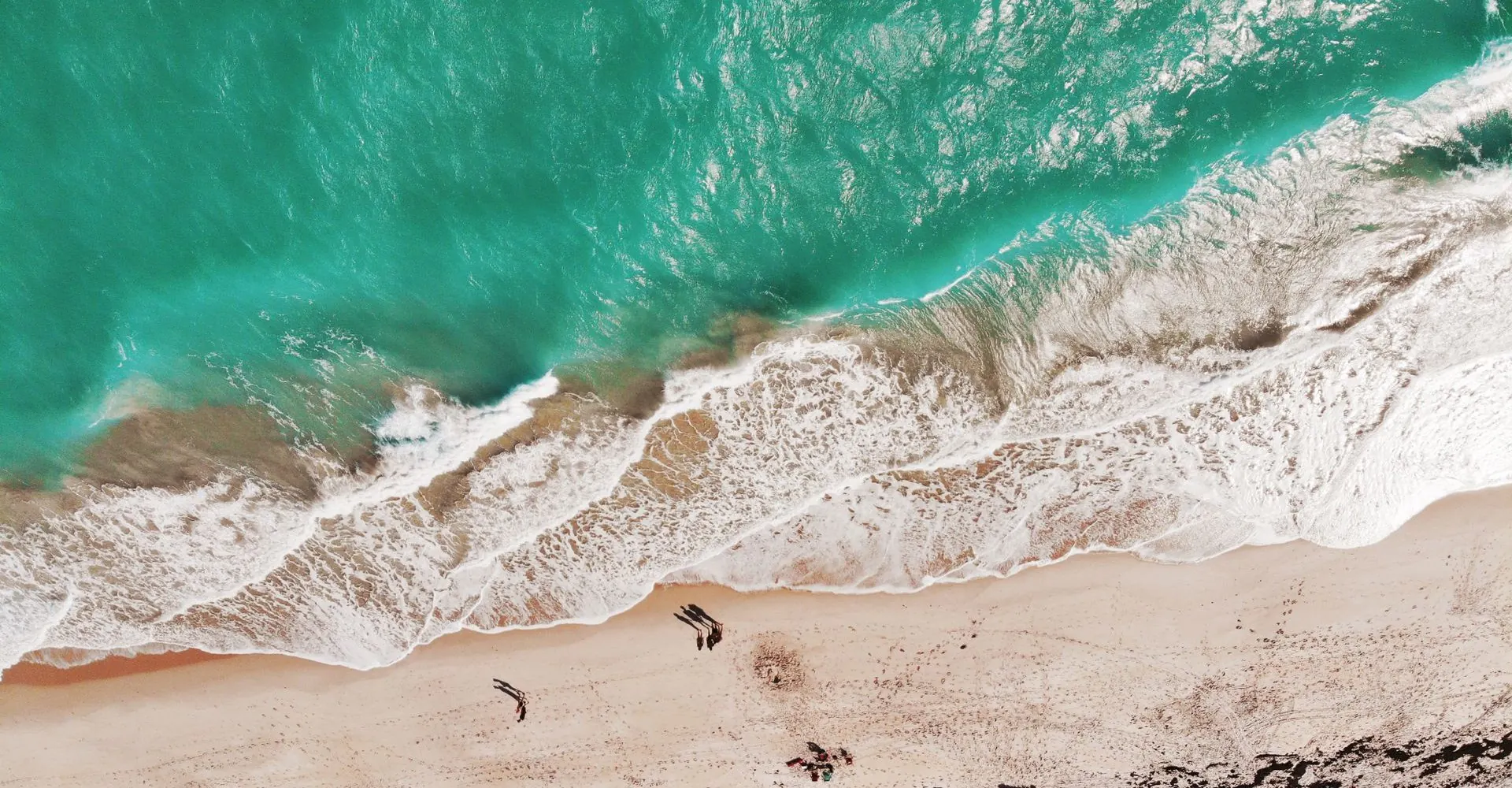
Tell us where you want to go, and we'll handle the flights, stays, transfers and details, and hunt down the best rate we can find. Real people, right here in Hamilton.

Before I Fly is proud to be a 2026 Platinum Member of the Air Canada Circle of Excellence, the airline's highest distinction awarded to travel industry partners.
This award recognises our team's commitment to excellence, expertise and outstanding customer service, and our mission to create unforgettable journeys for our clients. We are delighted to be acknowledged among the best travel partners in the industry, and we thank our loyal clients for their continued support.
We look forward to helping you plan your next adventure.
Plan your trip with usPopular destinations
A few favourites. We plan trips to these and plenty of other places too.
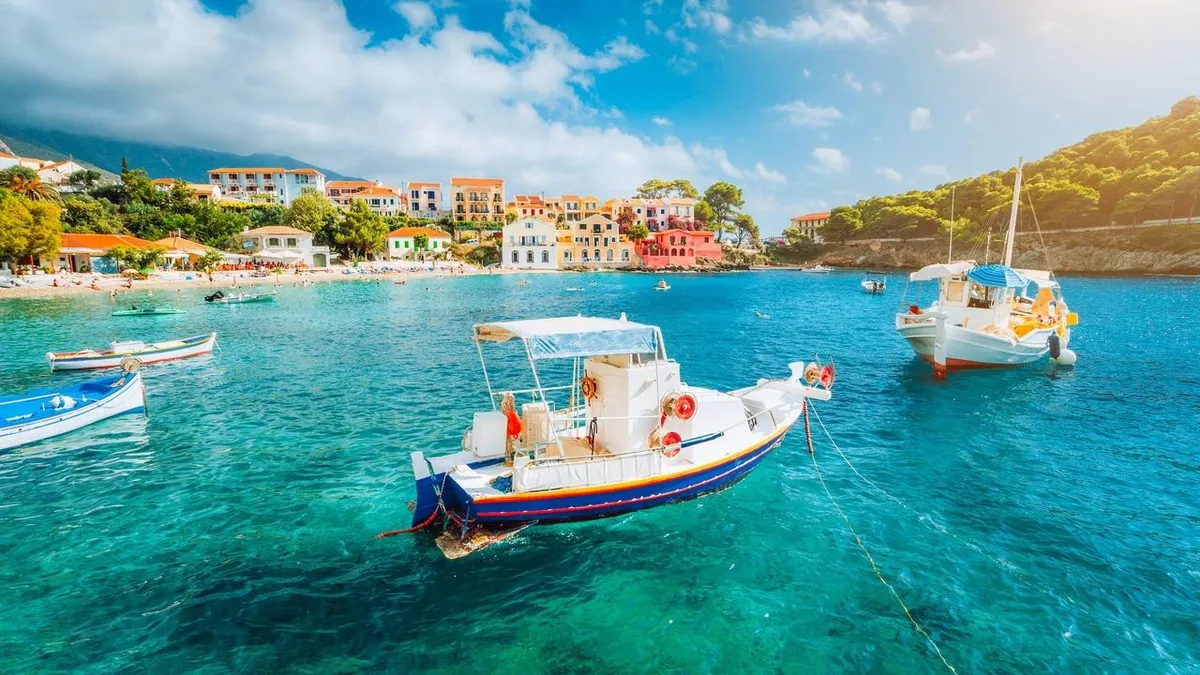 Santorini & the islands
White villages above a deep blue caldera, island ferries and long lunches right by the water.
Explore Greece →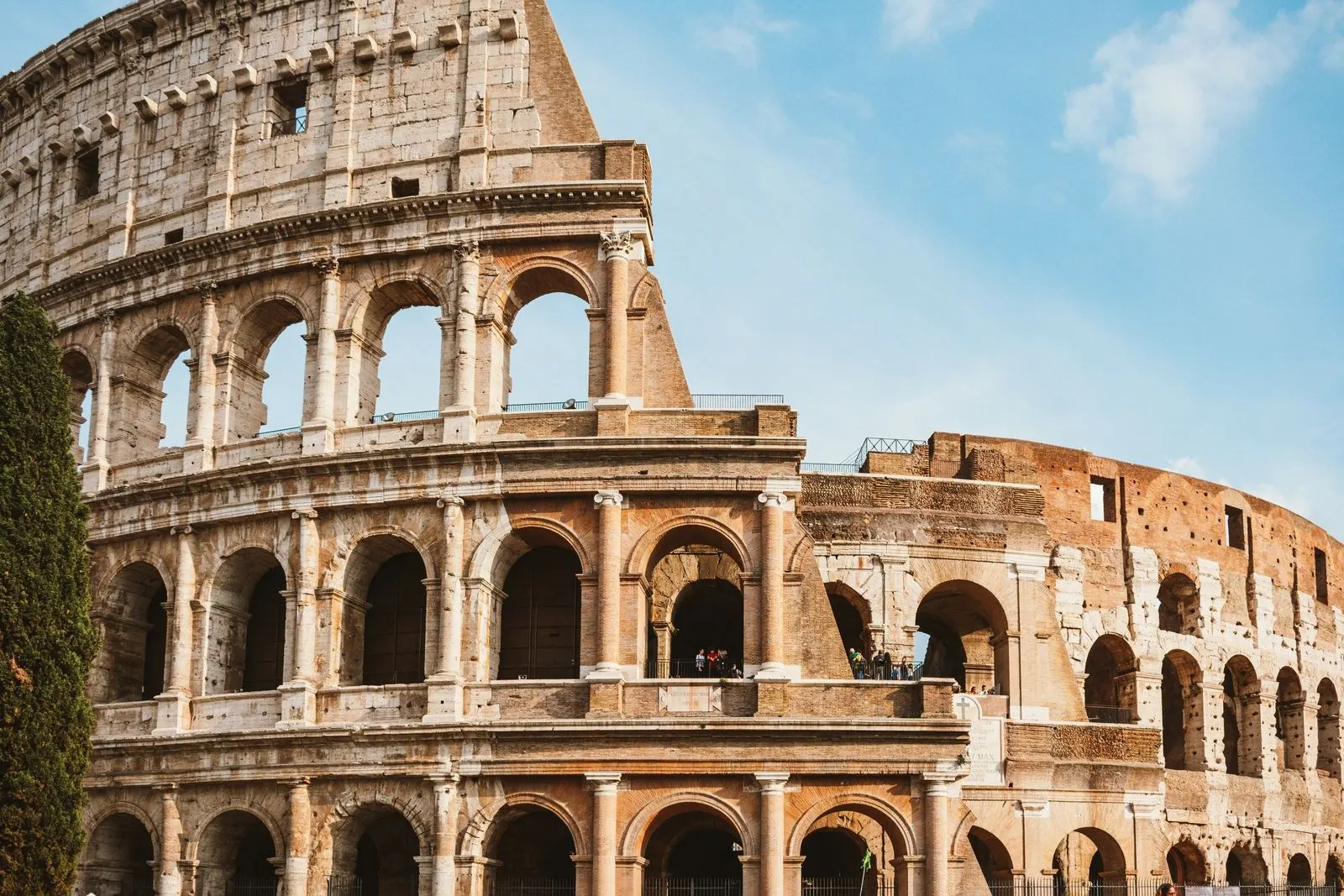 Rome to the south
Ancient cities, slow lunches and coastline made for lingering, from Rome and the Amalfi Coast down to Puglia.
Explore Italy →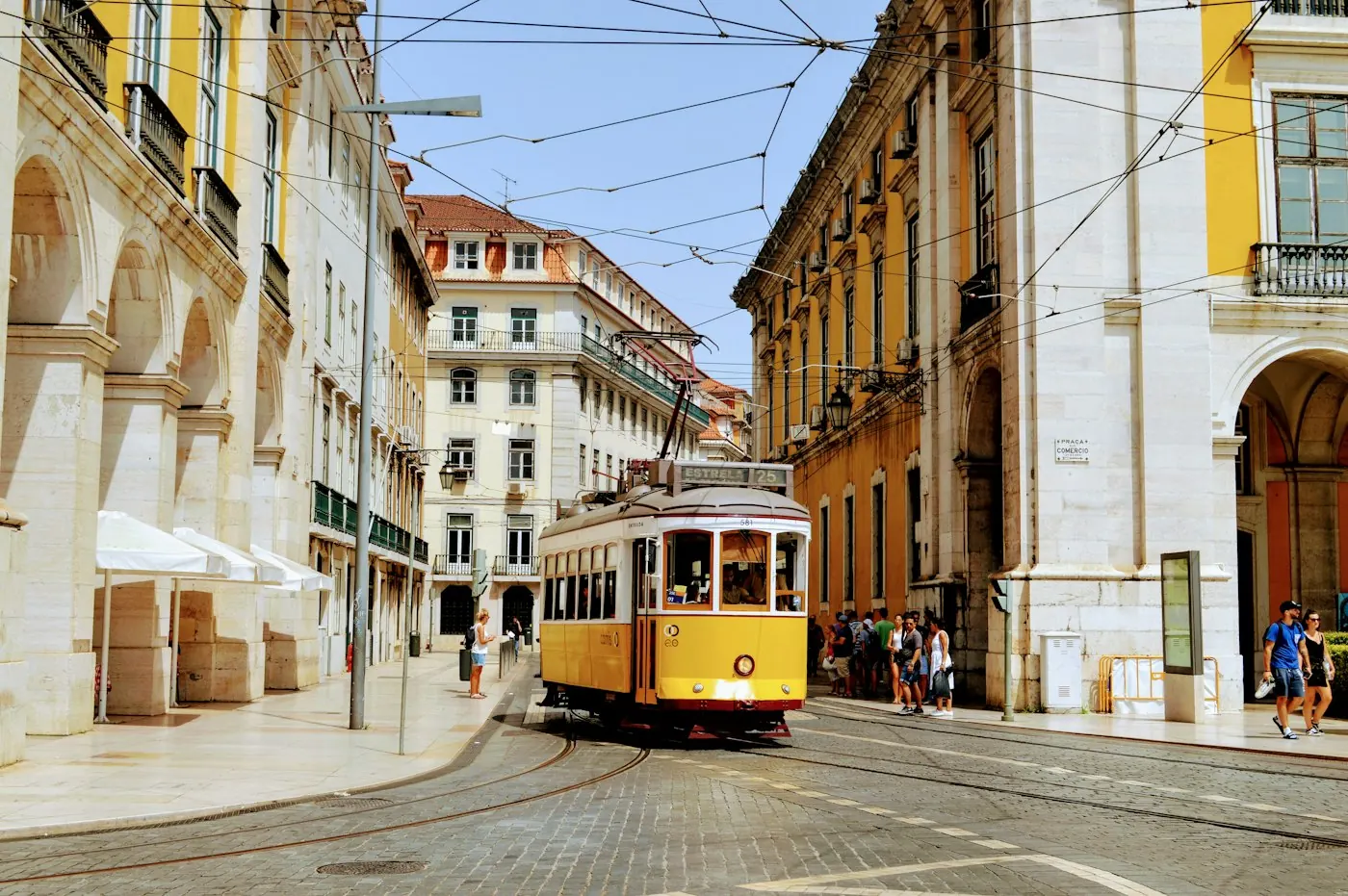 Lisbon & the Algarve
Tram lined streets in Lisbon, port wine cellars in Porto and golden cliffs along the Algarve.
Explore Portugal →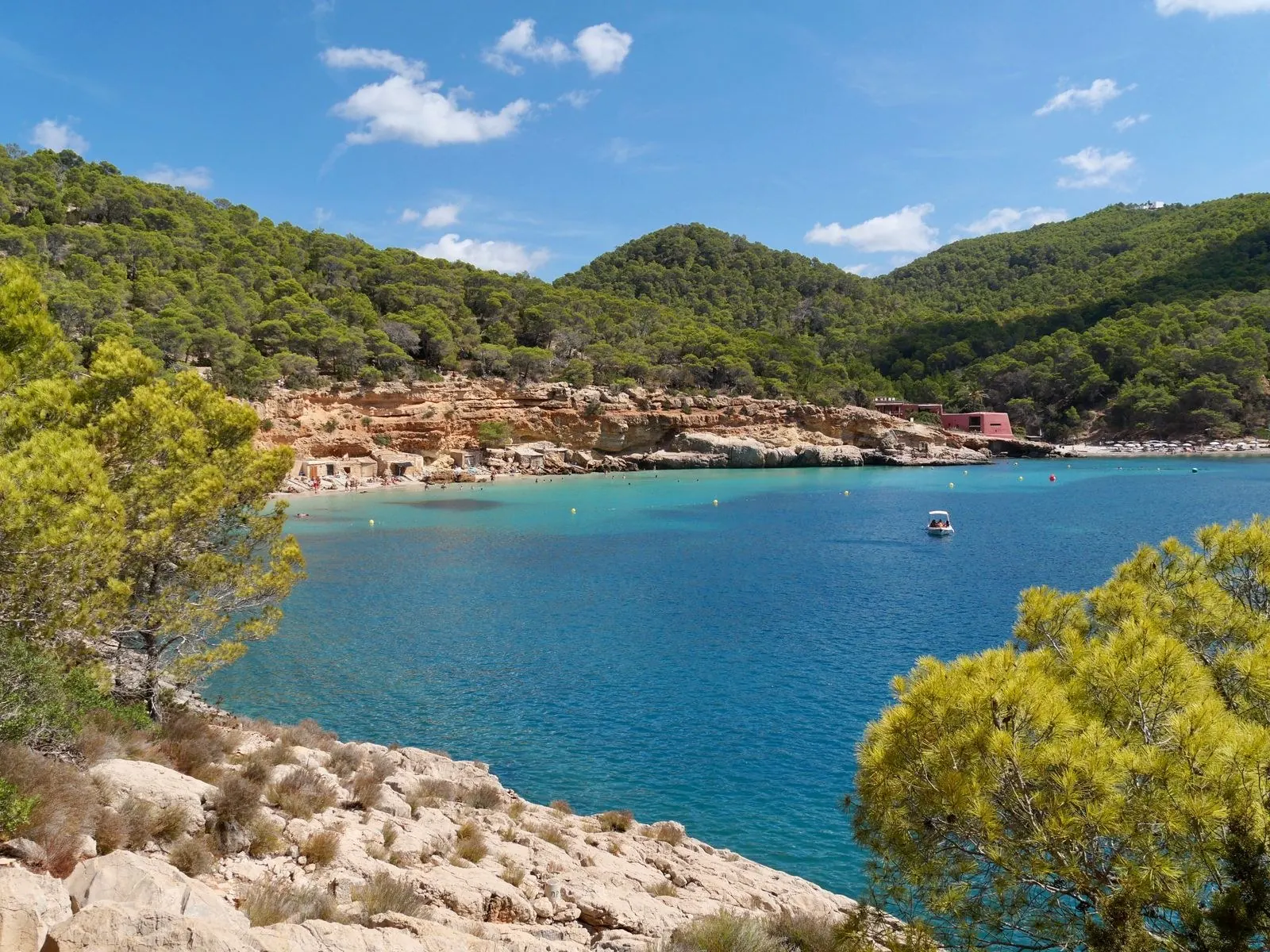 Coast & islands
Malta, Cyprus, the French Riviera, the Croatian coast and Montenegro, alongside Greece and Italy.
Explore Mediterranean →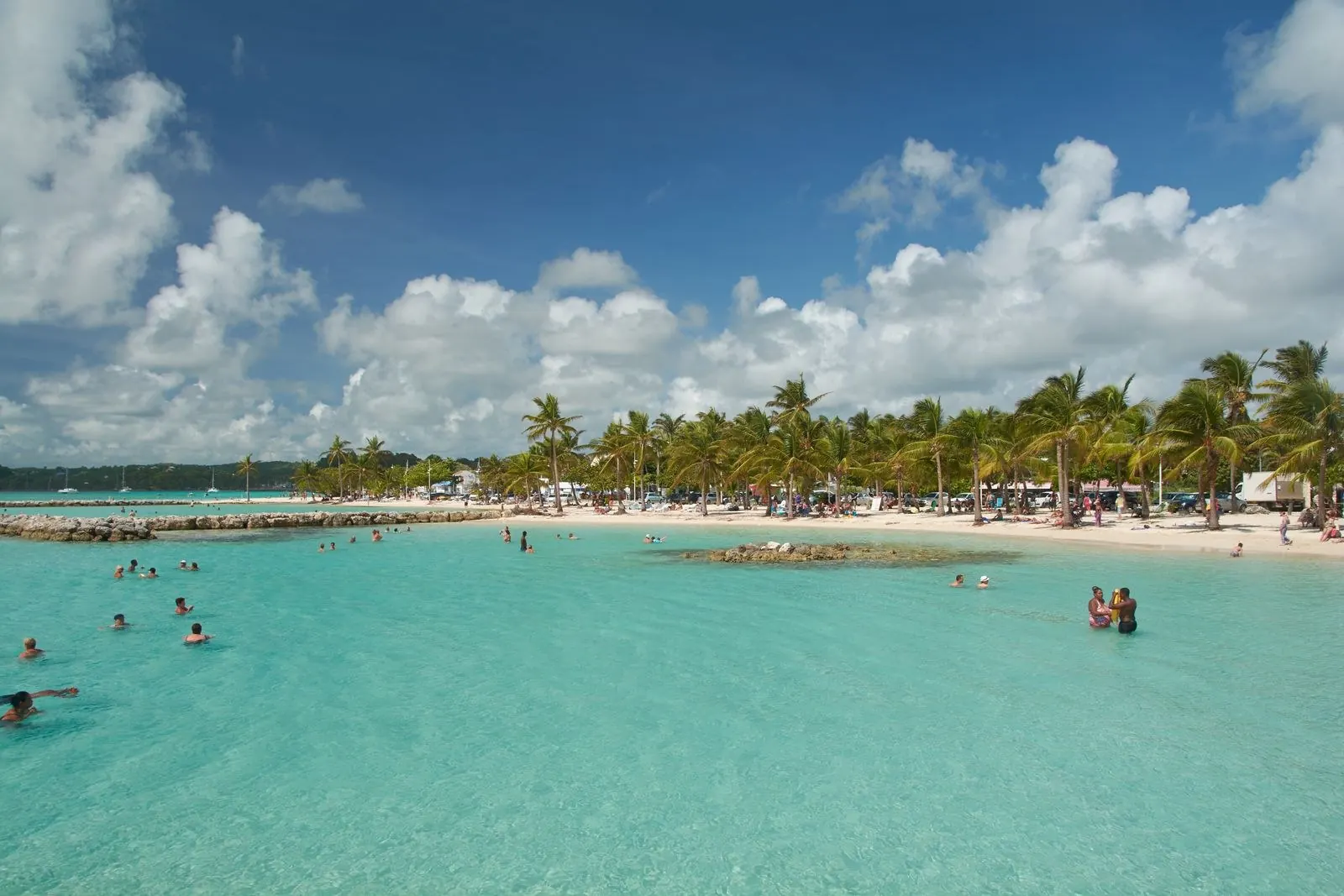 Island favourites
Not one island but dozens, each with its own beaches, resorts and rhythm. Tell us the trip you want and we'll match you to the right island.
Explore the Caribbean →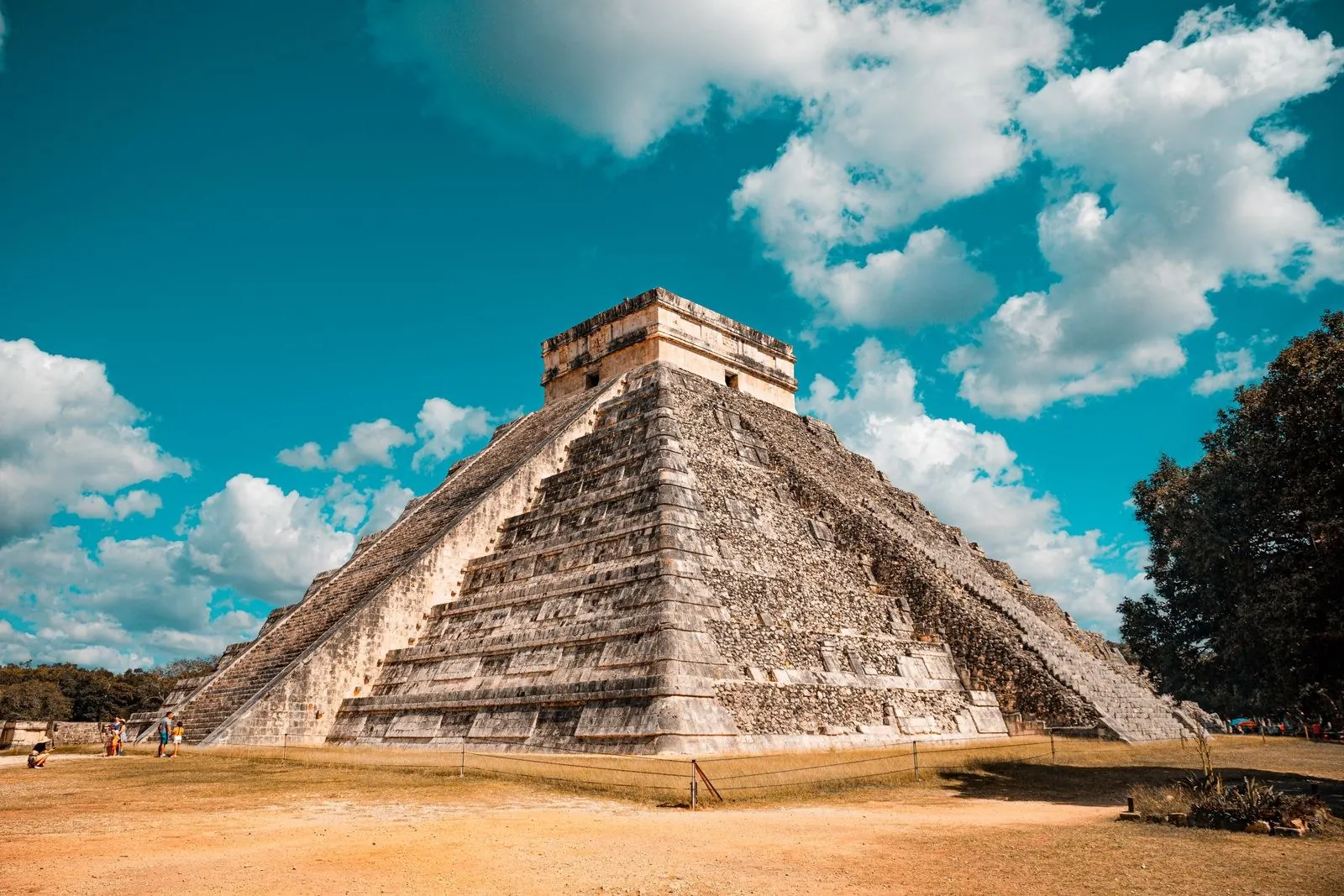 Cancún & Riviera Maya
Three coasts to choose from, plus the capital and more: Cancún and the Riviera Maya, Puerto Vallarta, Los Cabos, Mexico City, Cozumel, Guadalajara and Oaxaca.
Explore Mexico →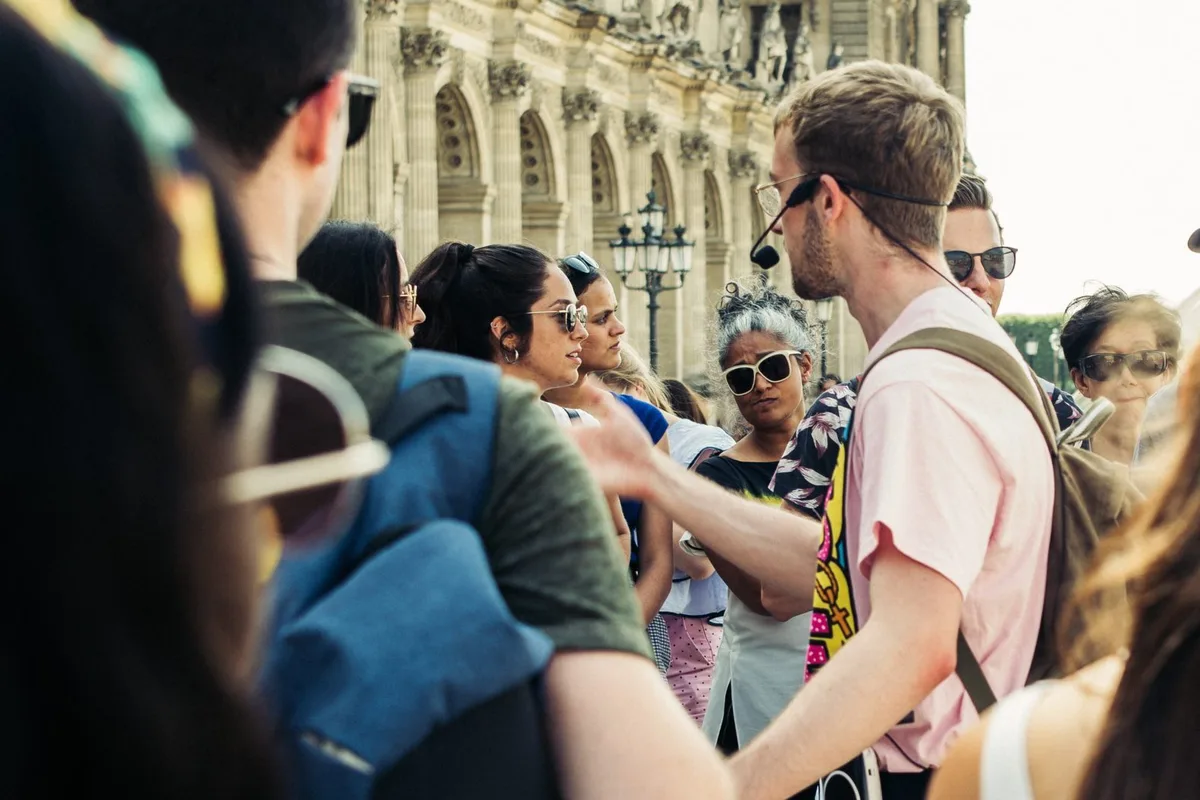 Guided & escorted
Guided tours that handle the logistics for you: expert guides, hand picked stops and everything booked in one itinerary, from single country trips to multi country journeys.
Get the Trafalgar brochure →Explore Tours →Travel brochures
Start with the brochures from our travel partners, find the trip you like, then ask us to price it for you at the lowest rate we can find.
Transat's Caribbean, Central and South America brochure for 2025 to 2026: resorts, collections and tours, hosted here as a PDF.
View the Transat brochure (PDF, 7 MB) →Dream of Sun: beach escapes and all inclusive resorts from Air Canada Vacations. The brochure PDF will be hosted here soon, and in the meantime we are happy to walk you through the collection.
Brochure PDF coming soonThe Bestsellers Collection 2025 to 2026: guided tours across Europe and beyond, with expert guides and every stop planned for you, hosted here as a PDF.
View the Trafalgar brochure (PDF, 17 MB) →Found a trip you like in a brochure? Ask us for a quote and we will price the same trip for you.
Destination stories
The places in Portugal, Greece and Italy that our travellers ask about most.
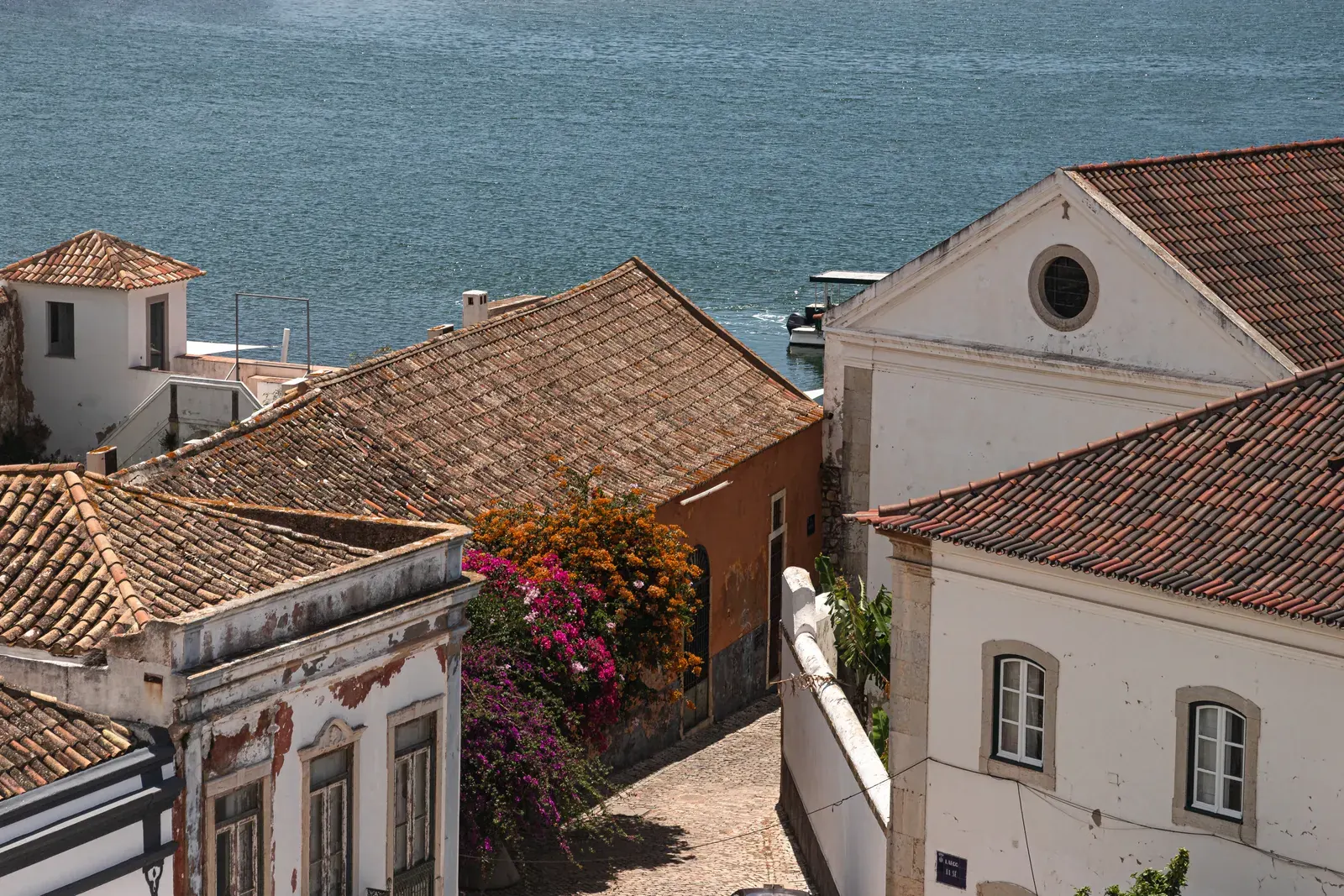 Portugal · Algarve
Inside the old town walls you will find a quiet cathedral square, cobbled lanes and a marina looking out over the lagoons of the Ria Formosa, with boat trips to the barrier islands minutes away.
Read the full Faro story →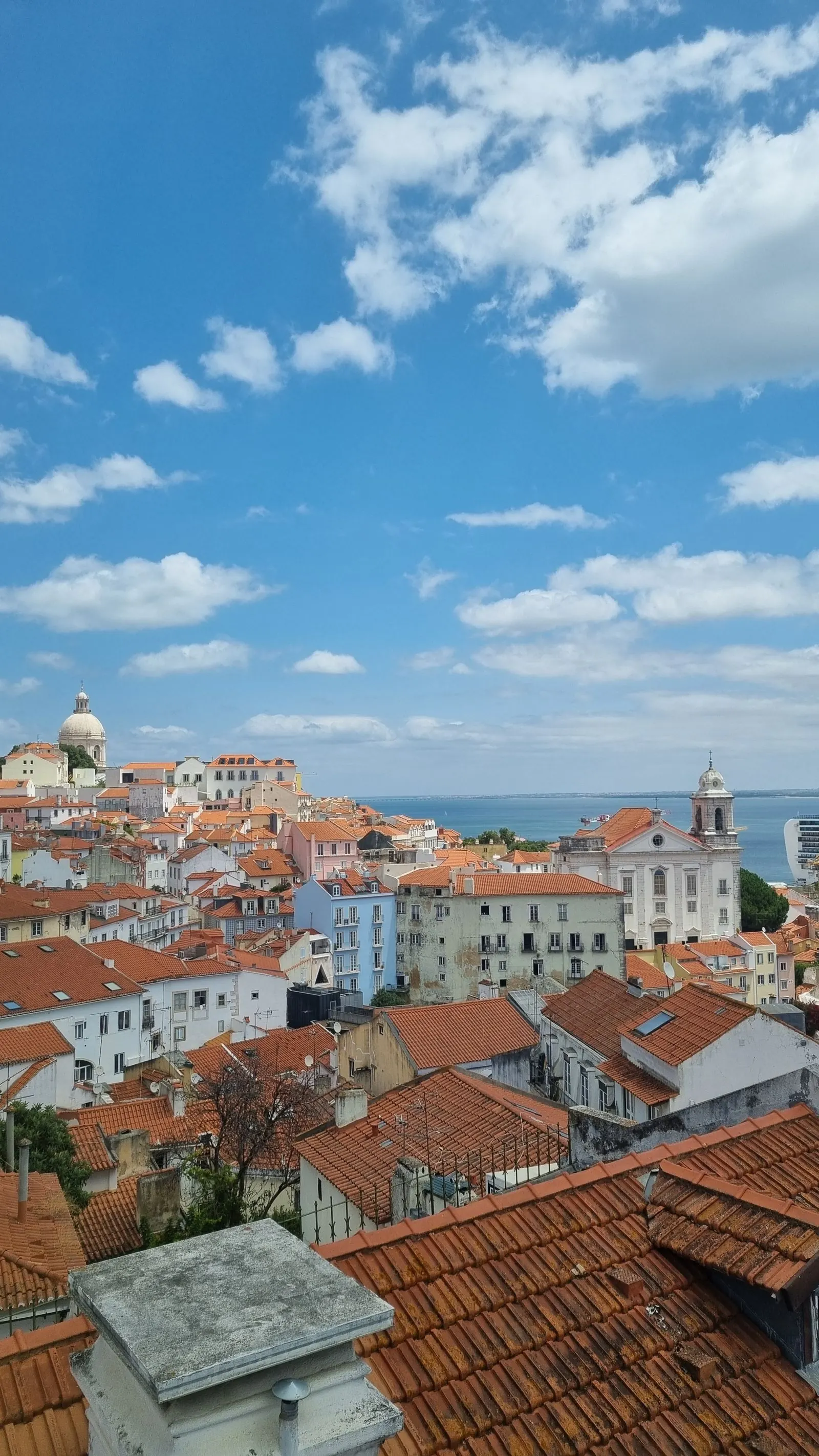 Portugal · The capital
Ride tram 28 through Alfama, take in the views from the miradouros, hear fado after dark, and save a morning for Belém and a warm pastel de nata straight from the oven.
Read the full Lisbon story →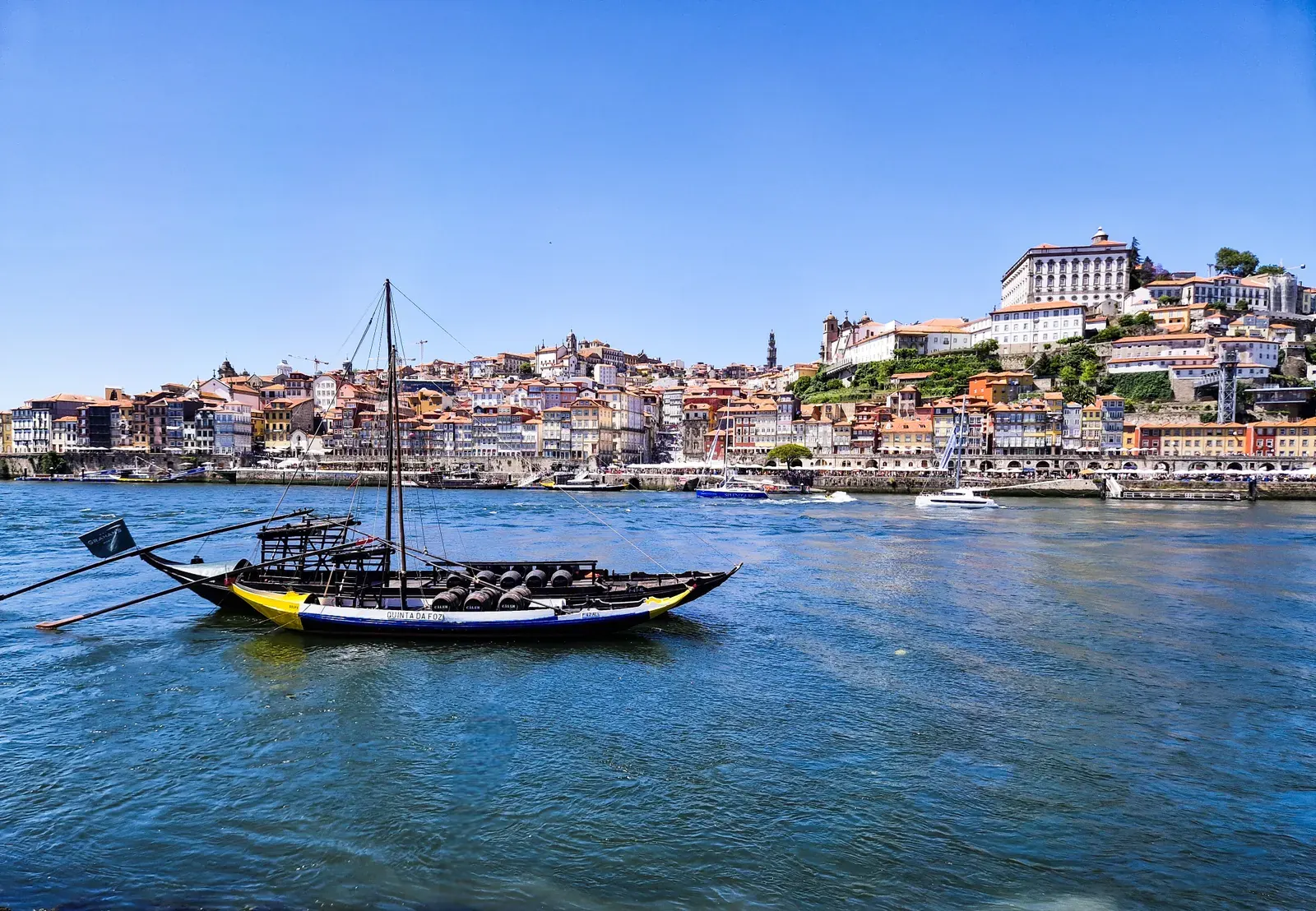 Portugal · Douro
Cross the Dom Luís I Bridge to the port cellars of Vila Nova de Gaia for a tasting, wander the Ribeira waterfront, and finish the day with a river cruise under the six bridges.
Read the full Porto story →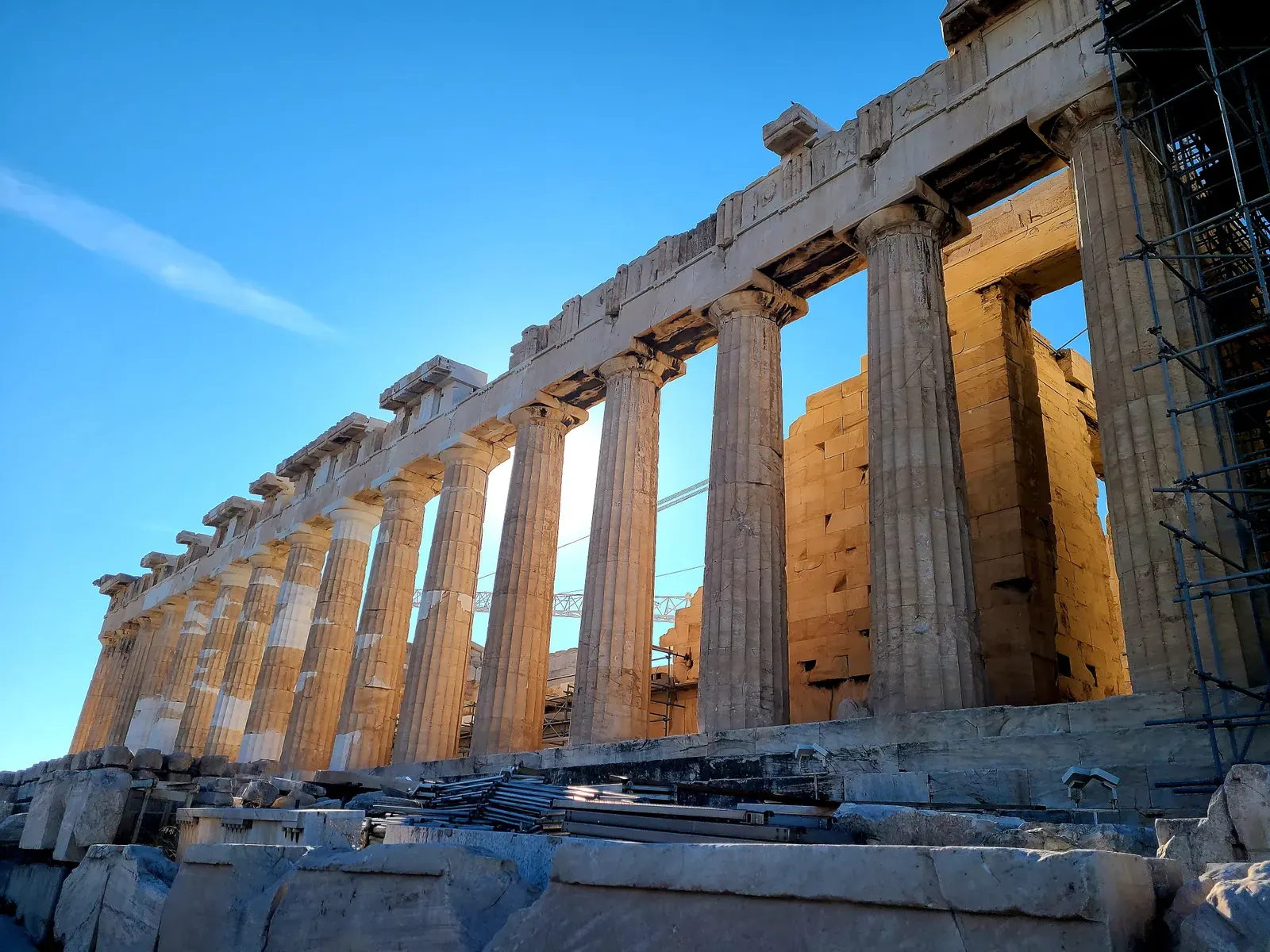 Greece · The capital
Start at the Acropolis and the Parthenon, wander the lanes of Plaka under its slopes, then settle into a taverna dinner. The natural first stop before the islands.
Read the full Athens story →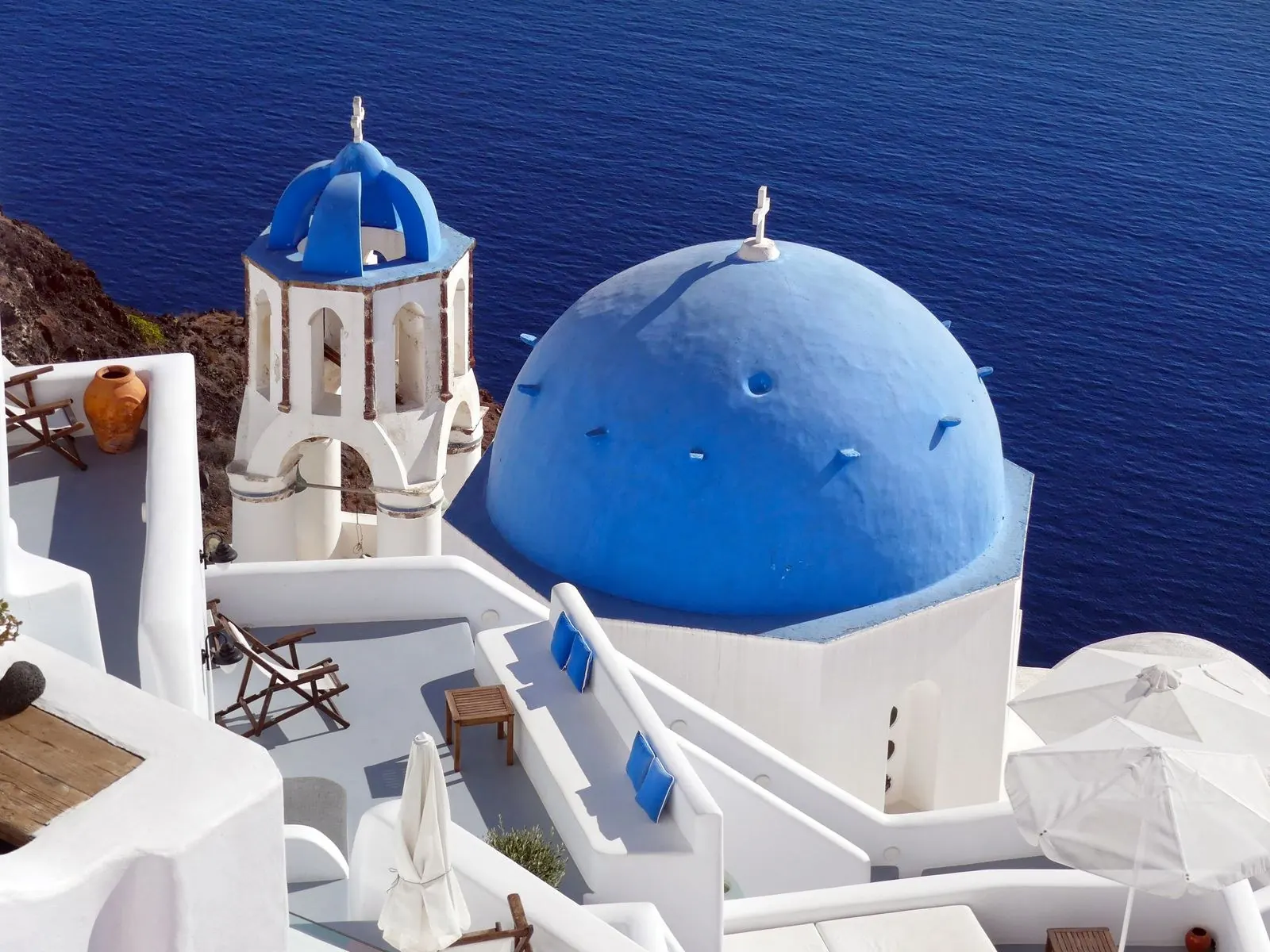 Greece · Caldera villages
White villages spill down the caldera cliffs in Fira and Oia, blue domes stand over a deep blue sea, and the whole island stops for sunset. The Greek island everyone pictures, and it earns it.
Read the full Santorini story →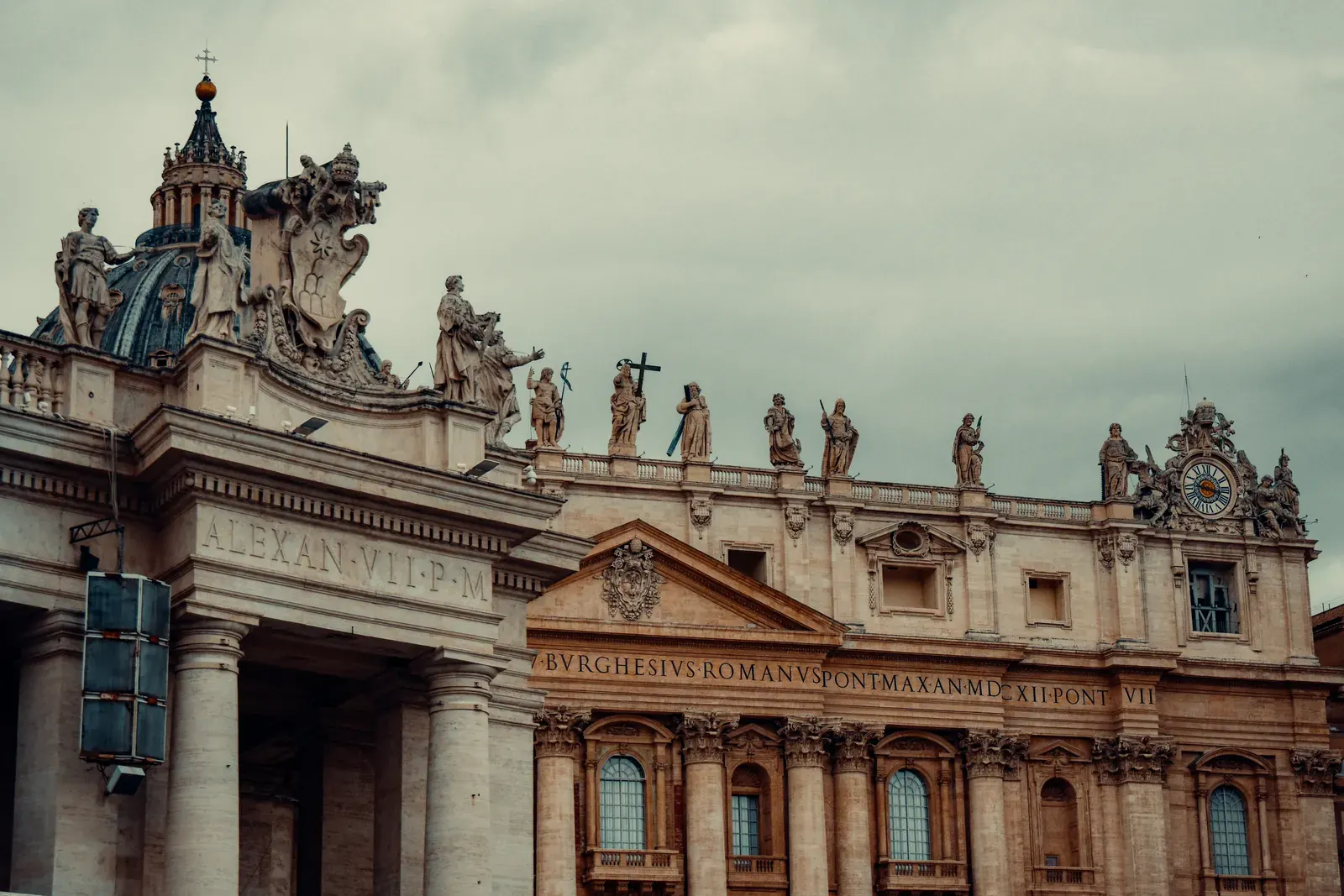 Italy · The Eternal City
The Colosseum and the Forum in the morning, the Vatican Museums and St Peter's Basilica after, then an evening stroll past the Trevi Fountain to a trattoria in Trastevere.
Read the full Rome story →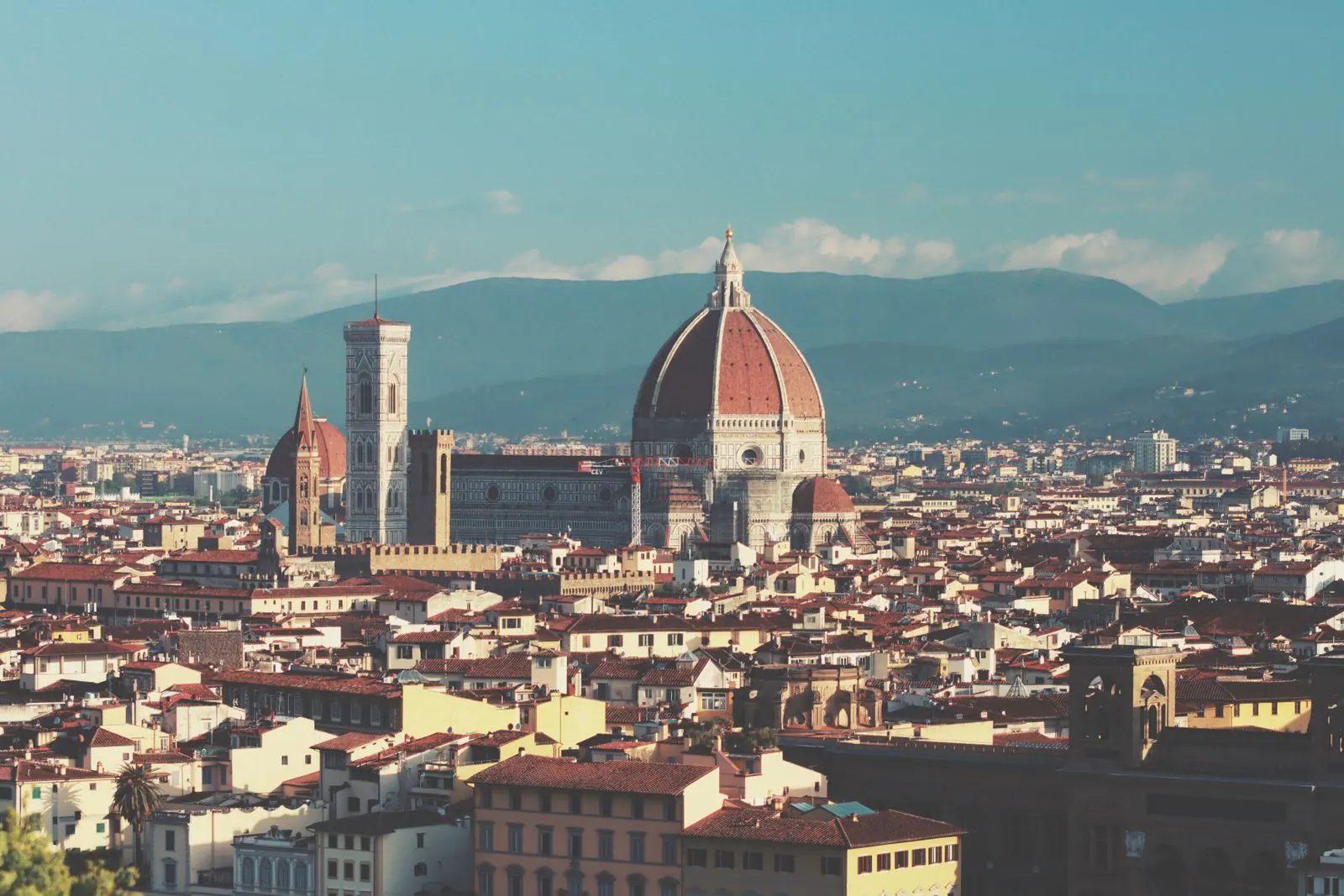 Italy · Renaissance heart
Brunelleschi's dome rises over it all, Michelangelo's David waits in the Accademia, and the Uffizi holds room after room of masterpieces. Cross the Ponte Vecchio at sunset.
Read the full Florence story →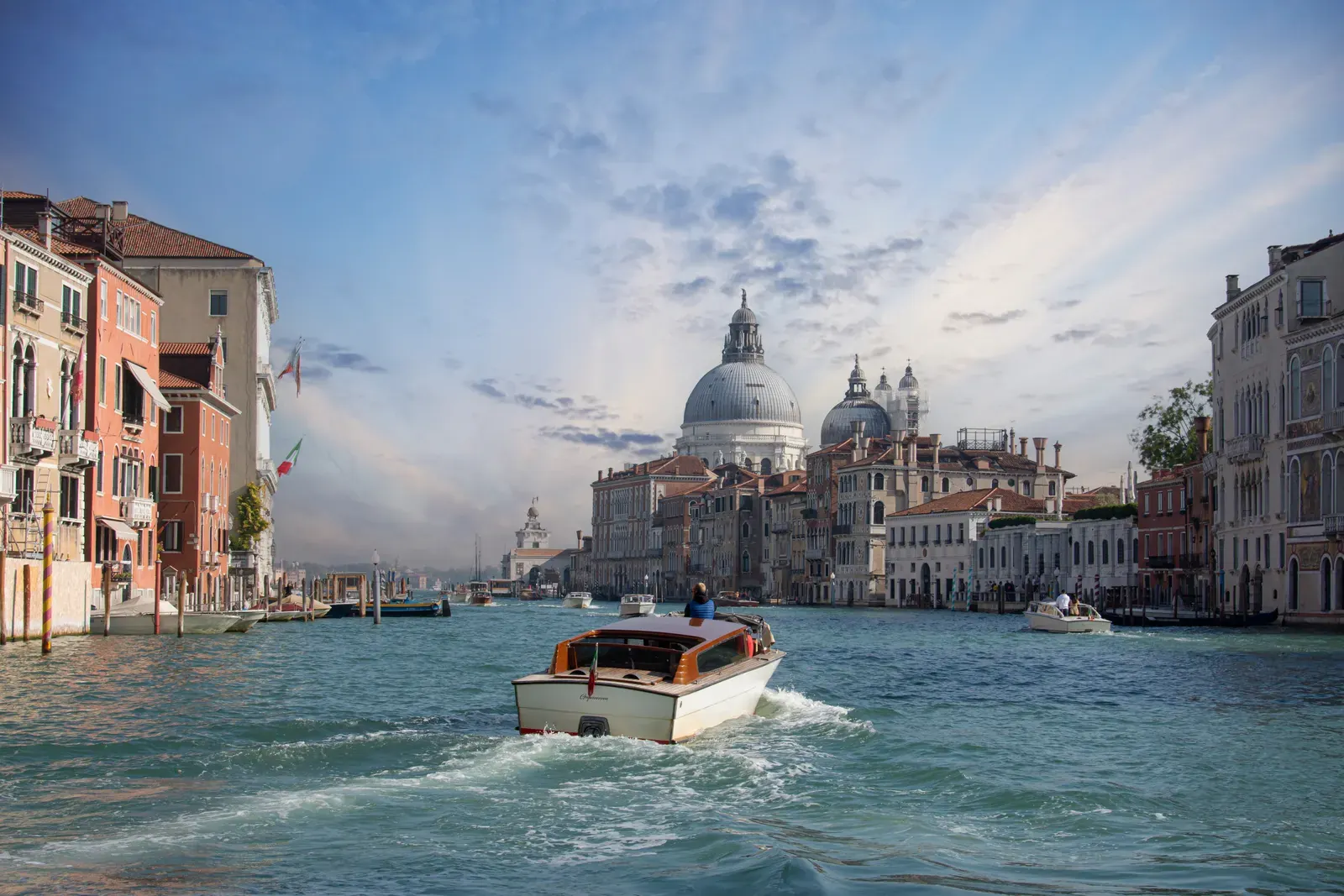 Italy · City of canals
Glide down the Grand Canal past palaces, cross to St Mark's Square for the basilica and the Doge's Palace, then lose yourself in the quiet back canals where Venetians actually live.
Read the full Venice story →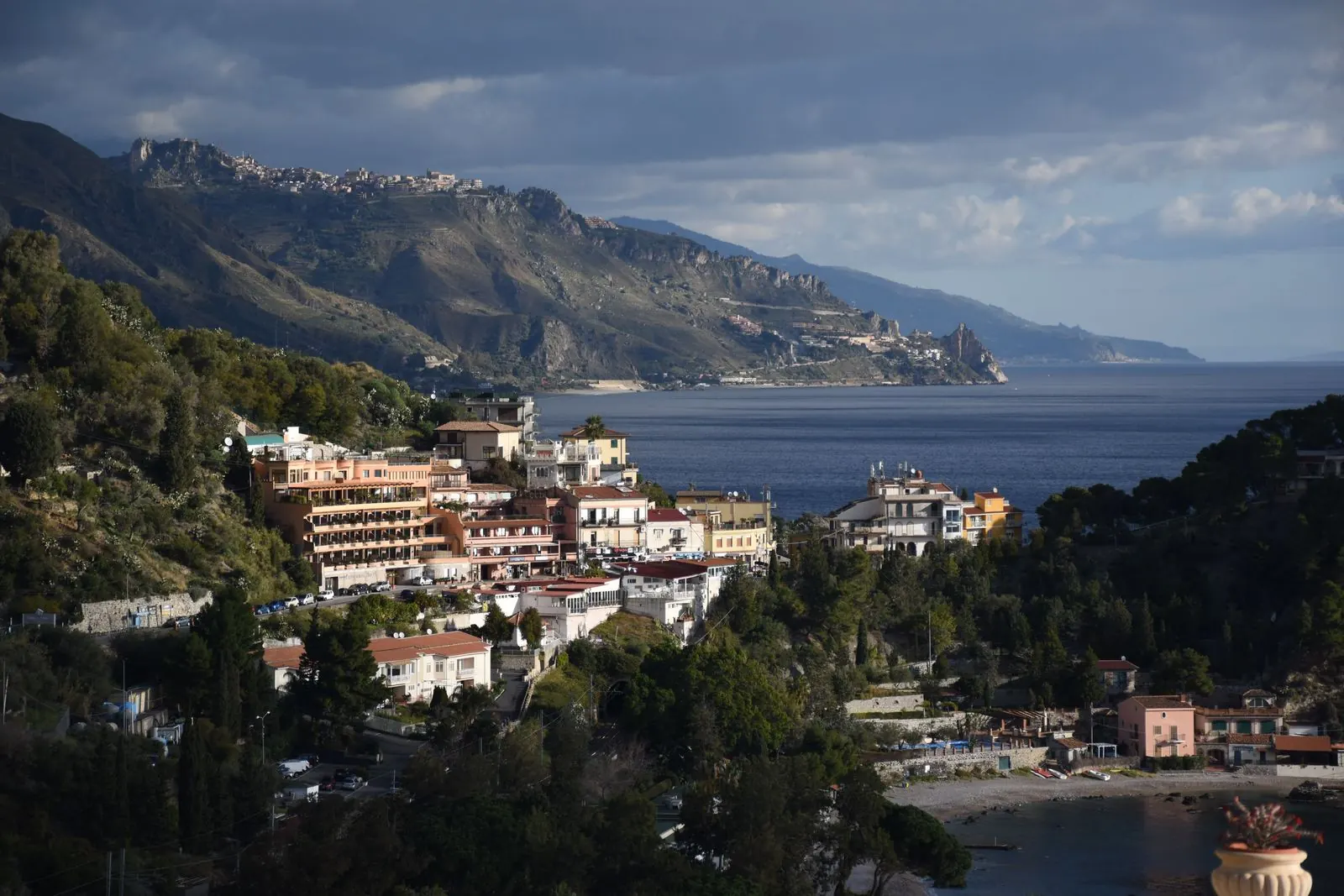 Italy · Taormina and beyond
Taormina pairs a Greek theatre with views of Mount Etna and the Ionian Sea, Palermo brings markets and Norman palaces, and the beaches, vineyards and baroque towns can fill weeks.
Read the full Sicily story →What we do
One conversation covers the whole trip, so the pieces actually fit together.
Routes and fares compared across airlines, with sensible connections, not just the cheapest headline price.
Flight + hotel + transfers bundled together, often for less than booking each piece on your own.
Ocean and river sailings matched to how you like to travel, including ship, cabin and itinerary advice.
Destination weddings and honeymoons in Southern Italy, South Africa, Canada, the USA and beyond.
Family reunions, friends' trips and group getaways. One plan, one point of contact, no spreadsheet chaos.
Honest guidance on timing, documents and travel protection. Before you fly, not after something goes wrong.
How it works
Destination, dates, who's going: by phone, in person, or online.
We compare suppliers and build options around your budget and how you travel.
Flights, stays, transfers and extras confirmed in one clean itinerary.
We check the details with you before departure, so travel day is seamless.
Our partners
We book with these airlines, so your trip is backed by the best in the industry. We are IATA accredited and TICO licensed.
 Air Canada
 Air Transat
 WestJet
 Porter Airlines
 American Airlines
 Delta Air Lines
 United Airlines
 Southwest Airlines
 Alaska Airlines
 Caribbean Airlines
 Bahamasair
 Cayman Airways
 Lufthansa
 SWISS
 British Airways
 Virgin Atlantic
 Air France
 KLM
 Iberia
 TAP Air Portugal
 Turkish Airlines
Tell us the trip and we'll price it out at the lowest rate we can find. No pressure, no obligation.
Our most requested trips.
Santorini and the islands
Athens, Santorini, Mykonos, Crete, Rhodes and six more stops, plus tours, transfers and internal flights.
Explore Greece →Rome to the south
Rome, Florence, Venice and Sicily, plus the Amalfi Coast, Milan, Naples and Pompeii, Cinque Terre, Lake Como and Bologna.
Explore Italy →Lisbon and the Algarve
Faro, Lisbon and Porto, plus Madeira, the Azores, Sintra and the Douro Valley, plus tours, transfers and internal flights.
Explore Portugal →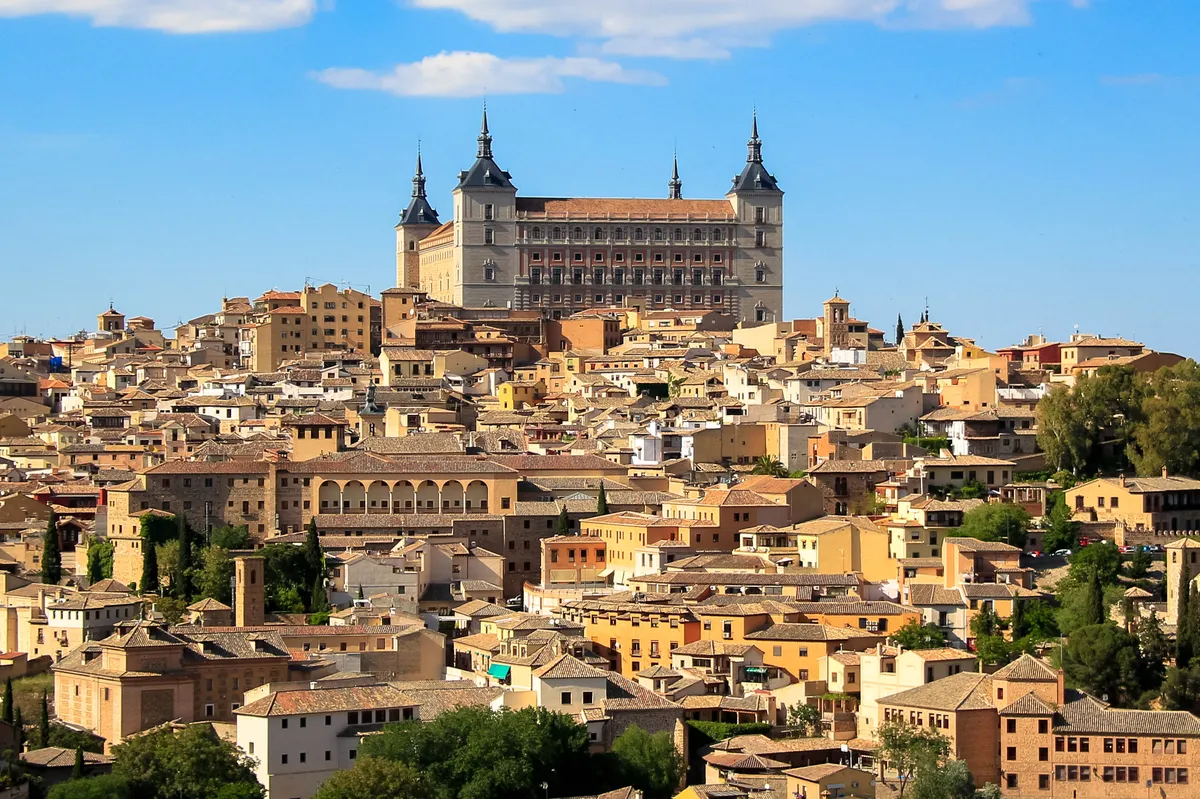 Madrid & Barcelona
Gaudí colour in Barcelona, tapas in Madrid and long Mediterranean beach days in between.
Explore Spain →Coast and islands
Malta, Cyprus, the French Riviera, the Croatian coast and Montenegro, alongside Greece and Italy.
Explore Mediterranean →Island favourites
Thirteen major islands plus Costa Rica and Panama, plus the Transat and Air Canada Vacations brochures for sun trips.
Explore the Caribbean →Cancún & Riviera Maya
Cancún and Riviera Maya, Puerto Vallarta and Los Cabos, plus Mexico City, Cozumel, Guadalajara and Oaxaca, plus the Transat and Air Canada Vacations brochures.
Explore Mexico →Guided and escorted
Guided tours that handle the logistics for you, and the Trafalgar brochure to browse first.
Explore Tours →Europe
Great cities, deep history and food worth travelling for, from one island stop to a full multi country tour.
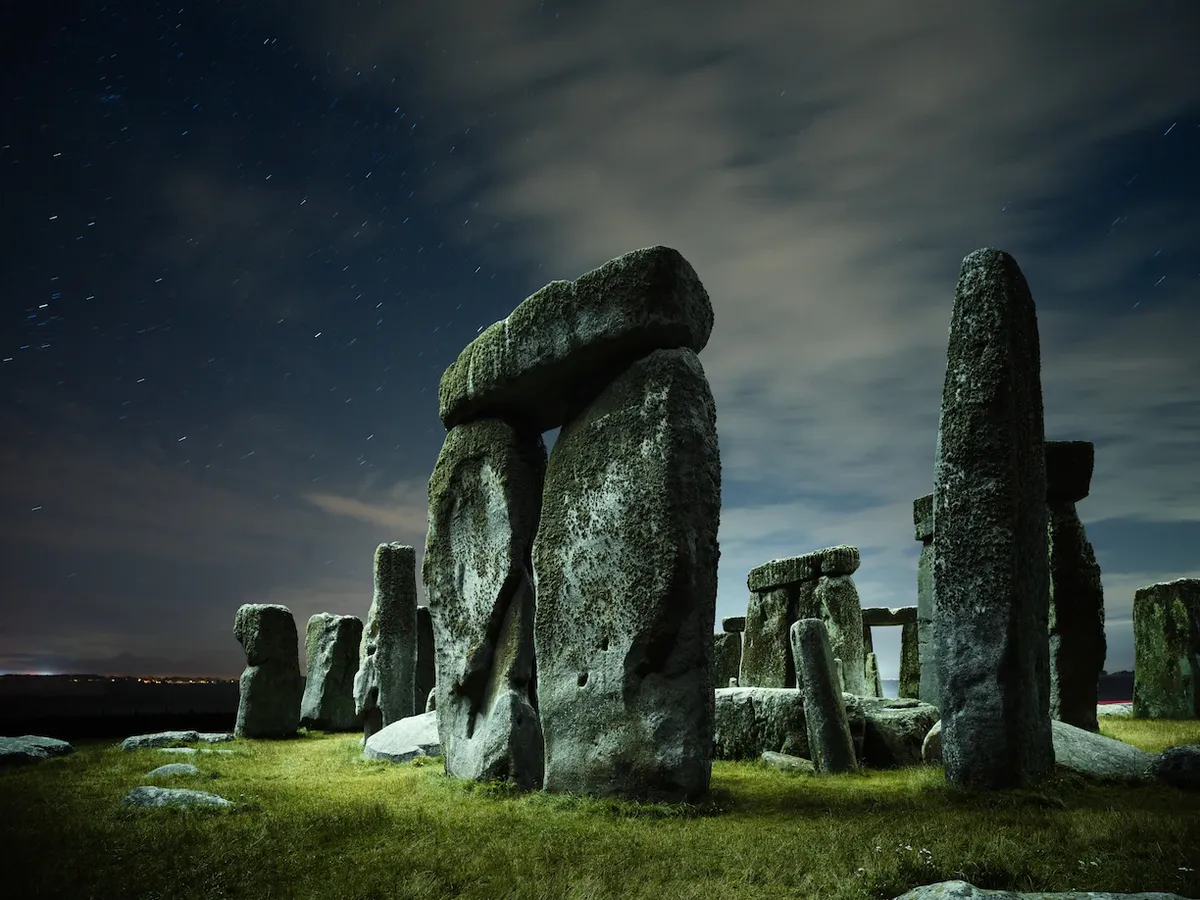 London & beyond
London icons, country pubs and castle country, with Scotland and Wales easy to add to the same trip.
Explore United Kingdom →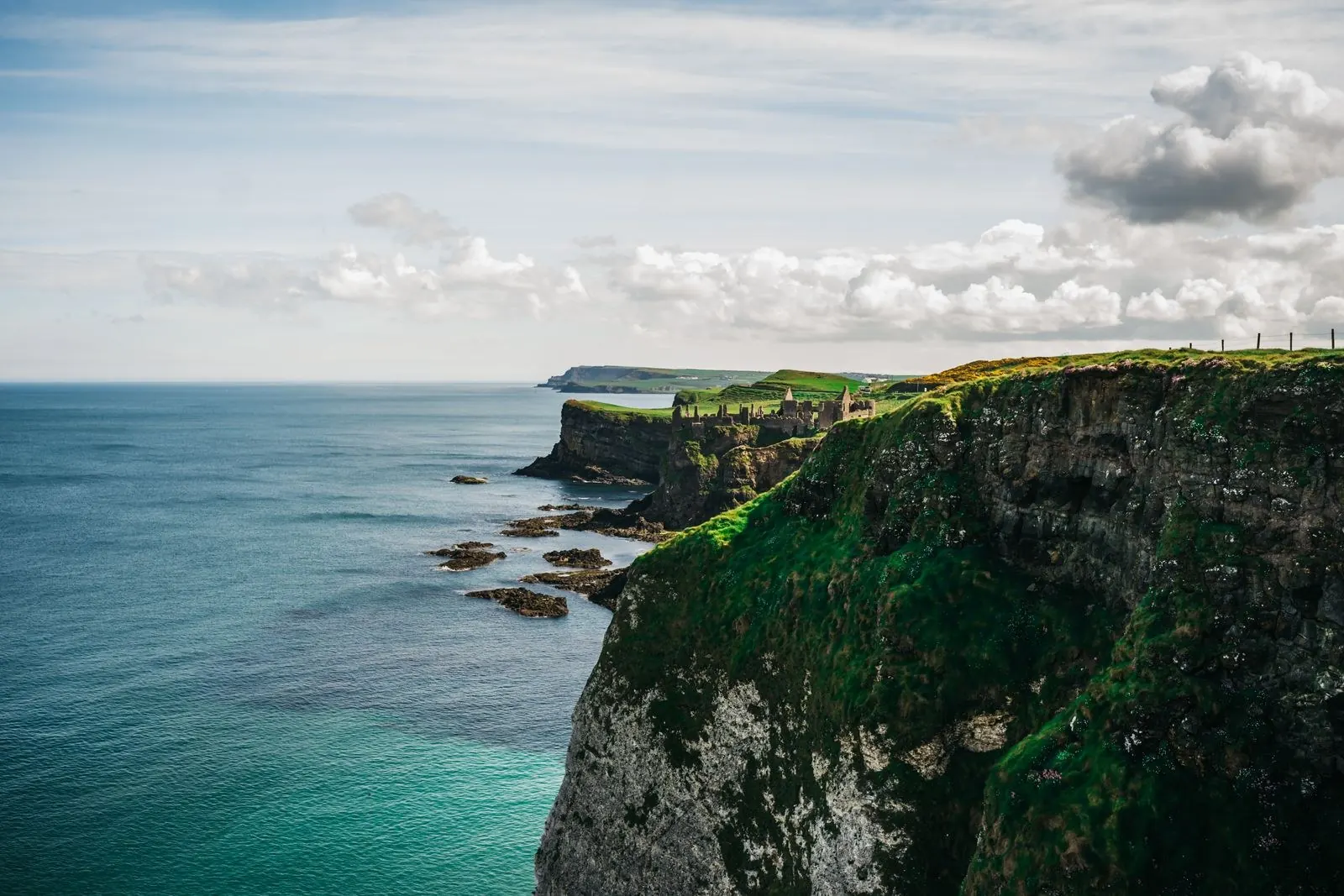 Wild Atlantic Way
Cliff tops, cozy pubs and green coastal drives. Ireland rewards travellers who take it slow.
Explore Ireland →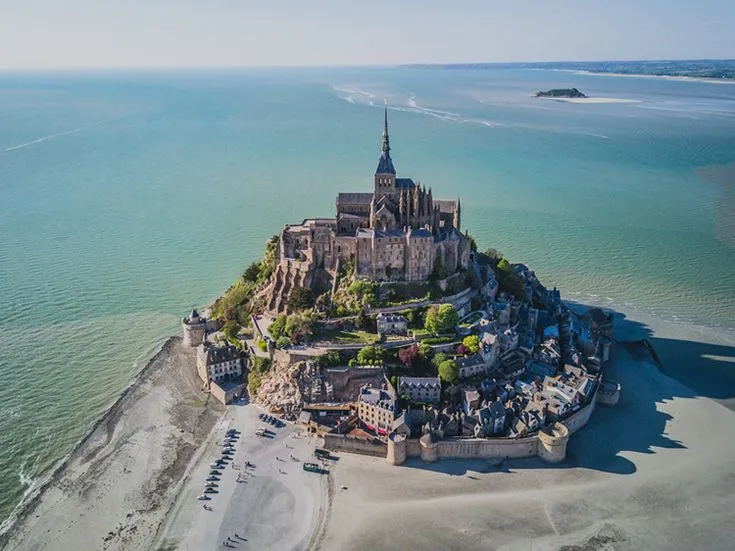 Paris & the Riviera
Paris for the icons and the café mornings, then Provence and the Riviera for markets, lavender and sea air.
Explore France →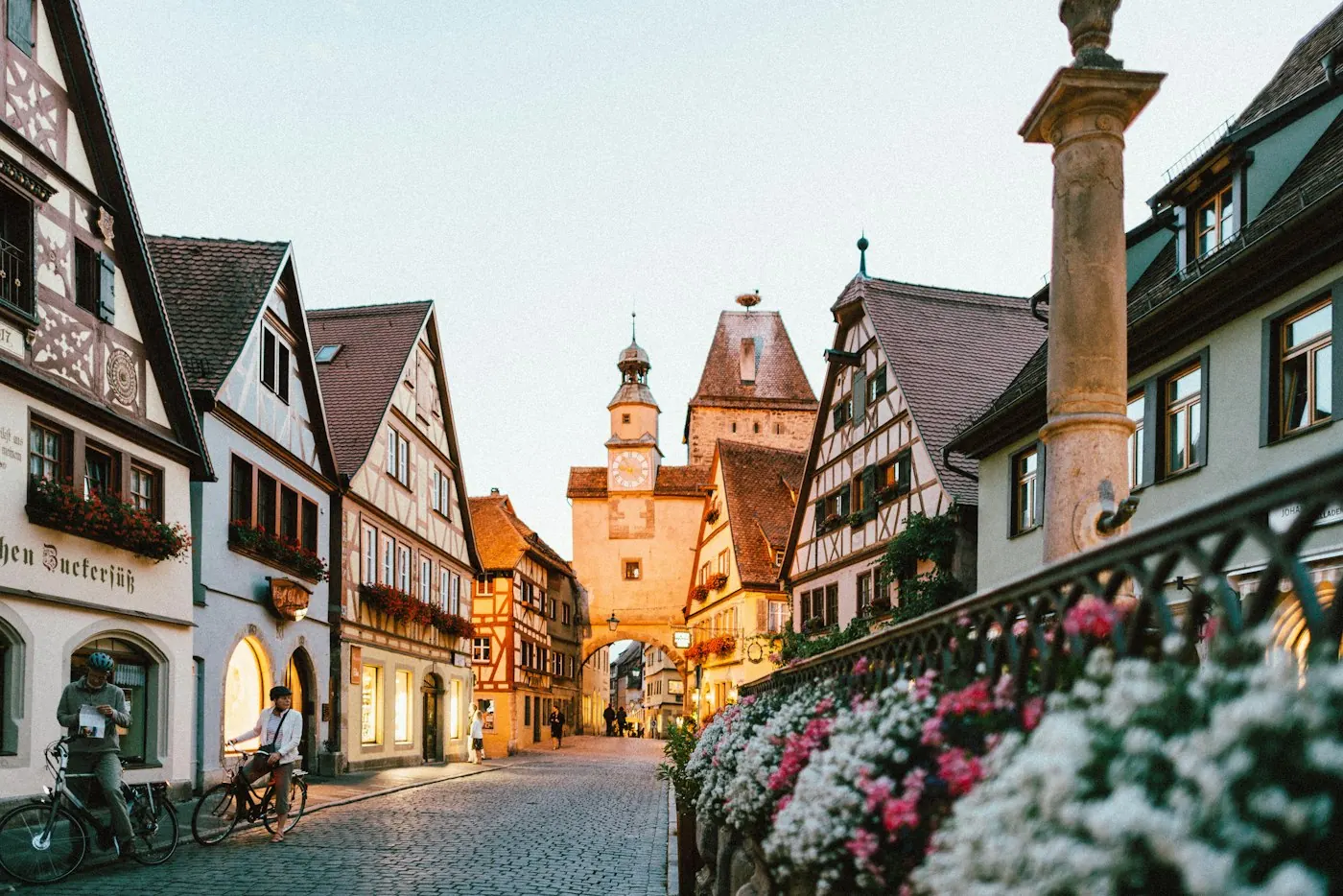 Bavaria & the Rhine
Fairytale castles, beer gardens and river valleys, with Berlin and Munich when you want city energy.
Explore Germany →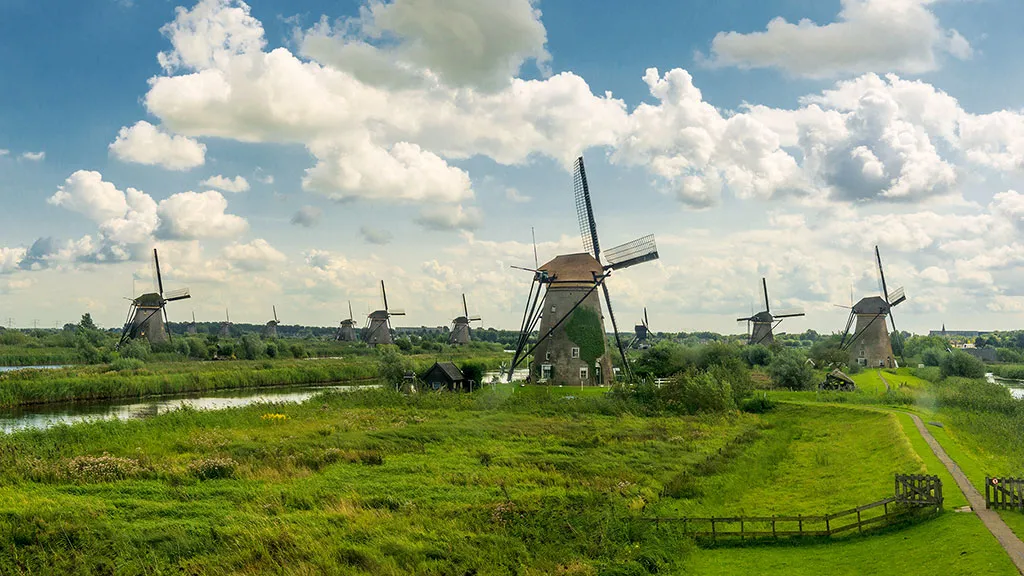 Amsterdam & beyond
Canals, bicycles and world class museums in Amsterdam, with tulip fields and windmills just beyond the city.
Explore Netherlands →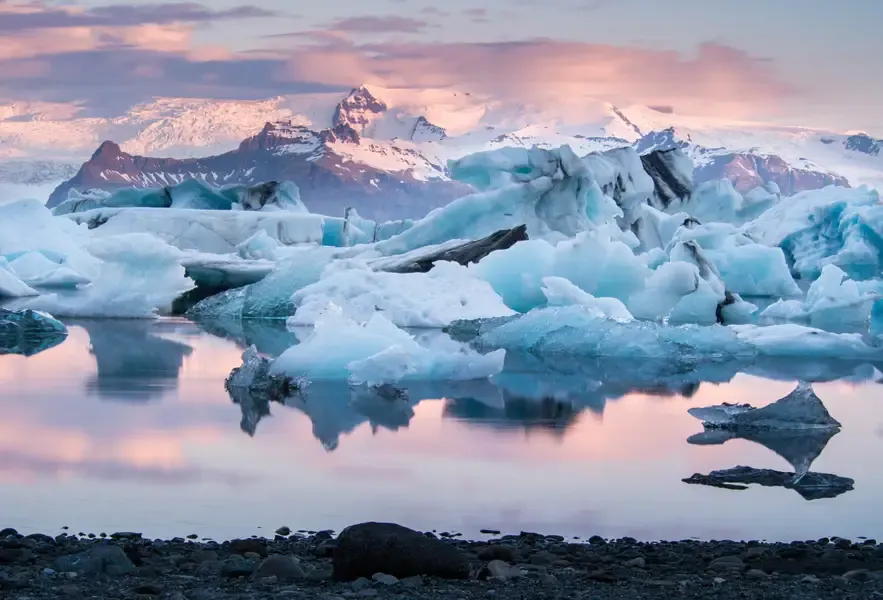 Waterfalls & the Ring Road
Waterfalls you can walk behind, black sand beaches and hot lagoons under big northern skies.
Explore Iceland →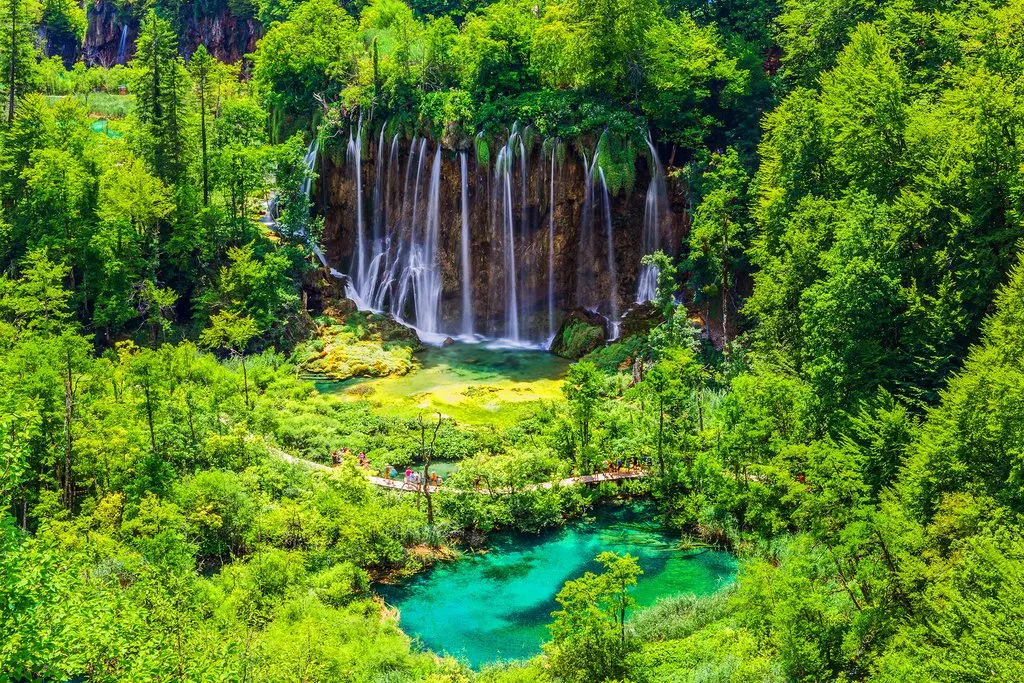 Dubrovnik & the Dalmatian Coast
Walled old towns, red rooftops and clear Adriatic water, made for island hopping by ferry.
Explore Croatia →Asia and the Pacific
Bigger trips that reward a little planning: temples, street food, reefs and scenery on a grand scale.
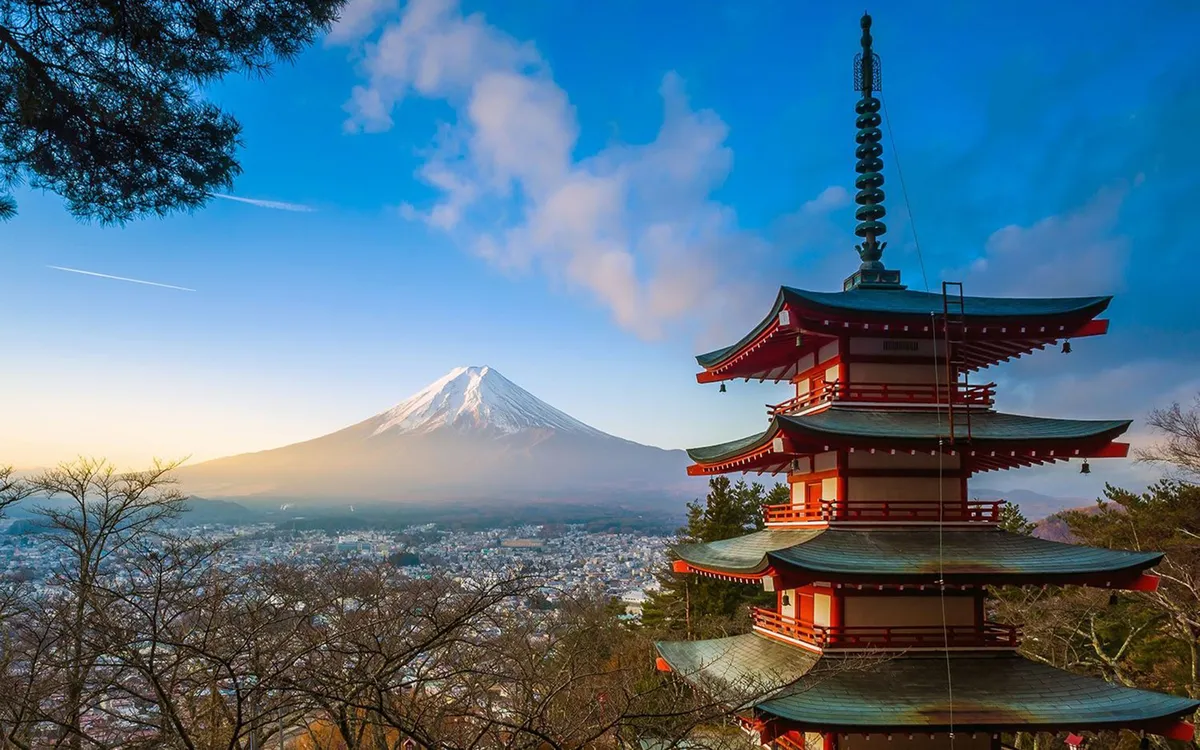 Tokyo & Kyoto
Bullet trains between neon cities and quiet temples, cherry blossom in spring and maples in the fall.
Explore Japan →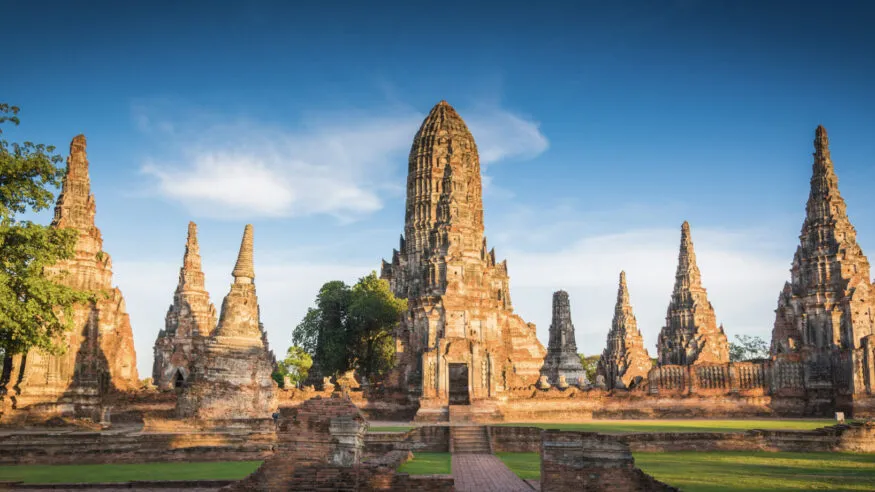 Bangkok & the islands
Temple mornings and street food in Bangkok, then longtail boats and limestone islands in the south.
Explore Thailand →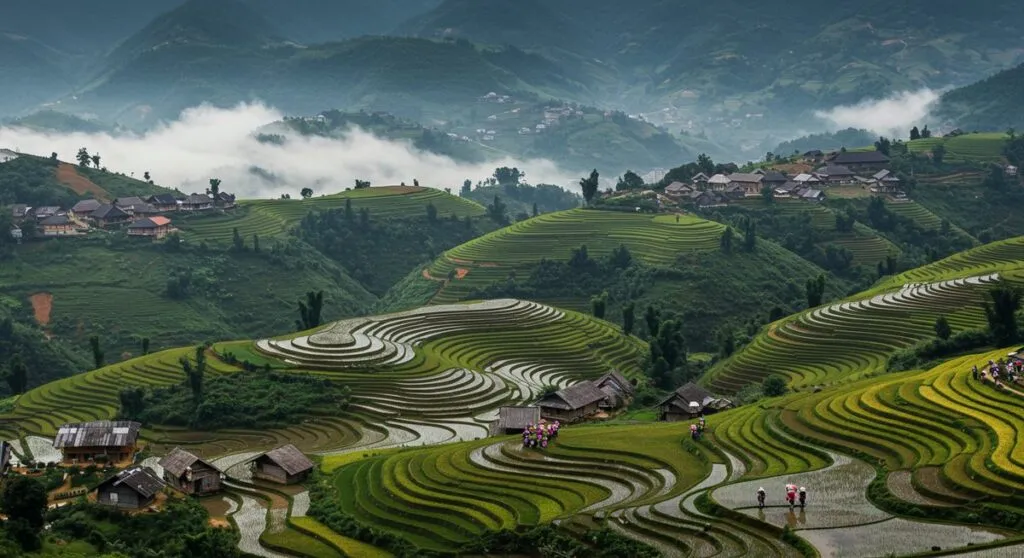 Ha Long Bay & Hoi An
Sail Ha Long Bay, wander lantern lit Hoi An and eat your way through Hanoi and Saigon.
Explore Vietnam →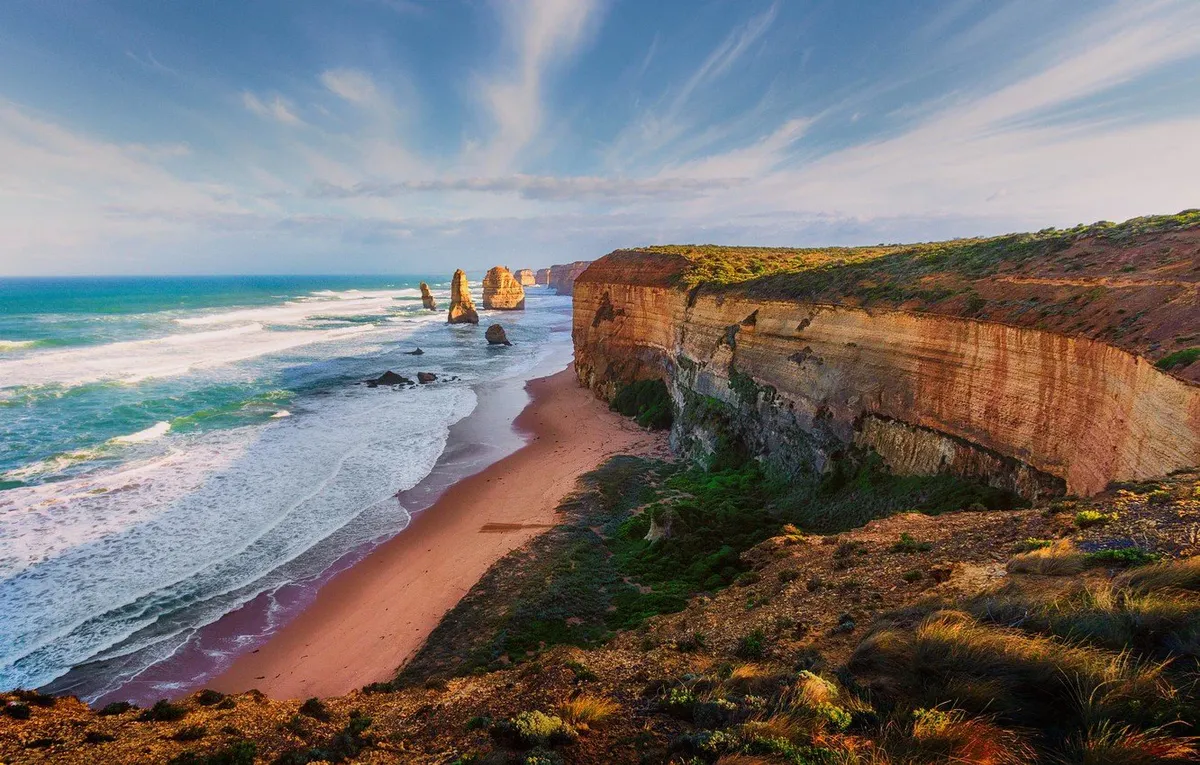 Reef & coastal drives
Great Barrier Reef days, long coastal road trips and easygoing cities, paced so the trip never feels rushed.
Explore Australia →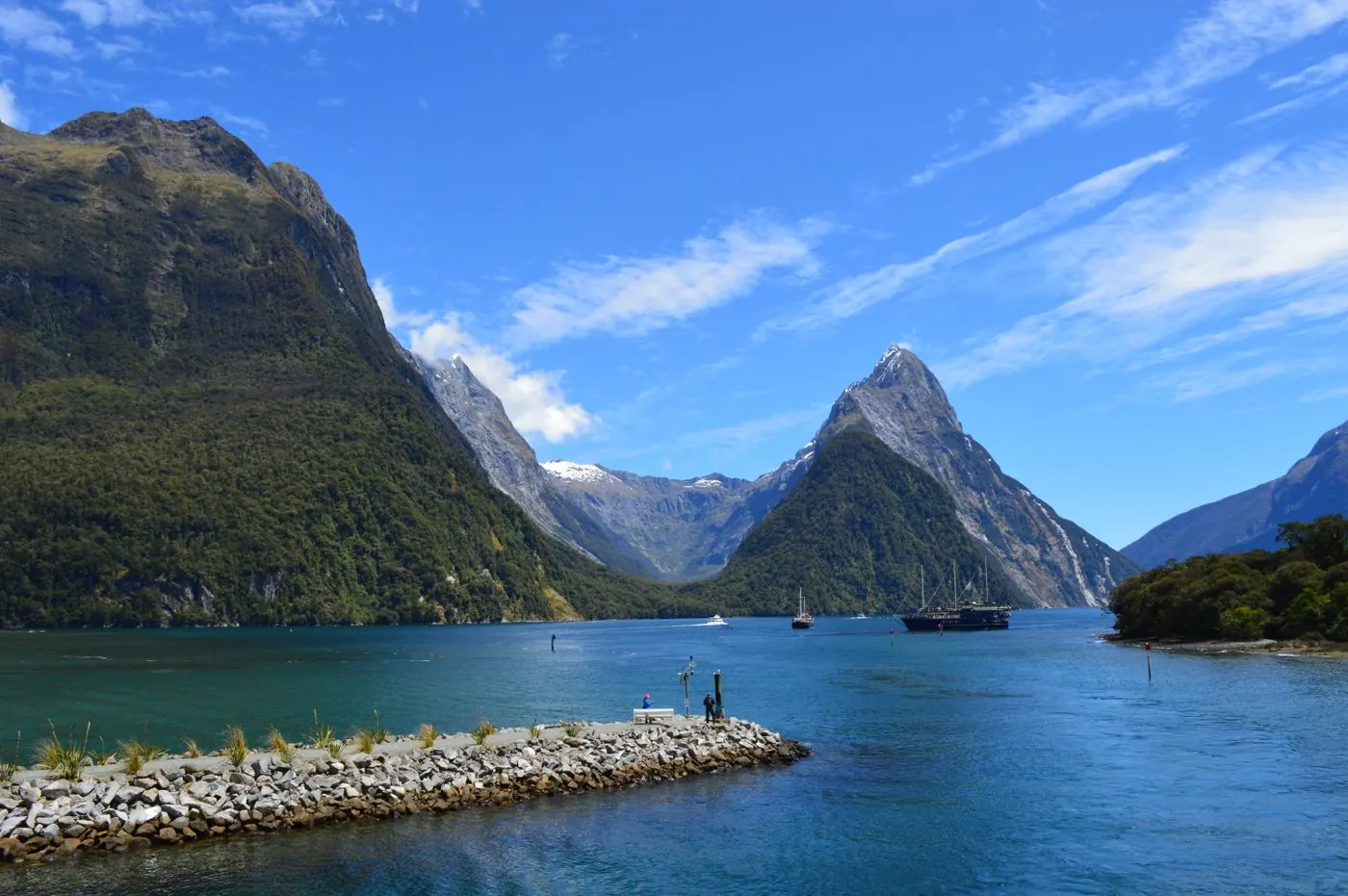 Milford Sound & the South Island
Fjords, alpine lakes and some of the finest road trip scenery anywhere on earth.
Explore New Zealand →Close to home
World class trips that start with a short flight or a tank of gas.
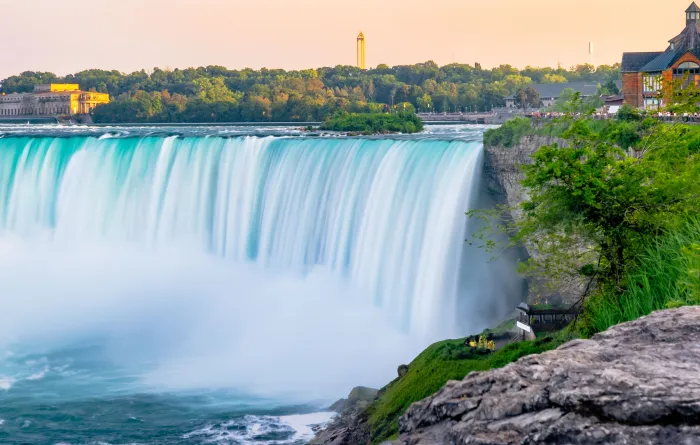 Coast to coast
Mountain lakes, coastal escapes and spa weekends. World class trips without the long haul flight.
Explore Canada →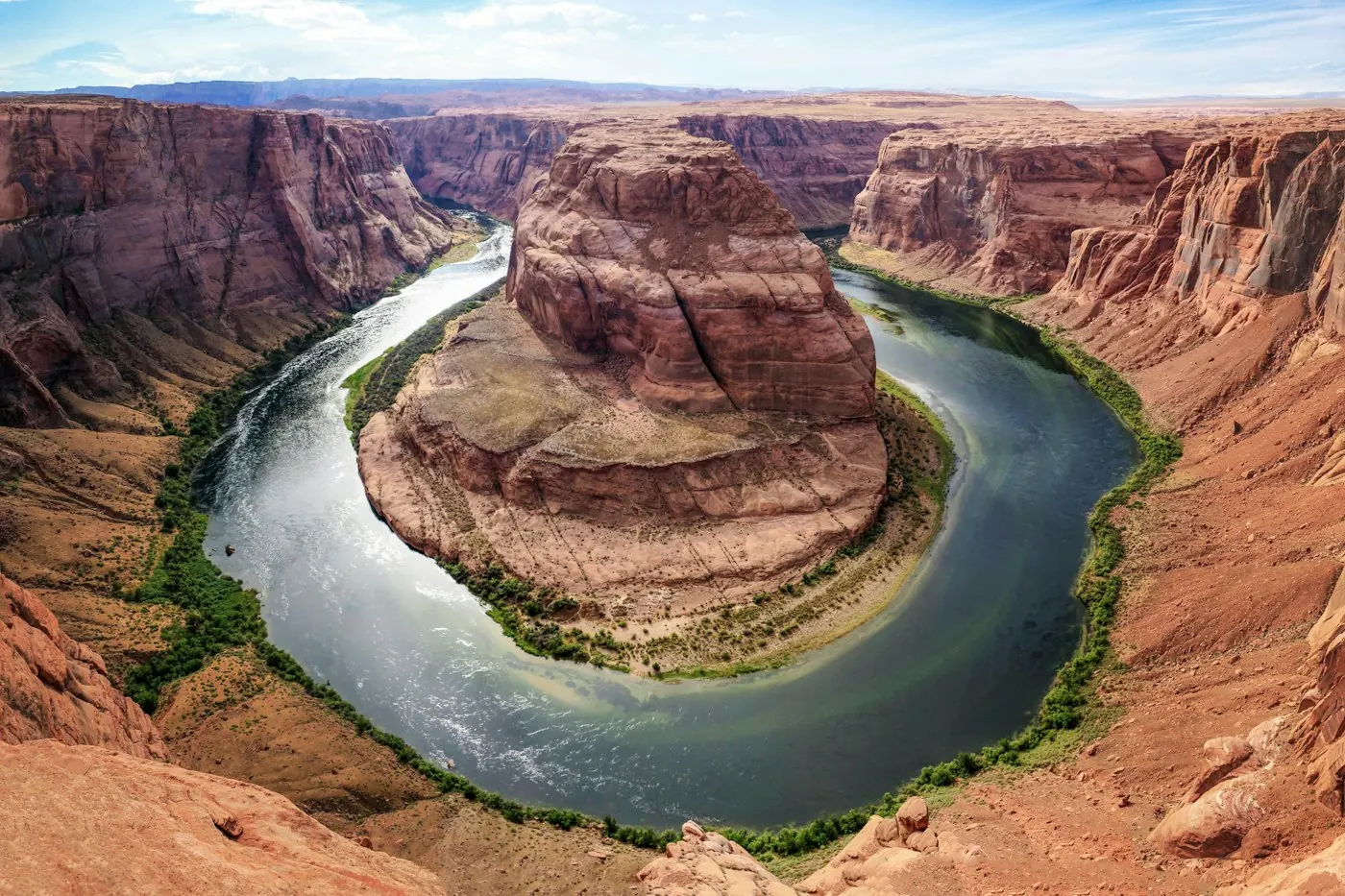 Canyons to coasts
Grand Canyon vistas, Florida beaches, Hawaiian surf and the great American road trip, all easy from Hamilton.
Explore United States →Don't see your destination? We plan trips worldwide. Ask us for a quote for anywhere you're dreaming of.
Sun and sand
Not one island but dozens, each with its own beaches, resorts and rhythm. Tell us the trip you want and we will match you to the right island.
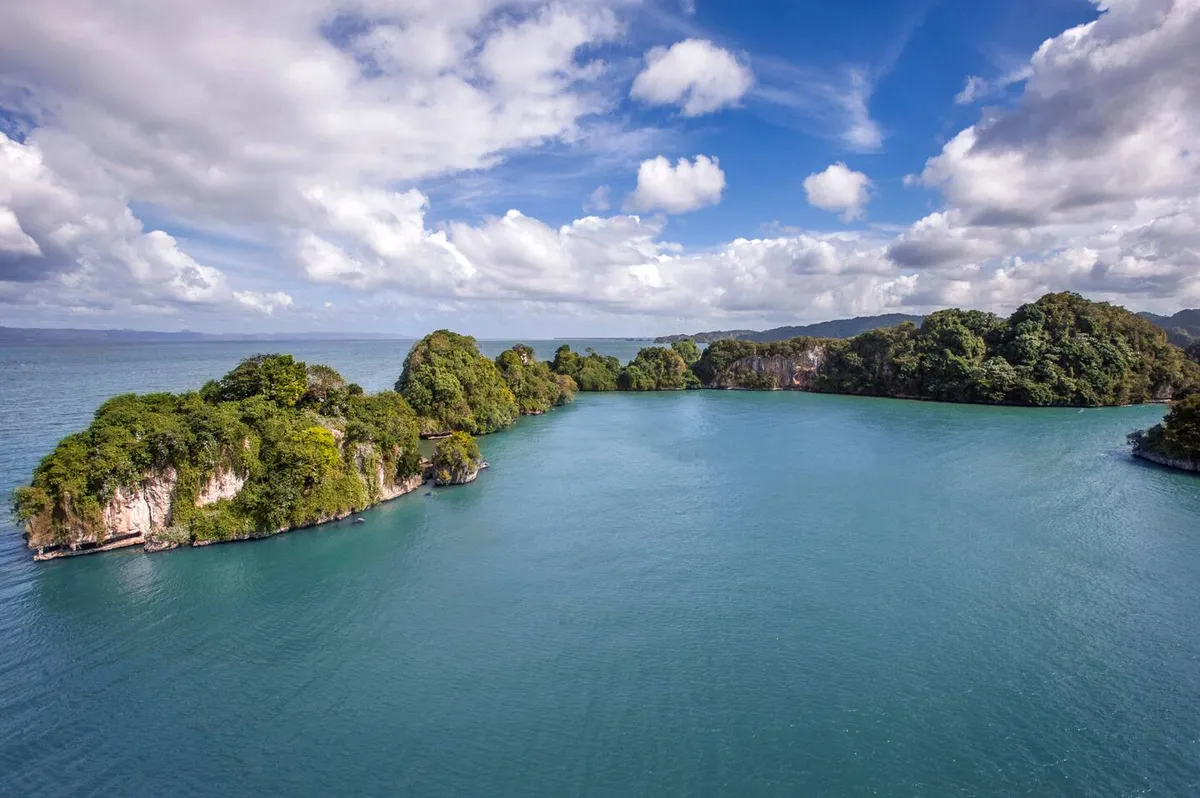 Punta Cana
Palm lined beaches and big all inclusive resorts made for doing as much, or as little, as you like, all week long.
Explore Dominican Republic →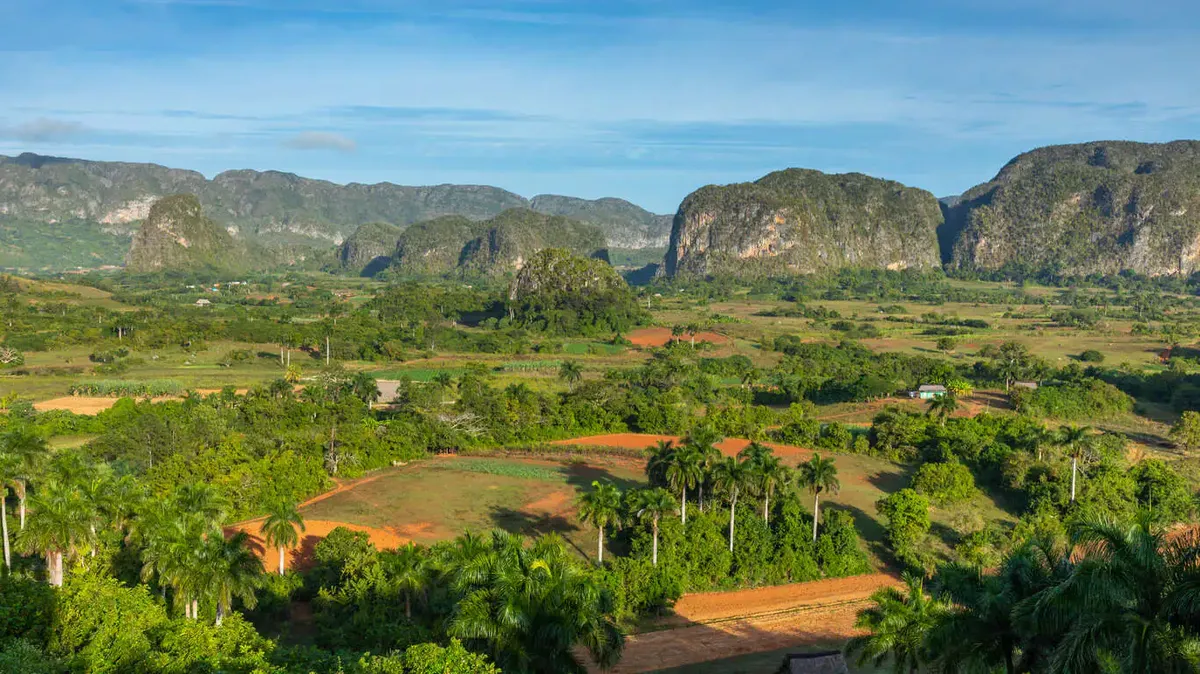 Havana & Varadero
Classic cars, live music and all the colour of Old Havana, paired with the long white beach at Varadero.
Explore Cuba →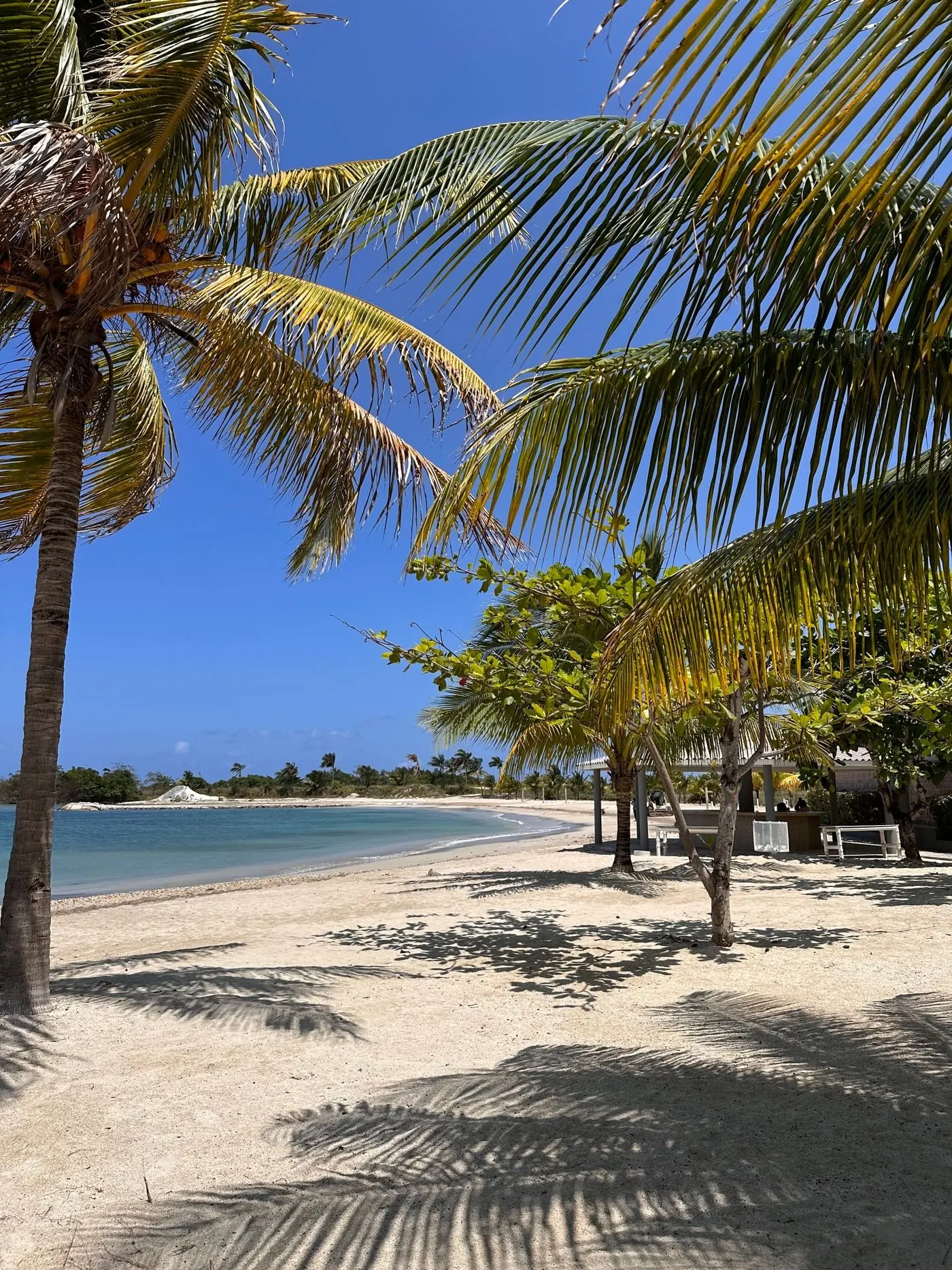 Negril & Montego Bay
Seven miles of soft sand in Negril, music in the air and sunsets that stop the whole beach. Jamaica is pure unwind.
Explore Jamaica →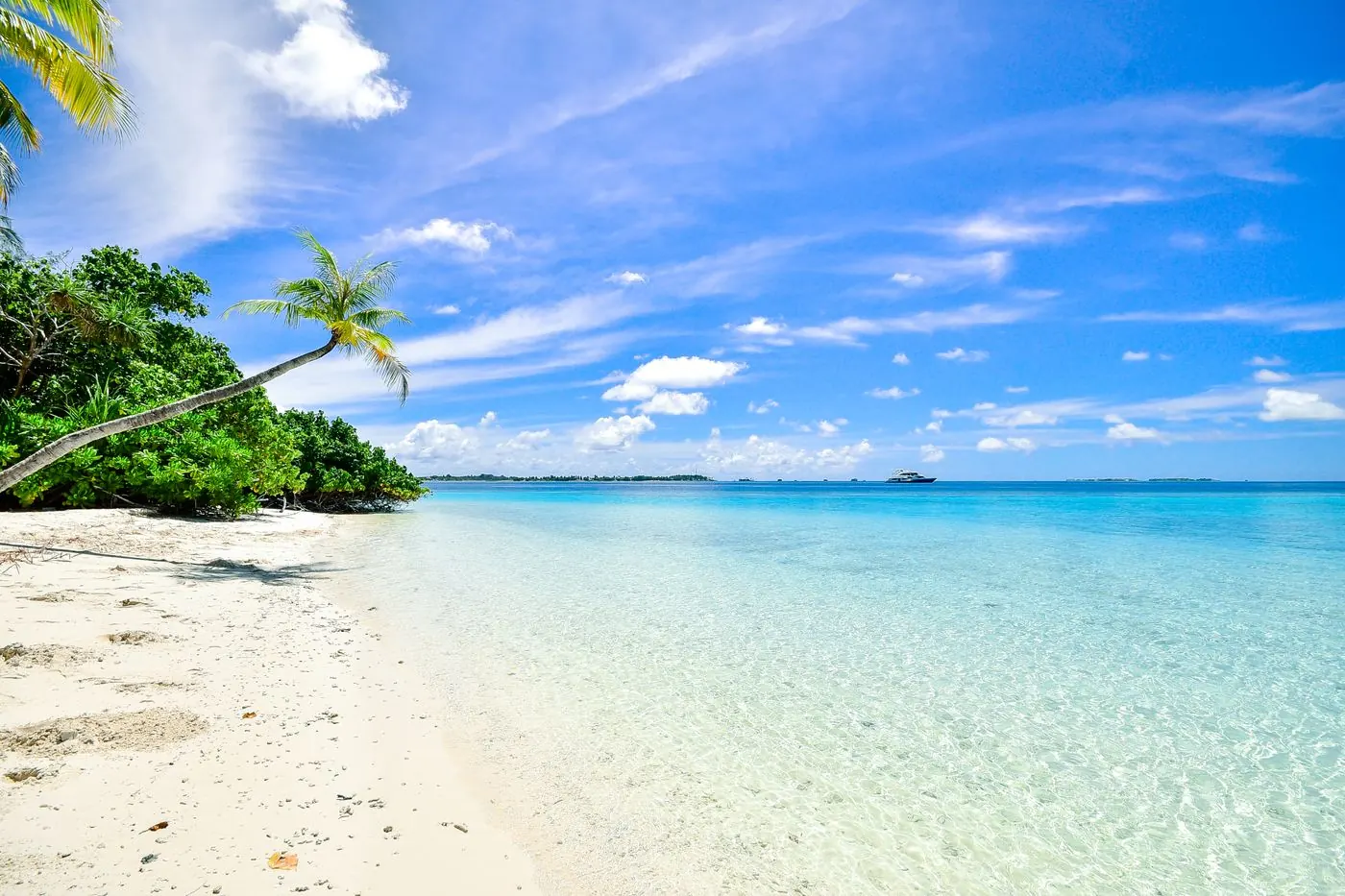 Nassau & the Out Islands
Hundreds of islands and some of the clearest water on earth, from Nassau resorts to quiet Out Island cays.
Explore Bahamas →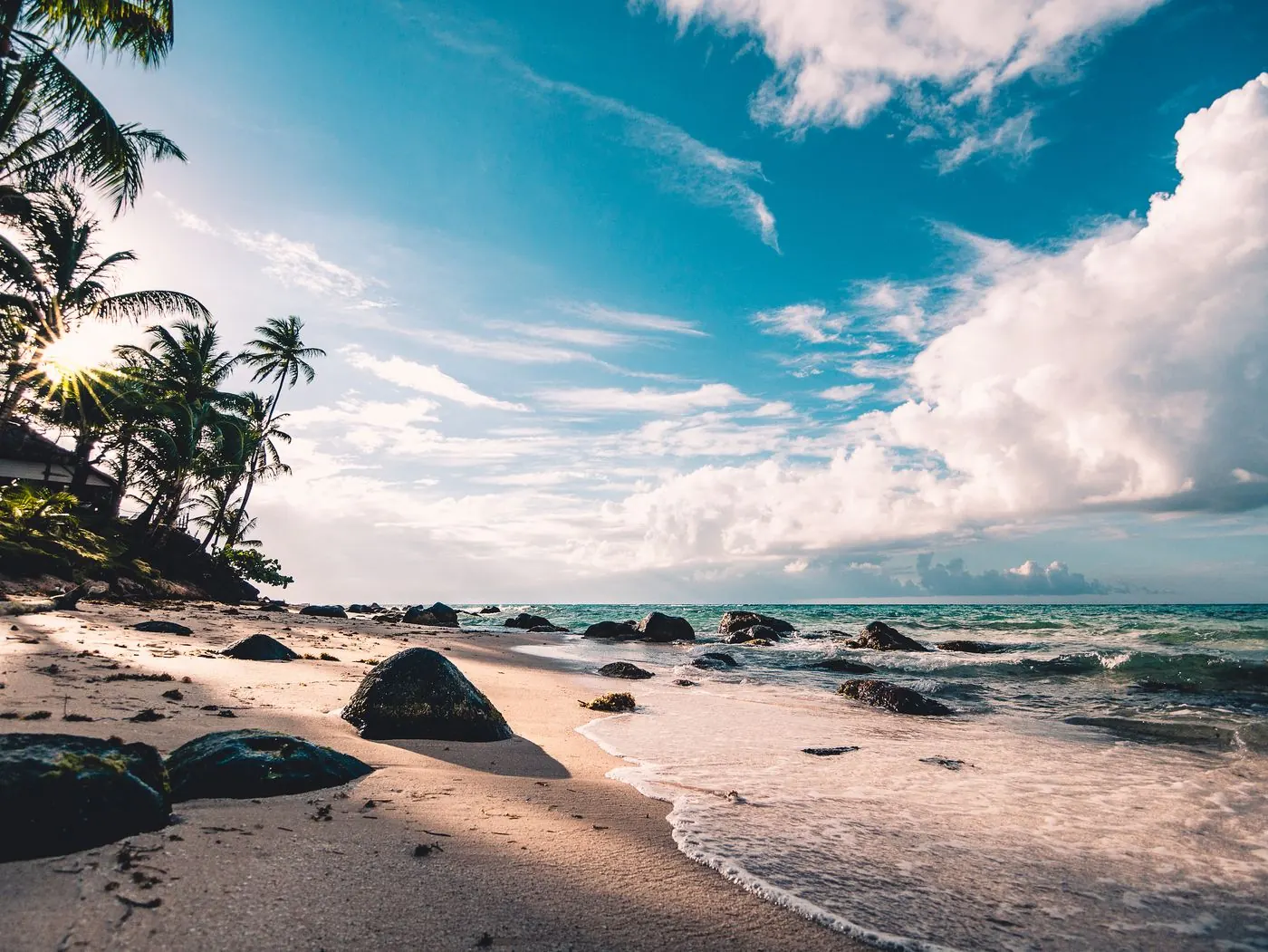 Eagle Beach
Steady trade winds, the famous divi divi trees and some of the clearest water in the Caribbean, with sunshine almost every single day.
Explore Aruba →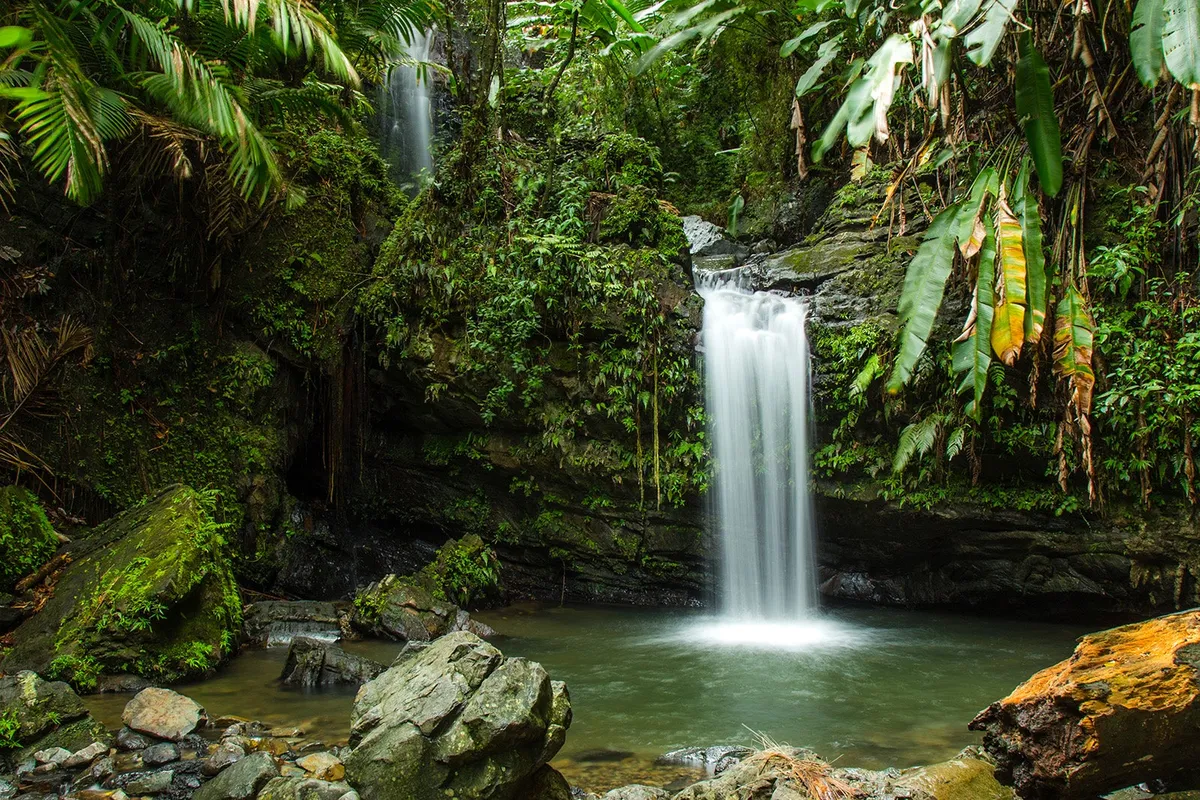 Old San Juan
Puerto Rico starts in Old San Juan, five centuries of forts, blue cobblestones and pastel streets, then opens out to rainforest at El Yunque, surfing at Rincon and the glowing bioluminescent bays. No passport is needed for US travellers, flights are easy, and the island mixes beach week and city break in one trip.
Explore Puerto Rico →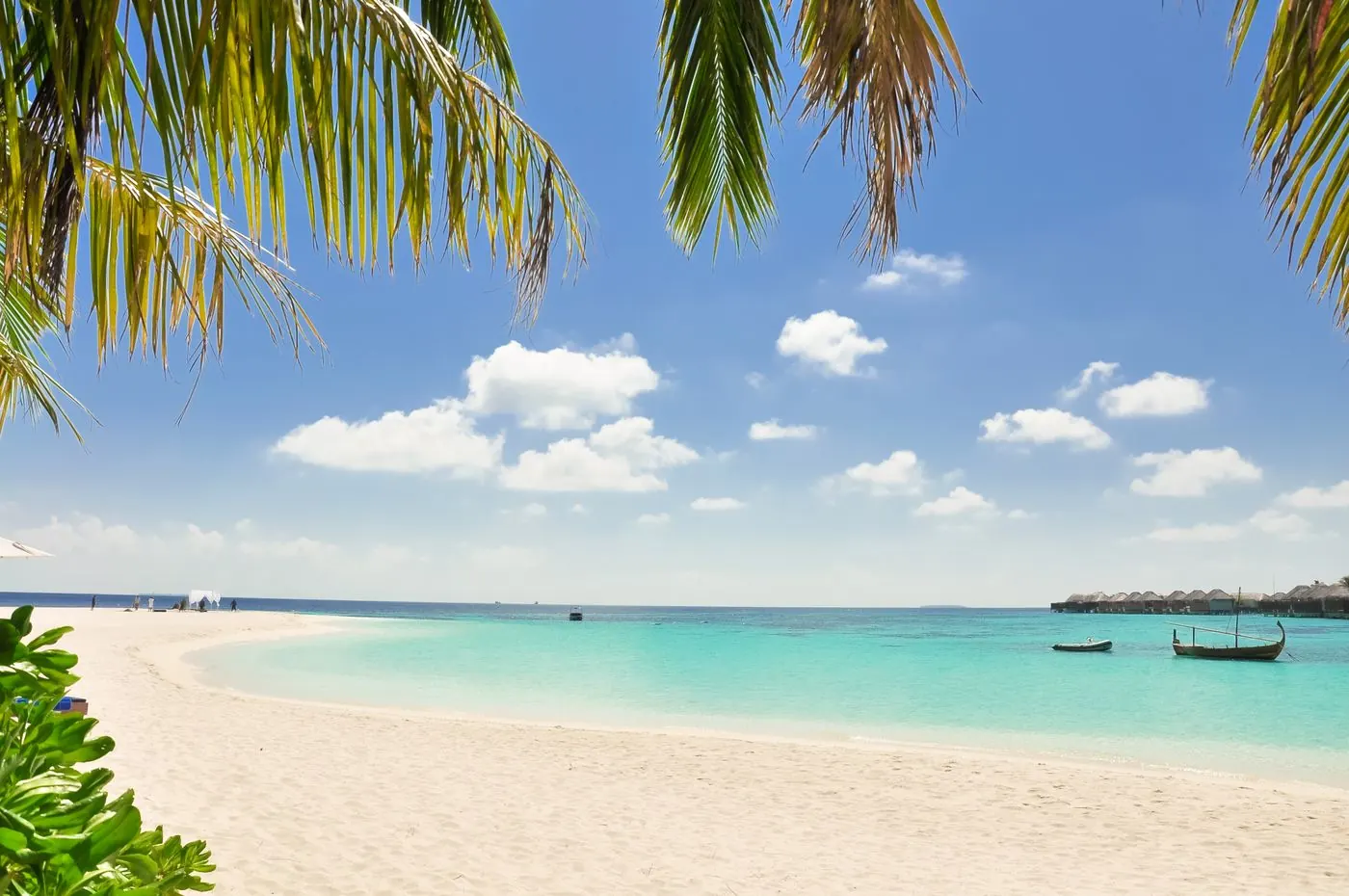 The Platinum Coast
Calm west coast water made for swimming, surf breaks on the east, and rum shops and gardens in between.
Explore Barbados →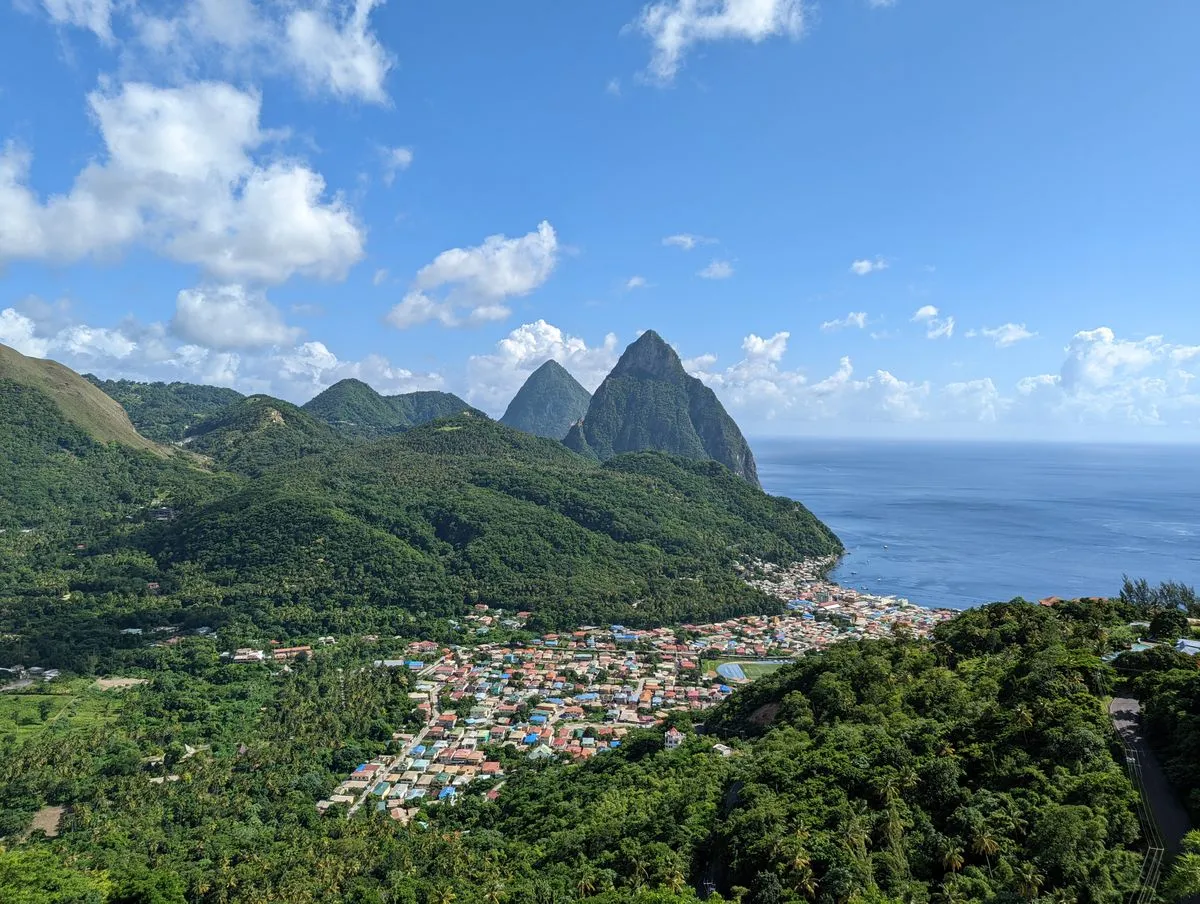 The Pitons
St. Lucia is the dramatic one: the twin Pitons rise straight out of the sea over Soufrière, with a drive in volcano, mud baths and waterfalls in the rainforest behind. Resorts split between the lively north around Rodney Bay and the quiet, scenic south. It is a honeymoon favourite that also suits travellers who like their beach with a mountain attached.
Explore St. Lucia →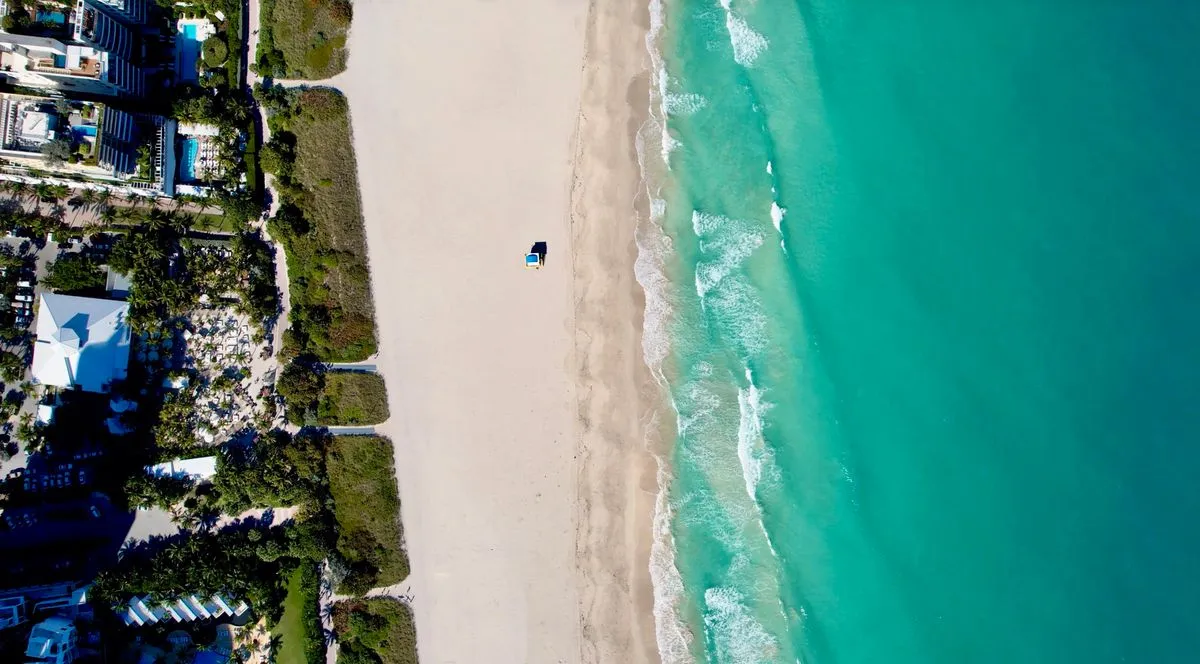 Grace Bay
Turks and Caicos is built around one extraordinary beach: Grace Bay on Providenciales, miles of powder sand and calm turquoise water that regularly tops world beach lists. The resorts lean luxury, the diving runs along a famous wall, and the quieter sister islands are a short hop away. This is the Caribbean at its most polished.
Explore Turks and Caicos →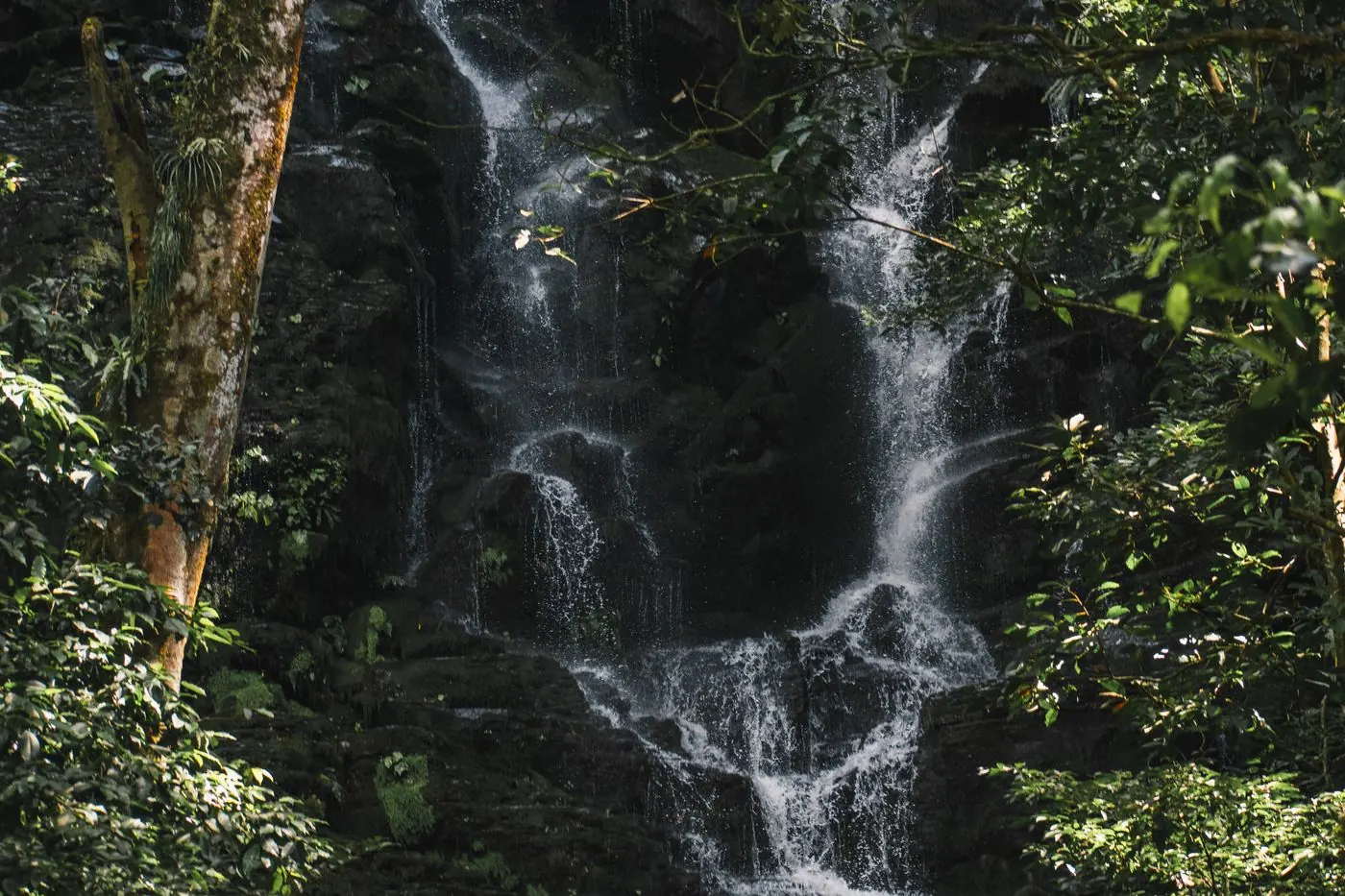 Rainforest & Pacific coast
Volcanoes, cloud forest and two coastlines in one small country. Costa Rica pairs easy beach days with real adventure.
Explore Costa Rica →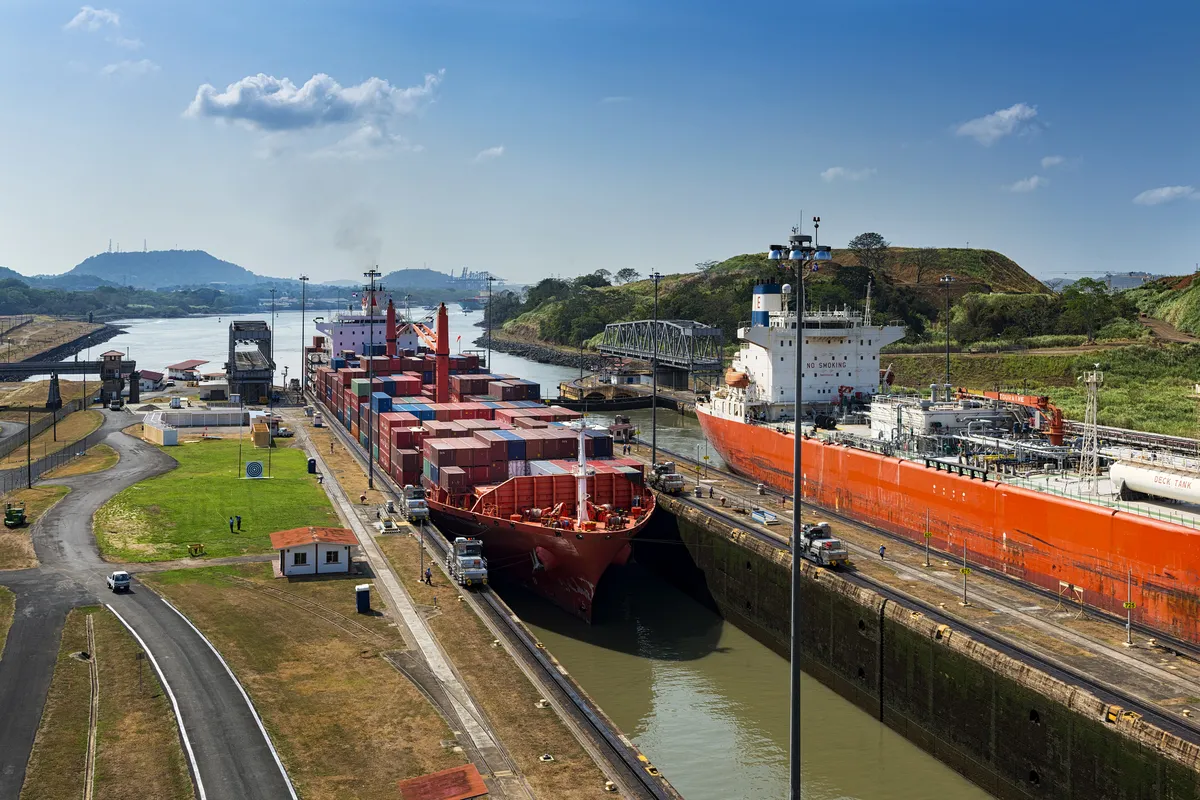 Panama City & the canal
A skyline city with an old town heart and the famous canal, plus Pacific and Caribbean beaches in a single trip.
Explore Panama →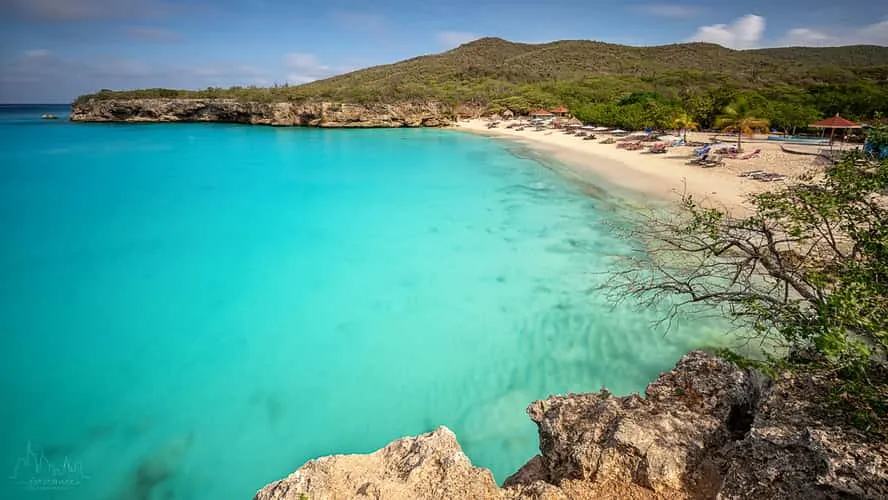 Willemstad colour
Curaçao paints its Dutch colonial capital in pastels along the Handelskade in Willemstad, a UNESCO listed waterfront. Outside the city, the island is all sheltered coves on the west coast, strong diving, and a dry, sunny climate that sits south of the main hurricane belt. It suits travellers who want an island with a real city and a culture of its own.
Explore Curaçao →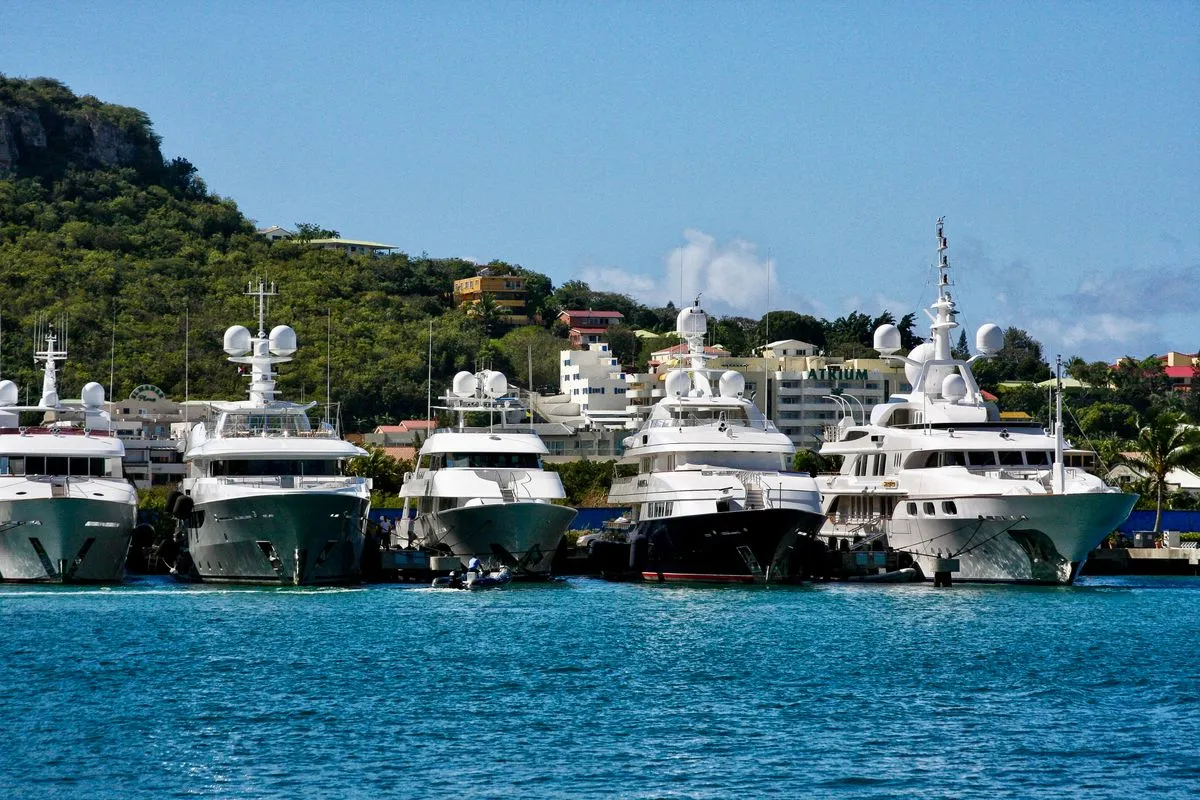 Two nations, one island
One island, two countries: Dutch St. Maarten and French St. Martin share beaches, and the food capital of Grand Case sits on the French side. Watch jets land low over Maho Beach, shop duty free in Philipsburg, and ferry hop to Anguilla and St. Barths. It is the liveliest hub island in the northeastern Caribbean.
Explore St. Maarten →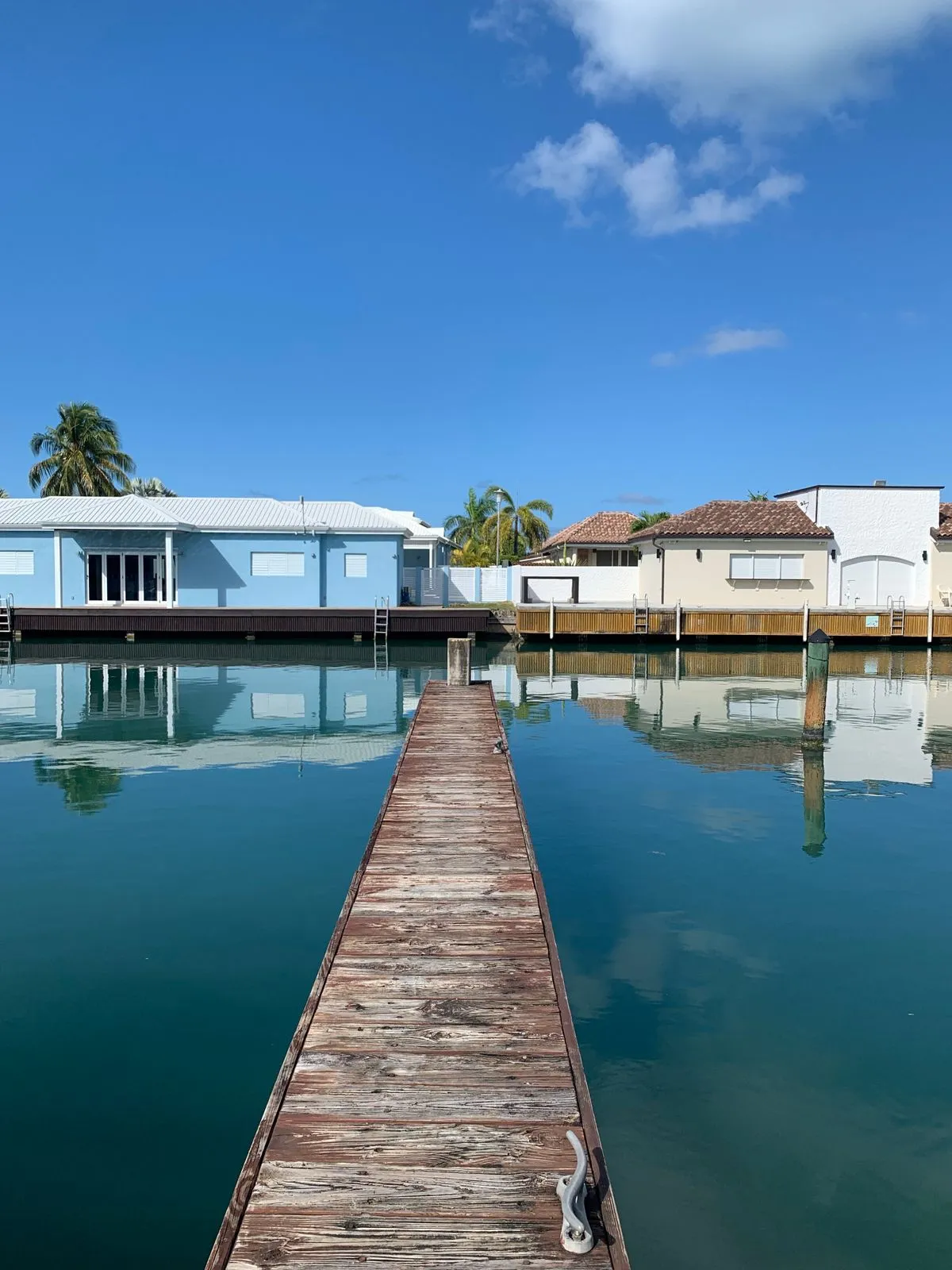 365 beaches
Antigua claims a beach for every day of the year, and the count feels plausible: soft sand at Dickenson Bay, quiet coves in the south, and constant trade winds that make it a sailing capital. See Nelson's Dockyard, a Georgian naval base still in use, and take the Sunday party at Shirley Heights for the view alone. Barbuda, its pink sand sister island, is a day trip away.
Explore Antigua →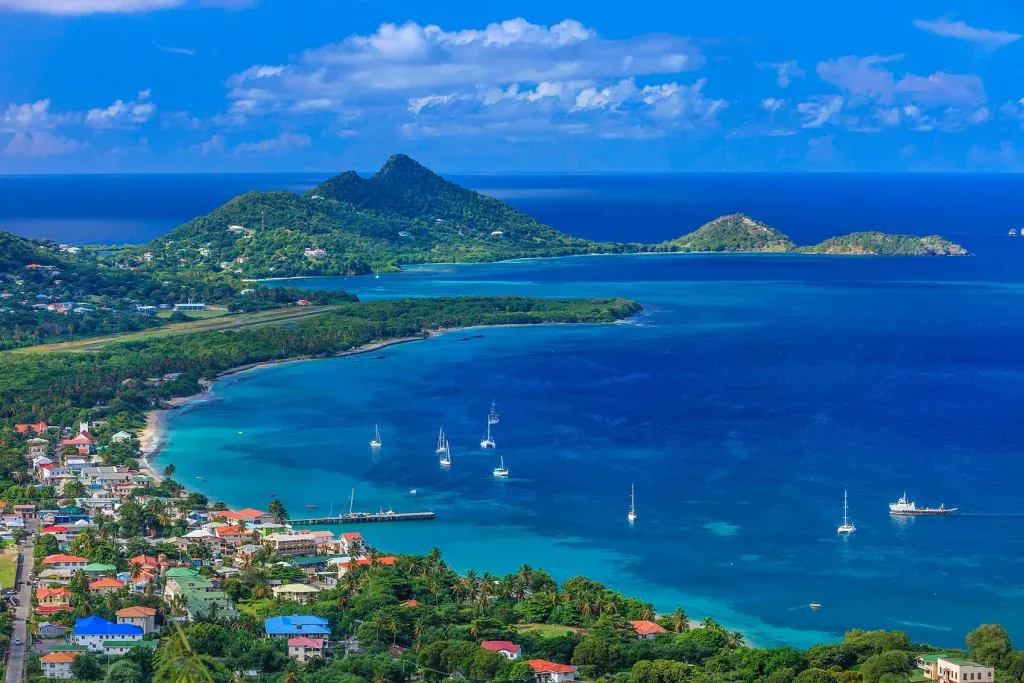 The Spice Island
Grenada is the Spice Island, scented with nutmeg and cocoa, with one of the prettiest capitals in the Caribbean at St. George's. Grand Anse gives you two miles of soft sand, the interior gives you waterfalls and rainforest, and divers get an underwater sculpture park and famous wrecks. It stays quieter than its neighbours, which is the point.
Explore Grenada →Brochures
Browse the sun brochures first, then ask us to price the trip you like.
Transat's Caribbean, Central and South America brochure for 2025 to 2026, with resorts, collections and tours, hosted here as a PDF.
View the Transat brochure (PDF, 7 MB) →Dream of Sun: beach escapes and all inclusive resorts from Air Canada Vacations. The brochure PDF will be hosted here soon, and in the meantime we are happy to walk you through the collection.
Brochure PDF coming soonPortugal in detail
We can book your Portugal trip as a tour, air only or fully customized, with private transfers and internal flights.
The capital
Lisbon climbs seven hills above the Tagus. Ride tram 28 through Alfama, take coffee and a custard tart in Belem where the great voyages sailed, and watch the light change from a miradouro at golden hour. It is a capital that still feels like a neighbourhood.
Explore Lisbon →Port wine country
Porto stacks colourful houses down to the Douro, with the port lodges of Vila Nova de Gaia waiting across the bridge. Tour a lodge, taste the vintages, ride the river under six bridges, then dine in the Ribeira as the lights come on. It is also the door to the Douro Valley.
Explore Porto →Gateway to the Algarve
Faro is more than the Algarve airport. Its old town hides inside medieval walls, the cathedral tower looks over stork nests and the Ria Formosa lagoon, and boats run out to the sandbar islands and their beaches. Start or finish your Algarve trip here.
Explore Faro →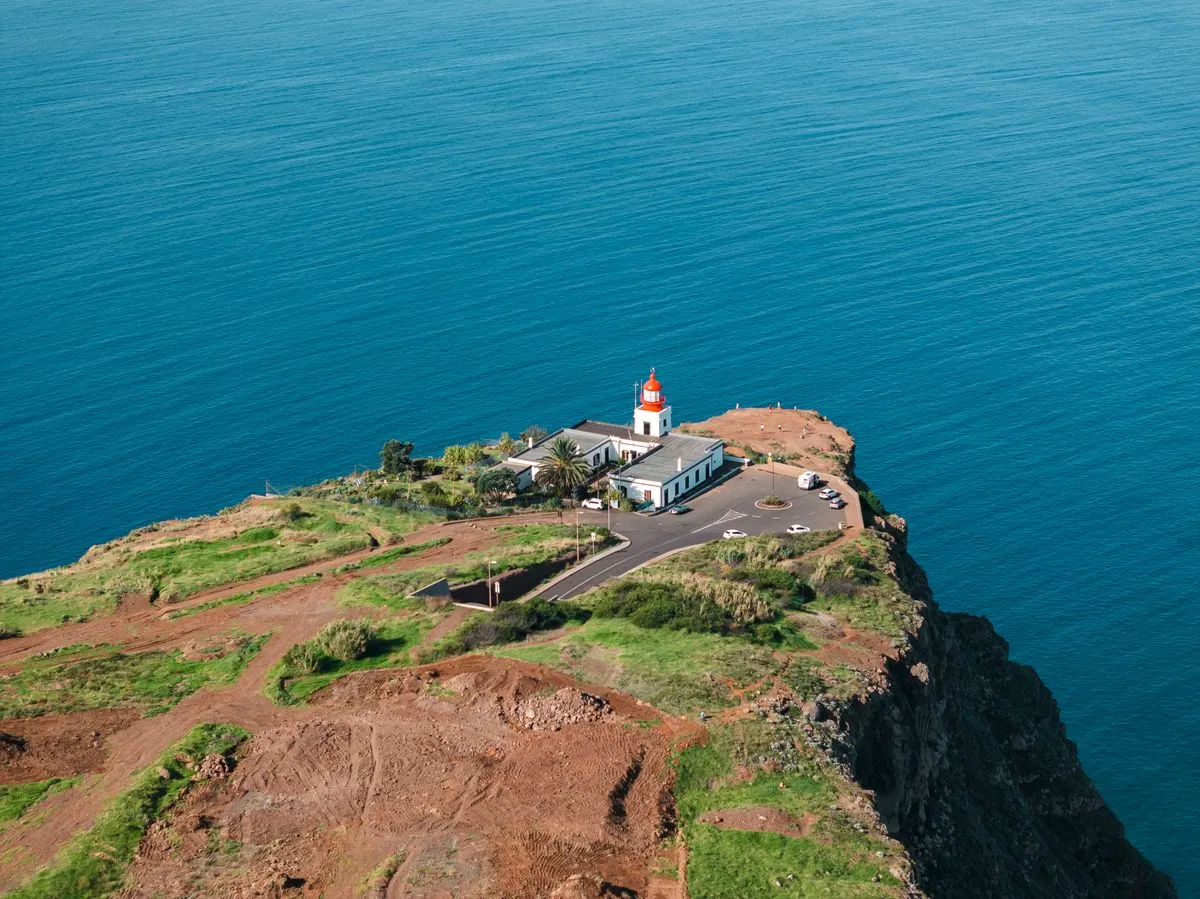 Island of eternal spring
Madeira floats in the Atlantic off Africa, a green volcanic island of gardens, cliffs and mild weather all year. Base in Funchal for the cable car, the market and the Monte toboggan run, then walk the levada paths through laurel forest and drive the wild north coast. It suits walkers, gardeners and anyone chasing spring in winter.
Explore Madeira →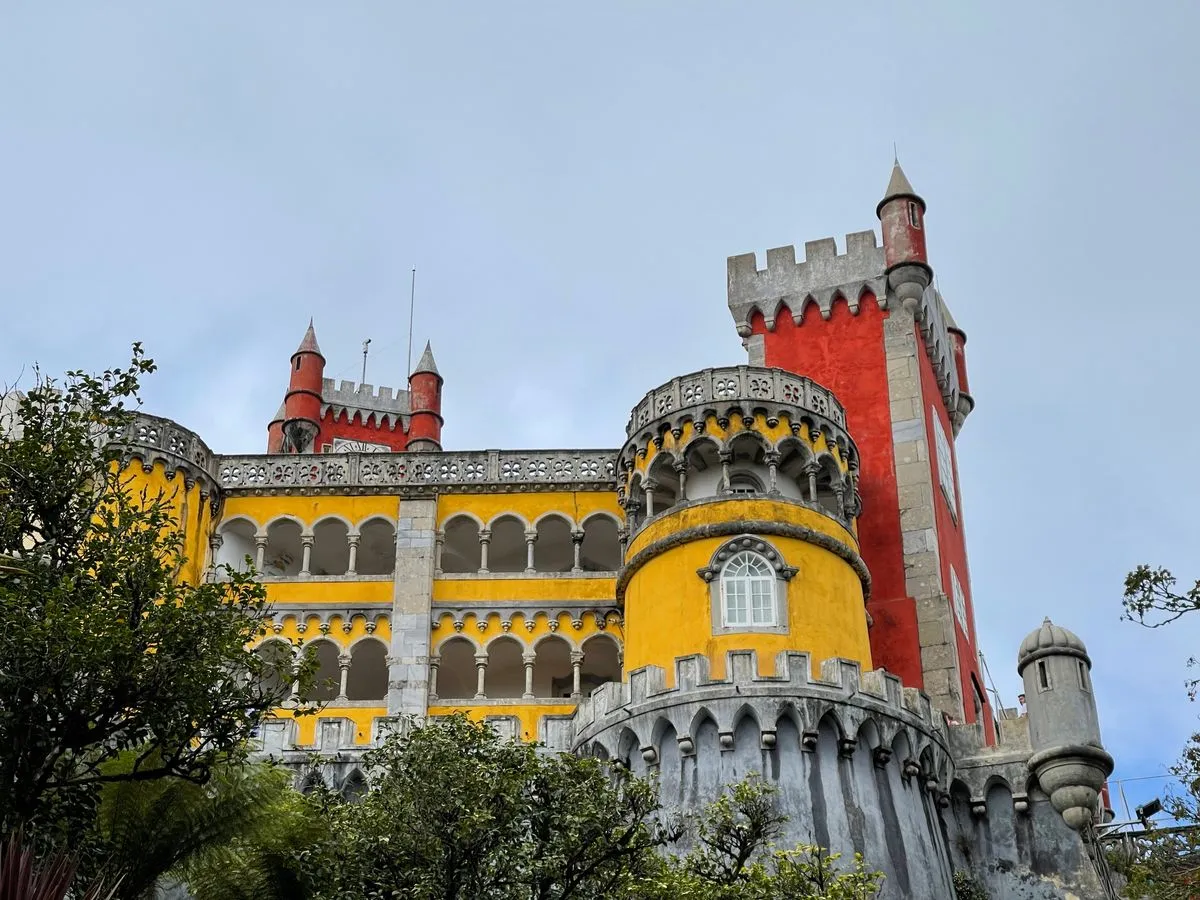 Palaces and gardens
Sintra is Lisbon's fairytale day trip: a cool green hill town of palaces built by kings and romantics. The candy coloured Pena Palace crowns the hill, the Quinta da Regaleira hides gardens, wells and tunnels, and the old town fills the lanes between. Go early, and stay the night if you can.
Explore Sintra →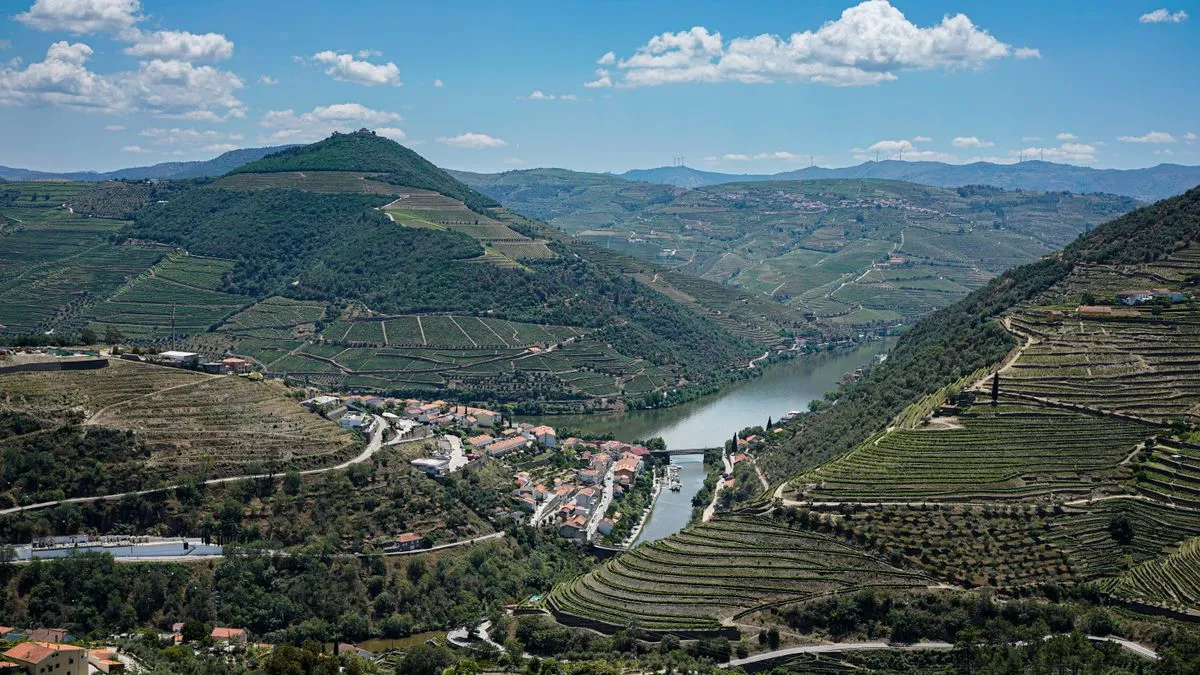 Wine country
The Douro Valley cuts terraced vineyards into steep hillsides above the river, the home of port wine and some of Portugal's best table wines. Cruise from Porto or ride the riverside train, stop at quintas for tastings and lunch, and sleep among the vines. It is Portugal's great countryside escape.
Explore Douro Valley →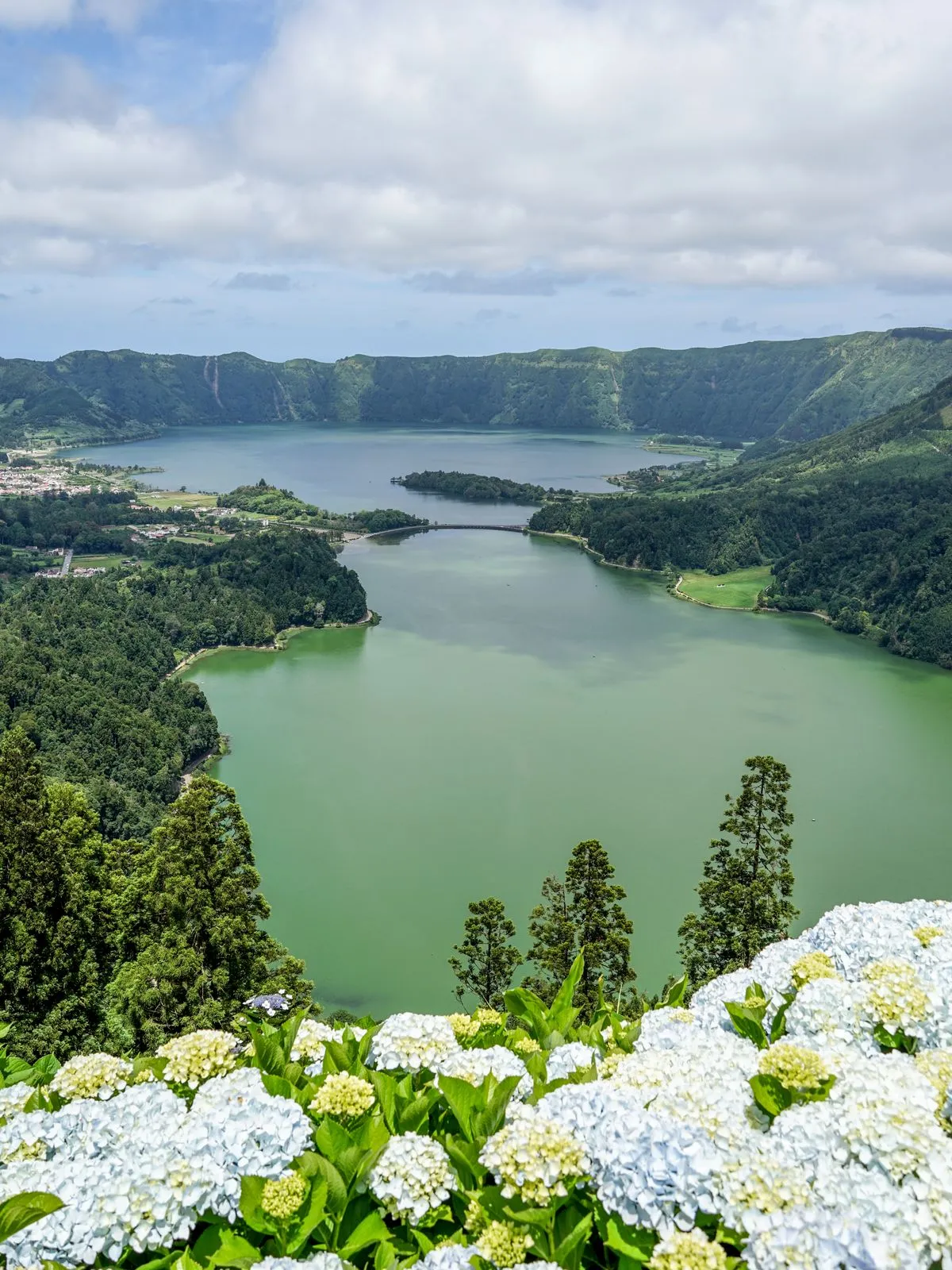 Volcanic islands
The Azores are nine volcanic islands in the middle of the Atlantic, green, quiet and unlike anywhere else in Europe. On Sao Miguel, the twin lakes of Sete Cidades fill a crater, hot springs cook lunch at Furnas, and tea grows on Europe's oldest plantations. Add whale watching and hydrangea lined roads in summer.
Explore The Azores →Greece in detail
We can book your Greece trip as a tour or air only, with private transfers and internal flights.
The capital
Athens pairs the ancient world with a lively modern capital. Start at the Acropolis and the Parthenon, wander the lanes of Plaka under its slopes, then settle into a taverna dinner. It is the natural first stop before the islands, or a city break all on its own.
Explore Athens →Caldera villages
Santorini is the Greek island everyone pictures: white villages spilling down the caldera cliffs in Fira and Oia, blue domes against a deep blue sea, and sunsets that draw a crowd every evening. Stay in a cave suite, sail the caldera at golden hour, and add a winery visit between swims.
Explore Santorini →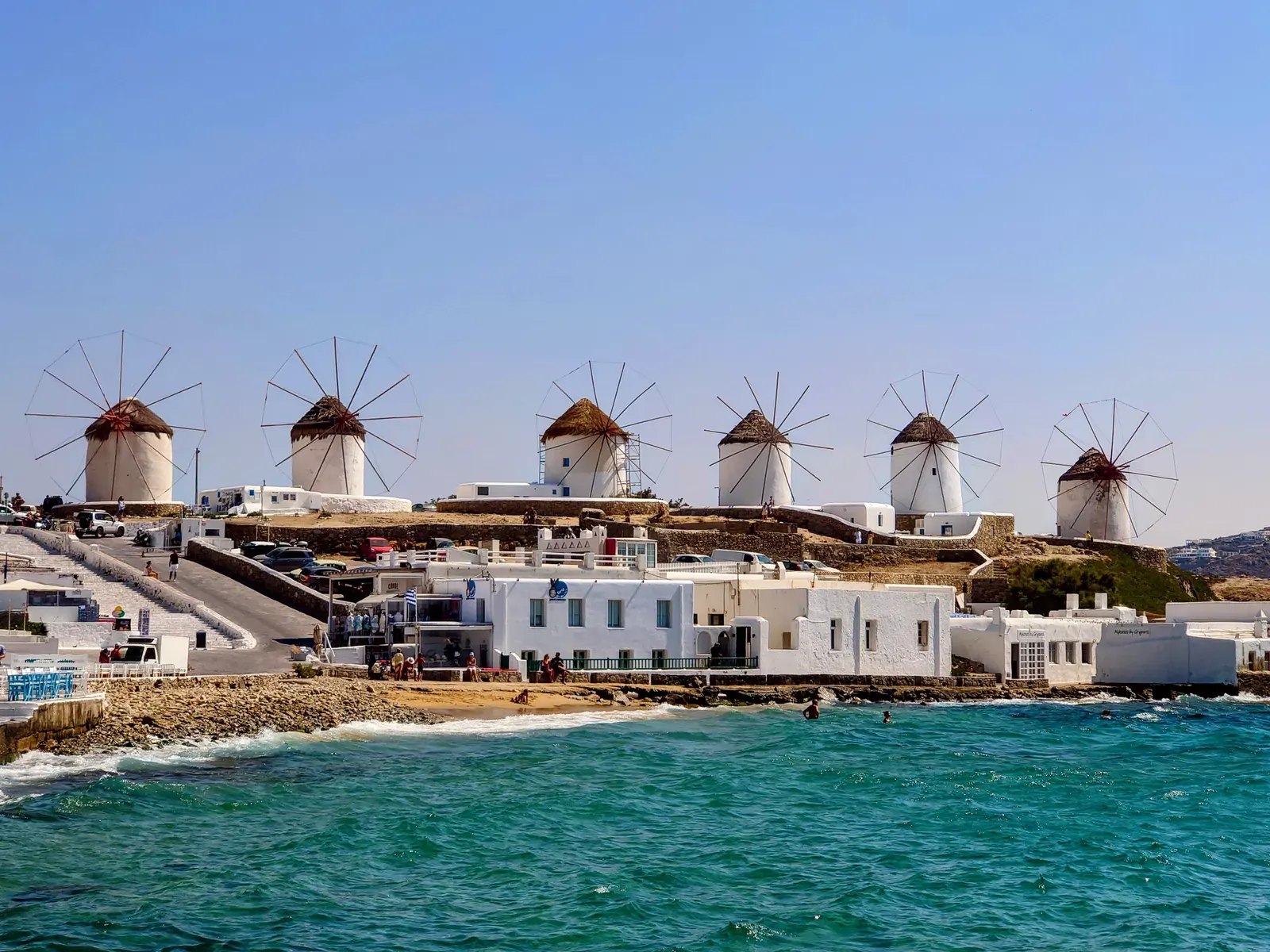 Windmills and beach clubs
Mykonos pairs its famous windmills and the little harbour of Little Venice with some of the best beaches in the Cyclades and a nightlife scene that runs late. Days go to beach clubs or quiet coves, evenings to the maze of whitewashed lanes in Chora, and ancient Delos sits a short boat ride away.
Explore Mykonos →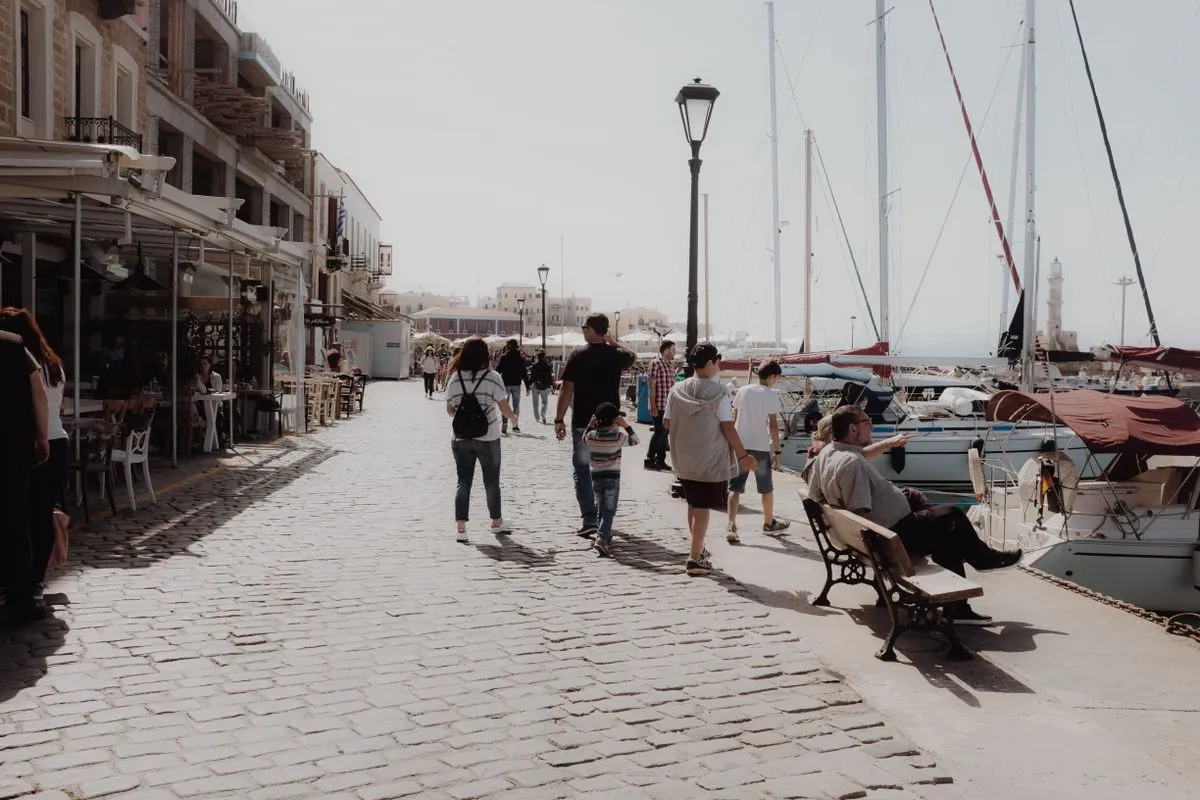 The big island
Crete is big enough to be a trip all on its own. Chania and Rethymno bring Venetian harbours and old town lanes, the Samaria Gorge brings a full day hike through cliffs, and the beaches range from the pink sand of Elafonissi to quiet south coast coves. Add Knossos and some of the best food in Greece.
Explore Crete →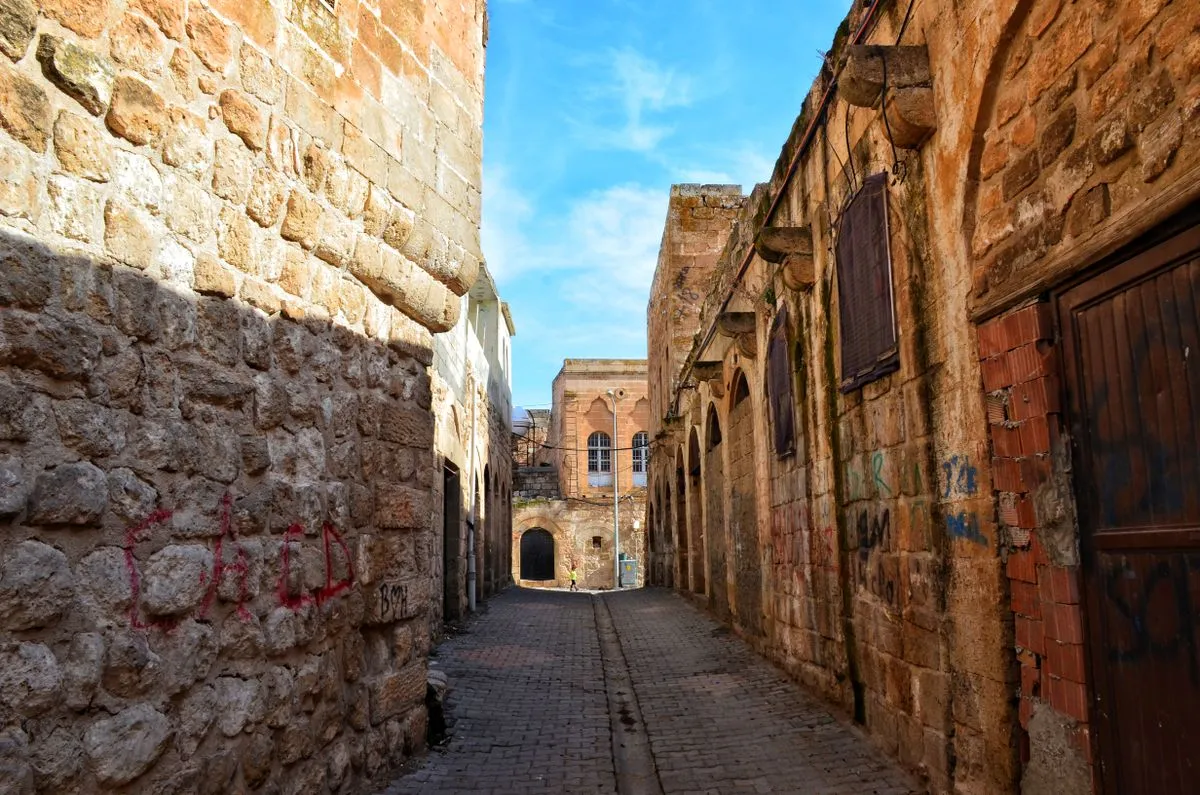 Medieval old town
Rhodes wraps a medieval walled city around a working harbour. Walk the Street of the Knights to the Palace of the Grand Master, swim at bays along the east coast, and take a day for whitewashed Lindos and its acropolis above the sea. It is one of the sunniest islands in Greece, with a long season.
Explore Rhodes →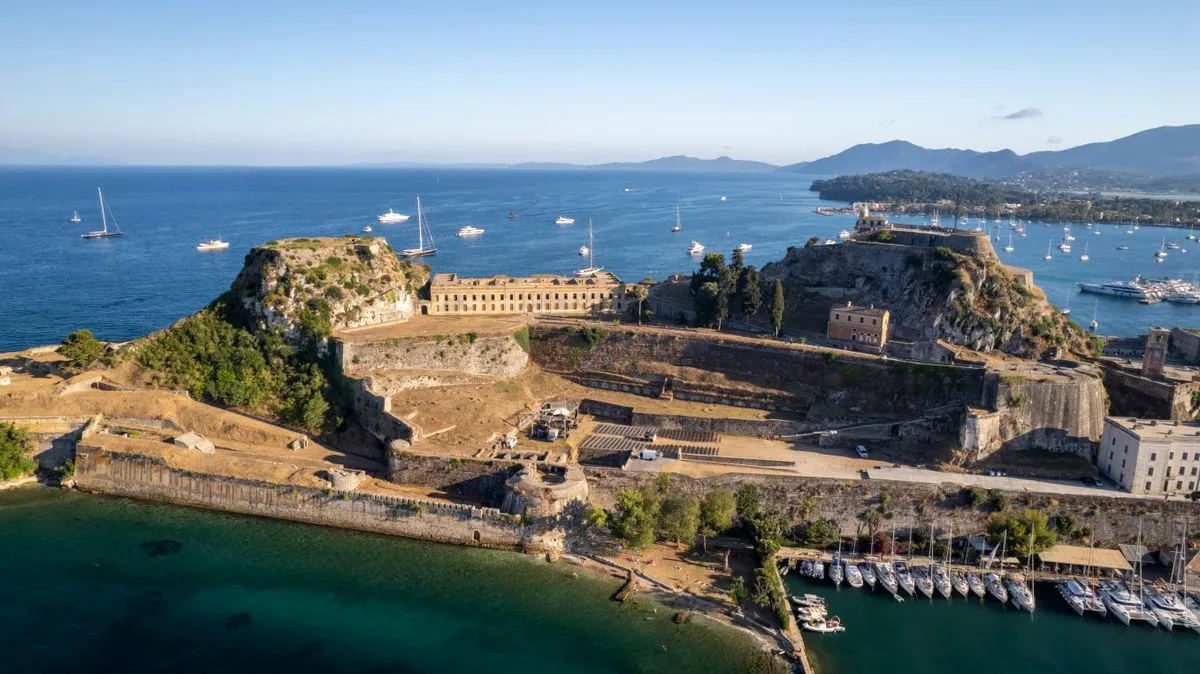 The green island
Corfu is the green one: olive groves, cypress trees and a Venetian old town that feels half Italian. Base in Corfu Town for the fortresses and the Liston arcades, then drive out to bays like Paleokastritsa and the Canal d'Amour. It suits travellers who want an island with a real town attached.
Explore Corfu →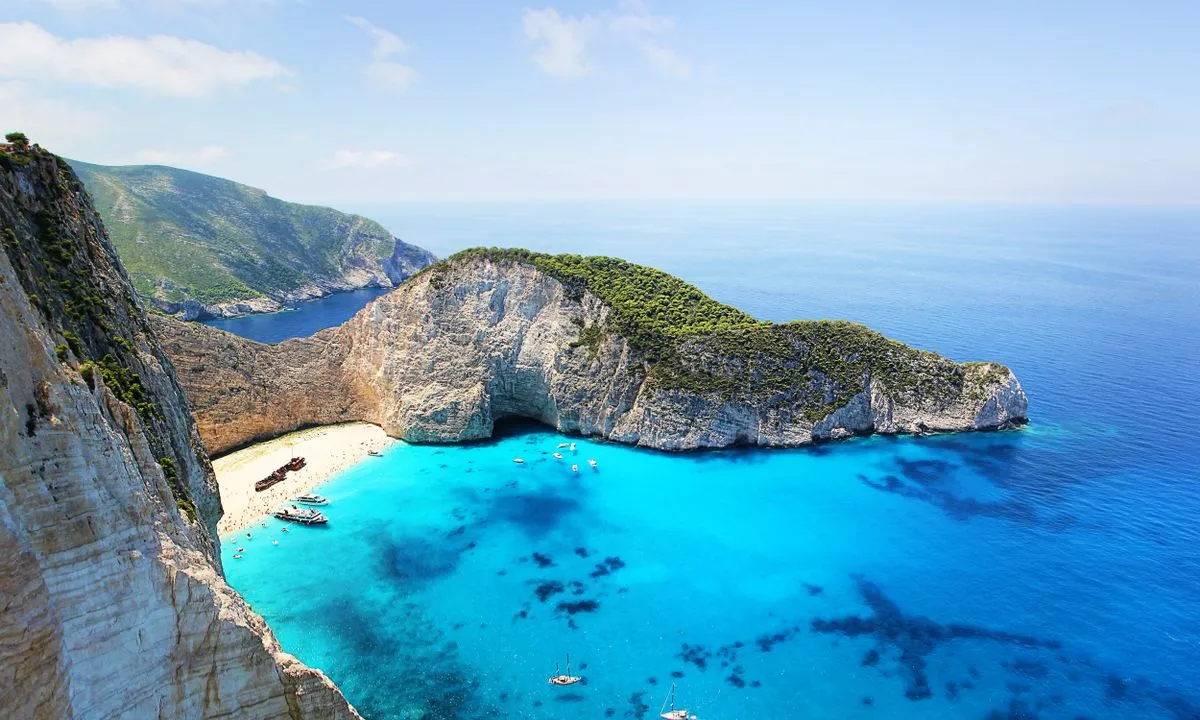 Navagio Beach
Zakynthos is famous for one photograph: Navagio Beach, a shipwreck on white sand inside a turquoise cove, seen best from the clifftop viewpoint and by boat. Beyond it there are sea caves, turtle nesting beaches at Laganas Bay where loggerheads swim, and a quieter north and west coast of cliffs and coves.
Explore Zakynthos →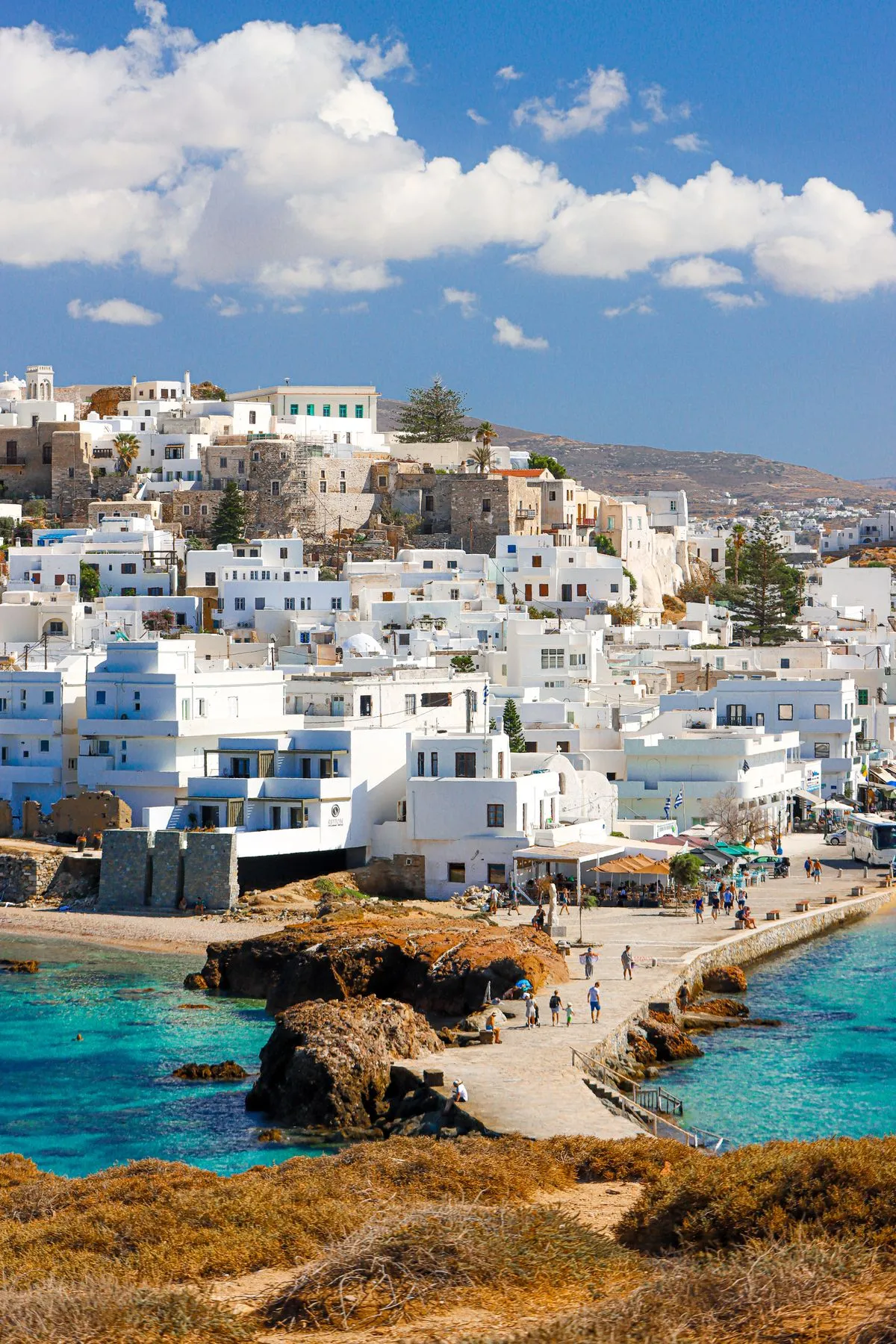 The relaxed Cyclades
Naxos is the largest of the Cyclades and the one that still feels like it belongs to the locals. The Portara, a giant marble doorway, stands over the harbour at sunset, long sandy beaches run down the west coast, and inland villages grow the island's famous potatoes and cheese. It is the Greek island pace, unhurried.
Explore Naxos →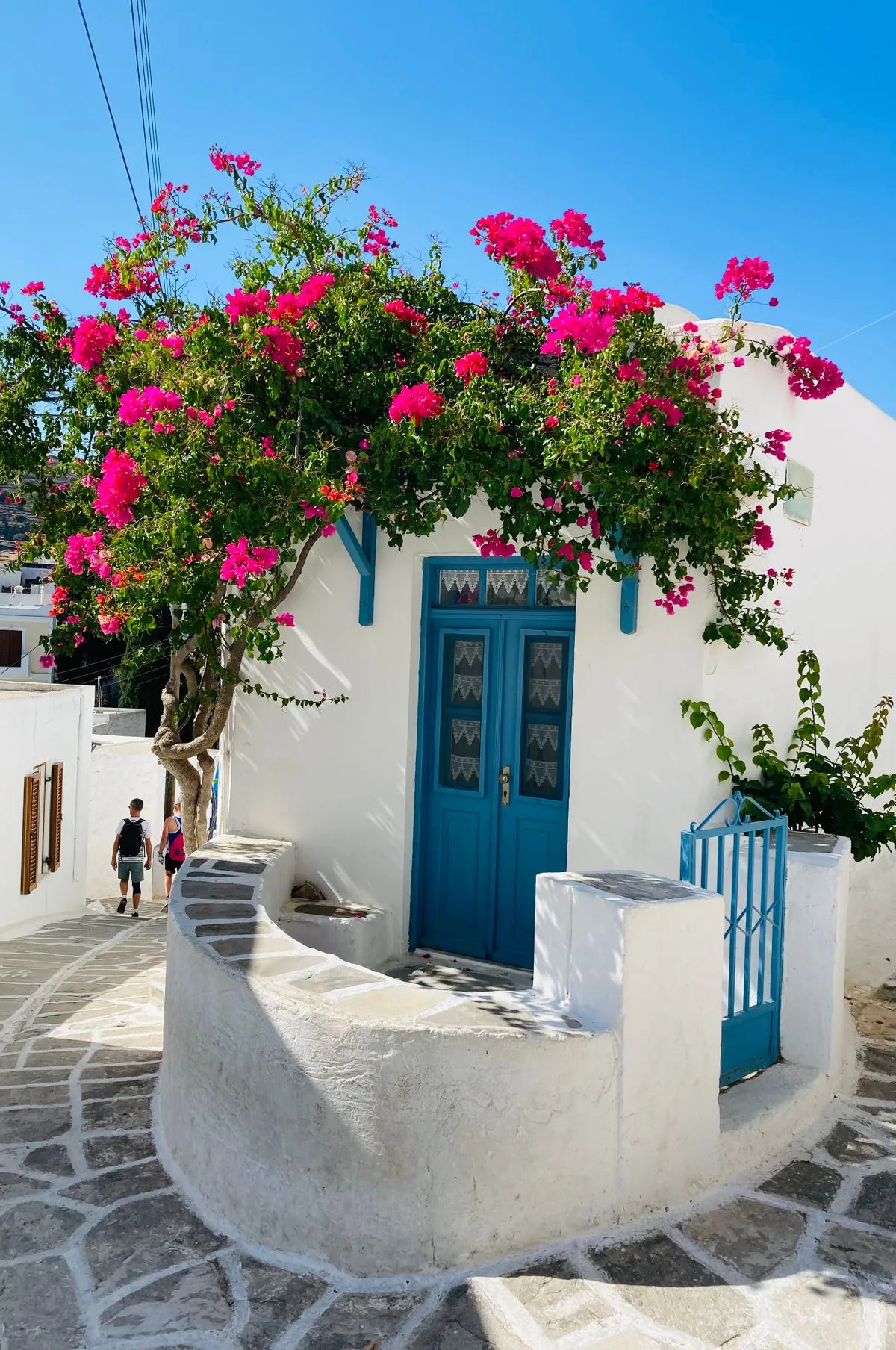 Naoussa and Parikia
Paros gives you the Cyclades look, white lanes, blue doors and bougainvillea, with a friendlier price tag than its famous neighbours. Fish dinners line the little harbour at Naoussa, ferries dock at Parikia, and the beaches suit everyone. Day trip to tiny Antiparos next door.
Explore Paros →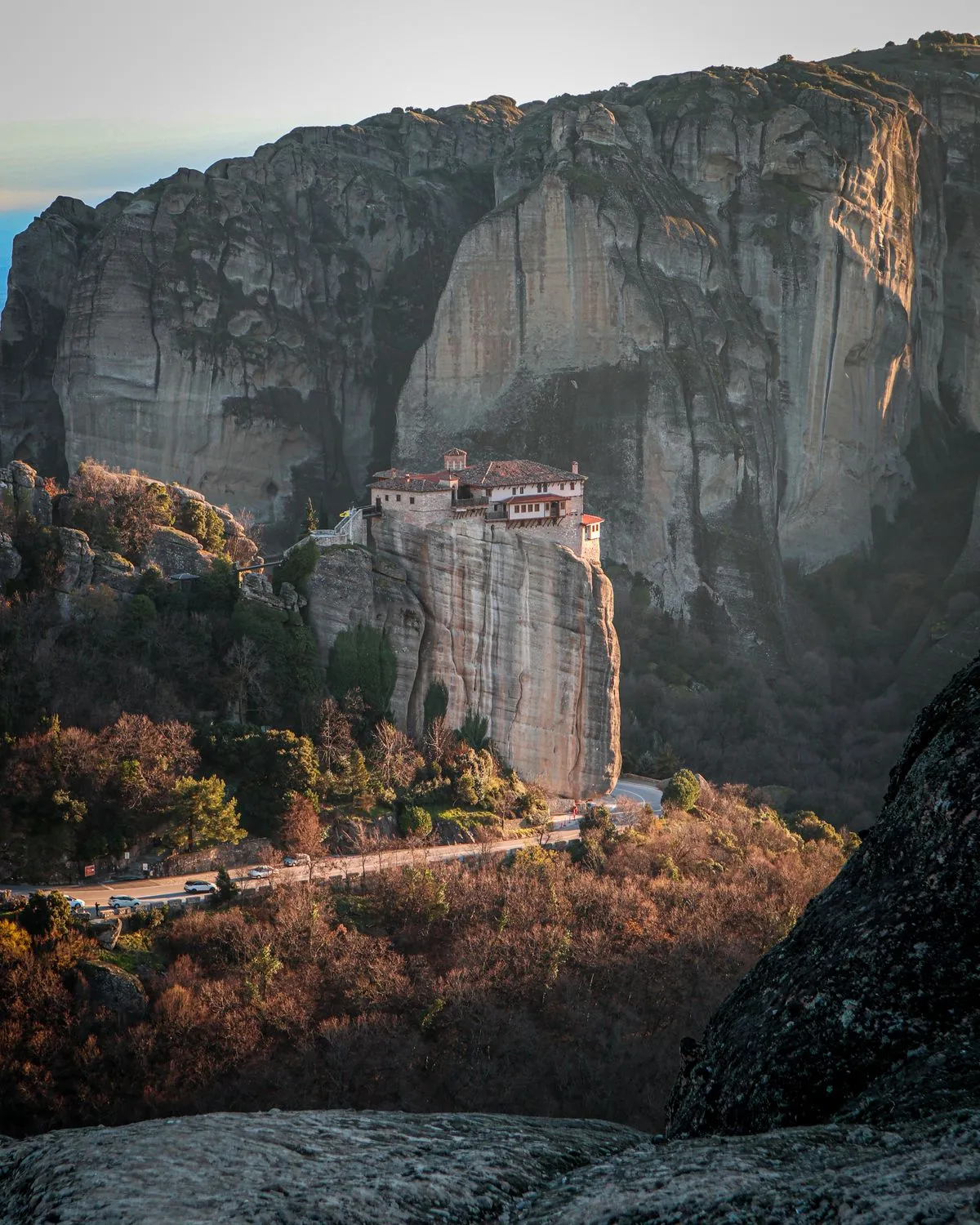 Monasteries in the sky
At Meteora, monasteries built centuries ago sit on top of sheer rock pillars above the Thessalian plain. Six are still working monasteries you can visit, reached by steps cut into the stone. Come for the views at sunset, stay in Kalabaka or Kastraki below, and pair it with Athens for a mainland Greece trip.
Explore Meteora →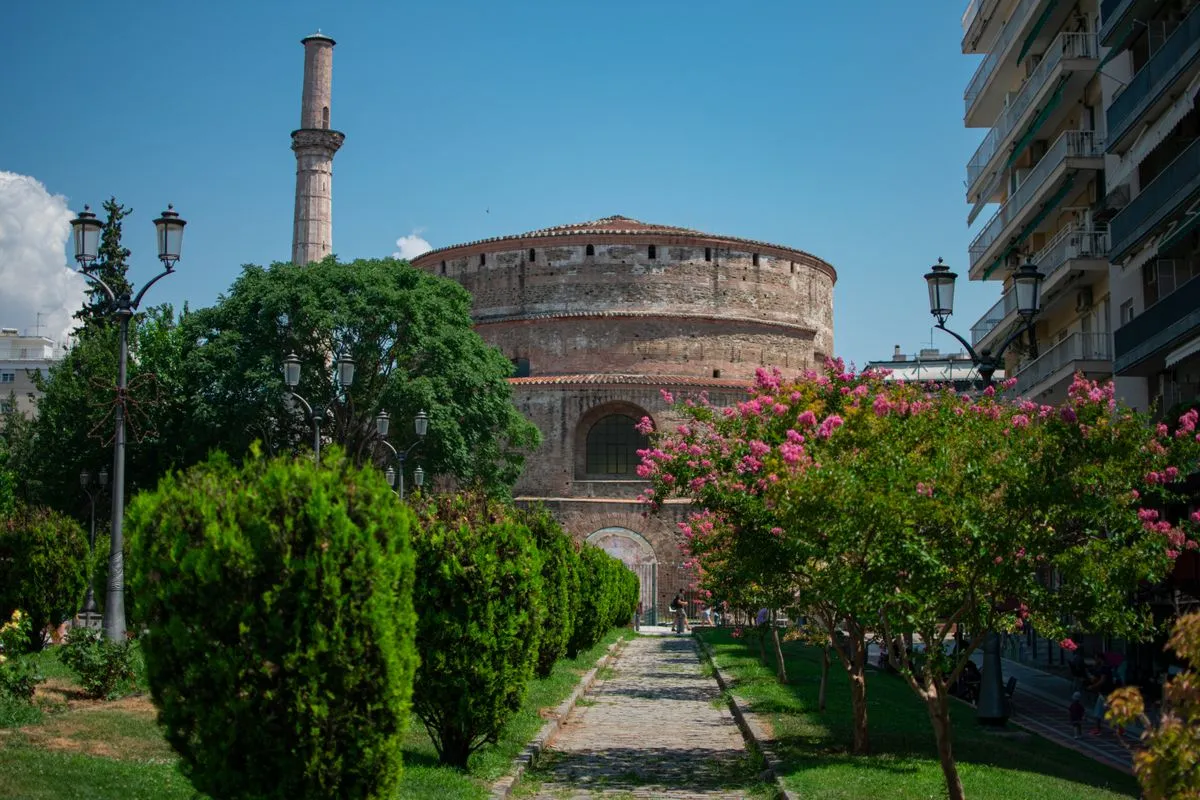 Greece's second city
Thessaloniki is Greece's second city and its food capital, a university town with a long waterfront and layers of Roman, Byzantine and Ottoman history. See the Rotunda and the Arch of Galerius, climb to the upper town for the view over the Thermaic Gulf, and eat your way through the markets like the locals do.
Explore Thessaloniki →Italy in detail
Ancient cities, slow lunches and coastline made for lingering, from Rome and the Amalfi Coast down to Puglia.
The Eternal City
Rome layers 28 centuries into one city. The Colosseum and the Forum in the morning, the Vatican Museums and St Peter's Basilica after, then an evening stroll past the Trevi Fountain to a trattoria in Trastevere. Give it time: Rome rewards slow days.
Explore Rome →City of canals
Venice has no roads, only water. Glide down the Grand Canal past palaces, cross to St Mark's Square for the basilica and the Doge's Palace, then lose yourself in the quiet back canals where Venetians actually live. Stay overnight to see the city at its calmest.
Explore Venice →Renaissance heart
Florence is the Renaissance in one walkable city. Brunelleschi's dome rises over it all, Michelangelo's David waits in the Accademia, and the Uffizi holds room after room of masterpieces. Cross the Ponte Vecchio at sunset and stay for a Florentine steak.
Explore Florence →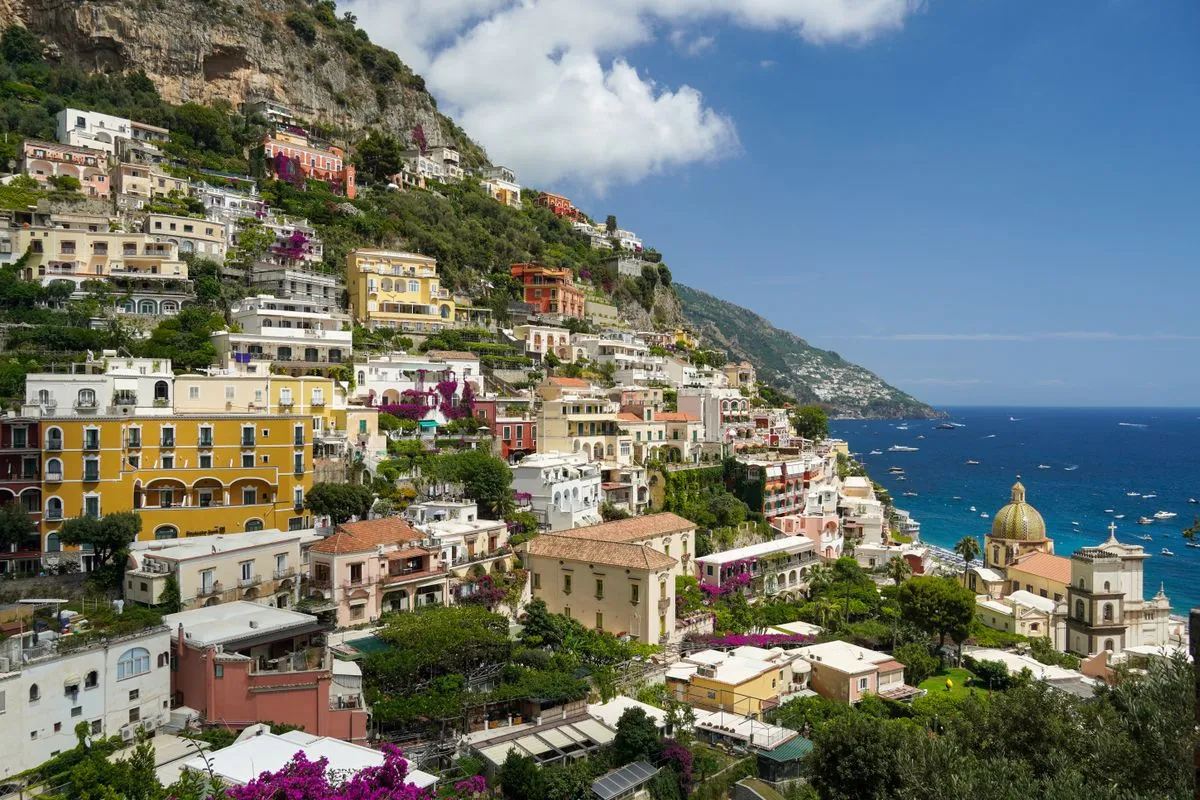 Positano and Amalfi
The Amalfi Coast strings cliffside towns along one famous coast road: Positano's pastel stack, Amalfi's cathedral, and Ravello's gardens high above the sea. Swim from little coves, take the ferry between towns to skip the traffic, and add a day on Capri. It pairs naturally with Naples and Rome.
Explore Amalfi Coast →Taormina and beyond
Sicily is Italy turned up a notch. Taormina pairs a Greek theatre with views of Mount Etna and the Ionian Sea, Palermo brings markets and Norman palaces, and the island's beaches, vineyards and baroque towns can fill weeks. It pairs beautifully with mainland Italy or stands alone.
Explore Sicily →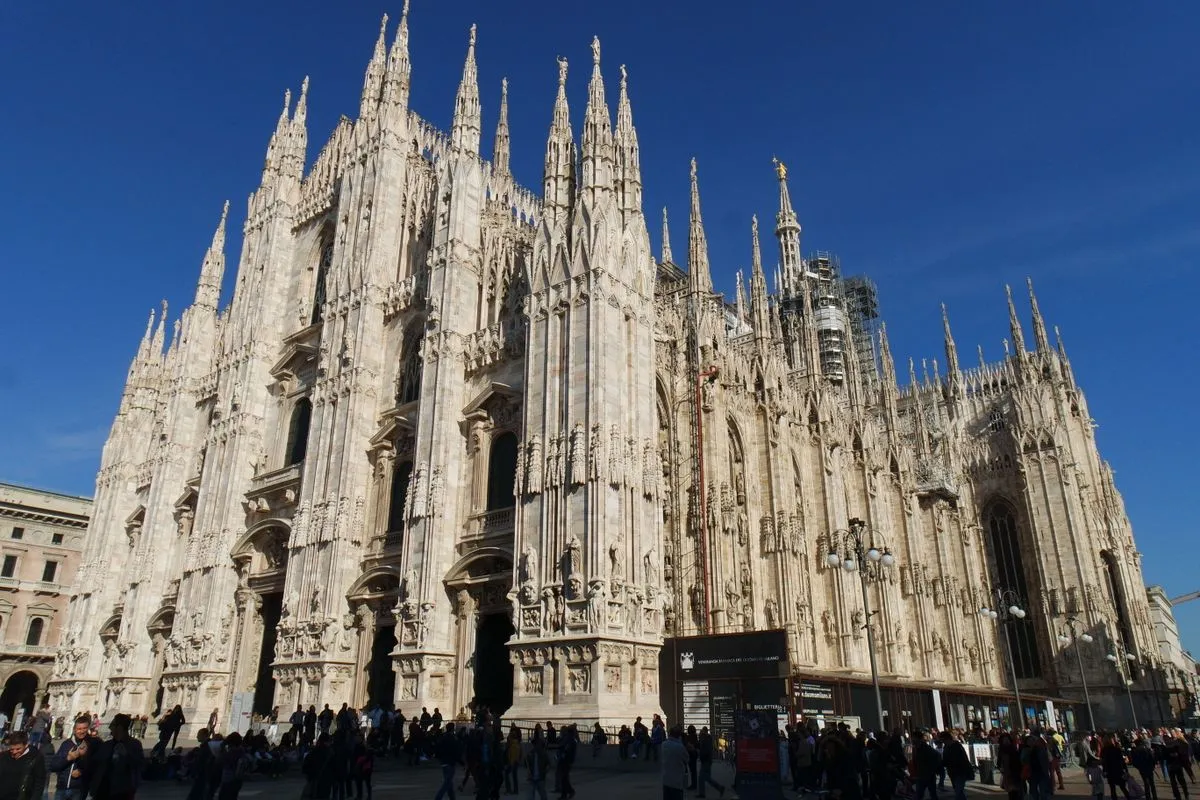 Duomo and design
Milan is Italy's modern engine: fashion, design and aperitivo hour, wrapped around one spectacular cathedral. Climb to the Duomo's rooftop terraces, book ahead for da Vinci's Last Supper, and browse the Galleria and the Brera galleries. It is also the gateway to Lake Como and a smart first or last night in northern Italy.
Explore Milan →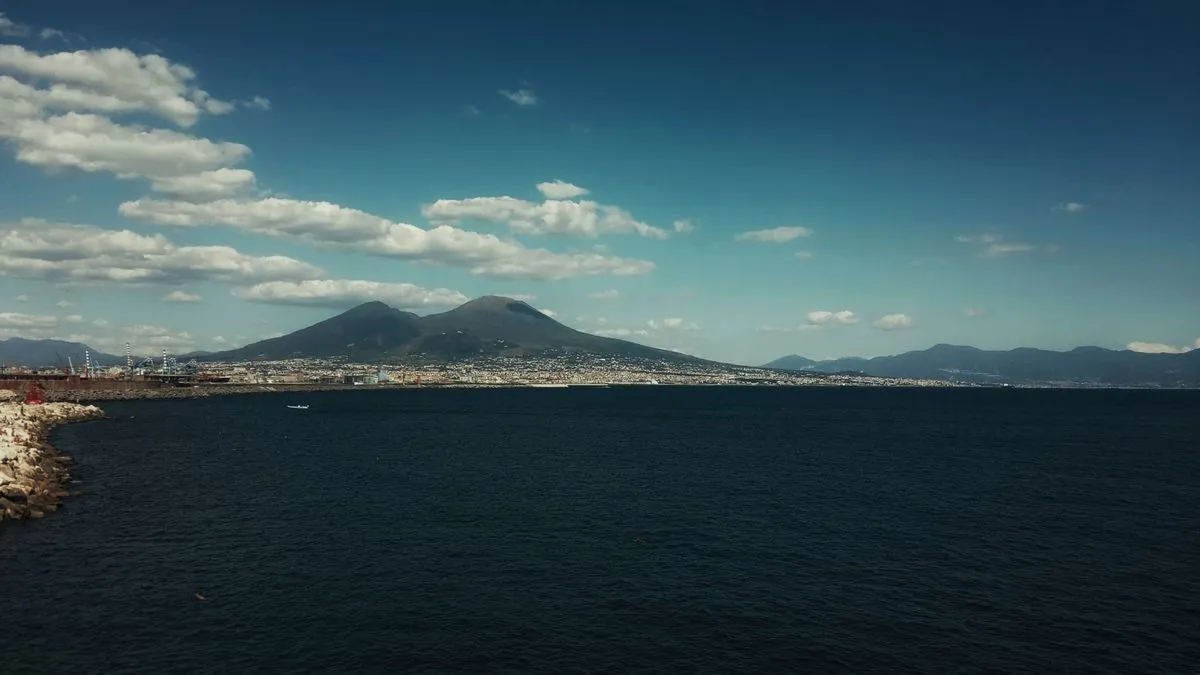 Pizza and Pompeii
Naples is loud, proud and the birthplace of pizza, with a historic centre packed into the UNESCO list. From the city, Pompeii and Herculaneum sit in the shadow of Vesuvius, frozen in the eruption of 79 AD, and the Amalfi Coast and Capri are an easy day trip. Give Naples its own night: the city rewards it.
Explore Naples and Pompeii →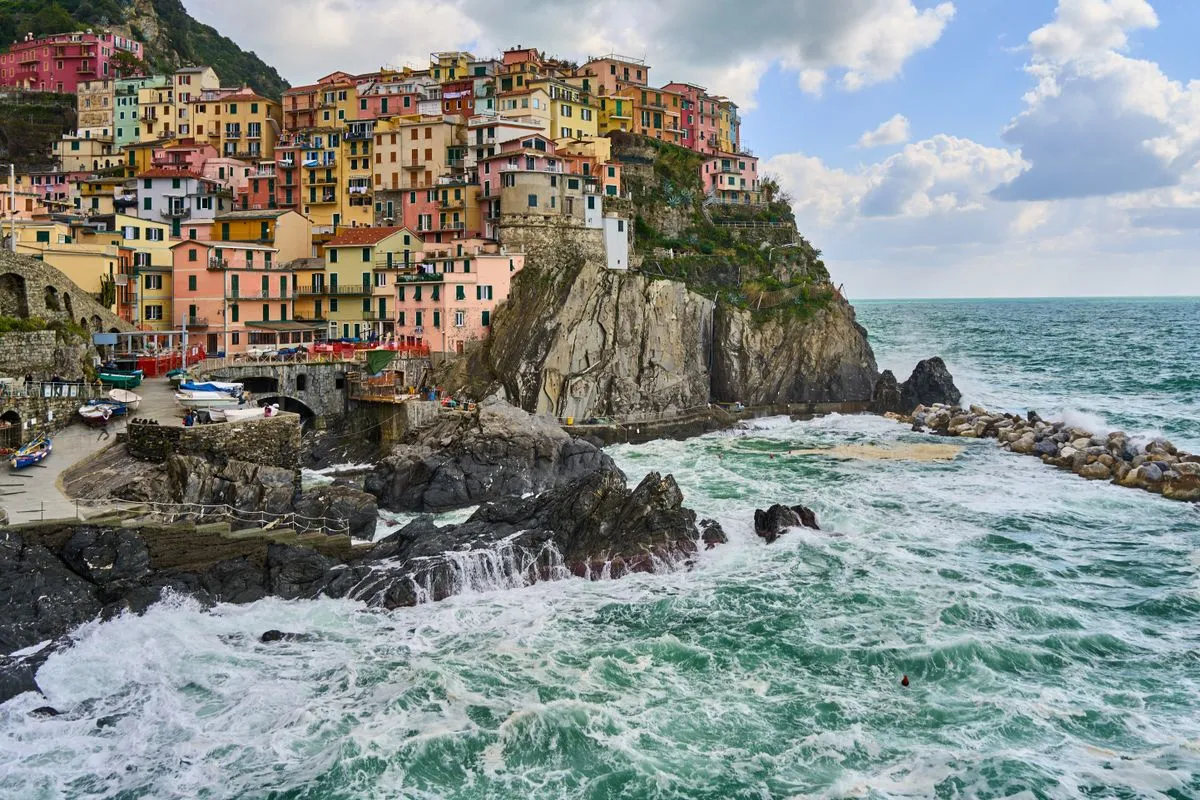 Five cliff villages
Five colourful villages cling to the cliffs of Liguria, linked by coastal paths and a little railway: Monterosso, Vernazza, Corniglia, Manarola and Riomaggiore. Hike between them, swim off the rocks, and eat anchovies and pesto where both were invented. Stay in one village and day trip the rest.
Explore Cinque Terre →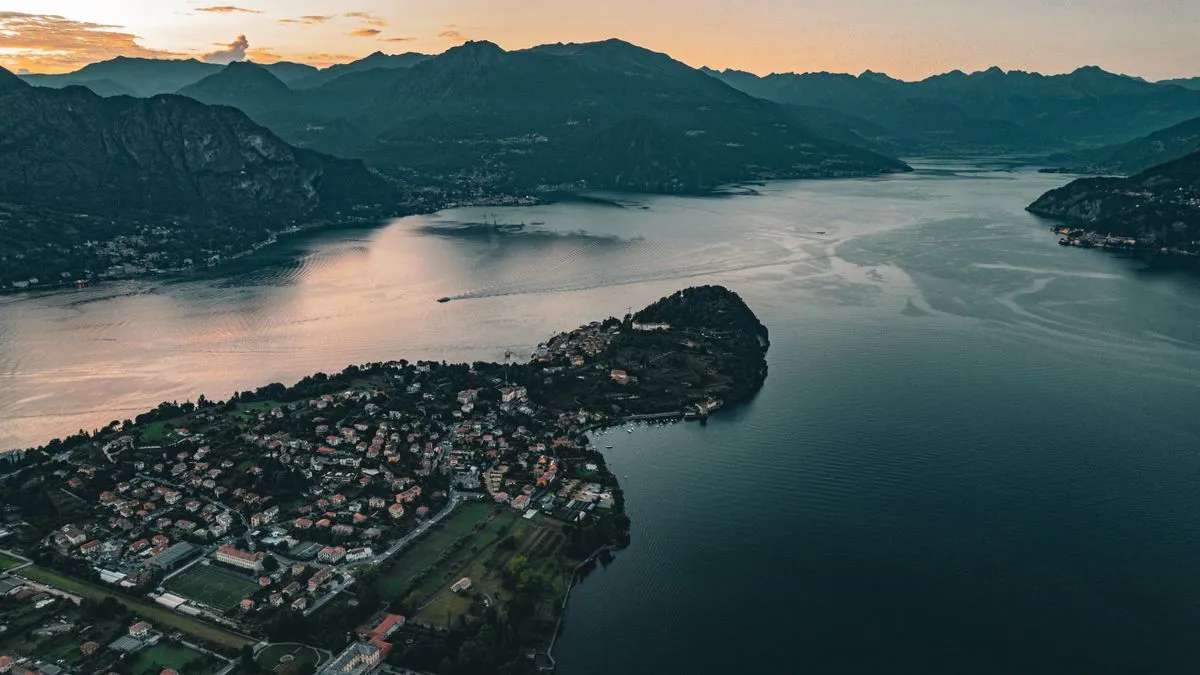 Bellagio and the villas
Lake Como is the Italian lakes at their most elegant: grand villas and gardens along deep blue water, with the Alps behind. Ferry between Bellagio, Varenna and Menaggio, tour a villa garden or two, and take the funicular above Como town. It is an easy add on to Milan and a classic honeymoon stop.
Explore Lake Como →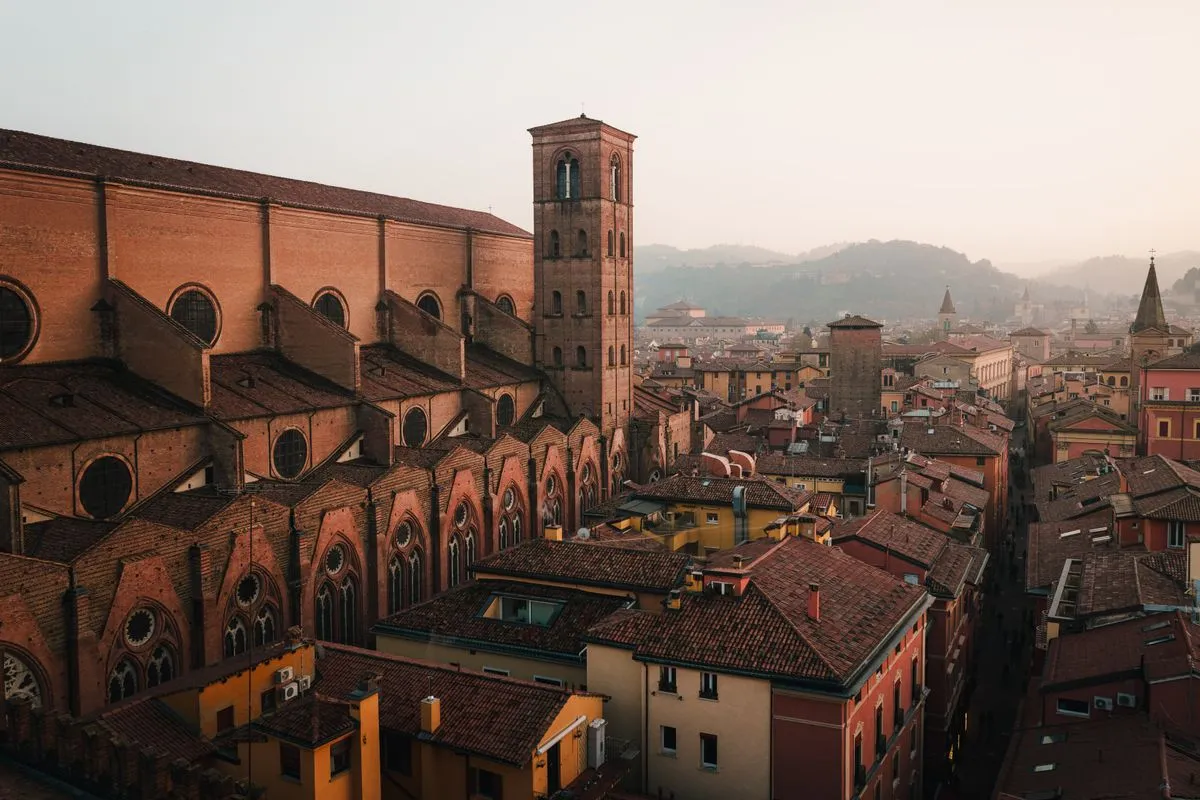 The food capital
Bologna is where Italy comes to eat. The city of tagliatelle, tortellini and ragù also holds the world's oldest university, miles of porticoed arcades for all weather wandering, and two leaning medieval towers over a red roofed old town. It sits between Florence and Venice by train, and food lovers should give it at least a night.
Explore Bologna →Guided and escorted
A guided tour suits travellers who want the stories and the local knowledge without driving, queuing or piecing the route together themselves.
Guided and escorted
From single country trips to multi country journeys, a guided tour books the hotels, the transport between stops and the must see sights into one itinerary, led by an expert guide who knows the places you are passing through. You get the big sights and the small details, with free time built in, and one point of contact here in Hamilton if plans change.
Brochures
Browse the Trafalgar brochure, then ask us to price the tour you like.
Mediterranean in detail
The Mediterranean is less a single destination than a whole season of them. Beyond Greece and Italy, the stops include Malta, Cyprus, the French Riviera, the Croatian coast and Montenegro.
 Nice to Monte Carlo
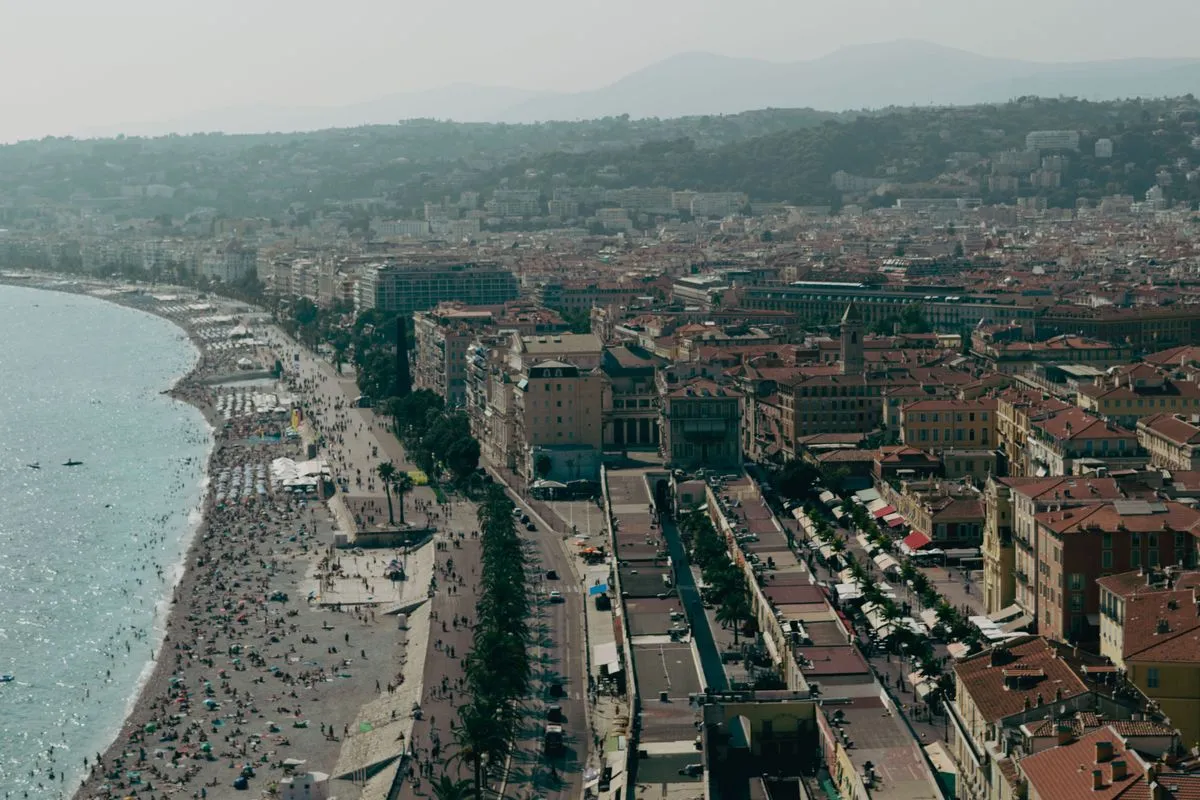
The French Riviera runs from Nice's great curving bay and Promenade des Anglais through Antibes and Cannes to the yachts of Monte Carlo. Ride the coastal train between towns, swim from beach clubs, and detour inland to hill villages like Eze and the perfumeries of Grasse. It pairs with Provence or a Mediterranean cruise.
Explore French Riviera →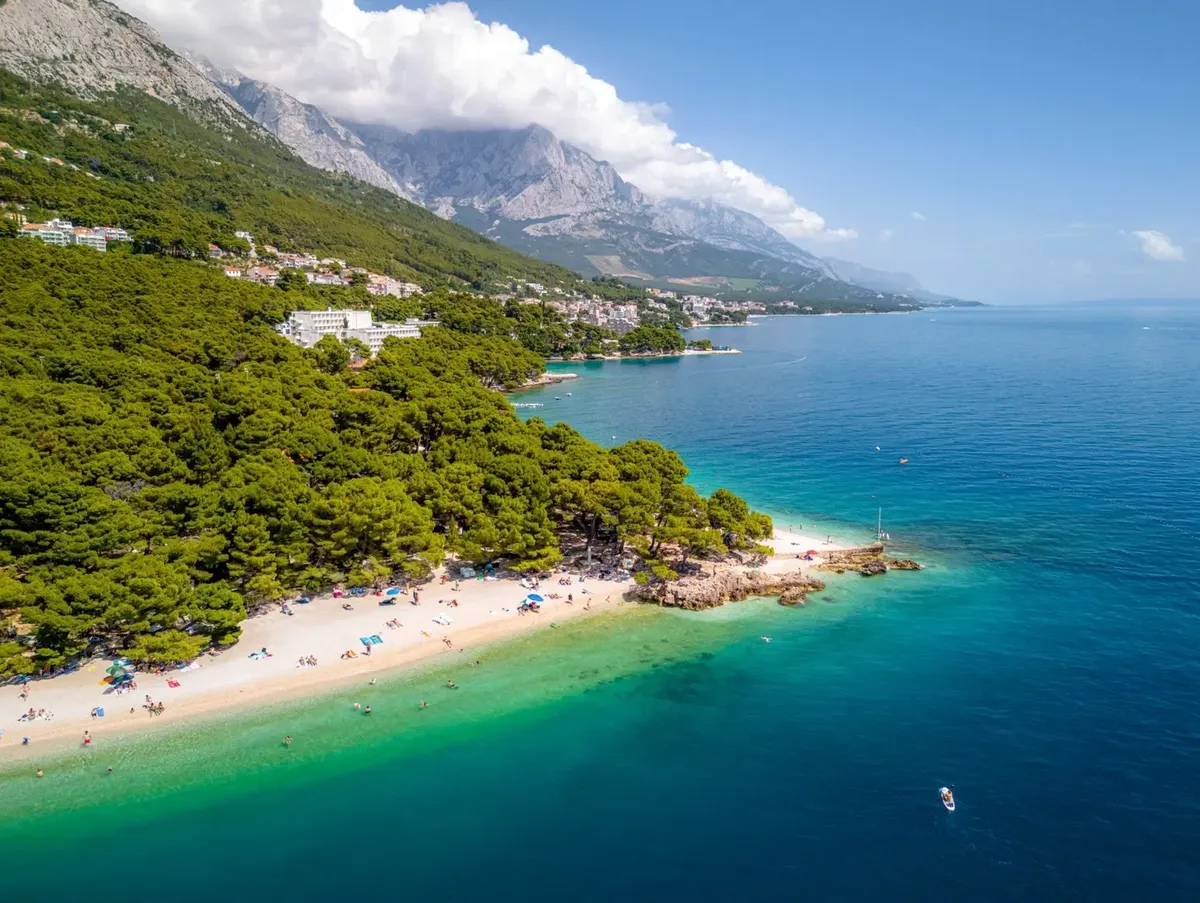 Dubrovnik and the islands
Croatia's coast runs a thousand islands deep: walk Dubrovnik's walls, wander the palace in Split, and ferry hop to Hvar, Korcula and Vis for swimming in clear Adriatic water. Sail it, drive it or cruise it in small ships.
Explore Croatian Coast →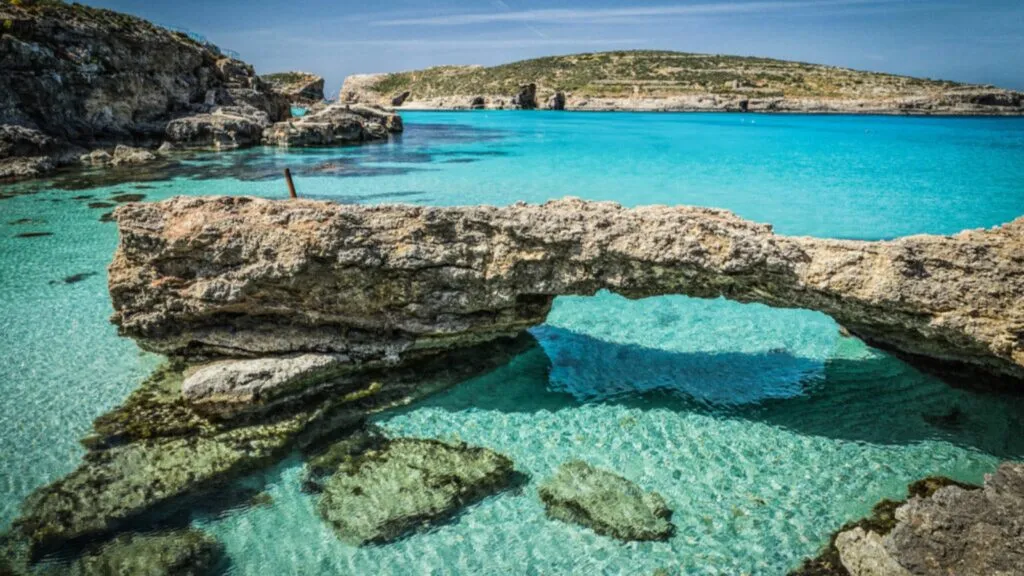 Valletta and beyond
Malta packs thousands of years into one small island: Valletta's golden stone streets and grand harbour, the silent city of Mdina, and temples older than the pyramids. Swim in the Blue Lagoon on Comino, dive the wrecks and caves, and add slow days on Gozo. English is spoken everywhere and the sun shines most of the year.
Explore Malta →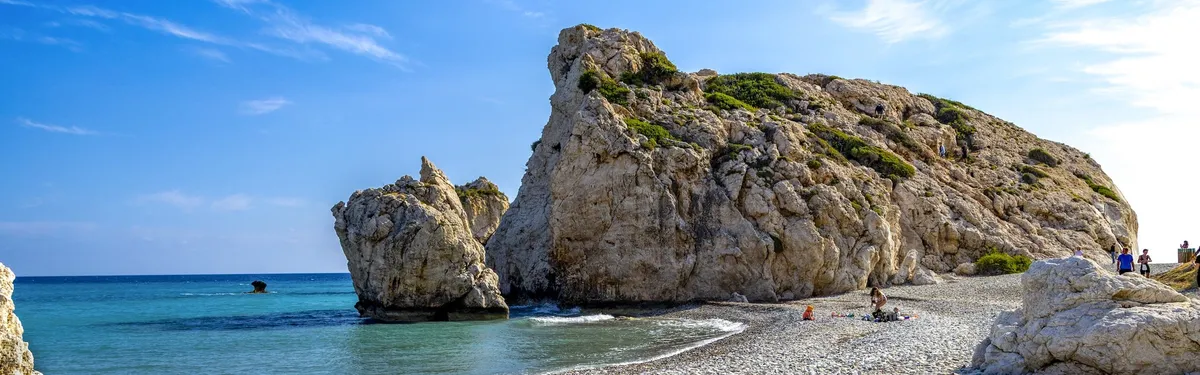 Paphos and Ayia Napa
Cyprus sits at the crossroads of Europe and the Middle East, with beaches at Ayia Napa and Protaras, Roman mosaics and a harbour castle at Paphos, and the Troodos mountains inland. Eat meze and halloumi where both were perfected, and split days between ancient sites and some of the warmest swimming in the Mediterranean.
Explore Cyprus →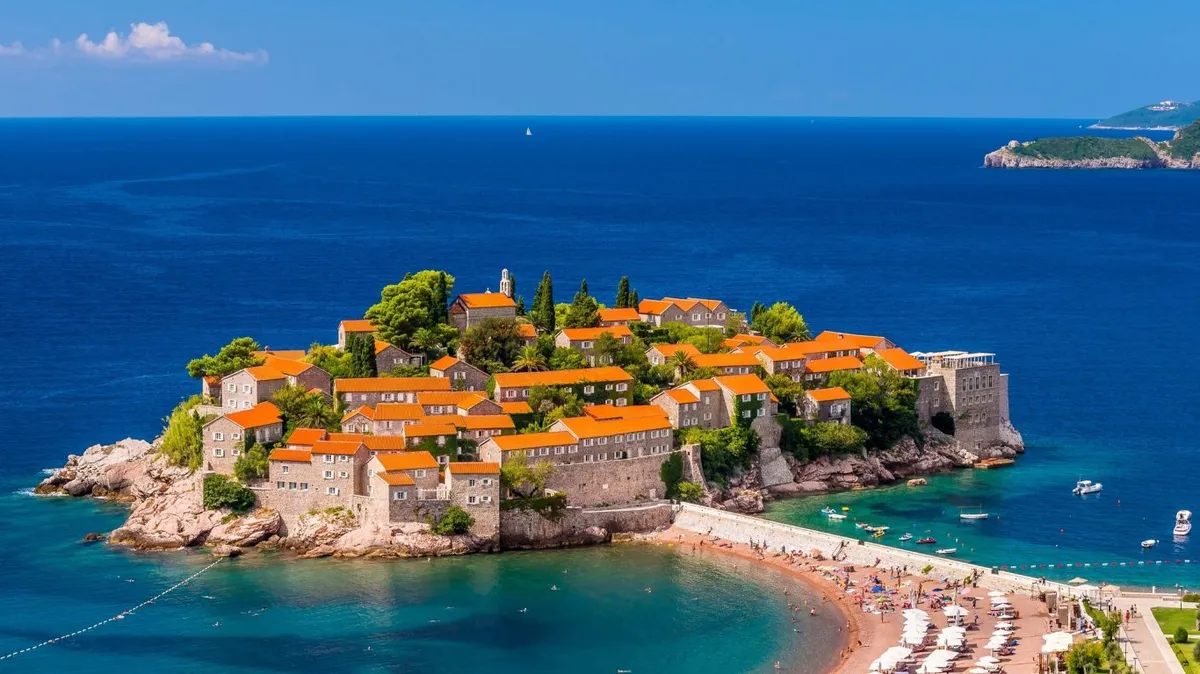 The Bay of Kotor
Montenegro is the Adriatic's quiet surprise: the Bay of Kotor winds between mountains to a Venetian walled town, Budva brings beaches and an old town of its own, and the interior holds canyons and national parks. It pairs easily with Dubrovnik, just across the border, and still feels like a discovery.
Explore Montenegro →Spain in detail
Spain rewards travellers who mix the big cities with the coast: a few days of Gaudí and tapas, then slow beach time on the Mediterranean.
Start in Barcelona with the Sagrada Familia and the Gothic Quarter, add Madrid for the Prado and late dinners, then head to the coast or the islands for beach days. Spain also pairs beautifully with Portugal on one Iberian trip, and we can build either as a guided tour or a fully independent itinerary with trains and transfers arranged.
 Gaudi and the sea
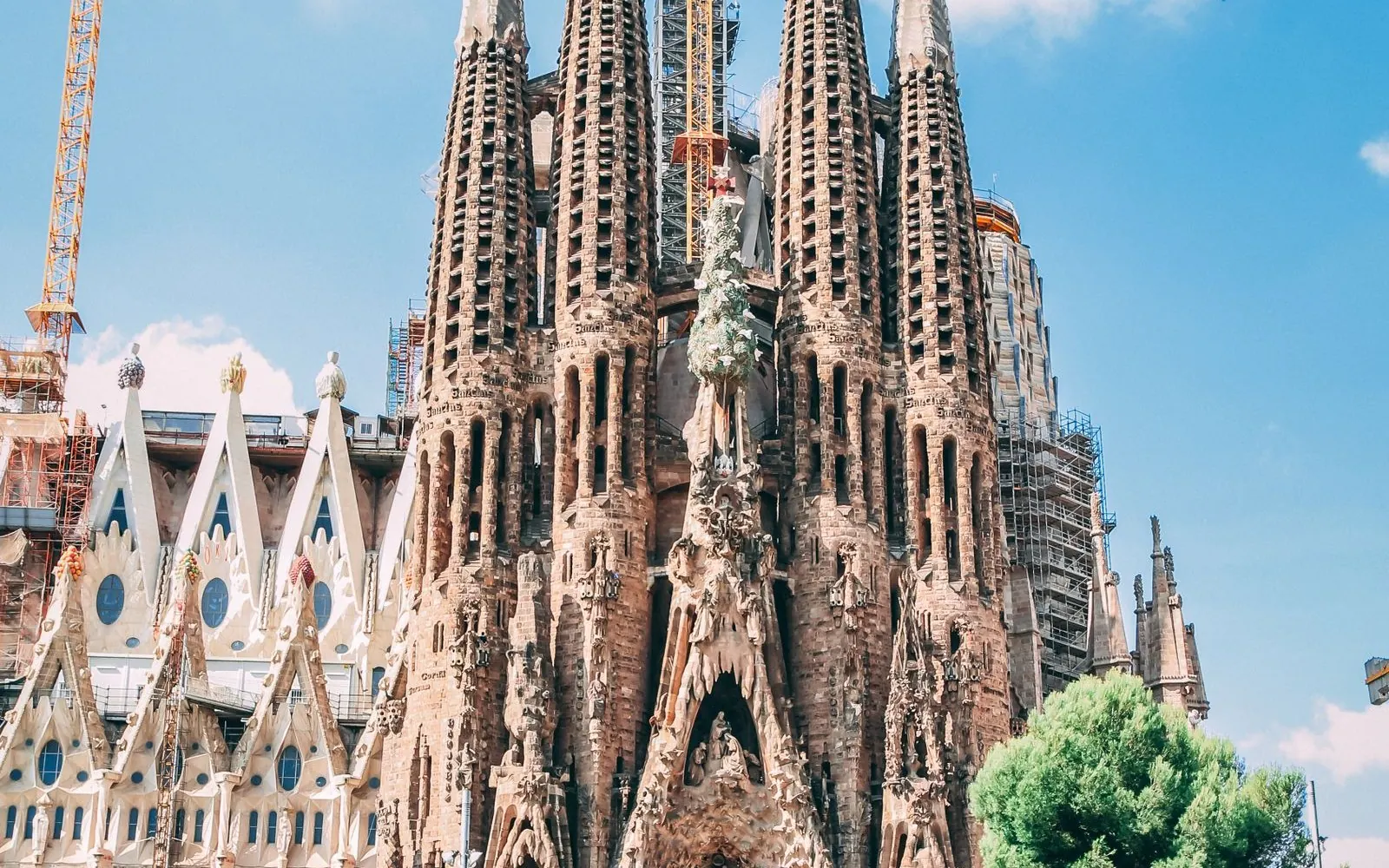
Gaudi's colour, Gothic lanes and a city beach: Barcelona mixes great art, great food and Mediterranean days in one stay.
Explore Barcelona →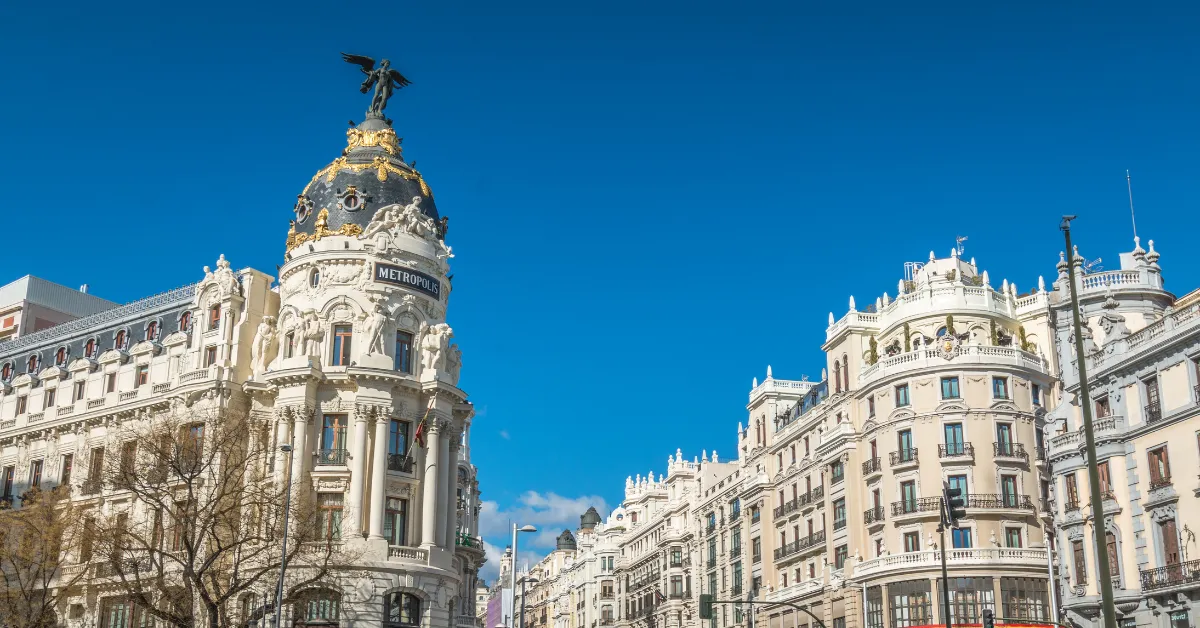 The capital
Spain's capital of art and late nights: the Prado, Retiro Park and neighbourhoods that eat dinner at ten.
Explore Madrid →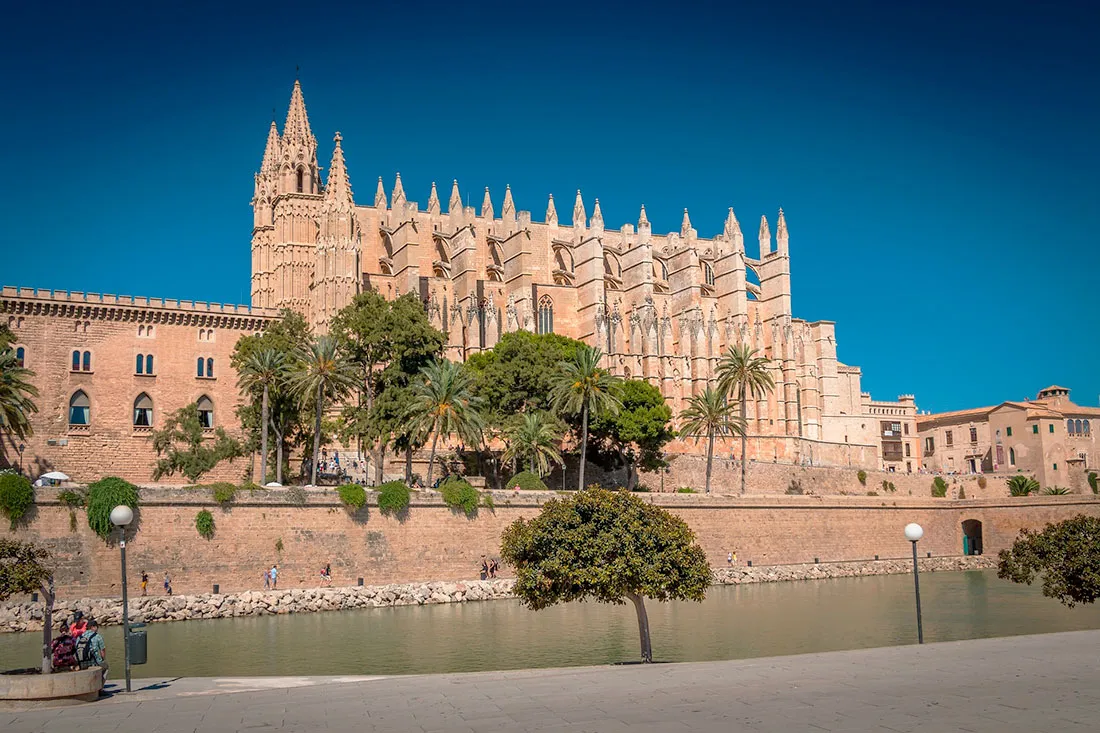 Mallorca's capital
A grand seaside cathedral, an old town of courtyards and the gateway to Mallorca's coves and mountain villages.
Explore Palma de Mallorca →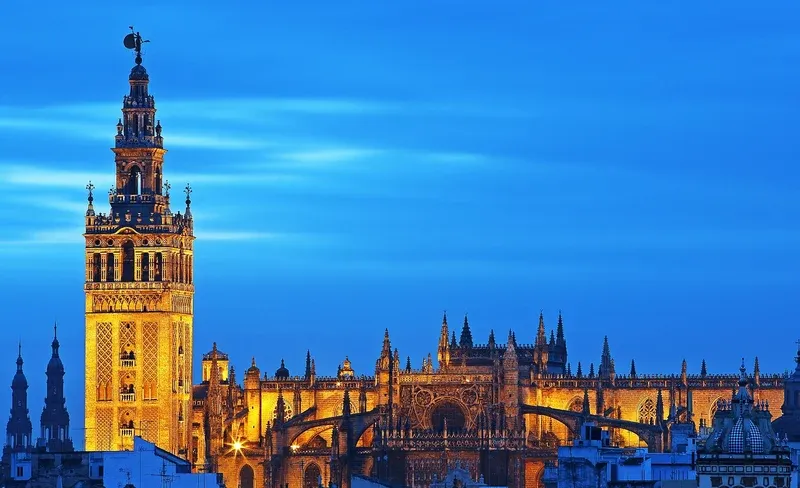 Andalusia's heart
Orange trees, flamenco and the great cathedral: Seville is Andalusia at its most beautiful and most alive.
Explore Seville →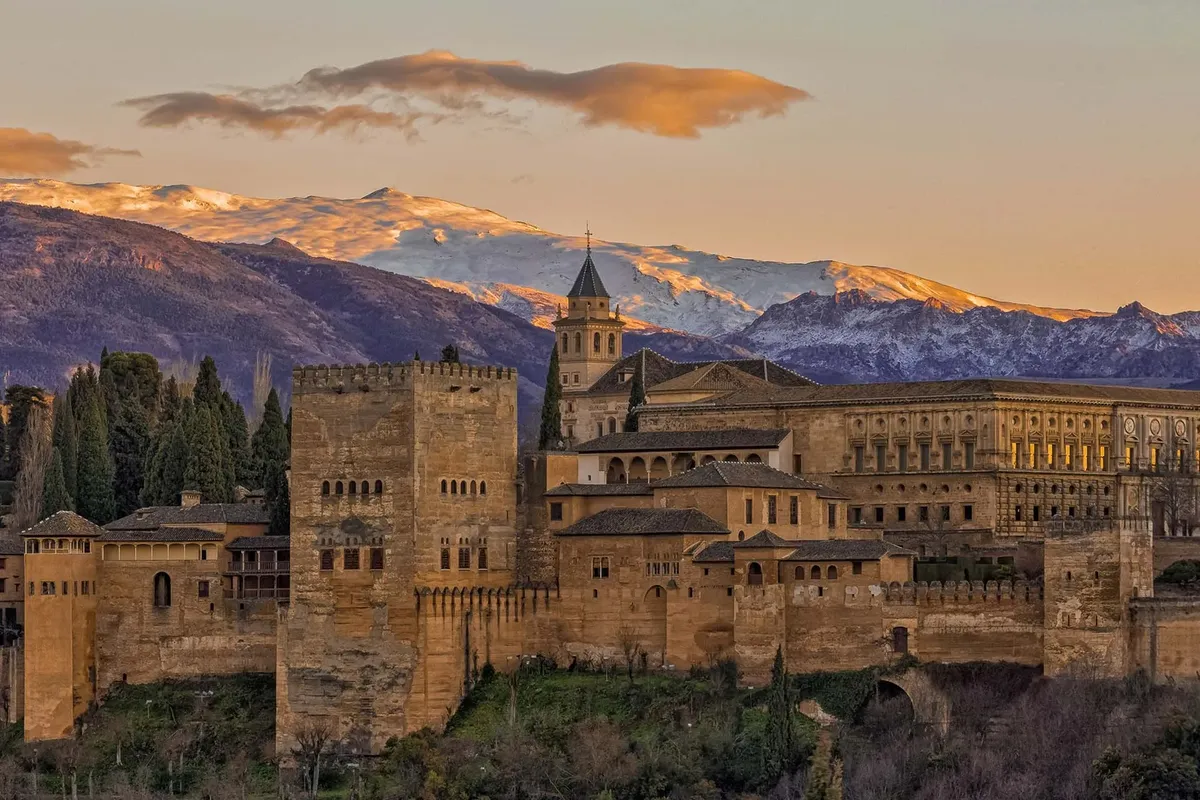 The Alhambra
Home to the Alhambra, the most beautiful palace complex in Spain, with the Albaicin's white lanes facing it across the valley.
Explore Granada →United Kingdom in detail
London alone can fill a week, but the United Kingdom gets even better when you add the countryside, Scotland or Wales to the same trip.
See the icons in London first: Tower Bridge, Westminster and the museums, then ride the train out to castle country, the Cotswolds or Edinburgh. We pace UK trips so you are not changing hotels every night, and we can add theatre tickets, day tours and rail passes into one itinerary.
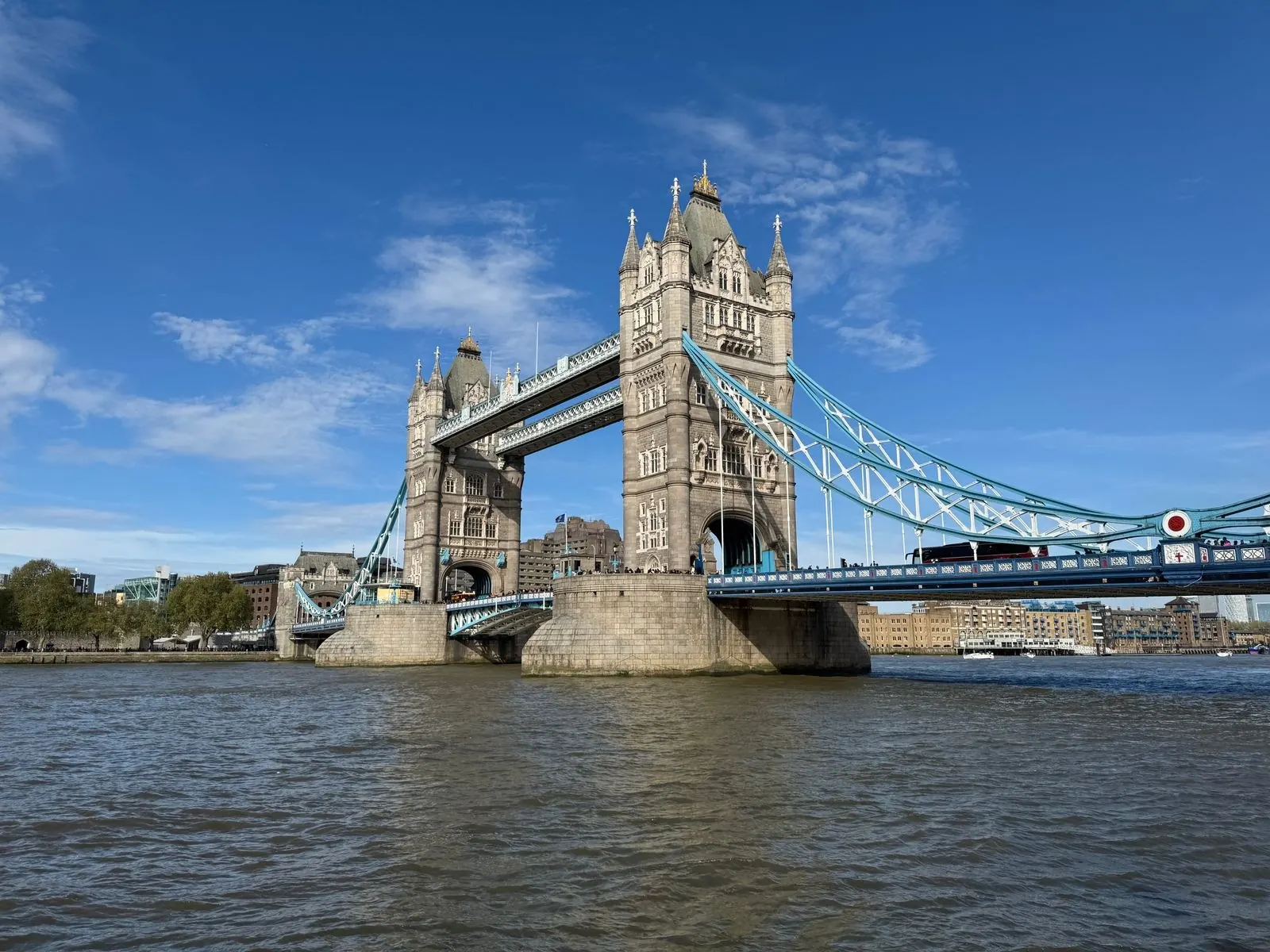 The capital
Tower Bridge, Westminster, world class museums and theatre: London can fill a week and still leave a list.
Explore London →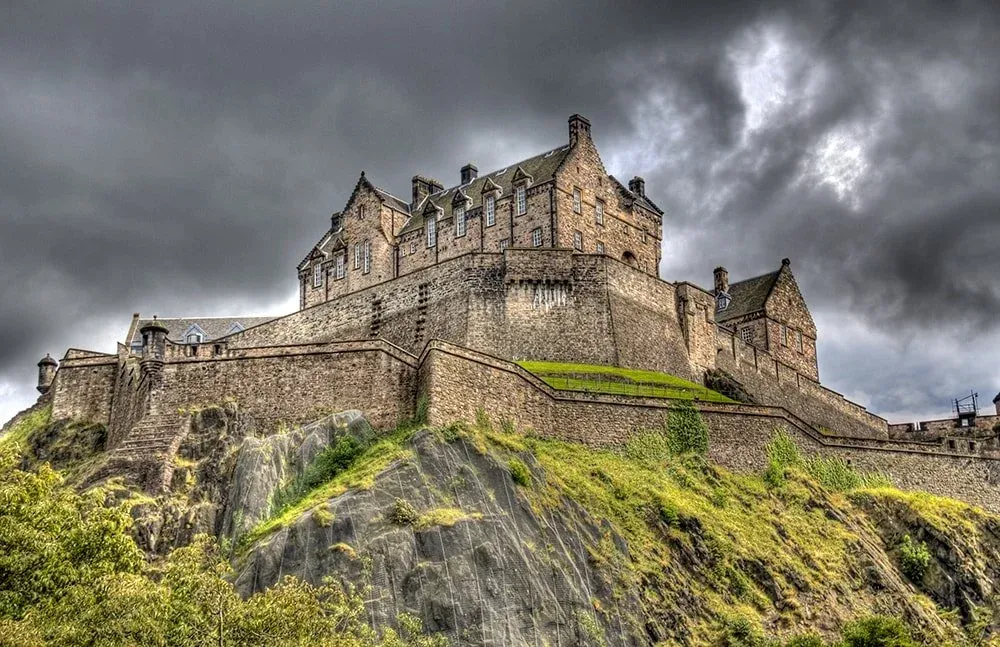 Scotland's capital
A castle on a rock, a medieval old town and a Georgian new town, with the world's biggest arts festival every August.
Explore Edinburgh →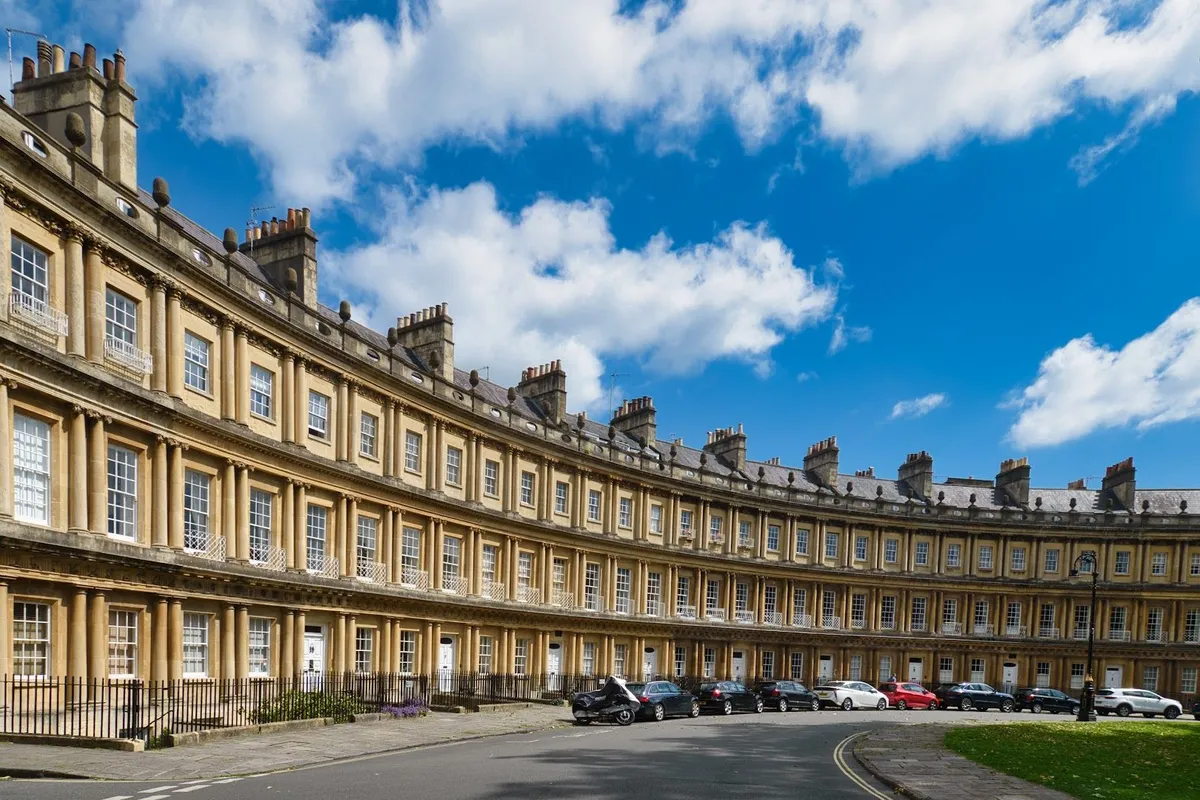 Georgian elegance
Honey coloured Georgian crescents, Roman baths and a spa city that has been a getaway for two thousand years.
Explore Bath →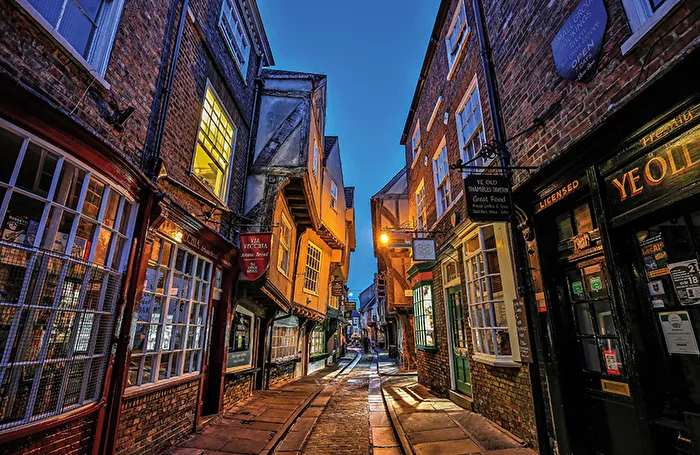 Viking and medieval city
A walled city of Viking streets and a great minster, with the Shambles, ghost walks and railway history.
Explore York →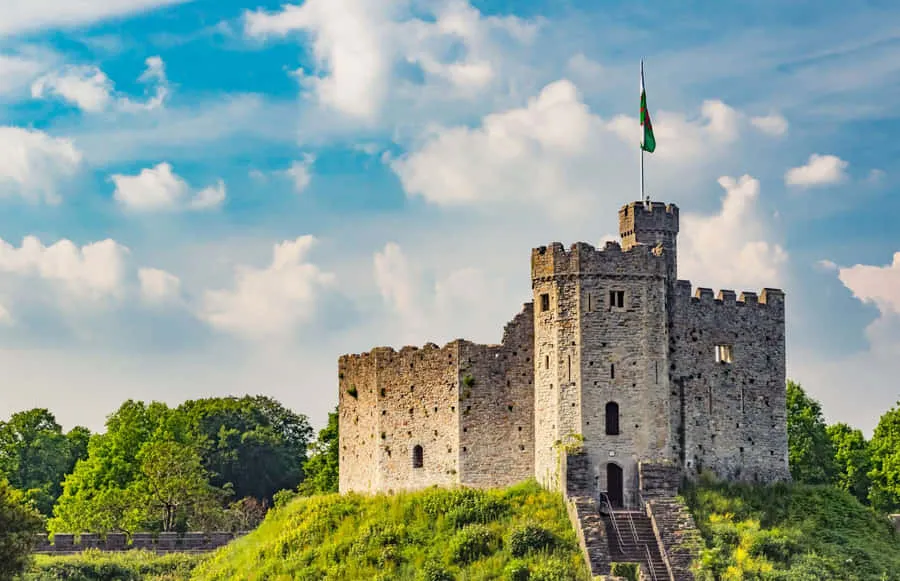 Wales' capital
A castle in the city centre, a regenerated bay and Welsh culture in a compact, friendly capital.
Explore Cardiff →Ireland in detail
Ireland is a road trip country: green coastal drives, cliff tops and small towns where the pub is the evening plan.
Drive the Wild Atlantic Way, walk the cliff paths, and leave time for the unplanned stops: a castle ruin, a harbour village, a trad music session. We map Ireland routes with sensible driving days, book the characterful hotels and B&Bs, and can add a guided tour instead if you would rather not drive.
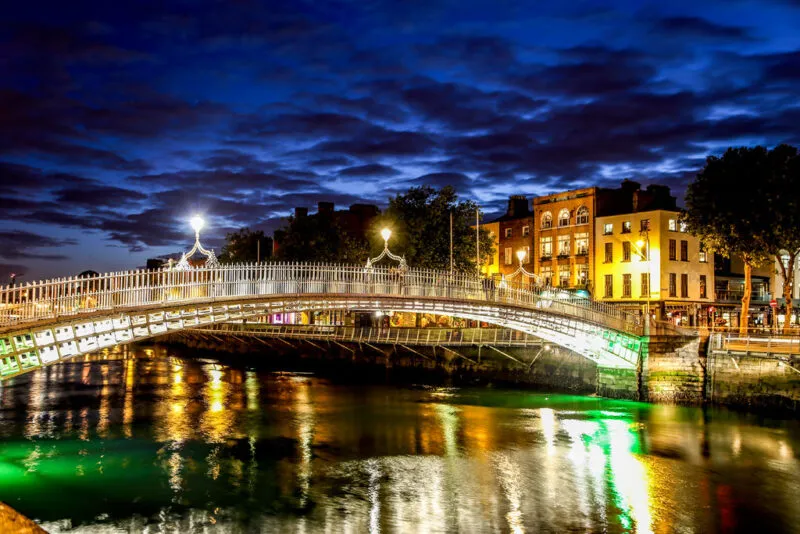 The capital
Trinity College and the Book of Kells, Temple Bar's buzz and a literary city that talks like no other.
Explore Dublin →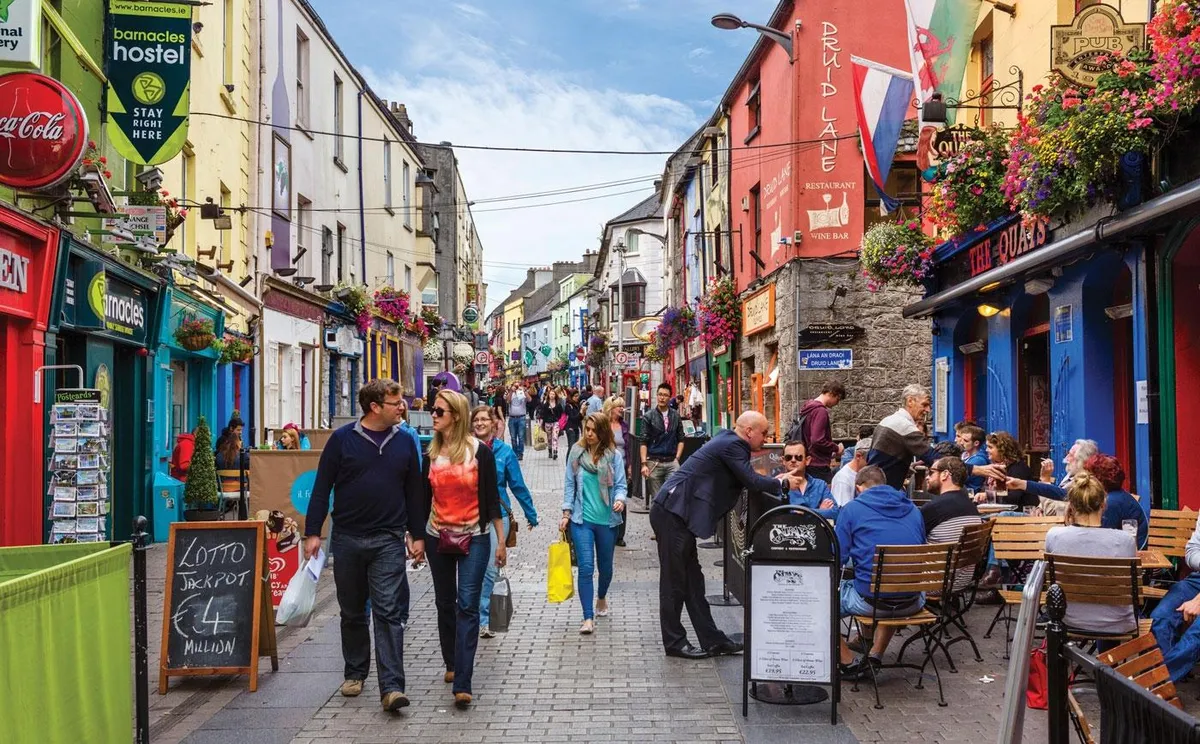 Wild Atlantic gateway
A bohemian harbour city of buskers and oysters, and the gateway to Connemara and the Aran Islands.
Explore Galway →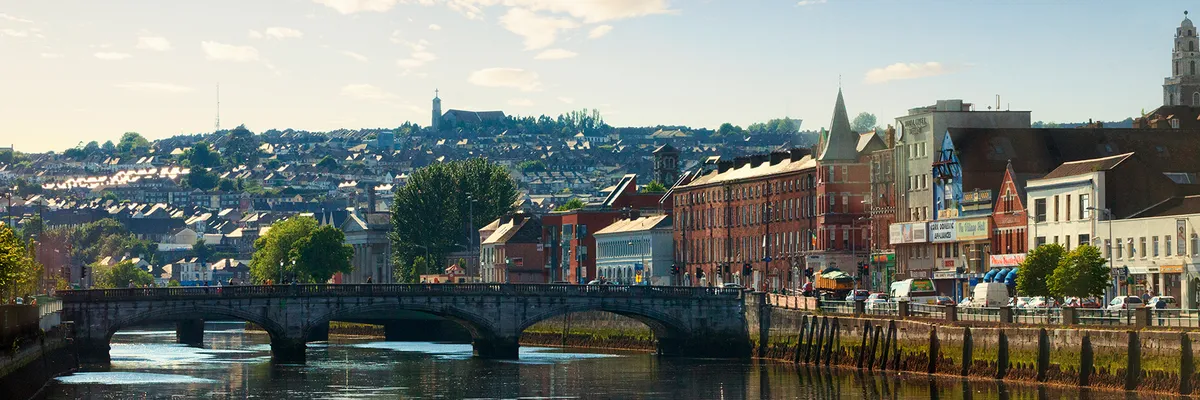 Food and harbour city
Ireland's food capital county: the English Market, Blarney Castle and the great natural harbour at Cobh.
Explore Cork →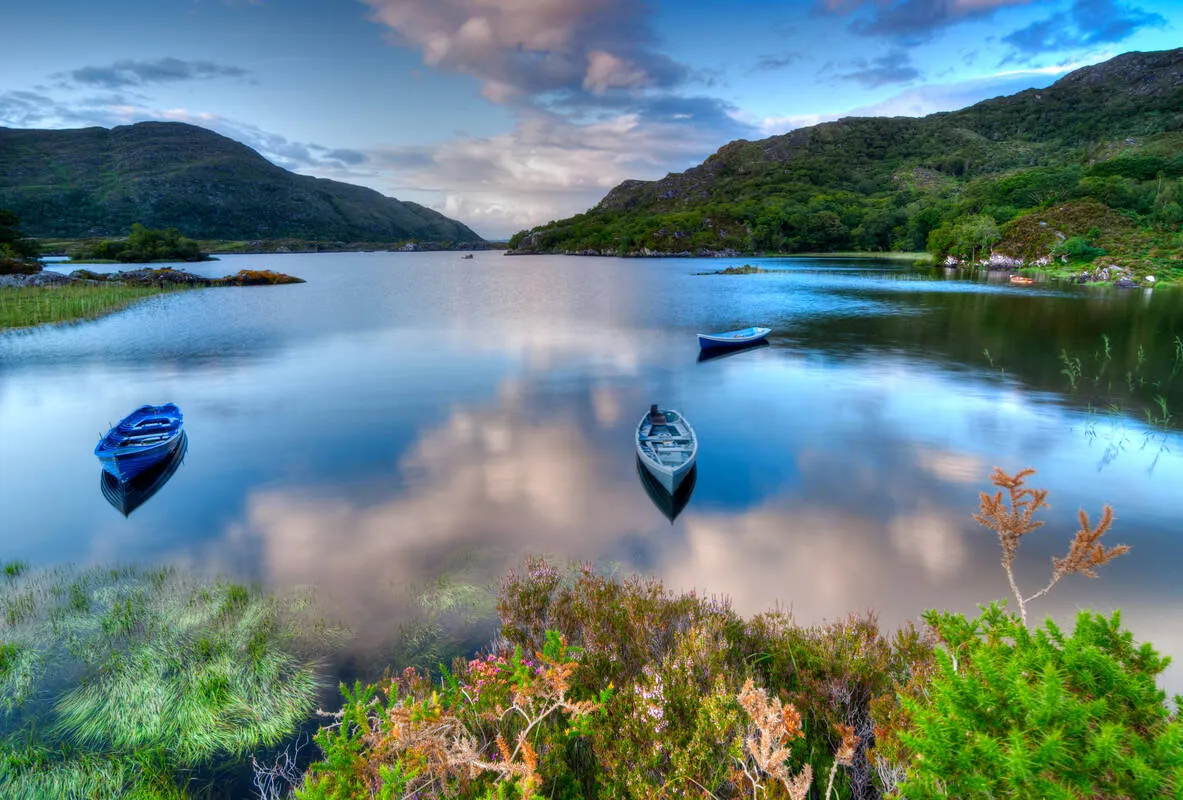 Lakes and national park
The town at the edge of Killarney National Park: lakes, mountains, jaunting cars and the start of the Ring of Kerry.
Explore Killarney →France in detail
France splits neatly in two: Paris for the icons, then the south for markets, lavender and sea air.
Give Paris its mornings: cafés, museums and neighbourhood walks, with the Eiffel Tower at golden hour. Then take the train south to Provence and the Riviera for market towns, coastal drives and long lunches. We build France trips as city breaks, rail journeys or guided tours, with hotels chosen for location, not just price.
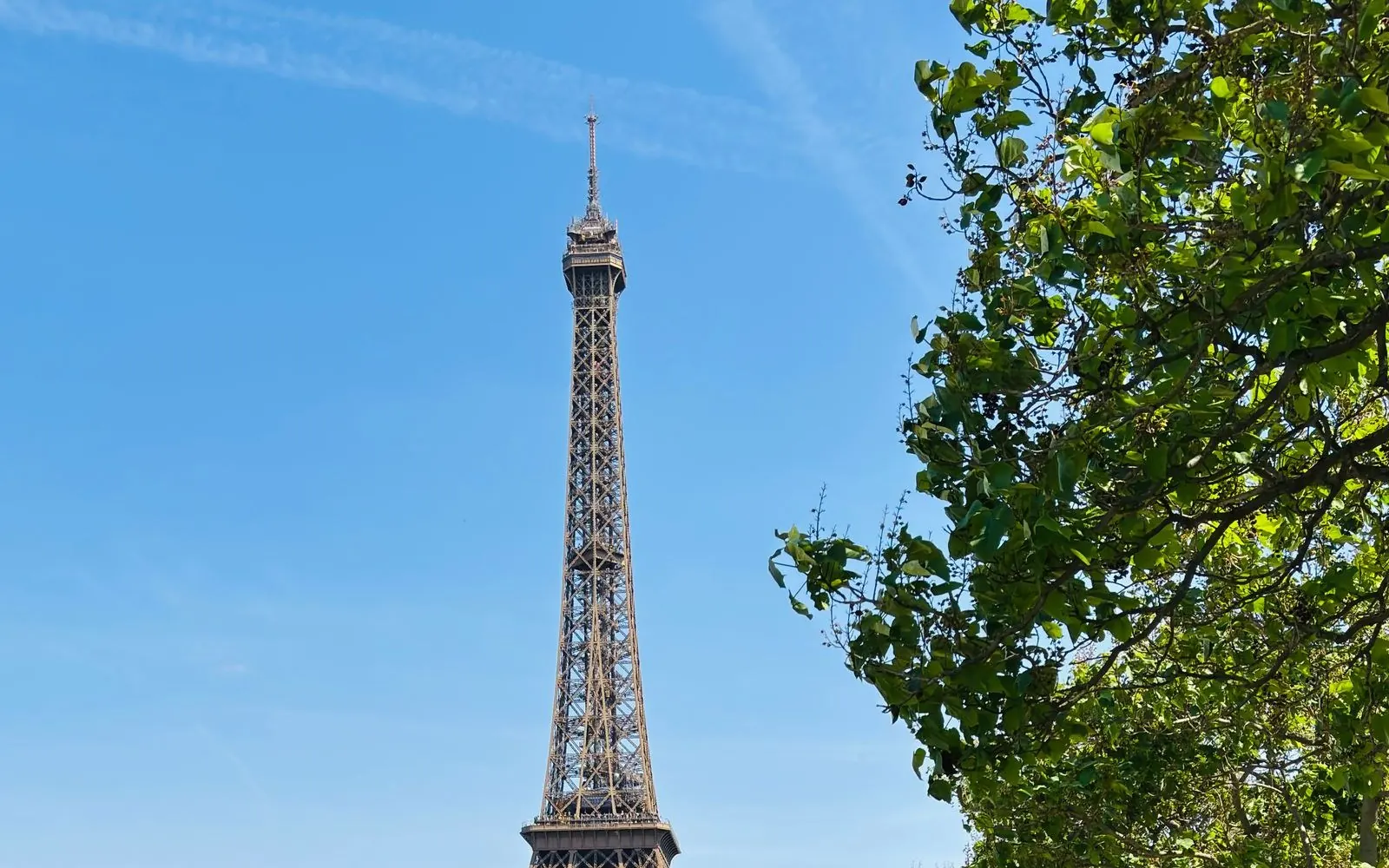 The capital
The Eiffel Tower, great museums and cafe mornings: Paris is the city break every traveller should do properly once.
Explore Paris →Nice to Monte Carlo
The Riviera coast from Nice through Antibes and Cannes to Monte Carlo, linked by one pretty coastal railway.
Explore French Riviera →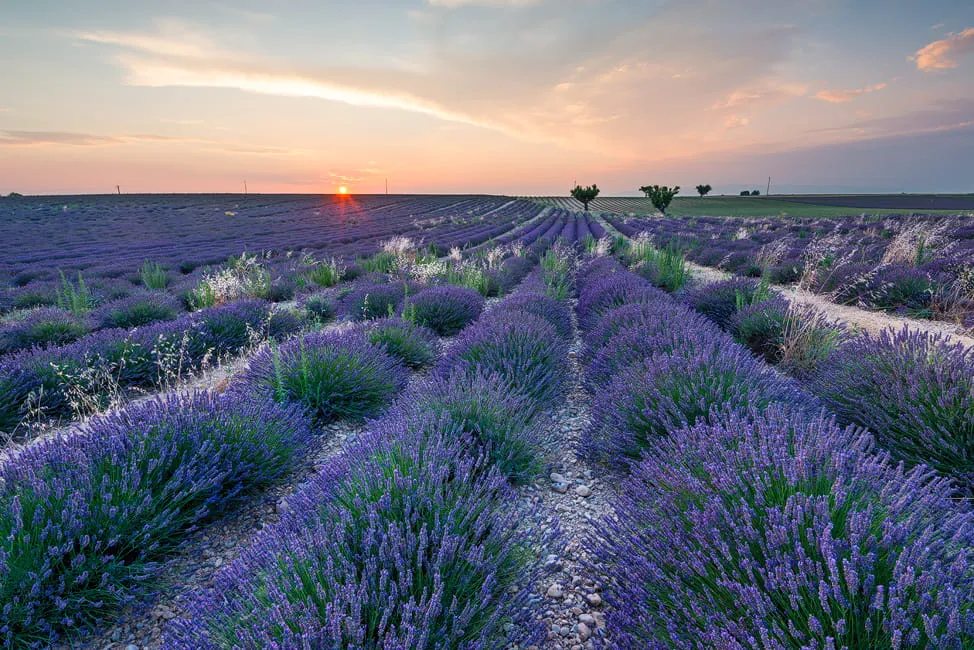 Lavender and hill towns
Hill towns, lavender fields and market mornings in the Luberon and around Aix, under the famous southern light.
Explore Provence →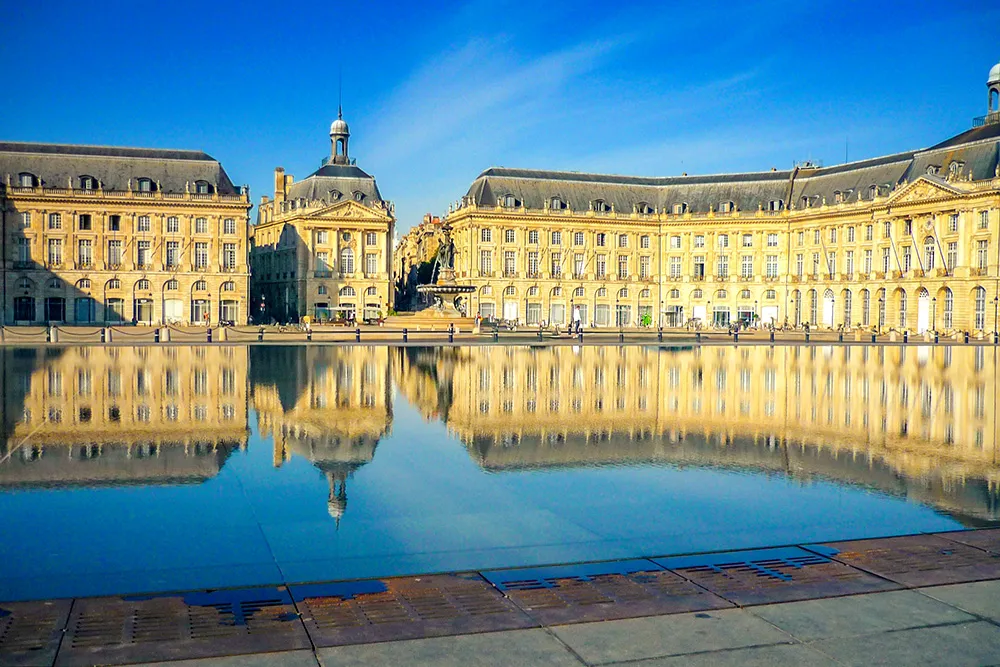 Wine capital
An elegant river city rebuilt in golden stone, surrounded by the most famous wine country on earth.
Explore Bordeaux →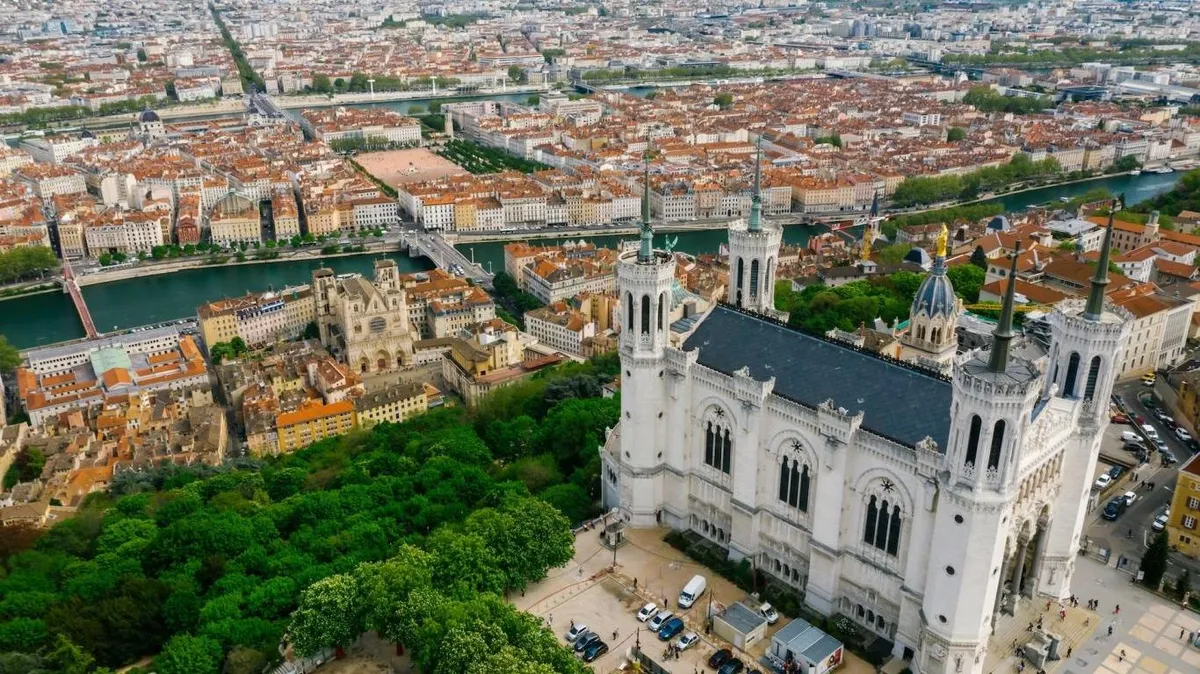 Food capital of France
The gastronomic capital of France, with Roman theatres, Renaissance traboules and two rivers to walk between.
Explore Lyon →Germany in detail
Germany mixes fairytale old towns with serious cities: Berlin and Munich for energy, the Rhine and Bavaria for castles and river valleys.
Walk Rothenburg's cobbled lanes, cruise a stretch of the Rhine past castles, and finish in Munich's beer gardens or Berlin's museums and memorials. River cruises and guided tours cover a lot of Germany comfortably, and we can also build independent rail trips that link it all together.
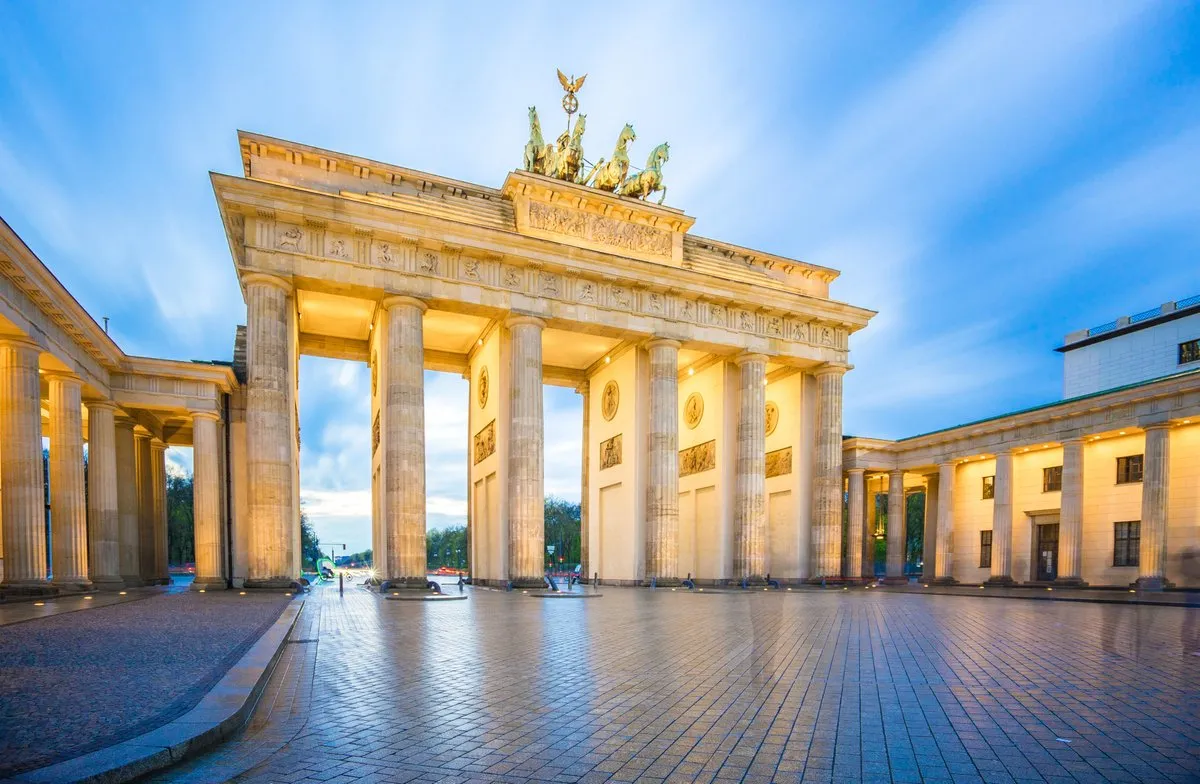 The capital
A capital layered with twentieth century history, world class museums and neighbourhoods with endless energy.
Explore Berlin →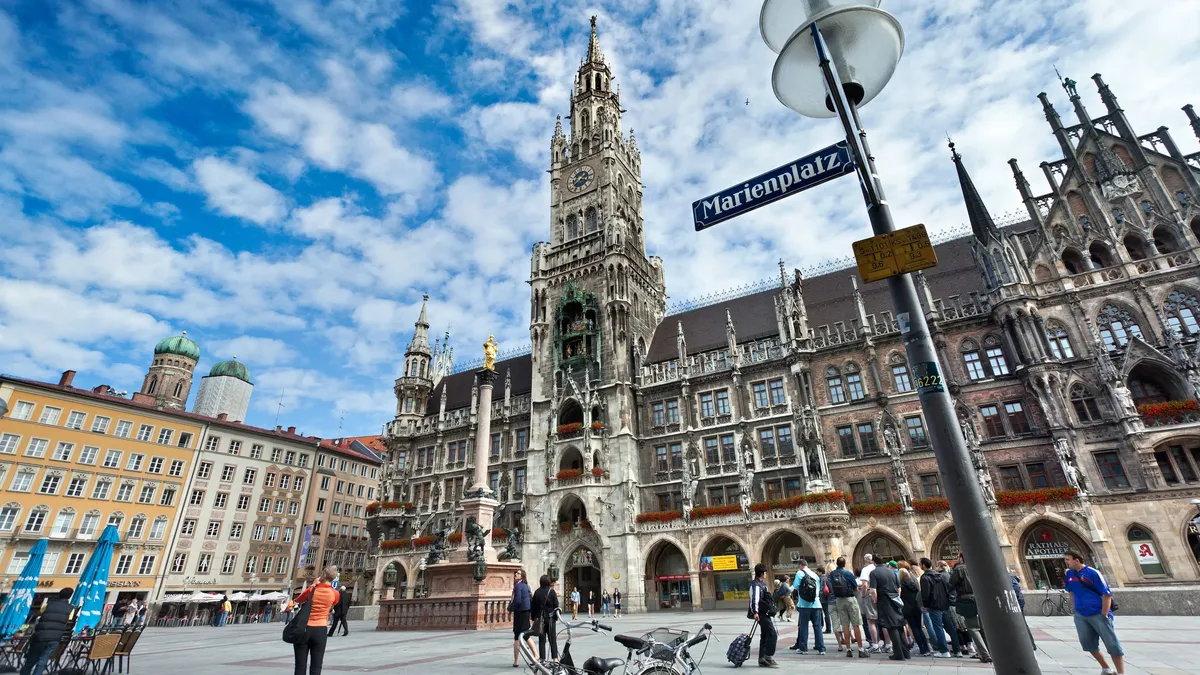 Bavaria's capital
 of beer gardens and art, and the gateway to Neuschwanstein and the Alps.
Explore Munich →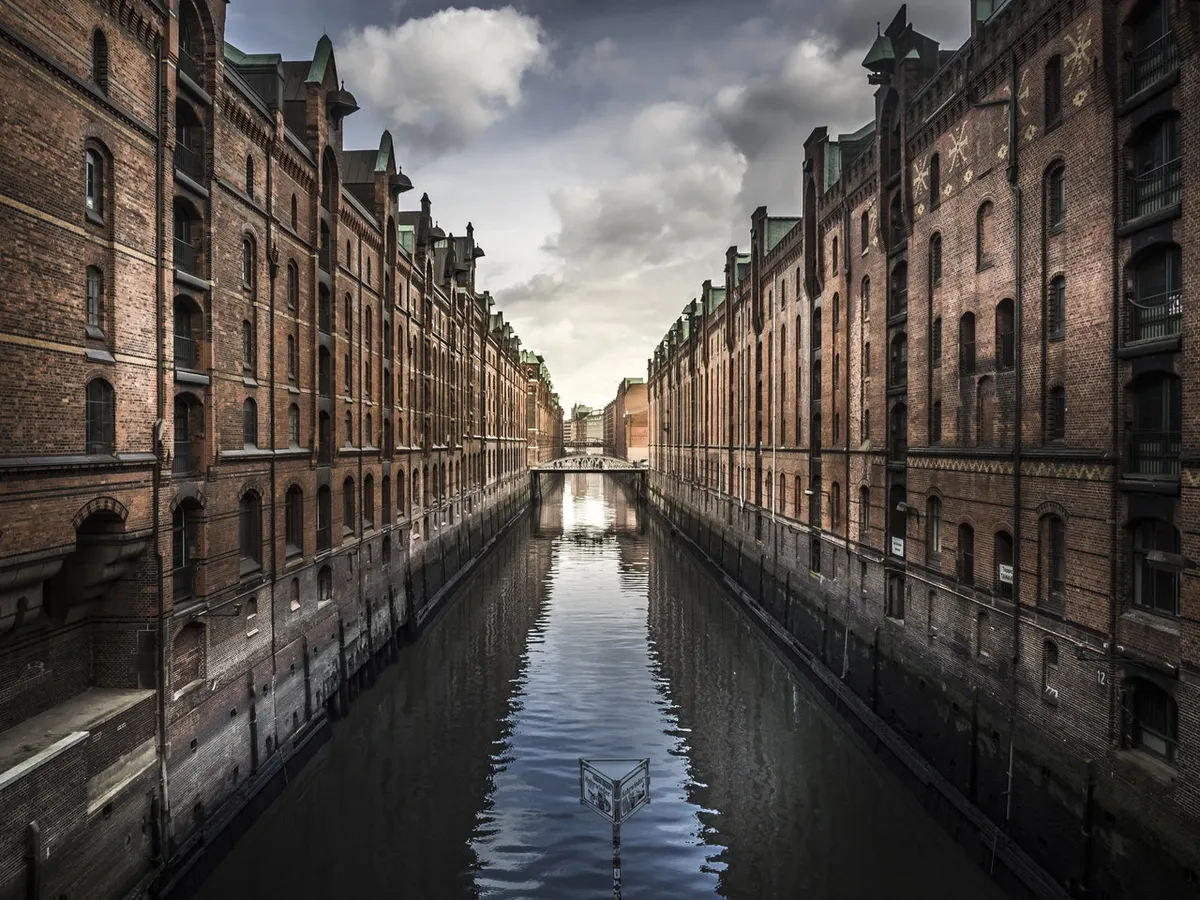 Harbour city
Germany's great port: warehouse districts, the Elbphilharmonie concert hall and a harbour that runs the city's life.
Explore Hamburg →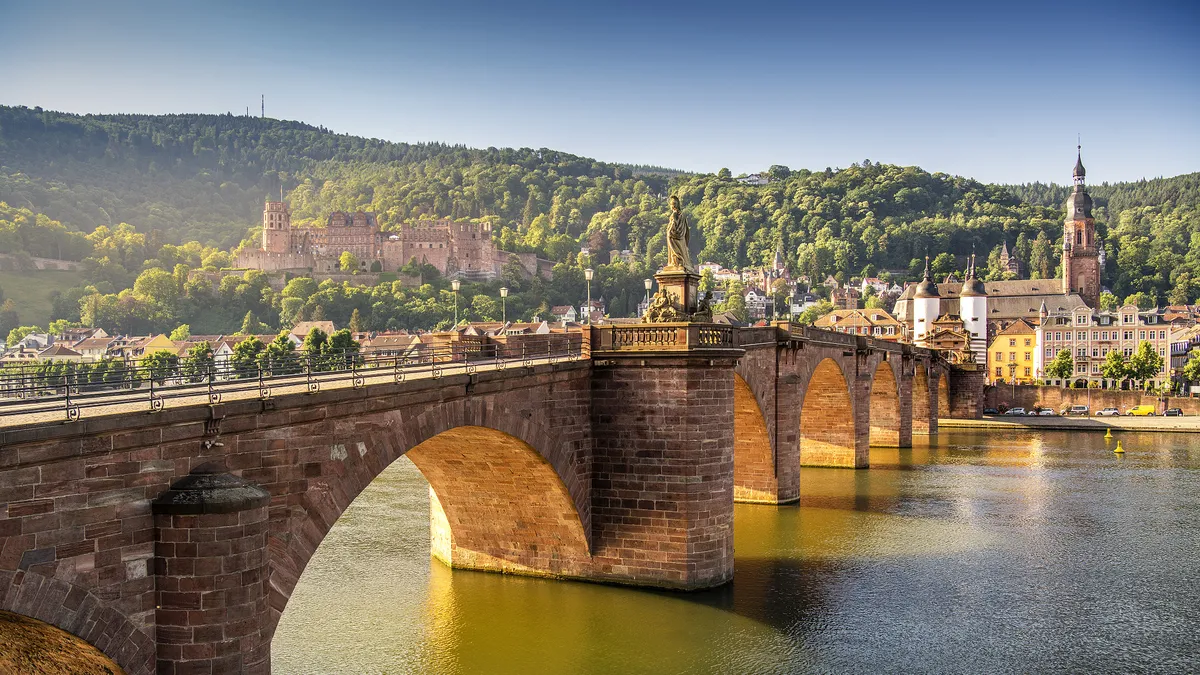 Romantic university town
A romantic old town under a ruined castle, on the Neckar River, in Germany's oldest university city.
Explore Heidelberg →Netherlands in detail
Amsterdam is the headline, but the Netherlands is compact enough to see properly: canals, museums and tulip fields all within easy day trips.
Ride a bike along the canals, spend a full day between the Rijksmuseum and the Van Gogh Museum, and take the train out to windmills and, in spring, the tulip fields. The Netherlands pairs easily with Belgium or a Rhine river cruise, and we build it into wider Europe trips all the time.
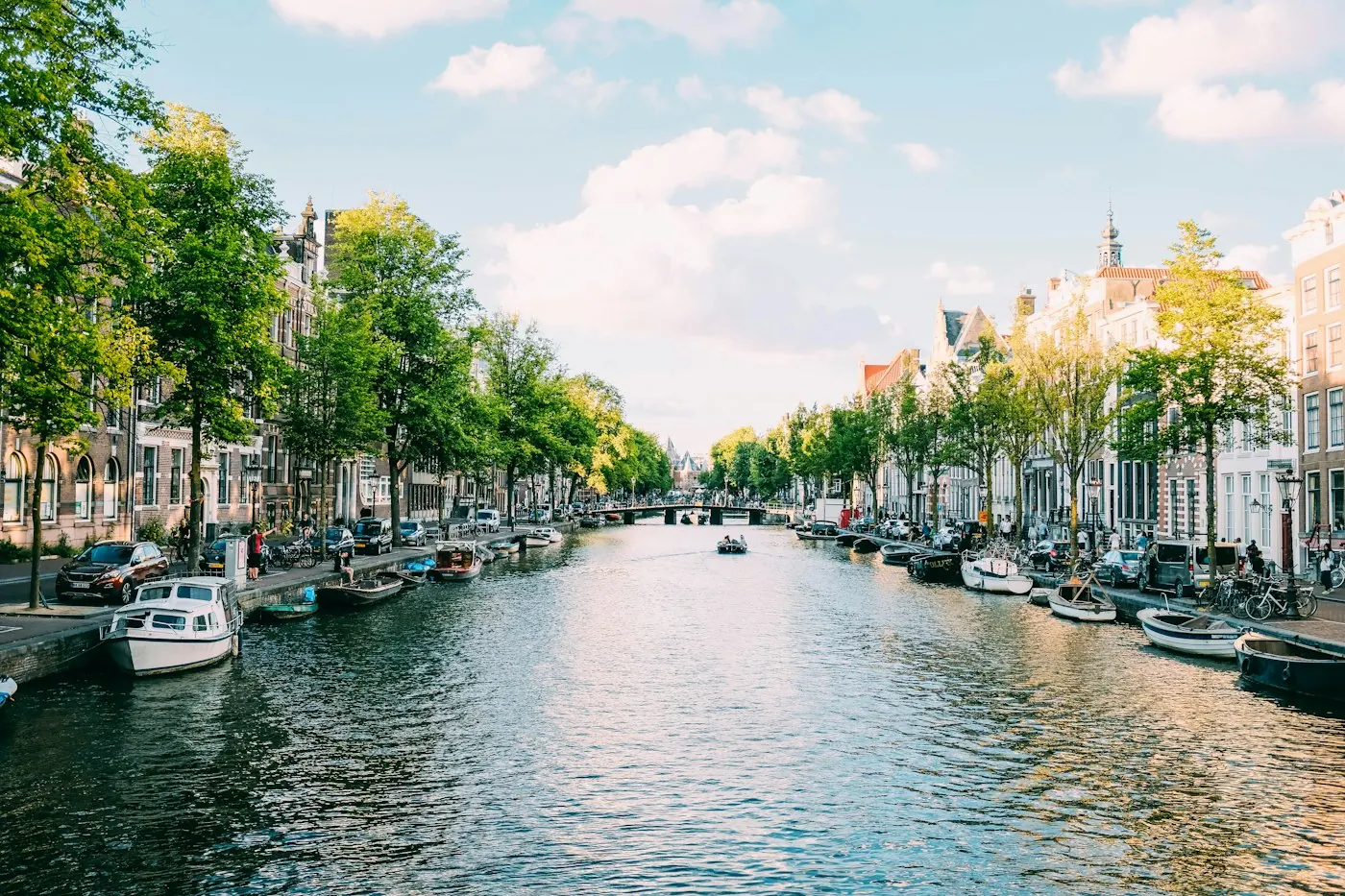 The capital
Canals, bicycles and two of the world's great museums: Amsterdam is compact, beautiful and best explored slowly.
Explore Amsterdam →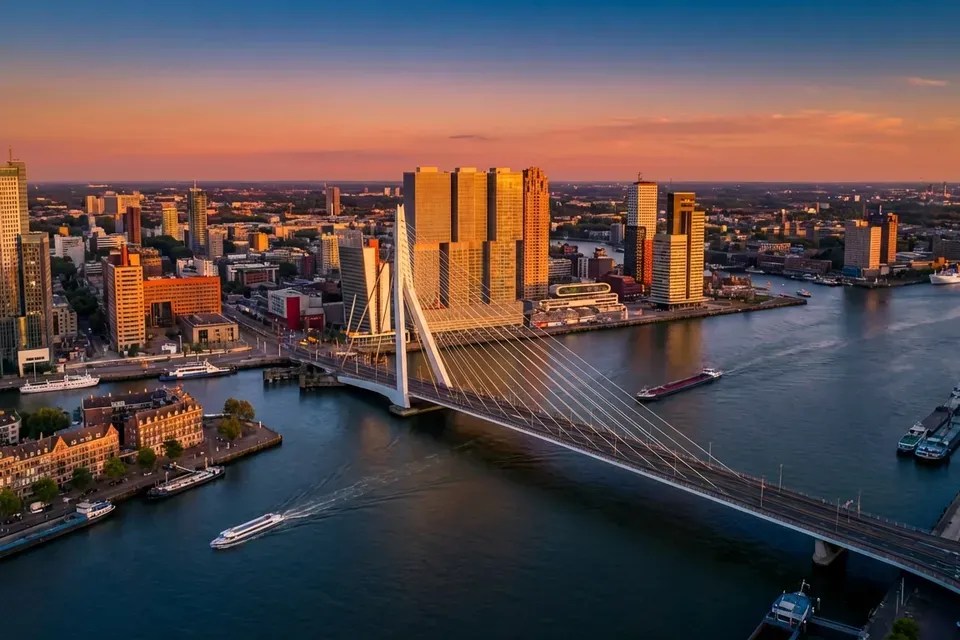 Modern port city
Europe's largest port, rebuilt as a showcase of bold modern architecture, food halls and harbour energy.
Explore Rotterdam →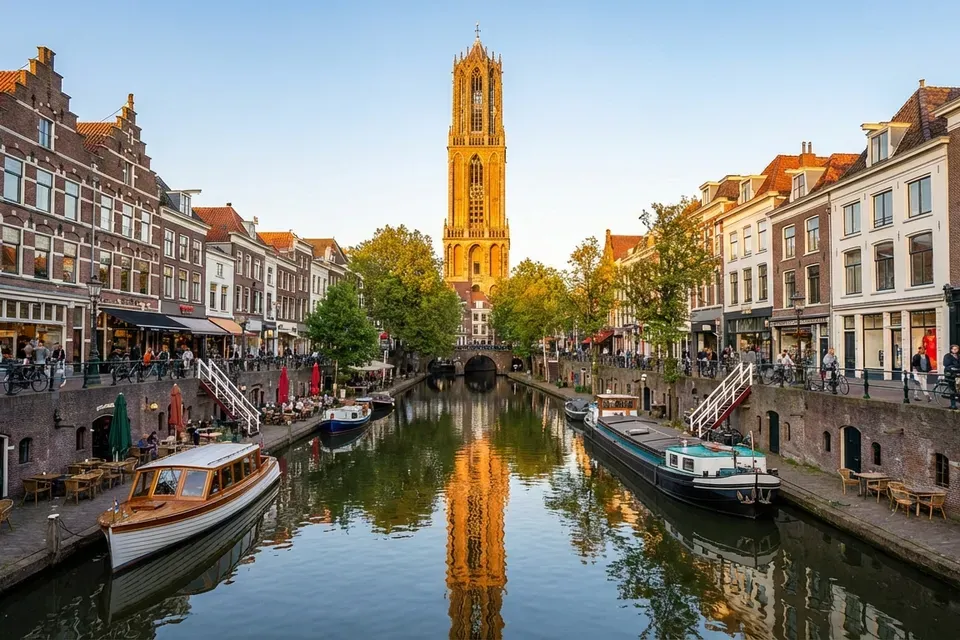 Canal city with wharves
A medieval canal city whose wharf level cafes sit right on the water, crowned by the Dom Tower.
Explore Utrecht →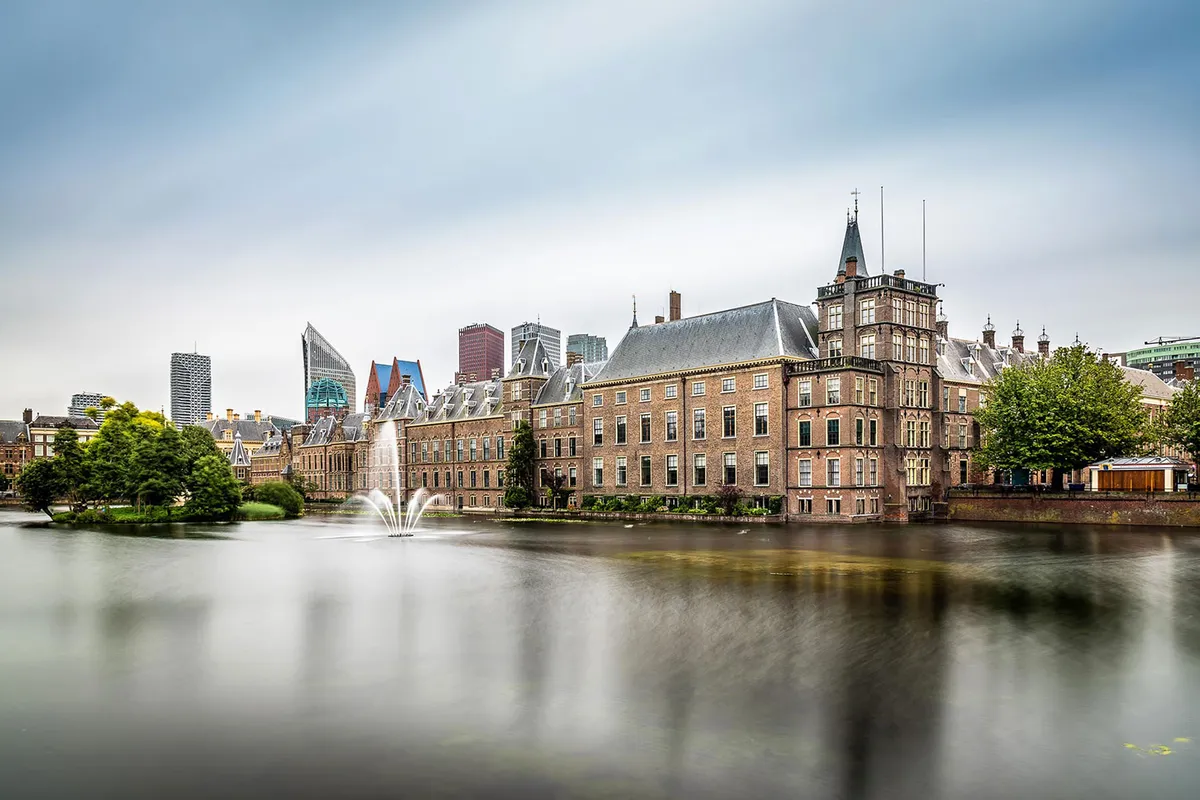 Seat of government
The political capital: parliament around its pond, Vermeer's Girl with the Pearl Earring and the beach at Scheveningen.
Explore The Hague →Iceland in detail
Iceland is one big scenic drive: waterfalls you can walk behind, black sand beaches, glaciers and hot lagoons under huge skies.
The classic route follows the Ring Road or the Golden Circle, stopping at waterfalls like Skógafoss, Reynisfjara's black sand and a lagoon swim at the end of the day. In winter, add a northern lights hunt. We book Iceland as self drive trips or guided tours, paced for the season and the daylight you will actually get.
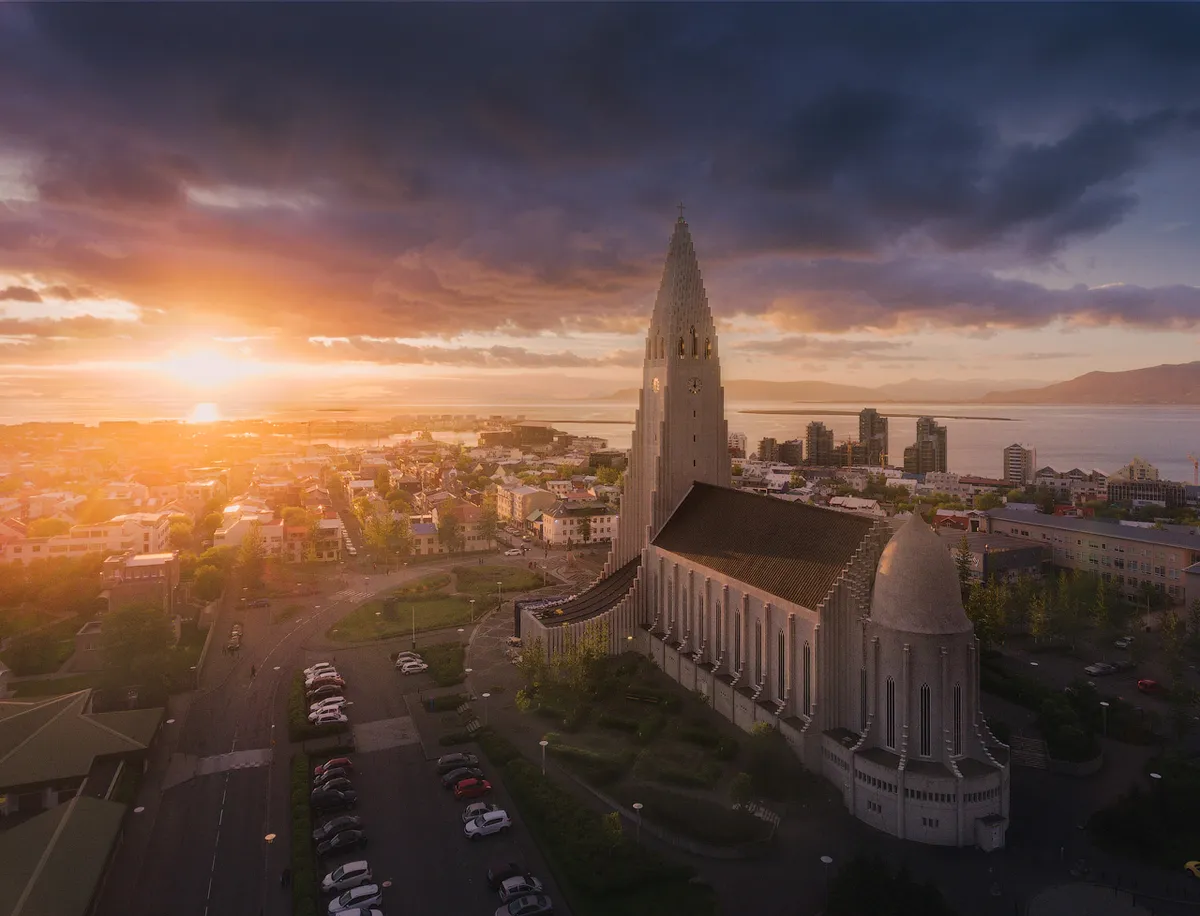 The capital
The world's northernmost capital: colourful houses, the Hallgrimskirkja church tower and the base for every Iceland trip.
Explore Reykjavik →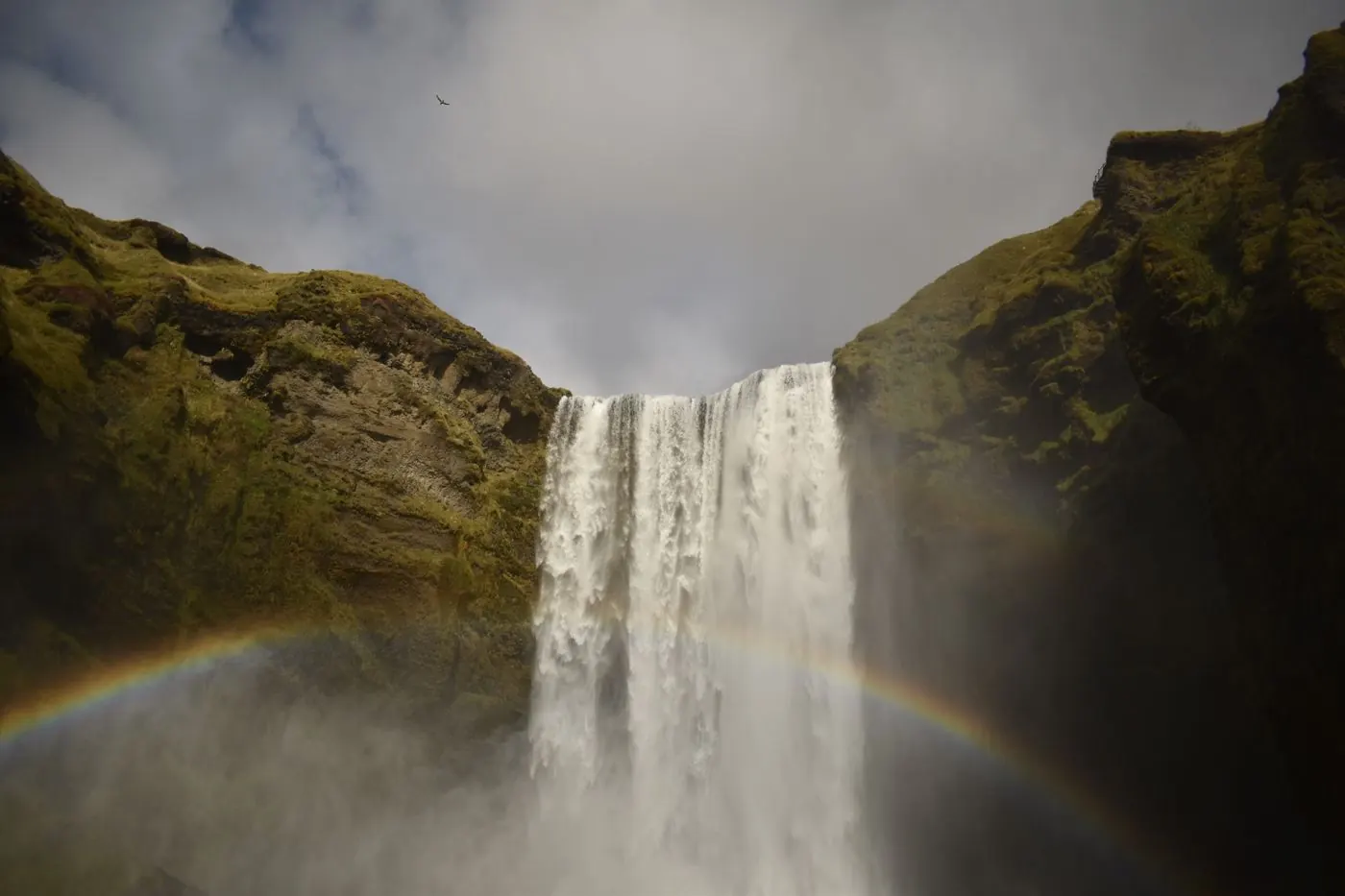 Waterfalls and black beaches
The south coast road of waterfalls and black sand: Skogafoss, Seljalandsfoss and Reynisfjara in one great drive.
Explore Vik and the South Coast →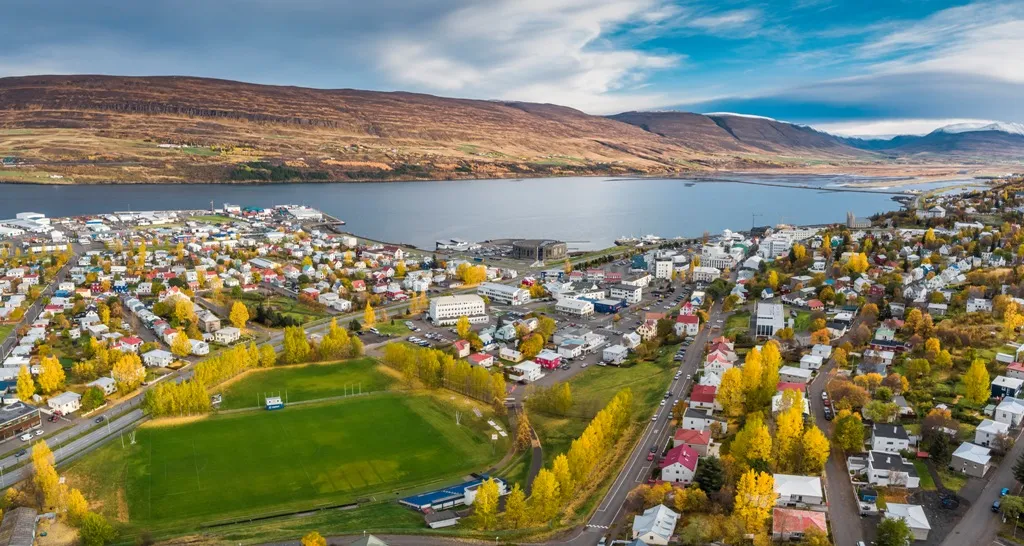 Capital of the north
The friendly capital of North Iceland, on its longest fjord, with whale watching at Husavik and Myvatn's volcanic wonders nearby.
Explore Akureyri →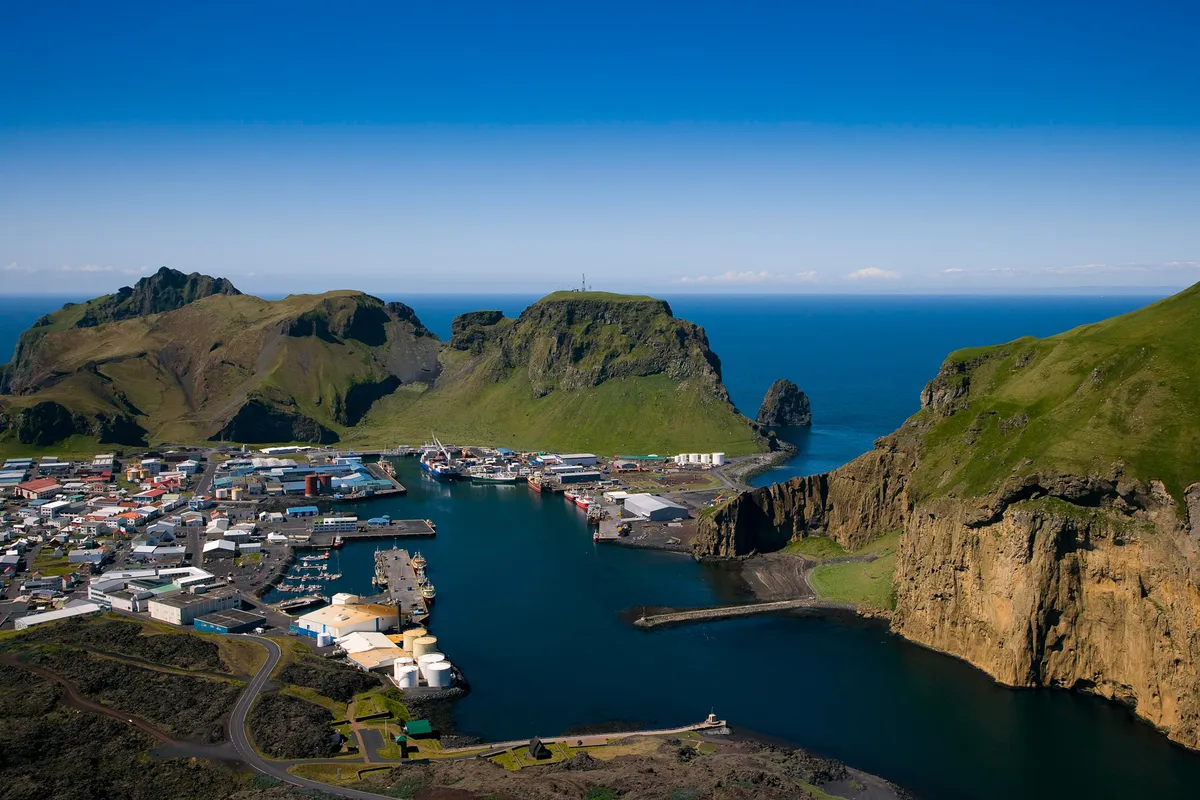 Puffin islands
A volcanic archipelago off the south coast, home to millions of puffins and the famous 1973 eruption on Heimaey.
Explore Westman Islands →Croatia in detail
Croatia's Dalmatian Coast is made for island hopping: walled old towns, red rooftops and some of the clearest water in Europe.
Start inside Dubrovnik's city walls, then ferry between islands like Hvar and Korčula, with Split and its Roman palace along the way. Croatia works as a land tour, a small ship cruise or a beach stay with day trips, and it pairs well with Italy or Greece in one Mediterranean itinerary.
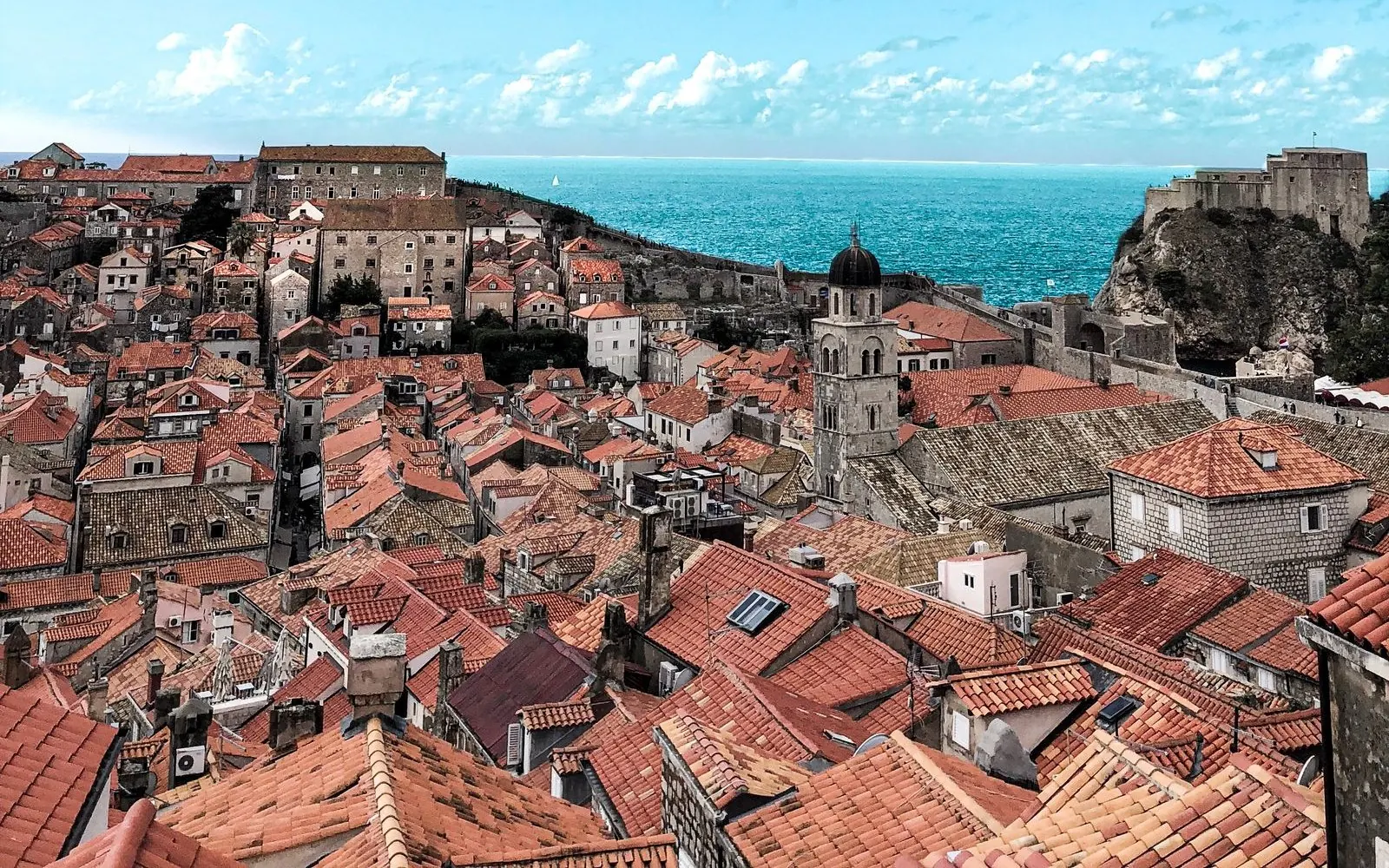 The walled city
Walk the great walls, ride the cable car and swim in clear water: Dubrovnik is Croatia's crown and earns the title.
Explore Dubrovnik →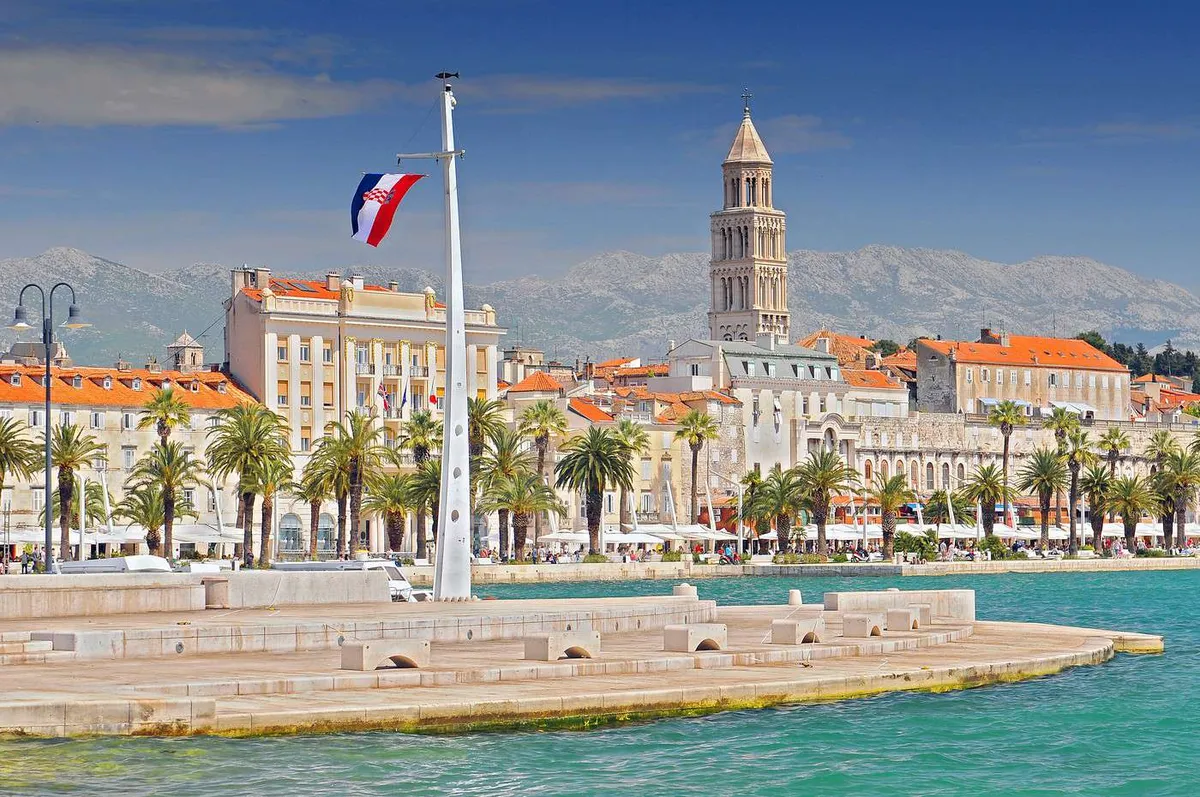 The palace city
A living Roman palace for a city centre, with the Riva promenade out front and the islands a ferry ride away.
Explore Split →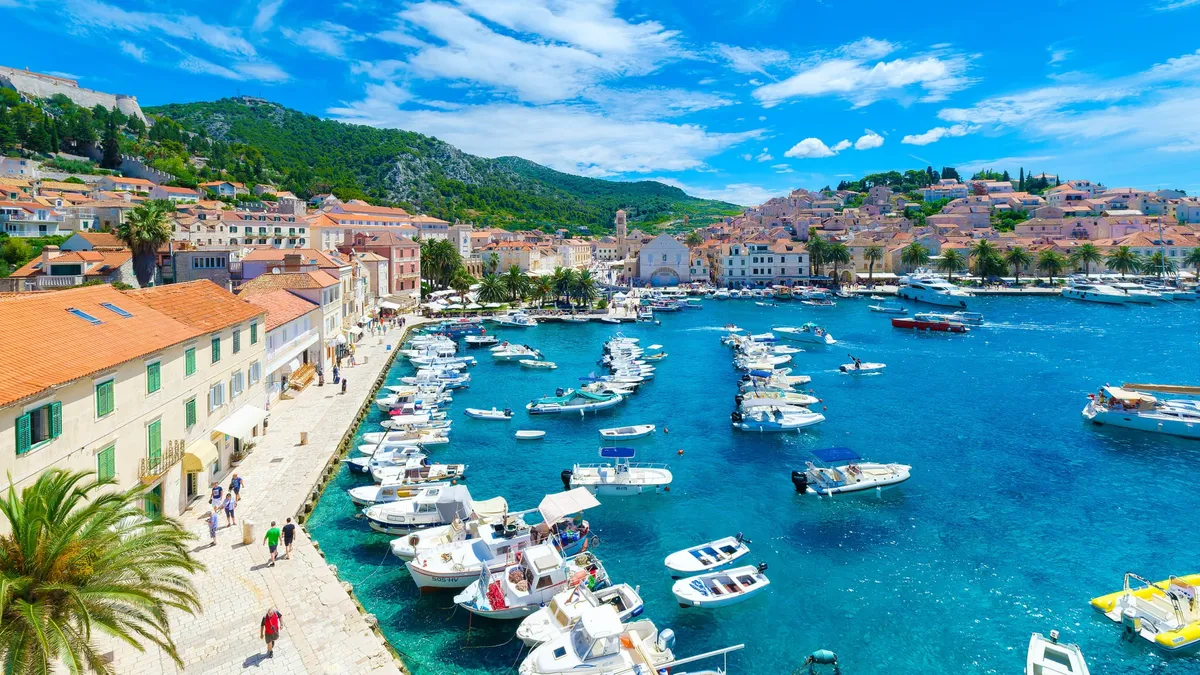 Lavender and nightlife island
The sunniest island in Croatia: a glamorous harbour town, lavender hills and the Pakleni islands for swimming.
Explore Hvar →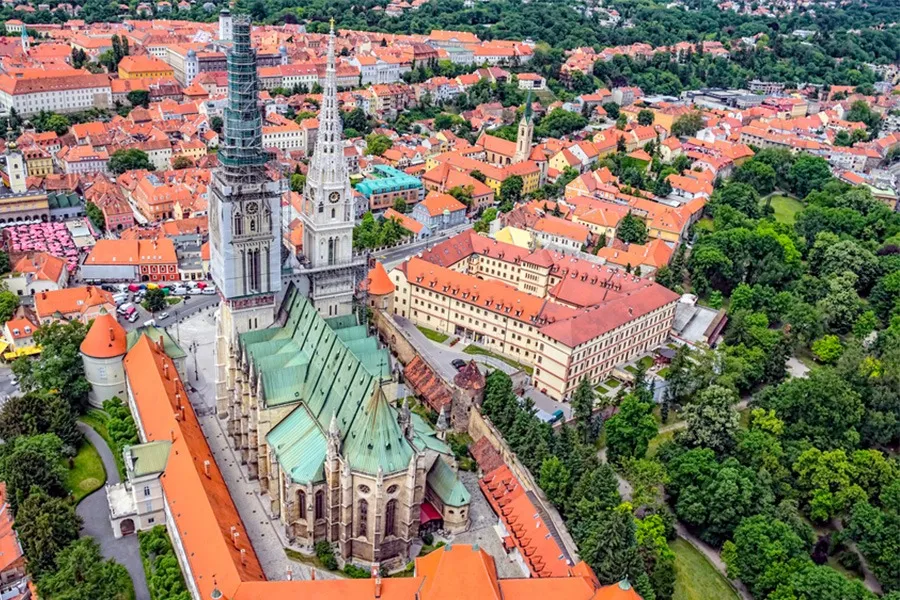 The capital
A Central European capital of cafe culture, museums and an upper town of gas lamps and towers.
Explore Zagreb →Japan in detail
Japan balances neon cities with quiet temples, and the bullet train makes it easy to see both in one trip.
Split your days between Tokyo's neighbourhoods and Kyoto's pagodas and gardens, with cherry blossom in spring or maples in the fall. We help with the details that make Japan smooth: rail passes, luggage forwarding, and guided days where a local expert adds the most. Japan is a trip worth planning early, especially for blossom season.
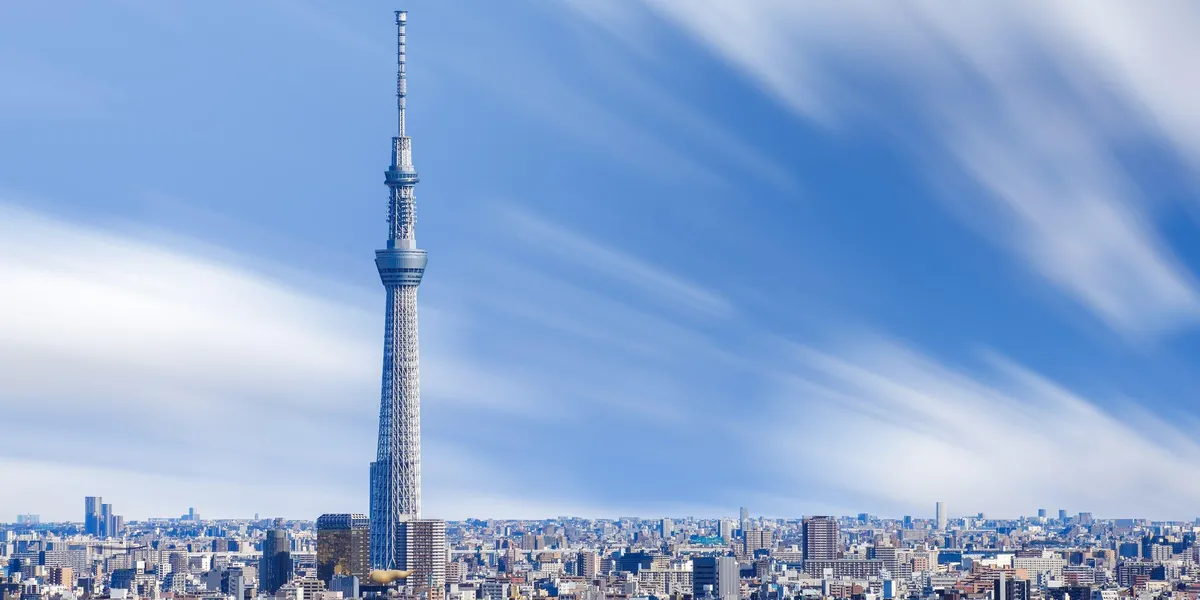 The capital
The world's largest city, best taken neighbourhood by neighbourhood: shrines, skyscrapers and the finest food scene on earth.
Explore Tokyo →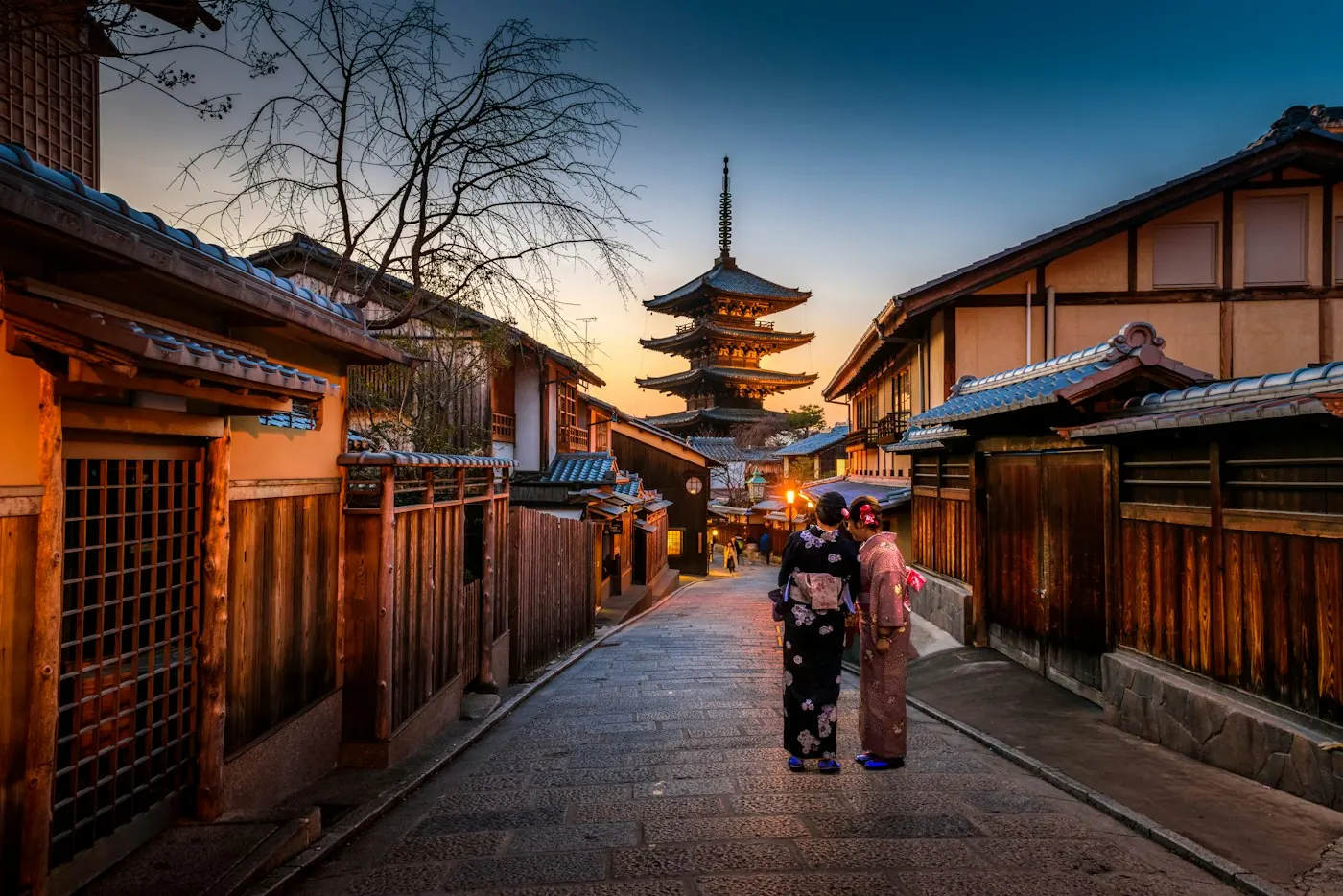 Temples and tradition
Seventeen World Heritage sites, geisha lanes in Gion and bamboo groves: Kyoto is Japan's soul and worth the most nights.
Explore Kyoto →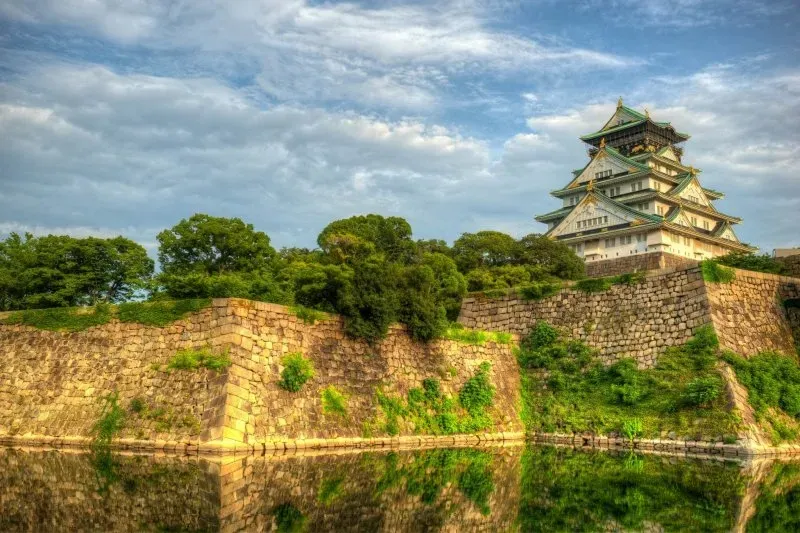 Food and fun city
Japan's kitchen and comedy capital: street food in Dotonbori, a great castle and the friendliest big city welcome in Japan.
Explore Osaka →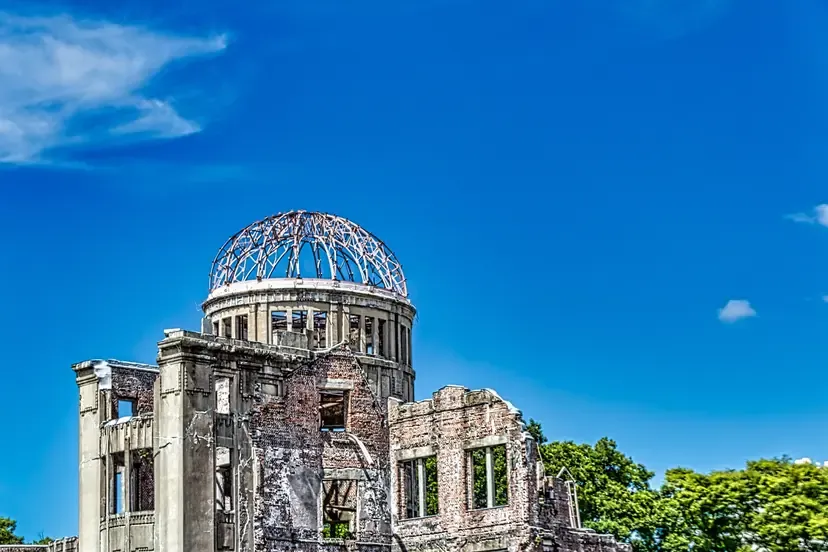 Peace and Miyajima
A city of peace memorials and quiet dignity, with the floating shrine of Miyajima a short ferry ride away.
Explore Hiroshima →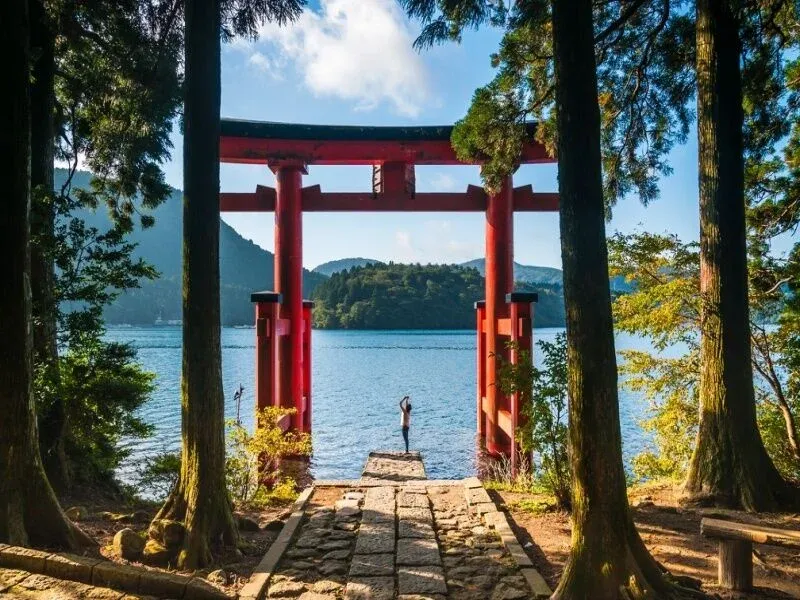 Mount Fuji views and hot springs
The hot spring resort in the mountains near Tokyo, famous for Mount Fuji views, open air art and the lake cruise.
Explore Hakone →Thailand in detail
Thailand does two trips in one: temple mornings and street food in Bangkok, then longtail boats and limestone islands in the south.
Start in Bangkok with the Grand Palace, canals and night markets, then fly south for island days around Krabi, Phuket or Koh Samui. We balance the sightseeing with beach time, arrange the internal flights and transfers, and can add Chiang Mai's temples and elephants in the north.
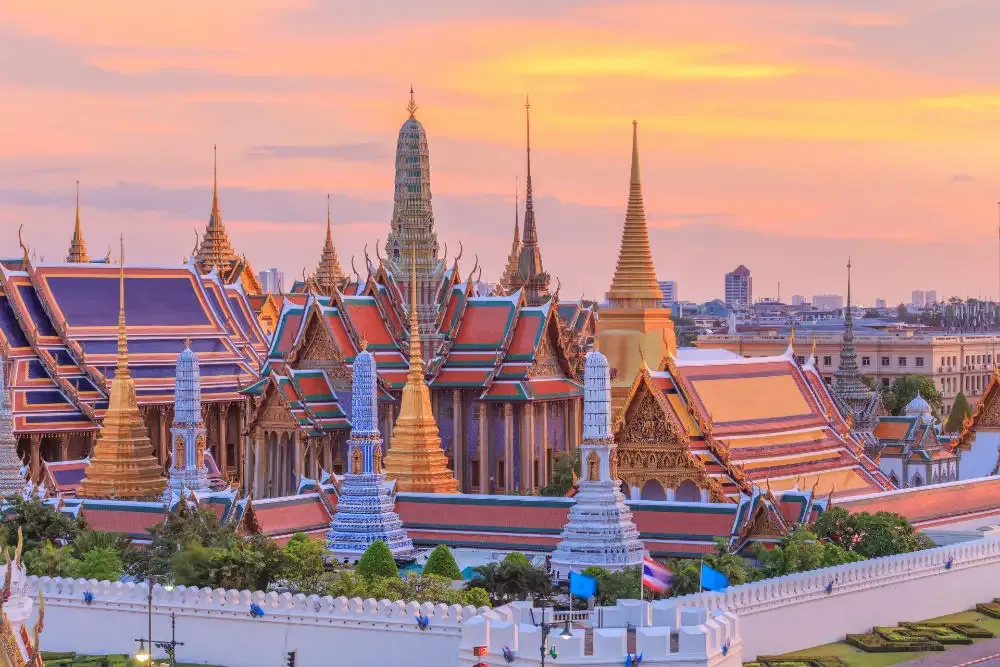 The capital
Grand palaces, canal boats and the best street food on earth: Bangkok is intense, delicious and worth real time.
Explore Bangkok →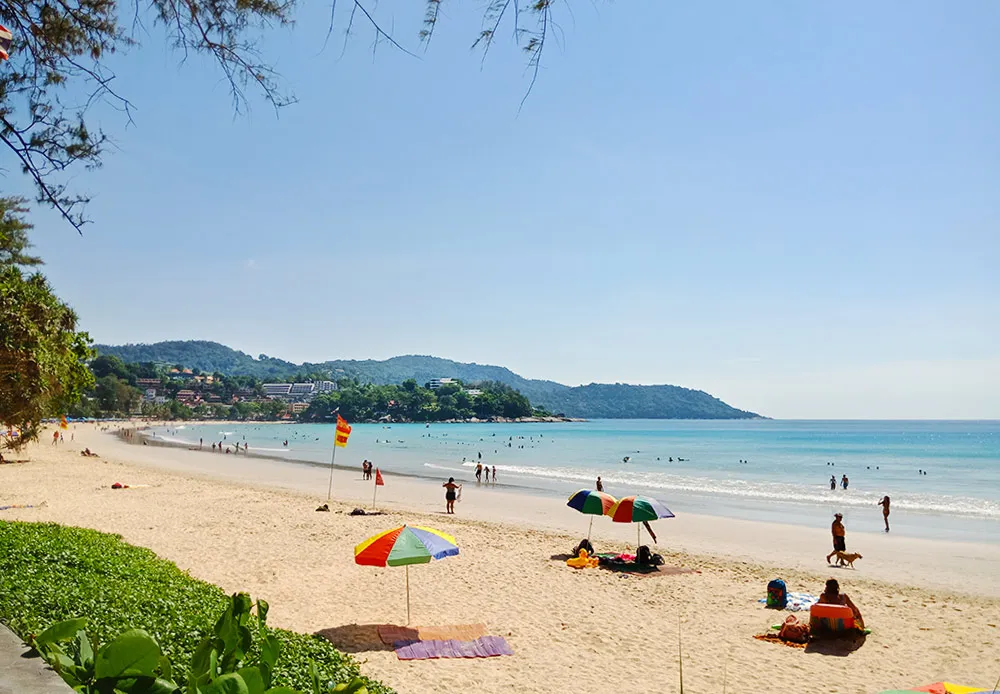 Largest island hub
Thailand's largest island: resort beaches for every style, a colourful old town and boat days to the Phi Phi islands.
Explore Phuket →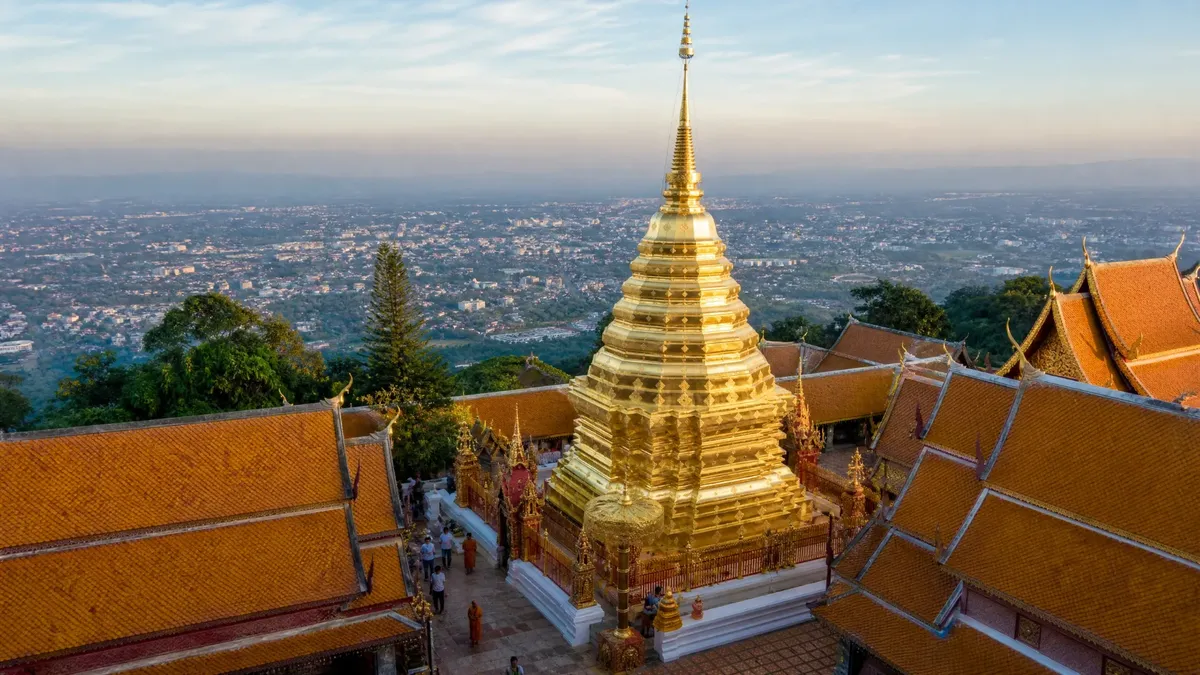 Northern culture capital
The old walled city of the north: hundreds of temples, night markets and ethical elephant sanctuaries in the hills.
Explore Chiang Mai →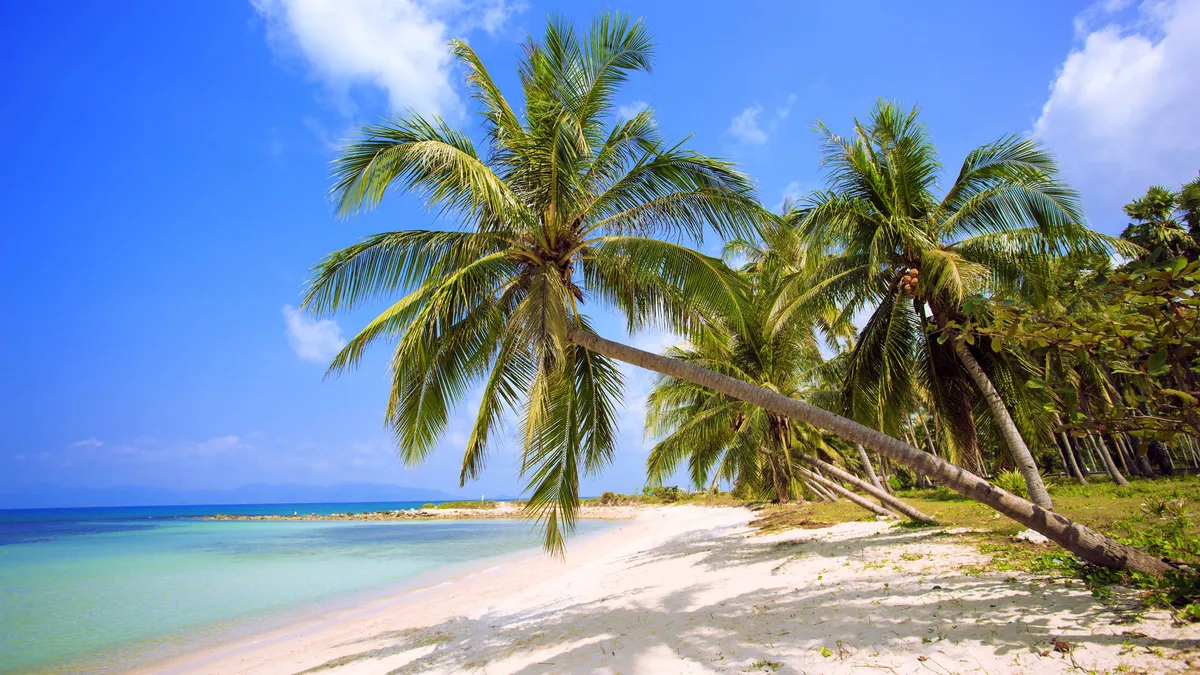 Gulf island favourite
The Gulf's classic island: palm lined beaches at Chaweng and Lamai, the Big Buddha and easy trips to Ang Thong park.
Explore Koh Samui →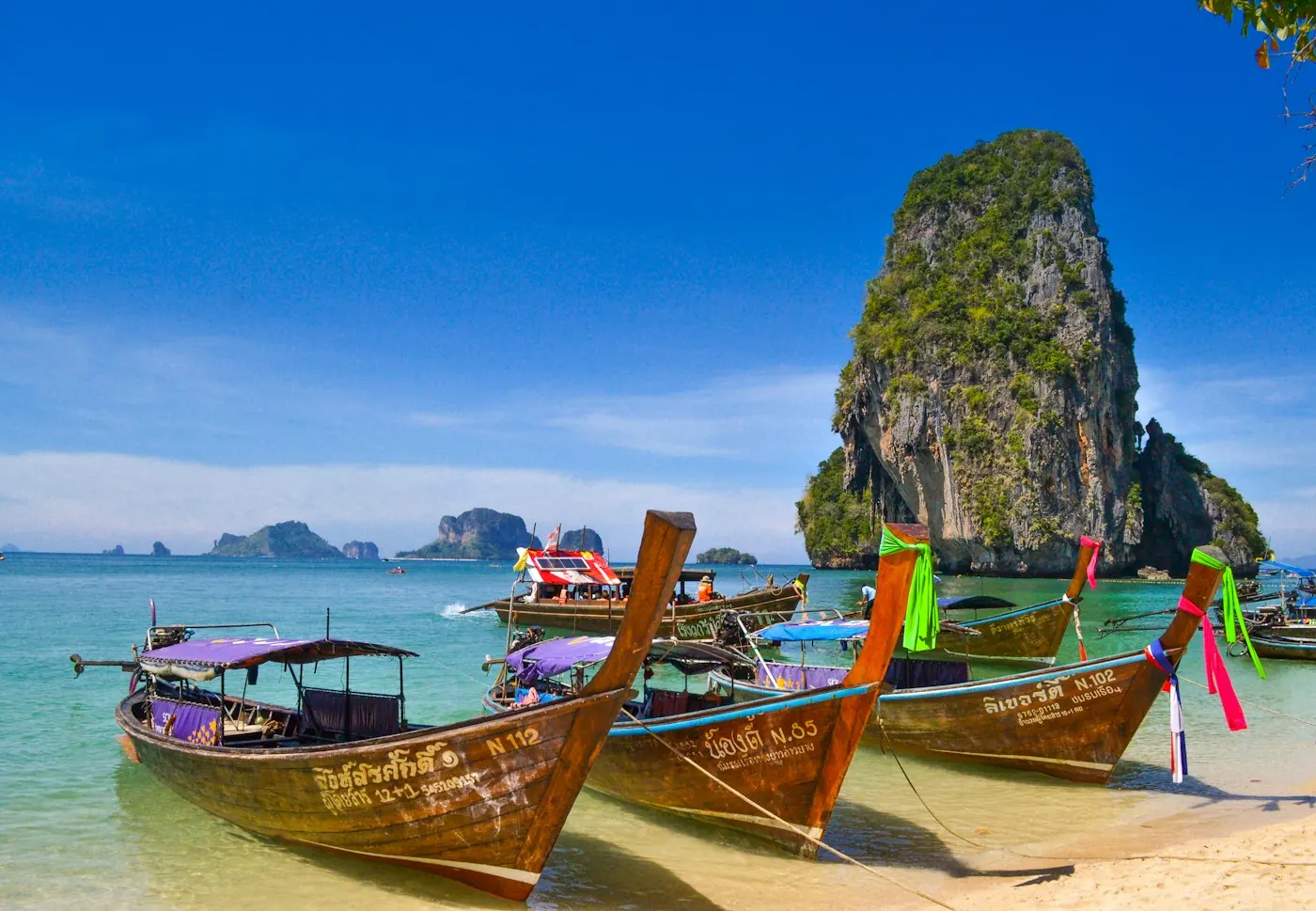 Limestone coast
Towering limestone cliffs at Railay, island hopping from Ao Nang and the most dramatic coastal scenery in Thailand.
Explore Krabi →Vietnam in detail
Vietnam runs long and varied: Hanoi's old quarter, a cruise among Ha Long Bay's limestone islands, and lantern lit Hoi An in between.
Sail Ha Long Bay overnight, wander Hoi An's tailors and night market, and eat your way through Hanoi and Saigon. Vietnam pairs well with Thailand or Cambodia, and most travellers go guided for at least part of it. We build the route, the internal flights and the cruise into one itinerary.
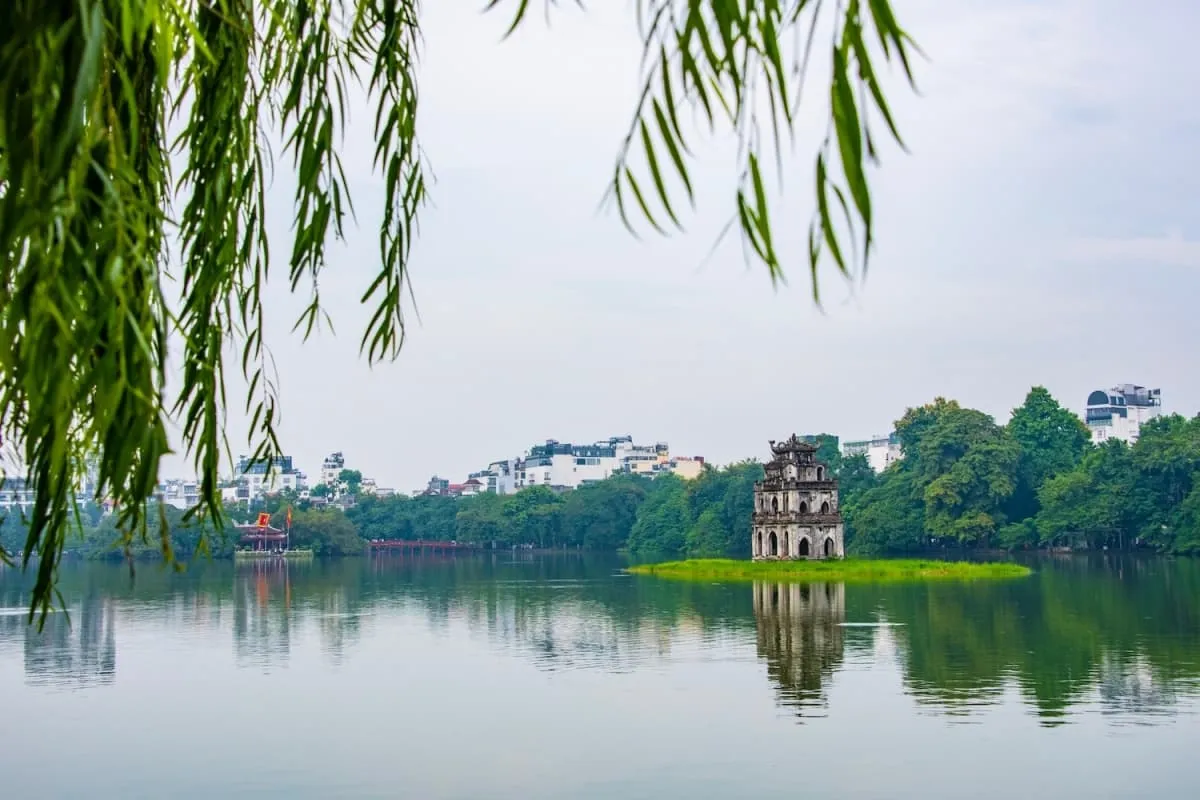 The capital
A thousand year old capital of lake temples, French boulevards and street food eaten at knee height.
Explore Hanoi →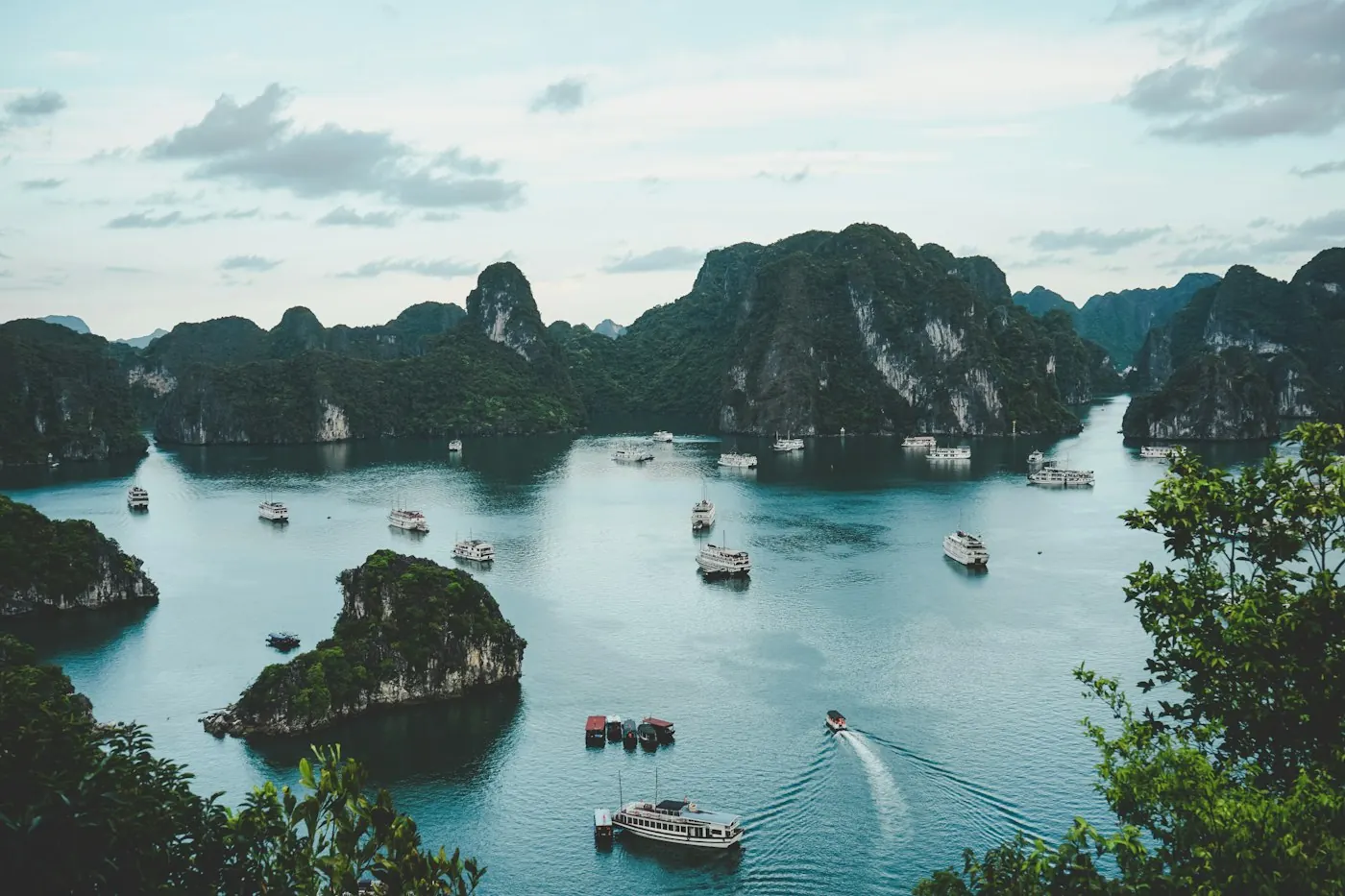 The famous bay
An overnight cruise among nearly two thousand limestone islands: the signature journey of northern Vietnam.
Explore Ha Long Bay →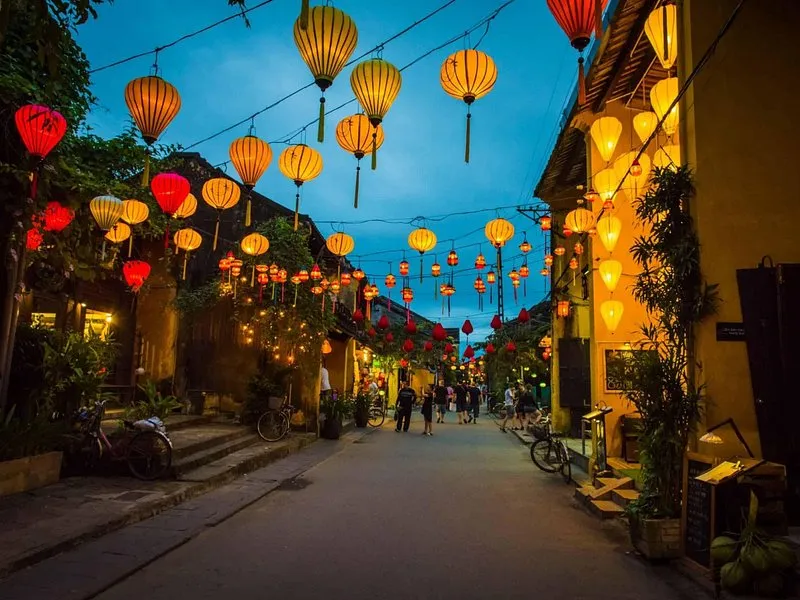 Lantern lit old town
A perfectly kept trading port of lanterns and yellow walls, tailors, beaches and some of Vietnam's best food.
Explore Hoi An →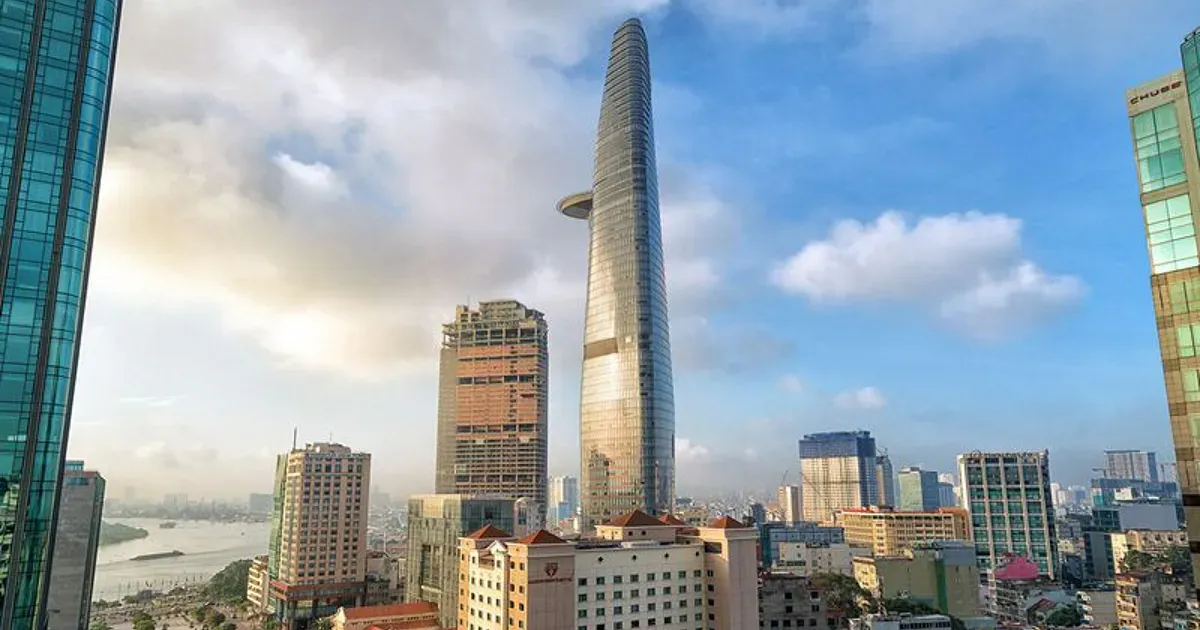 Saigon, the southern hub
Still Saigon to many: a fast, thrilling southern metropolis of war history, markets and rooftop evenings.
Explore Ho Chi Minh City →Australia in detail
Australia is a big country that rewards pacing: reef days, coastal drives and easygoing cities, without trying to see everything at once.
Start with Sydney's harbour and the Opera House, then choose your direction: the Great Barrier Reef, the Great Ocean Road, or the Red Centre. We pace Australia trips so the internal flights and driving days never take over the holiday, and we will tell you honestly what to skip on a first trip.
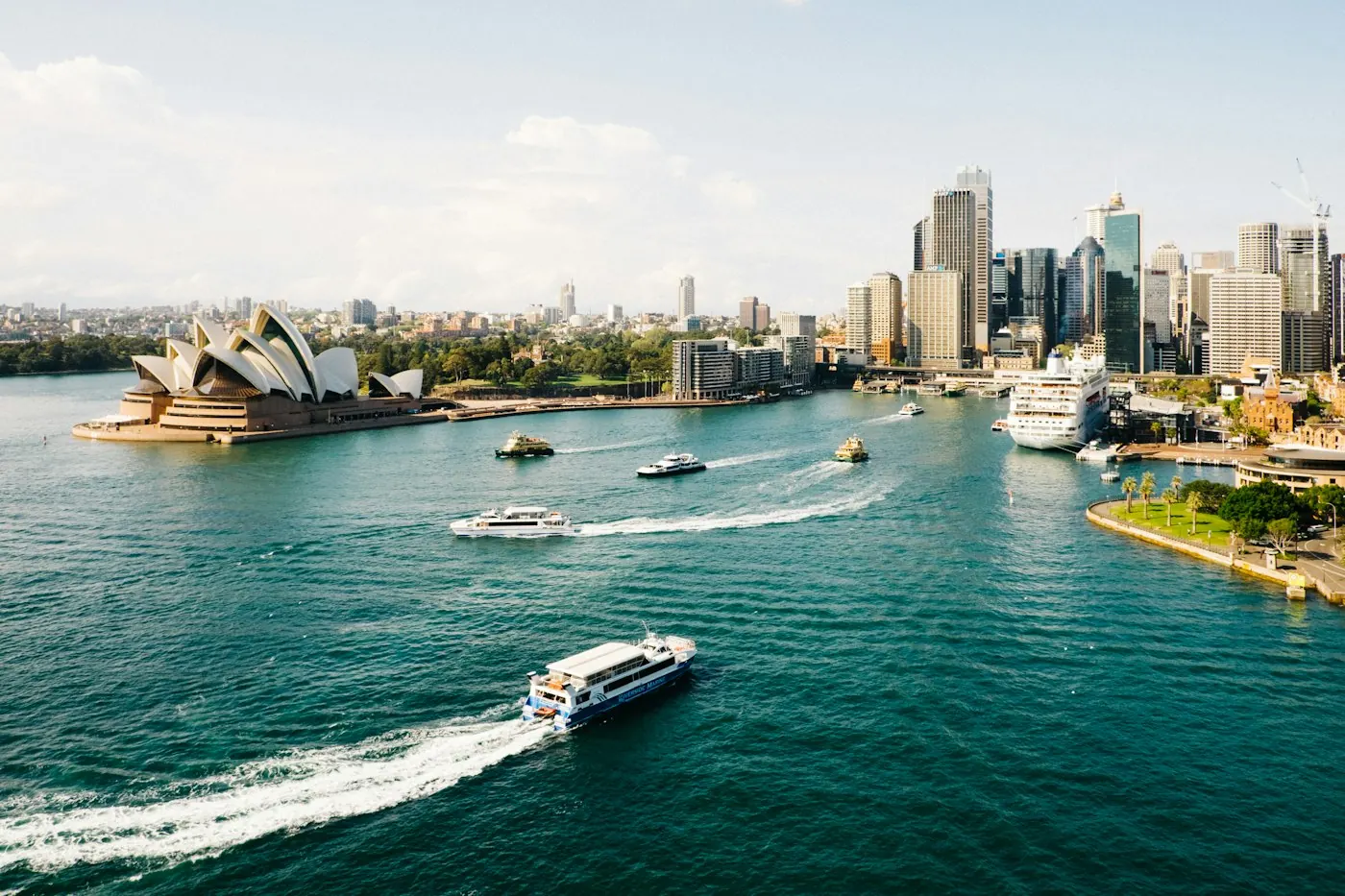 Harbour city
The Opera House and the harbour bridge, beach suburbs from Bondi to Manly and a city that lives outdoors.
Explore Sydney →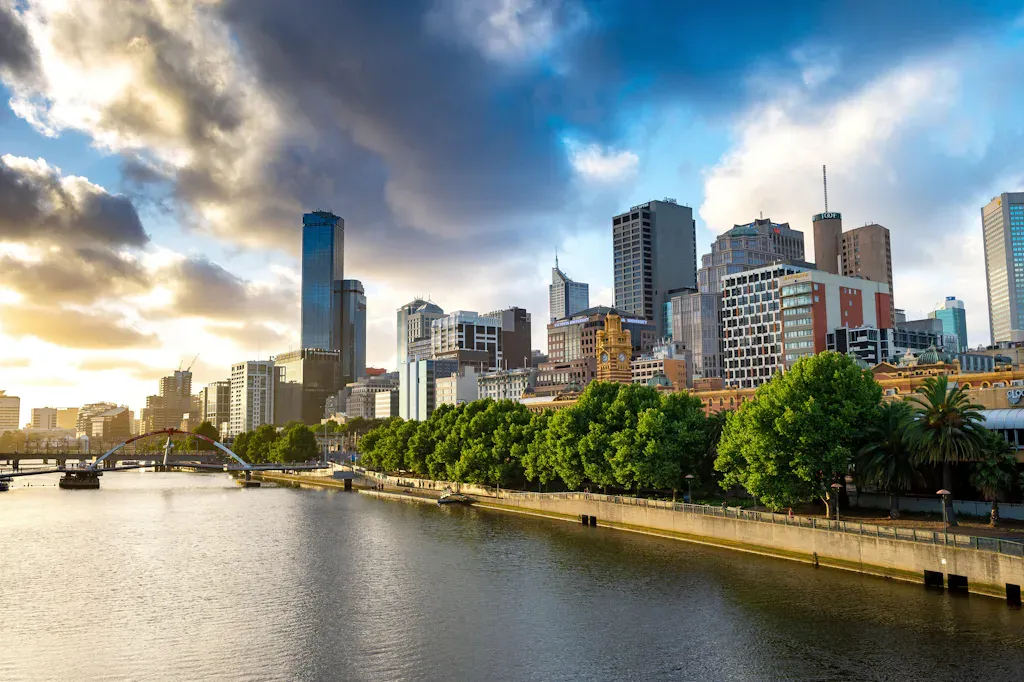 Culture and coffee capital
Laneways, coffee and culture: Australia's arts and sports capital, and the start of the Great Ocean Road.
Explore Melbourne →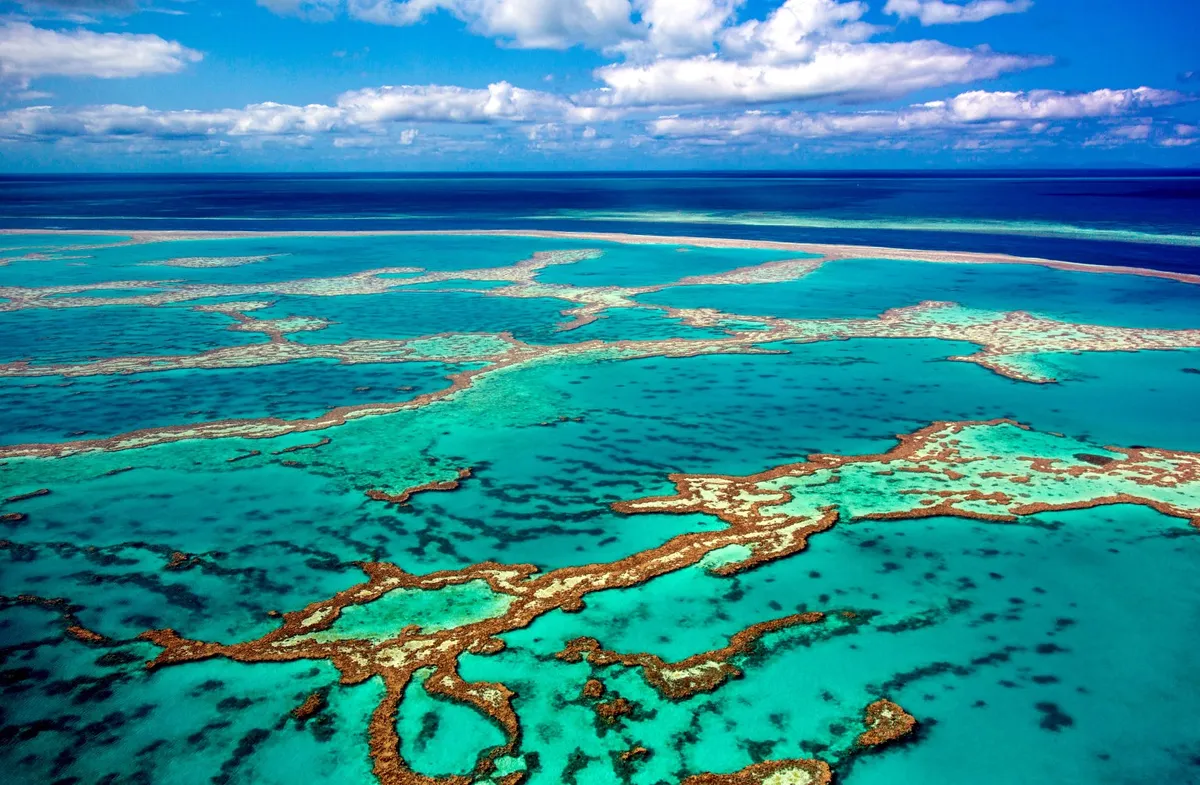 Reef gateway
The gateway to the Great Barrier Reef and the Daintree Rainforest: reef boats by day, tropical nights in town.
Explore Cairns and the Great Barrier Reef →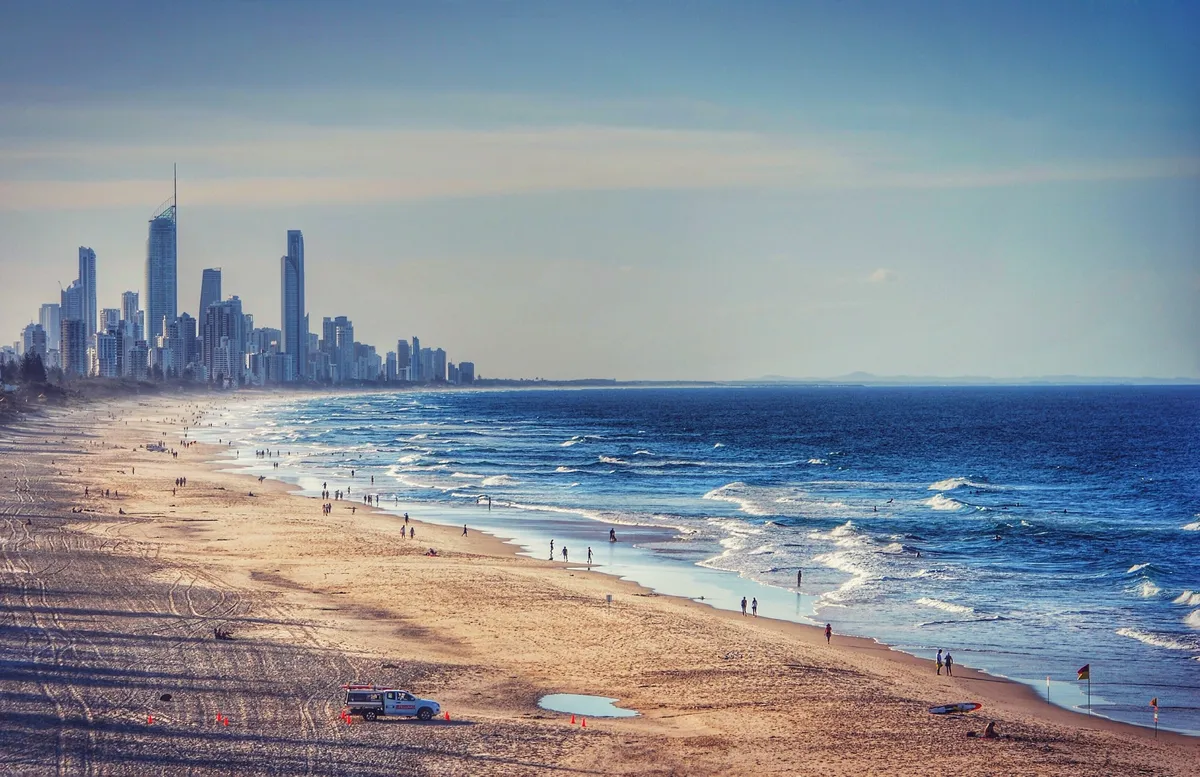 Surf and theme parks
Sixty kilometres of surf beaches, Australia's theme parks and the friendly river city of Brisbane beside it.
Explore Gold Coast and Brisbane →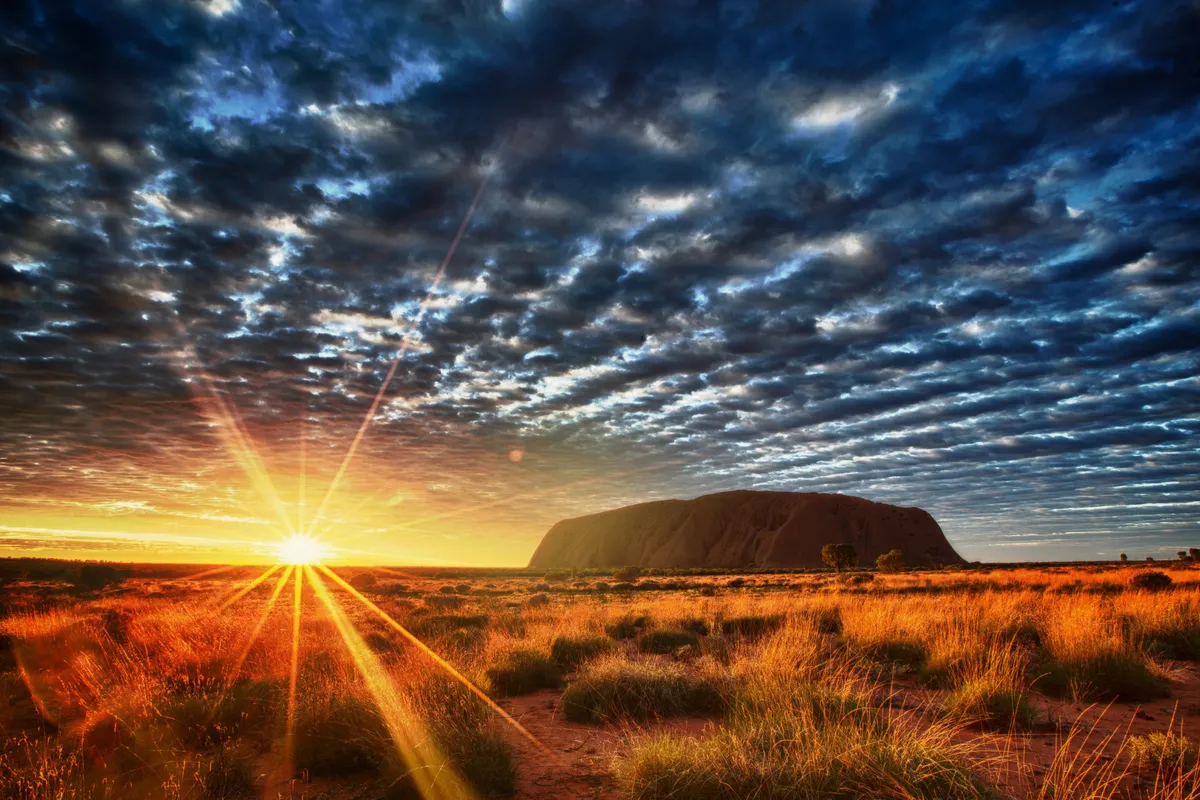 Outback icon
The great rock at the heart of the continent: sunrise and sunset over Uluru, Kata Tjuta and Anangu culture.
Explore Uluru and the Red Centre →New Zealand in detail
New Zealand's South Island is some of the finest road trip scenery anywhere on earth: fjords, alpine lakes and mountains at every turn.
Cruise Milford Sound, drive between alpine lakes and glacier country, and leave room for the small towns along the way. Most travellers self drive with our route and bookings in place; guided tours are there if you would rather watch the scenery than the road. Two weeks is a good first trip, three is better.
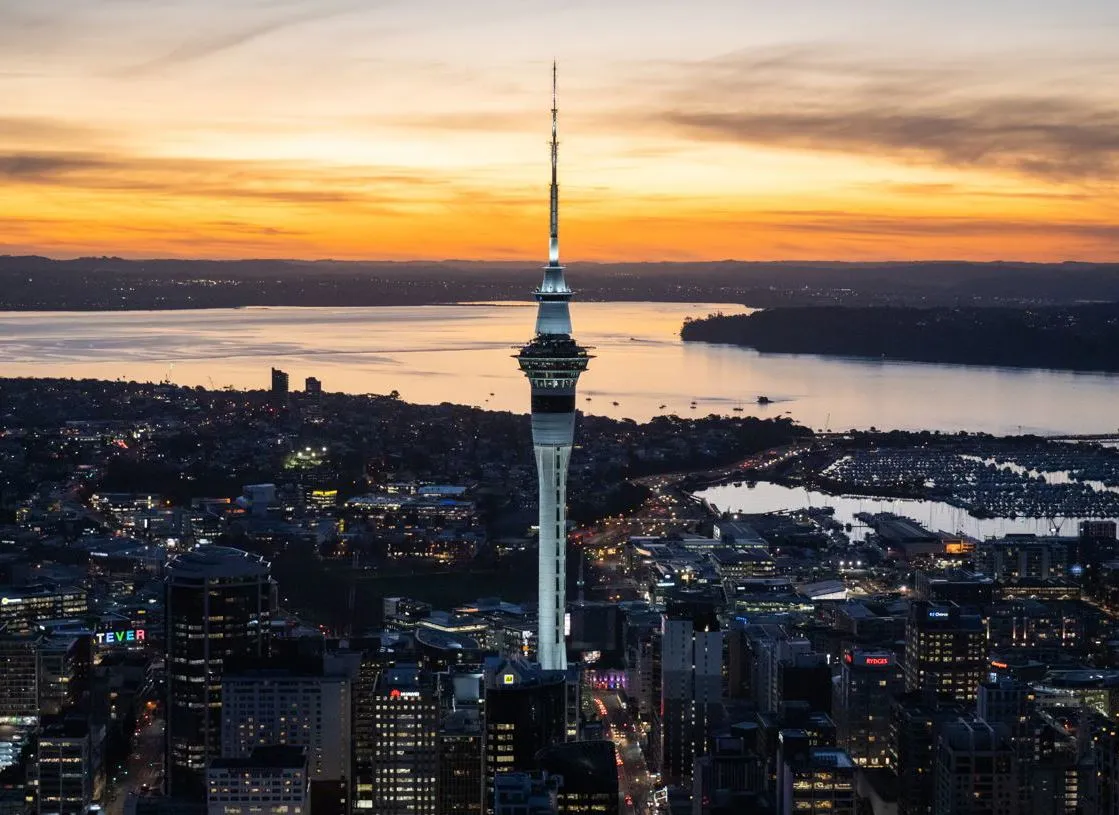 City of sails
The largest city, built between two harbours: sail the gulf, ferry to Waiheke Island and climb a volcano for the view.
Explore Auckland →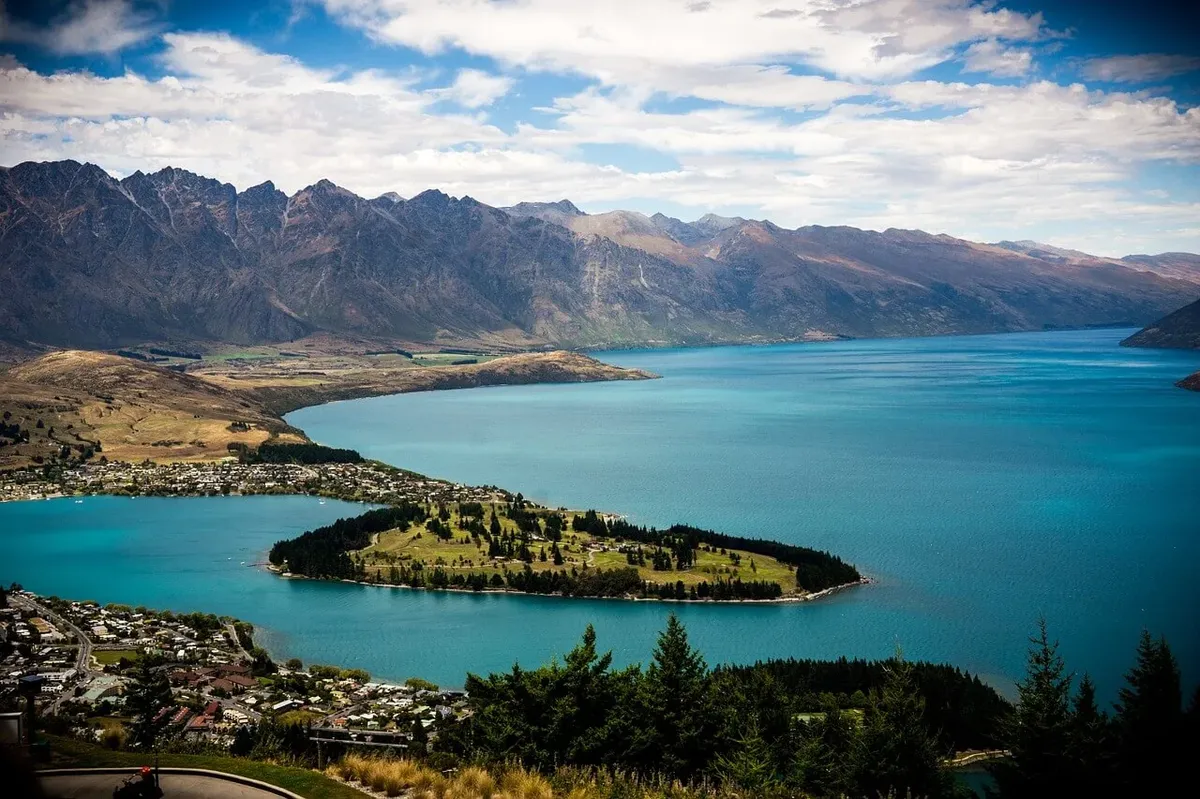 Adventure capital
 on Lake Wakatipu: jet boats, bungy and gondolas under the Remarkables, with Milford Sound beyond.
Explore Queenstown →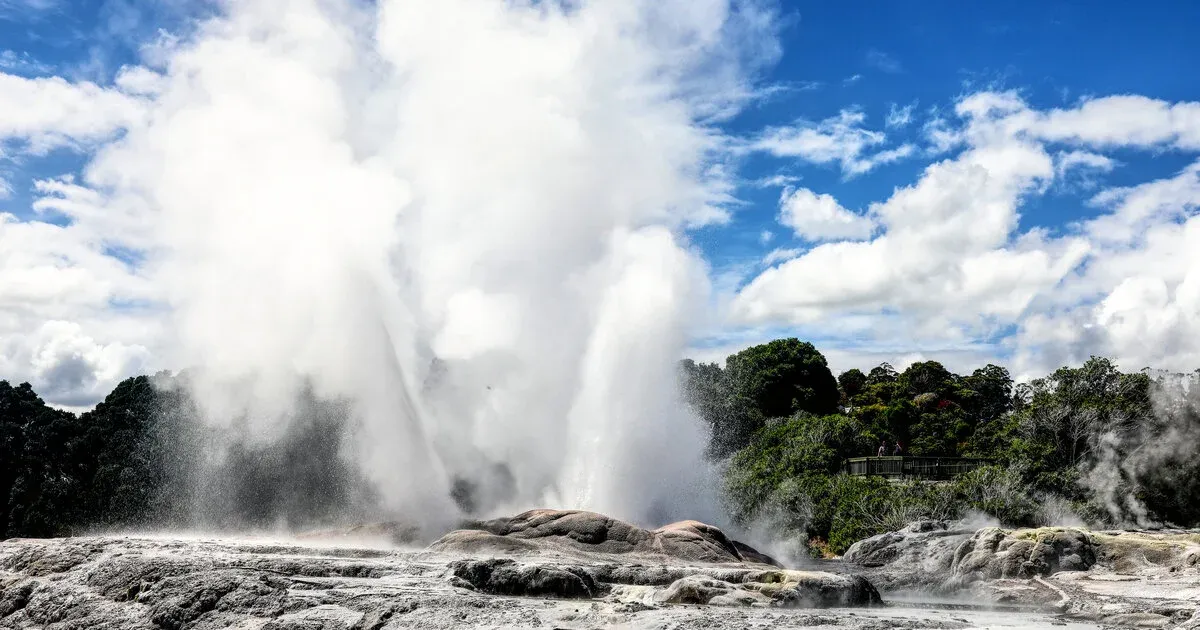 Geothermal and Maori culture
Boiling mud, geysers and Maori culture: the North Island's geothermal heartland among its lakes.
Explore Rotorua →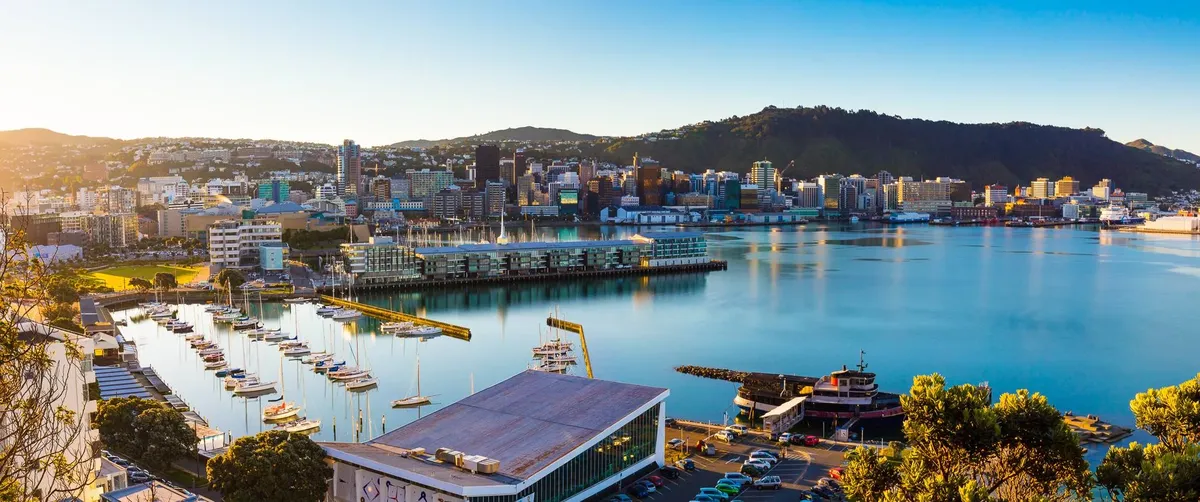 The capital
The windy capital of culture and coffee: Te Papa museum, the cable car and a food scene locals defend fiercely.
Explore Wellington →Canada in detail
Some of the best trips we plan never leave Canada: mountain lakes, coastal escapes and spa weekends, all without the long haul flight.
Stand above Moraine Lake in Banff, road trip the Rockies, or head east for coastal towns and fall colours. Canada works year round, from ski weeks to summer lake trips, and we book the lodges, rail journeys and tours that sell out first. World class, and you are home the same day you leave.
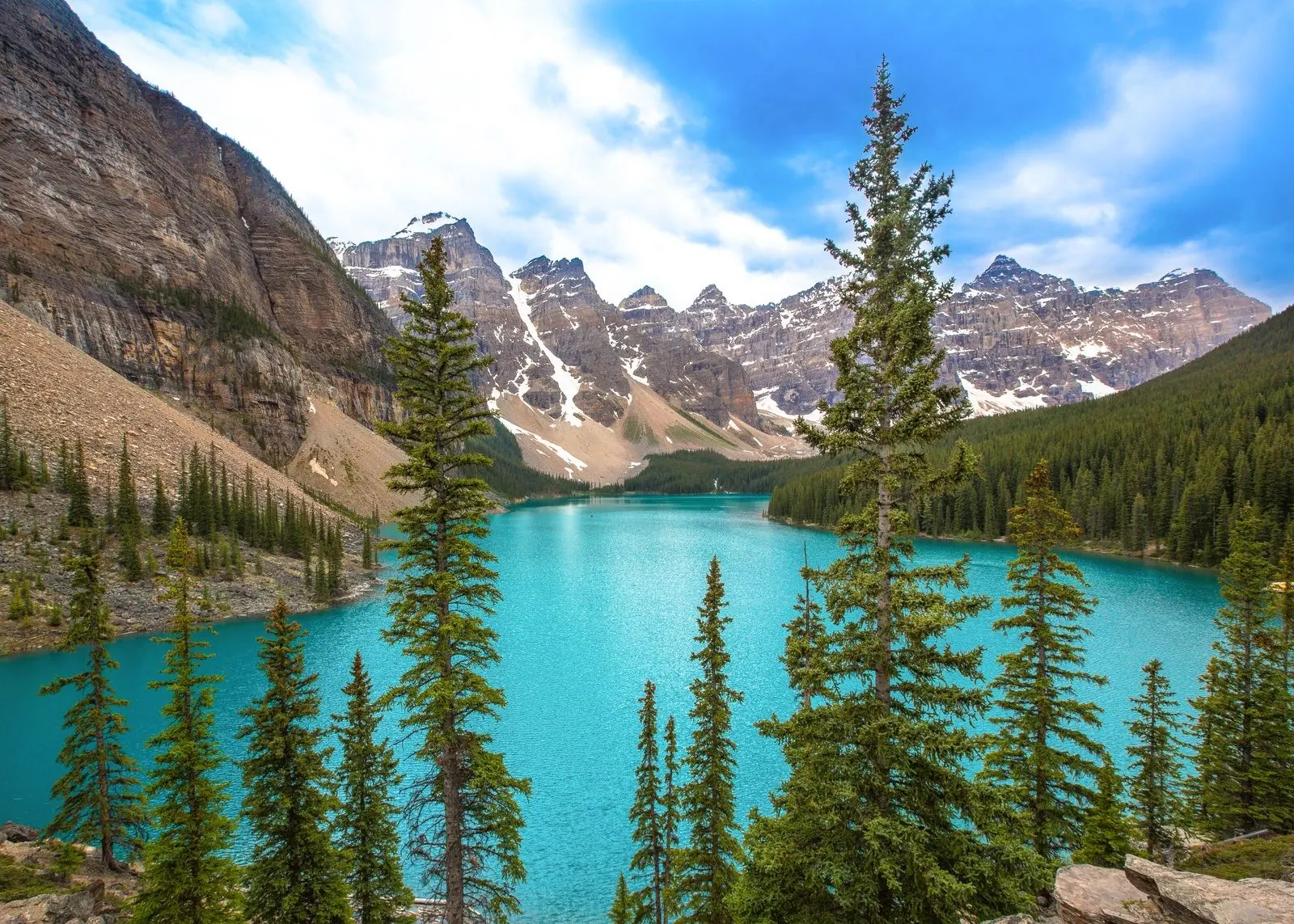 Mountain icons
Moraine Lake, Lake Louise and the Icefields Parkway: the Canadian Rockies are the country's signature journey.
Explore Banff and the Rockies →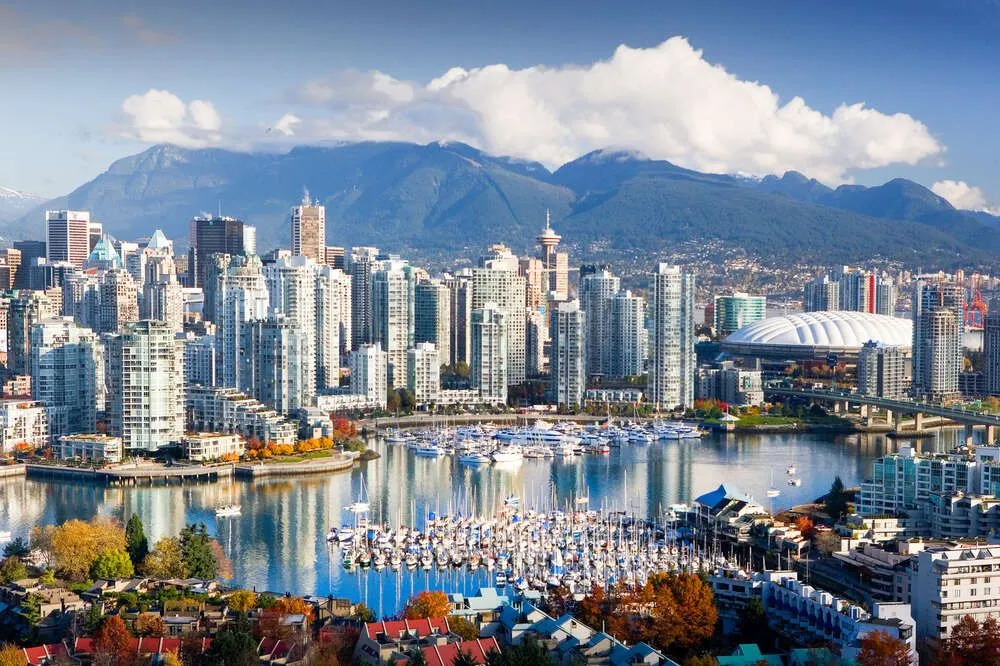 Coast and mountains city
Mountains meet the sea: Stanley Park's seawall, Granville Island market and Canada's most beautiful big city setting.
Explore Vancouver →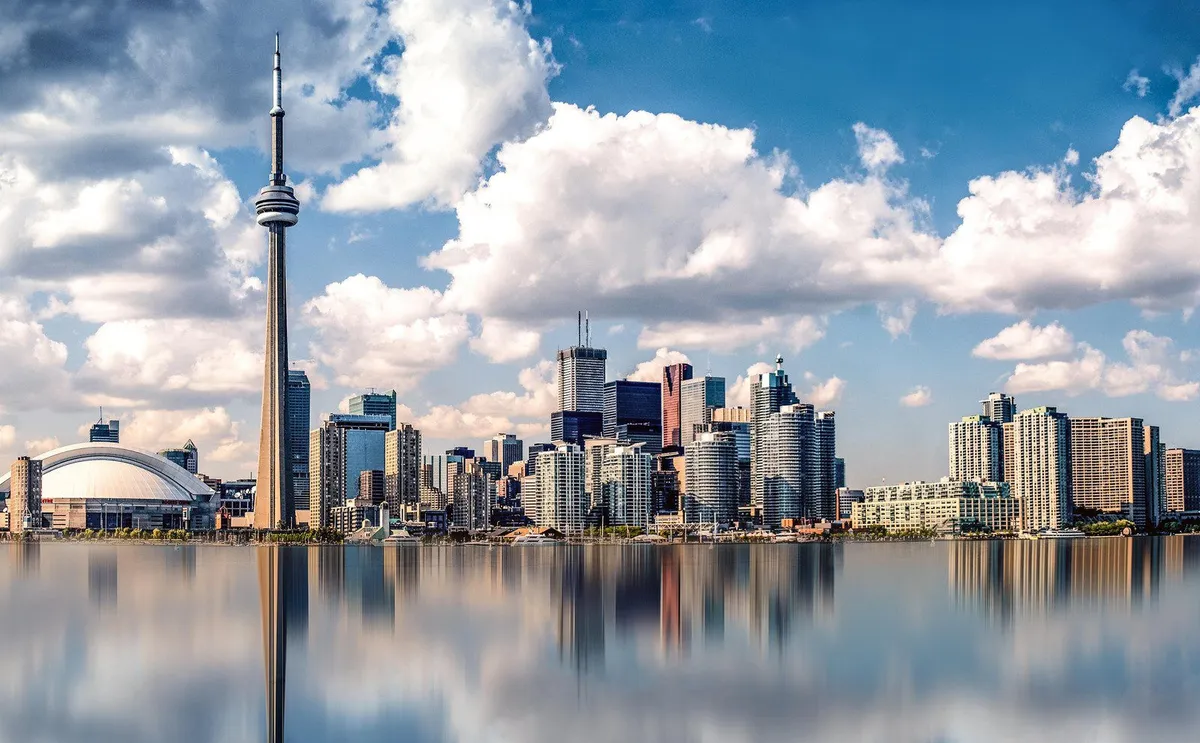 Largest city
The CN Tower, great neighbourhoods and museums, with Niagara Falls an easy day trip away.
Explore Toronto →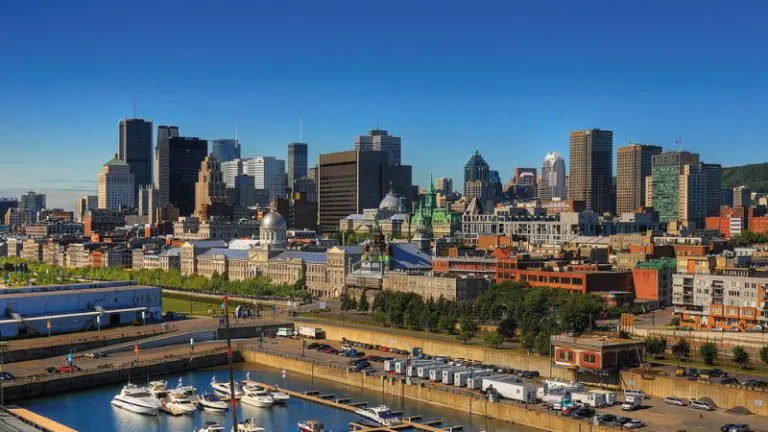 French flavour city
Old Montreal's stone streets, the great market halls and a festival calendar: the most European city in North America.
Explore Montreal →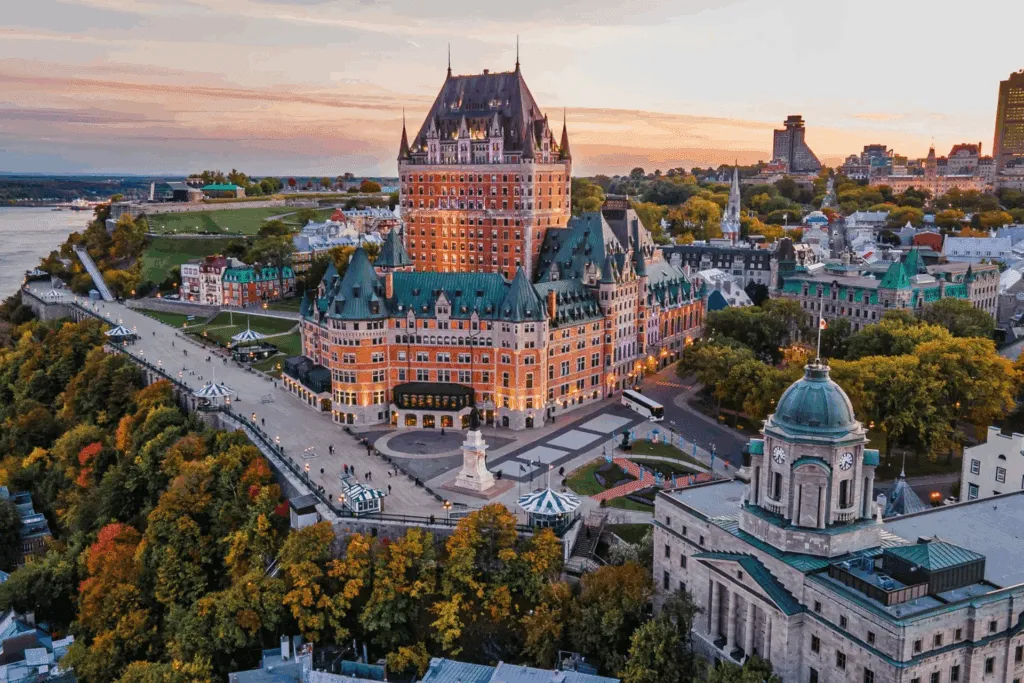 Old walled capital
The only walled city north of Mexico: a four hundred year old old town above the St. Lawrence, pure romance.
Explore Quebec City →United States in detail
The United States is the easy big trip from Hamilton: Grand Canyon vistas, Florida beaches, Hawaiian surf and the great American road trip.
Stand at Horseshoe Bend, drive a stretch of Route 66 or the Pacific Coast, or keep it simple with a Florida beach week or a Hawaii island hop. We handle the flights, car rentals, park passes and hotels in one plan, and we will flag the distances honestly: the US rewards travellers who pick a region and do it properly.
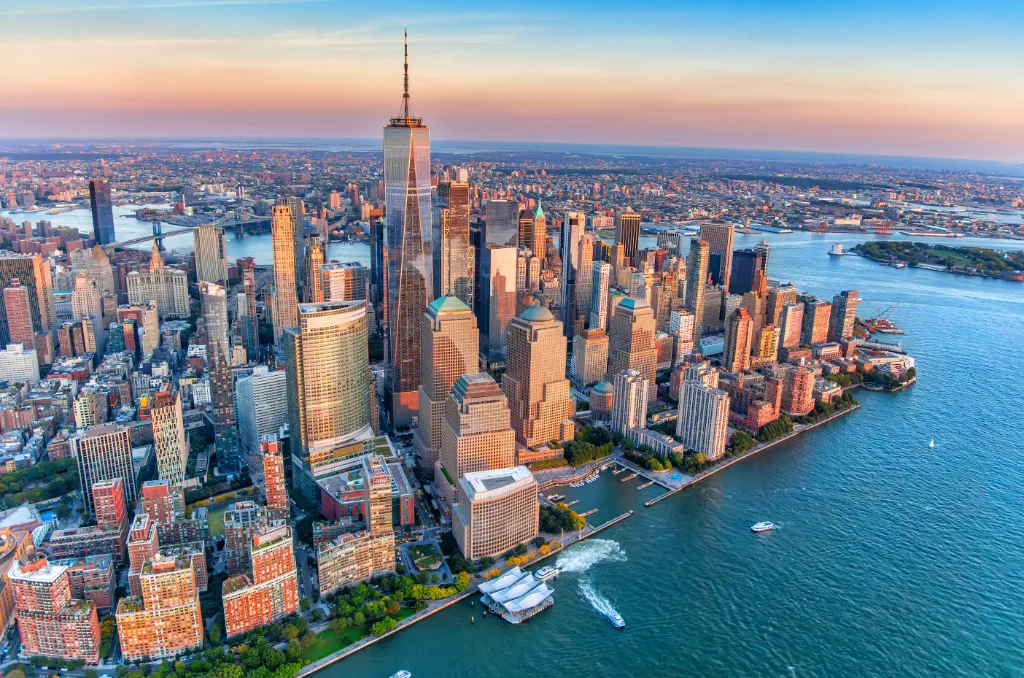 The great city
The Statue of Liberty, Broadway and the great museums: the city every traveller should see with a plan, not a rush.
Explore New York City →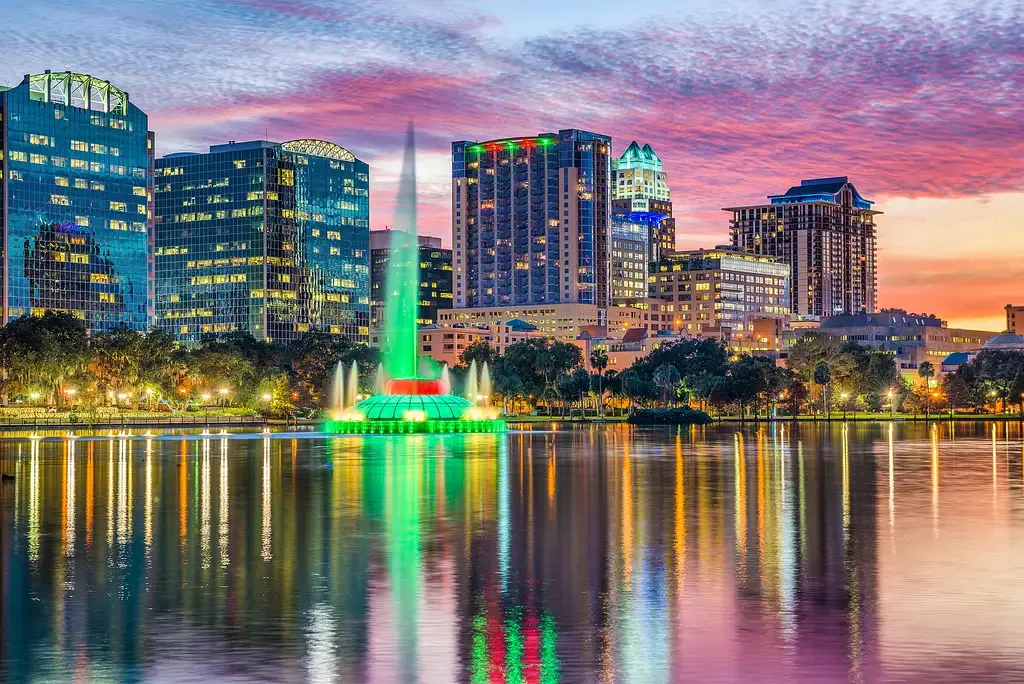 Theme park capital
Walt Disney World and Universal: the family trip capital, with Kennedy Space Center and beaches within reach.
Explore Orlando →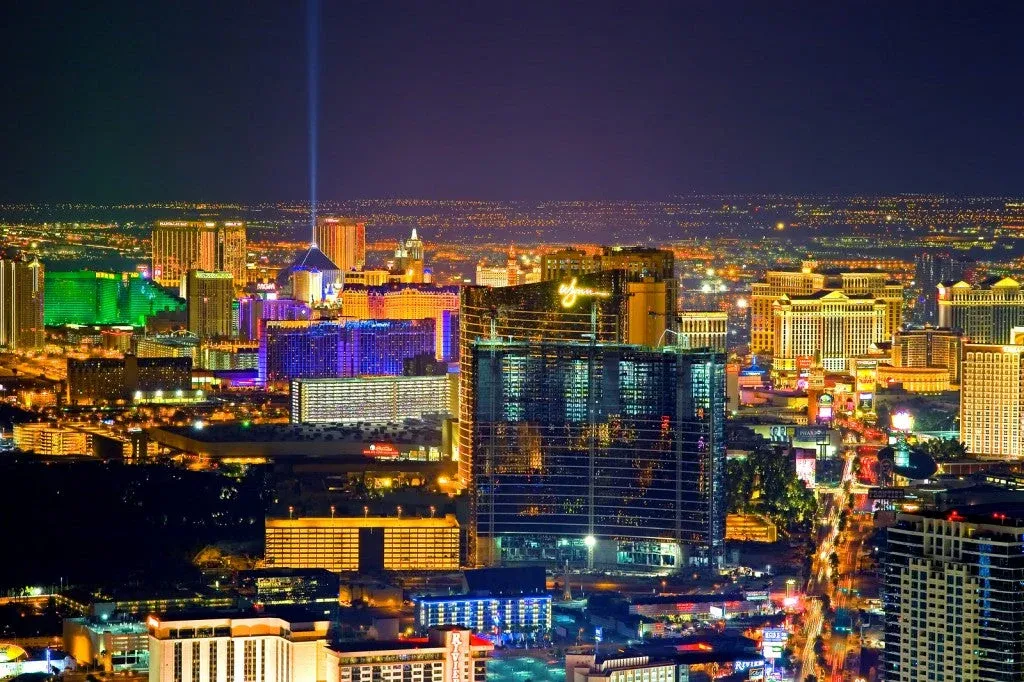 The Strip and beyond
The Strip's spectacle, great shows and dining, with the Grand Canyon and Red Rock as the classic day trips.
Explore Las Vegas →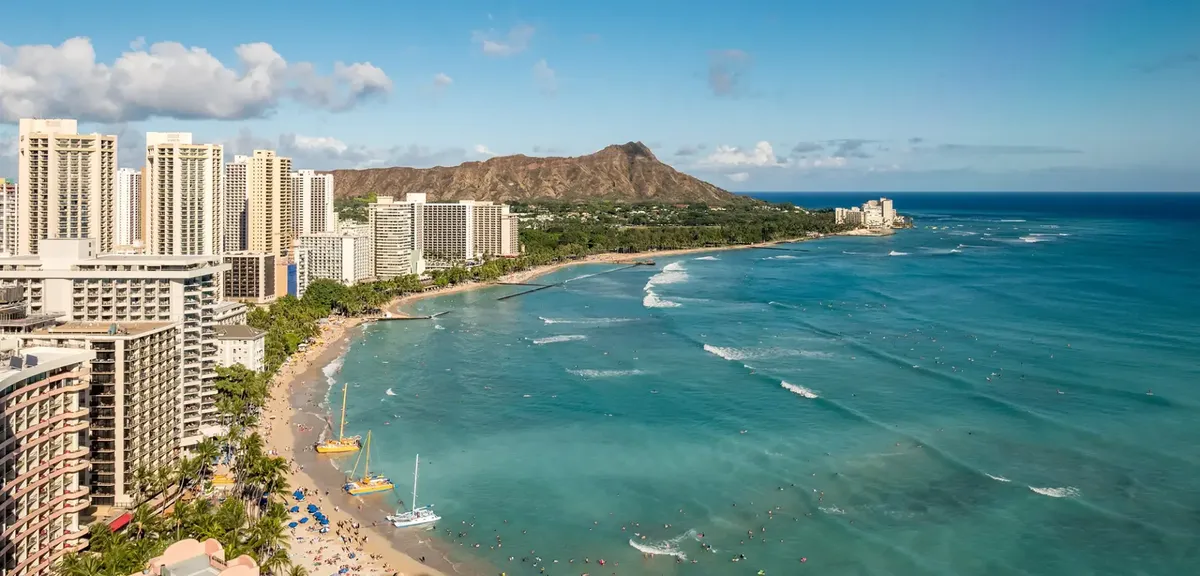 Hawaii's capital island
Waikiki's famous curve, Pearl Harbor's memorials and the surf towns of the North Shore on one island.
Explore Honolulu and Oahu →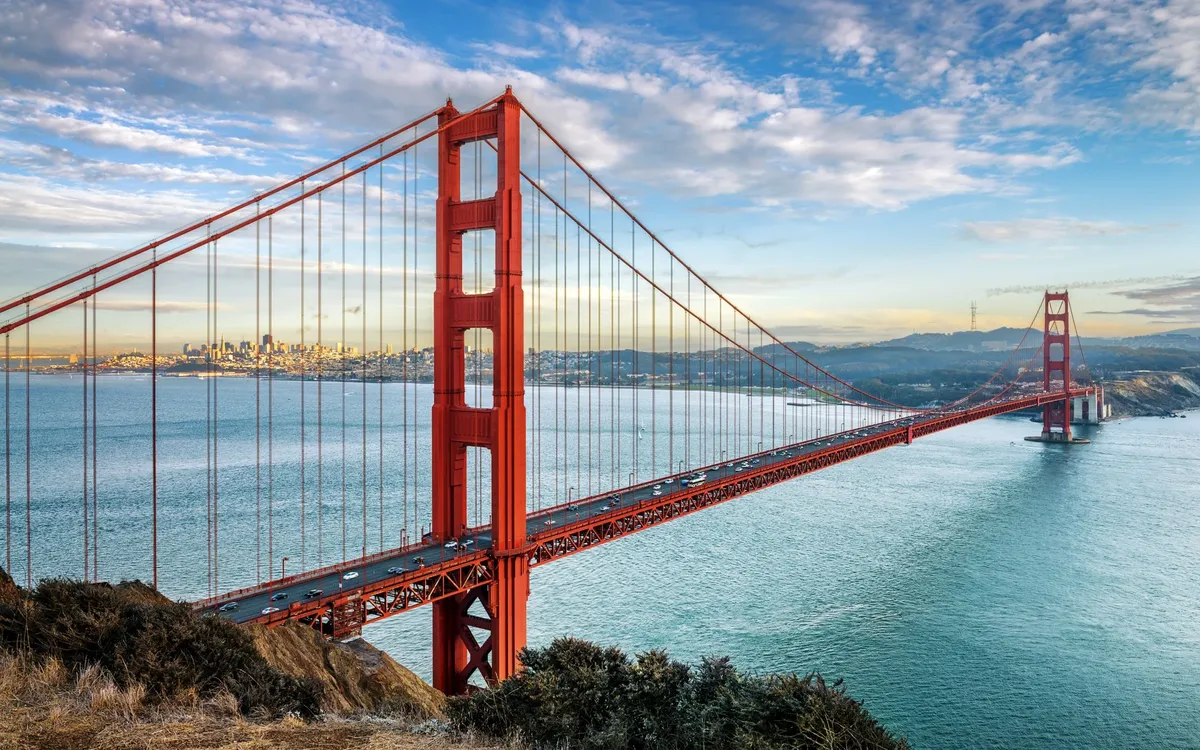 Bay city
The Golden Gate, Alcatraz and cable cars, with Napa and Sonoma wine country an hour north.
Explore San Francisco →Mexico in detail
Mexico is the easy favourite for all inclusive weeks, but it has far more than beaches: a great capital city, a tequila heartland and the food capital of Oaxaca. Start with the stop that suits you.
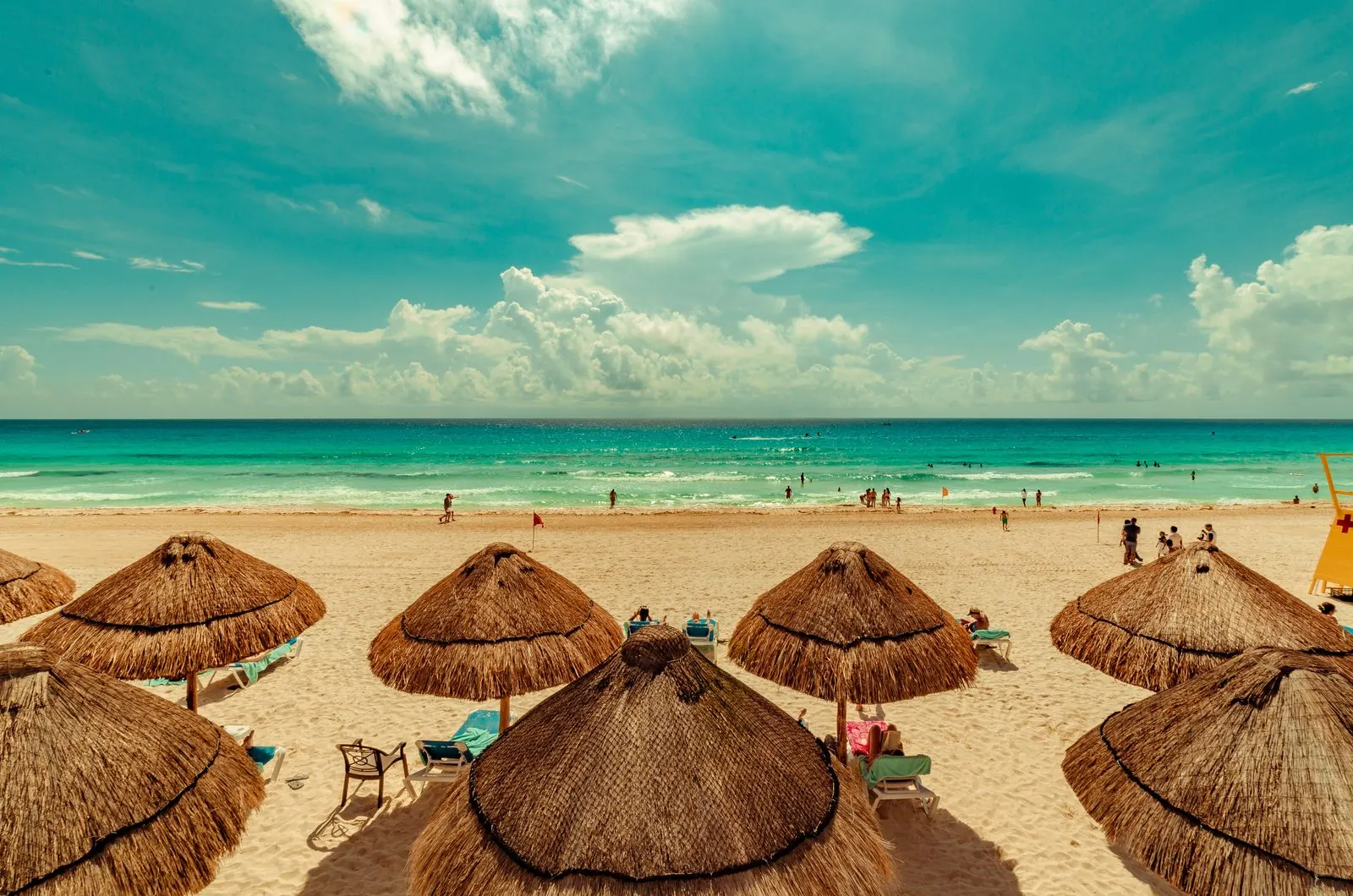 Hotel Zone & the Riviera
Cancún and its big resort strip, then the slower Riviera Maya running south through Playa del Carmen to Tulum, with cenotes and Mayan ruins inland.
Explore Cancún and Riviera Maya →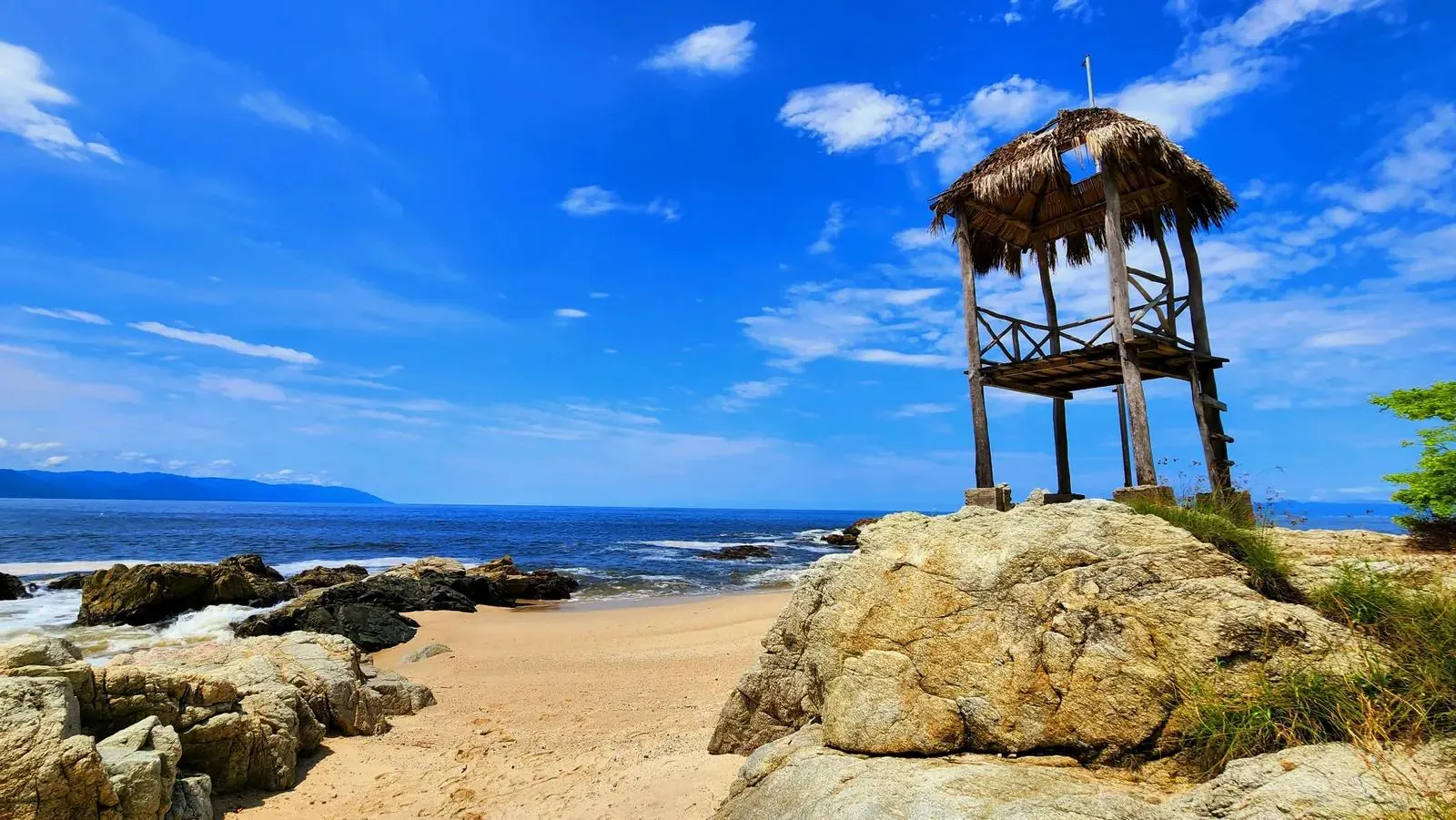 Banderas Bay
A real town on a big bay: the Malecón at sunset, boat trips to quiet beaches, and the Sierra Madre at its back. The Pacific side of Mexico at its most welcoming.
Explore Puerto Vallarta →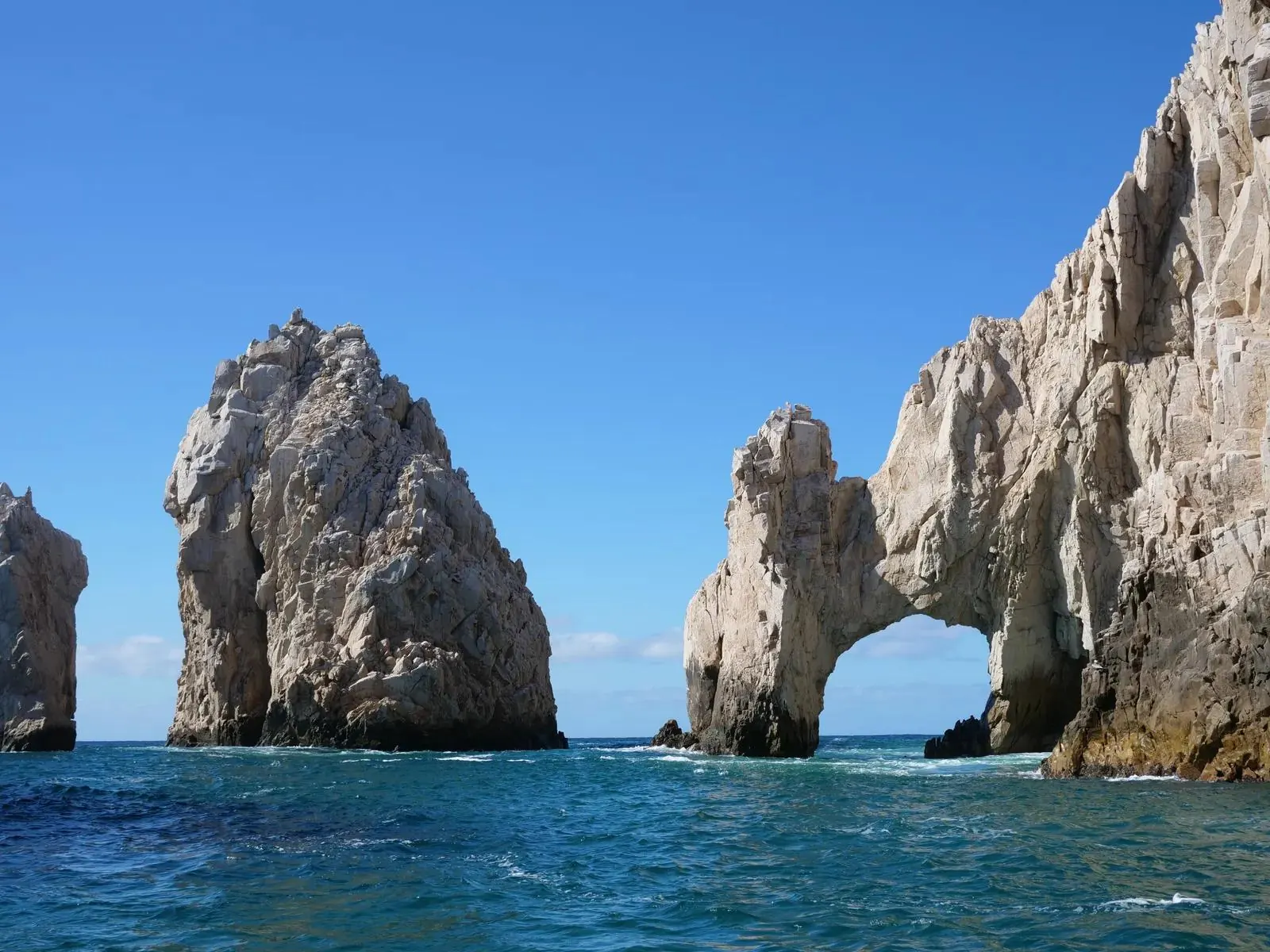 El Arco & Land's End
Desert, two seas and the famous El Arco at Land's End, with Cabo San Lucas for energy and San José del Cabo for quiet evenings and galleries.
Explore Los Cabos →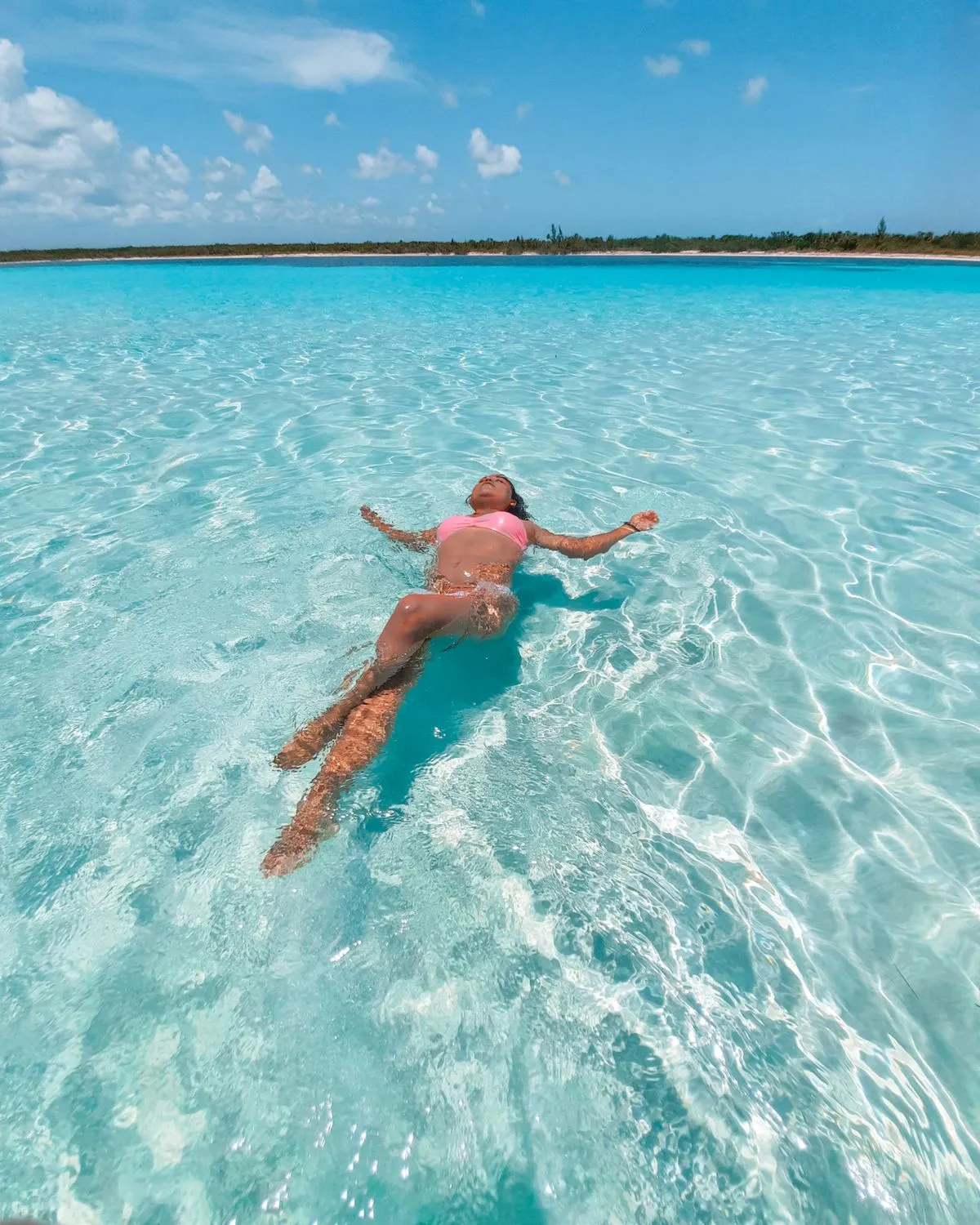 Reef and island time
Cozumel is the island just off Playa del Carmen, famous for some of the best drift diving and snorkelling in the Caribbean along the Palancar reef. Rent a car or scooter to loop the wild east coast, spend a day at a beach club, and ferry back to the mainland whenever you like. Divers plan whole trips around this island.
Explore Cozumel →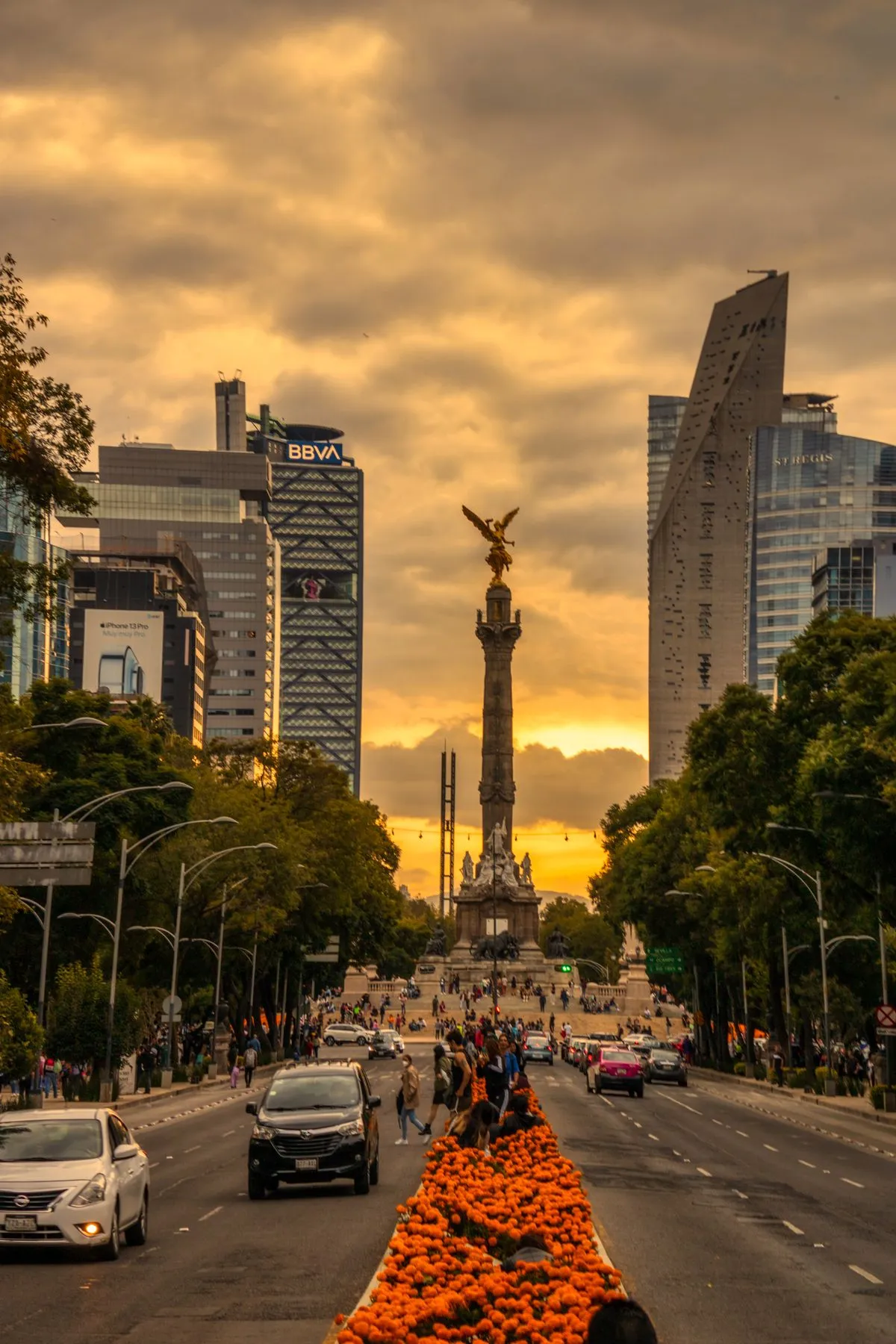 The capital
Mexico's capital is one of the great cities of the world: the vast Zocalo, the murals and museums of Chapultepec, and food from street tacos to world ranked restaurants. Day trip to the pyramids of Teotihuacan, float the canals of Xochimilco, and give it the days it deserves. It pairs with a beach week for a Mexico trip with both halves.
Explore Mexico City →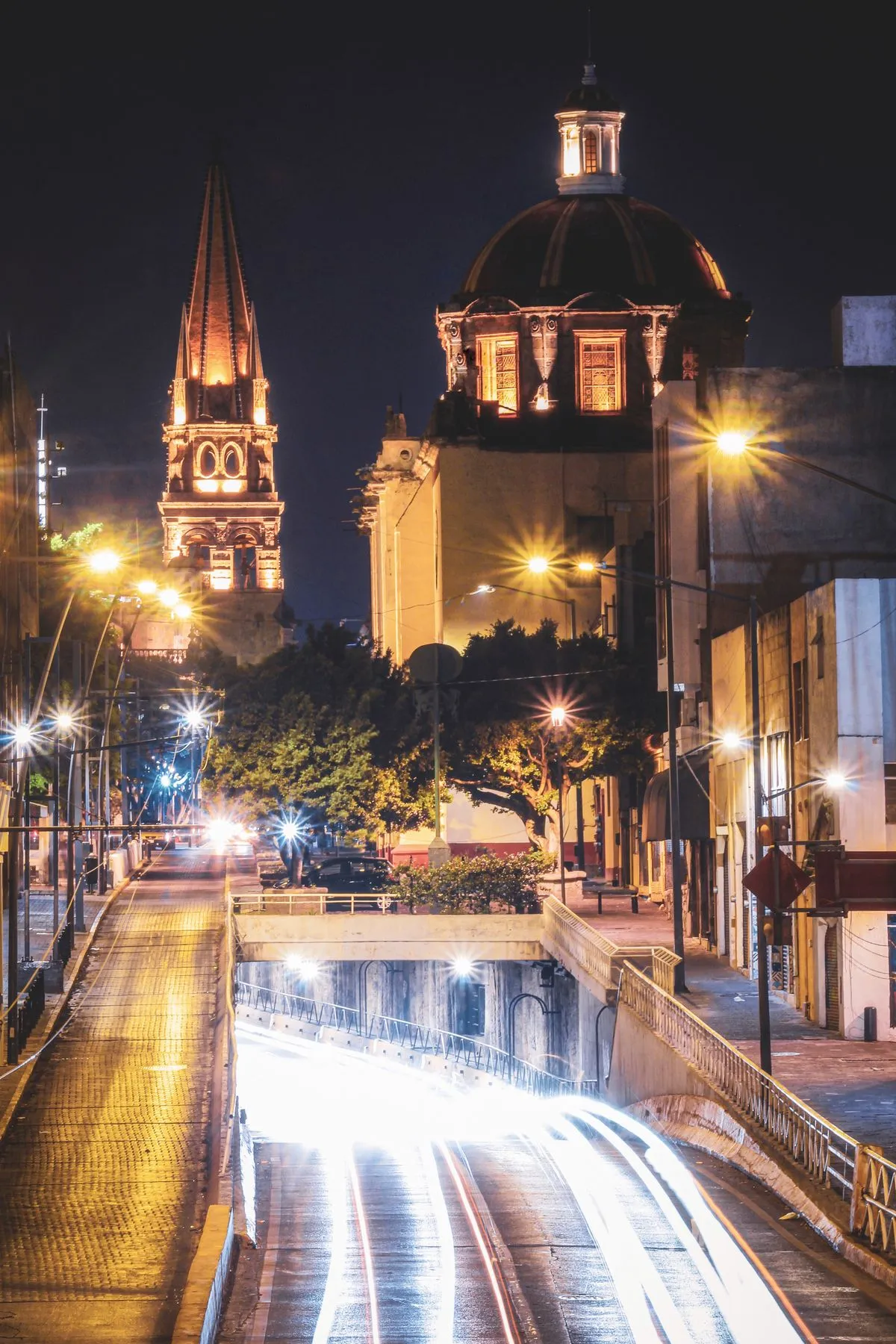 Mariachi and tequila
Guadalajara is Mexico's second city and its cultural heartland: mariachi in the plazas, the cathedral and the vast Cabanas murals, and the town of Tequila an hour away where the drink was born. Pair it with Puerto Vallarta, a short flight or a scenic drive apart, for a Jalisco trip of city and coast.
Explore Guadalajara →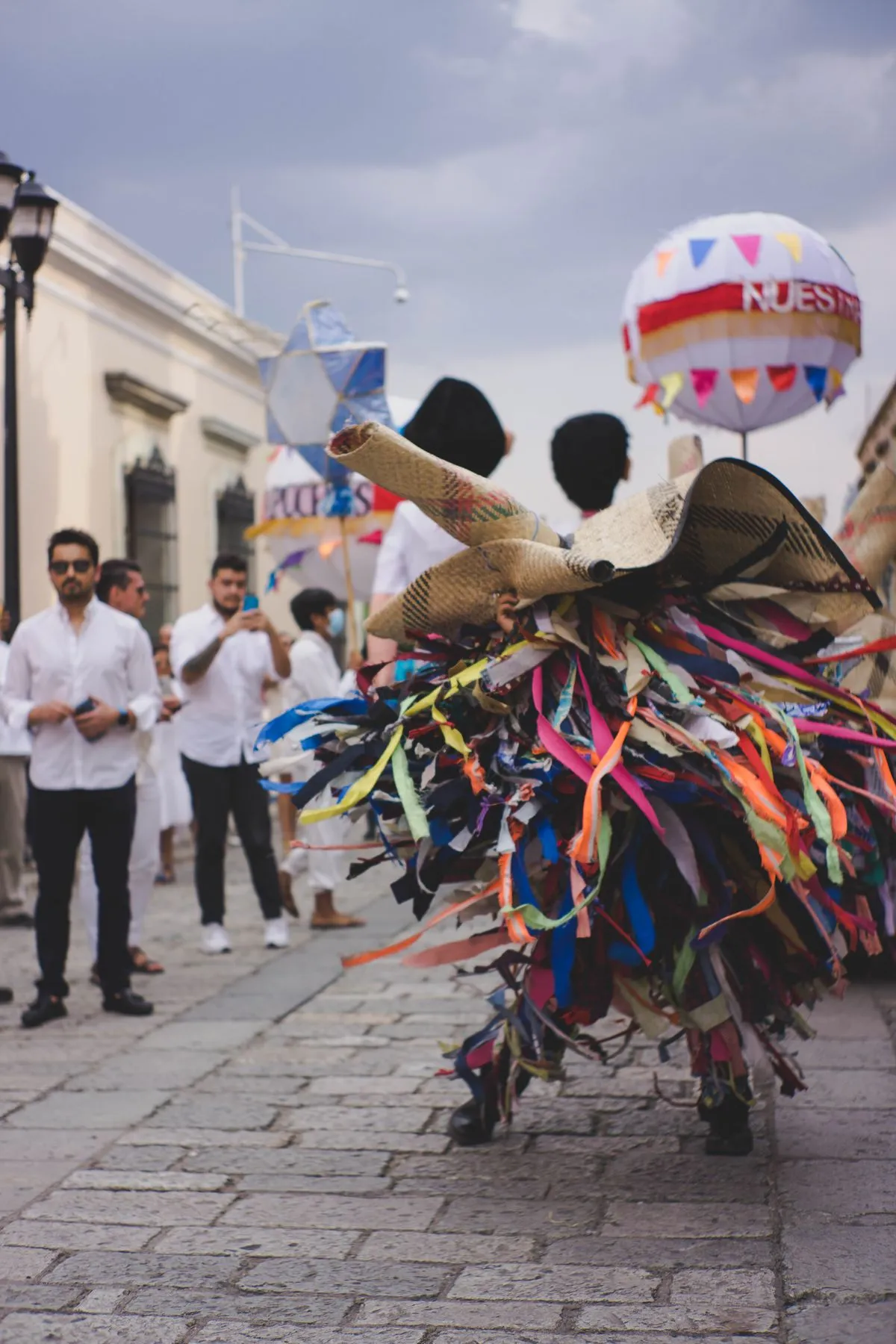 Food and festivals
Oaxaca is Mexico's food and festival capital, a colonial city of markets, mole and mezcal under big southern skies. Time a trip for the Guelaguetza in July or Day of the Dead in November, visit the ruins of Monte Alban above the city, and browse villages famous for weaving, pottery and alebrijes. It is the Mexico trip for travellers who eat first and plan second.
Explore Oaxaca →Brochures
Browse the Transat Mexico brochure first, then ask us to price the trip you like.
Transat's Mexico brochure for 2025 to 2026: Cancún and Riviera Maya, Puerto Vallarta, Los Cabos and more, hosted here as a PDF.
View the Transat brochure (PDF, 13 MB) →Dream of Sun: Mexico beach escapes and all inclusive resorts from Air Canada Vacations. The brochure PDF will be hosted here soon, and in the meantime we are happy to walk you through the collection.
Brochure PDF coming soonCancún and Riviera Maya in detail
One coastline, two paces: the energy of Cancún and its Hotel Zone, or the slower Riviera Maya to the south.
Hotel Zone & the Riviera
Cancún's Hotel Zone is a long curve of white sand and turquoise water lined with resorts of every size, made for travellers who want everything close at hand. South along the Riviera Maya the pace eases: Playa del Carmen brings a walkable town and ferry trips to Cozumel, Tulum pairs its clifftop ruins with quieter beaches, and inland days go to Chichen Itza or a swim in a cenote, one of the natural limestone pools scattered through the jungle. Families, couples and groups all fit here, and the resort choice makes the trip, so we match the property to how you actually travel.
Puerto Vallarta in detail
A resort town with a real town attached: beaches, a boardwalk and boat trips around one of the largest bays in Mexico.
Banderas Bay
Puerto Vallarta curves around Banderas Bay with the Sierra Madre behind it, and it still feels like a real Mexican town rather than a resort strip. Walk the Malecón at sunset, eat well in the Romantic Zone, and take a boat out to the rock arches of Los Arcos or to beaches that are only reachable by water. In winter the bay fills with humpback whales. It suits travellers who want beach days with a town to wander in the evenings, and it is a favourite for longer stays.
Los Cabos in detail
Two towns, one famous arch, and winter sun at the tip of the Baja Peninsula.
El Arco & Land's End
Los Cabos sits at the tip of the Baja Peninsula, where desert hills meet two seas. Everything starts at El Arco, the great rock arch at Land's End, best seen by boat at sunset. Cabo San Lucas brings the marina, sport fishing and a lively centre, while San José del Cabo is quieter, with galleries and an art walk in season. Winter adds whale watching as humpbacks pass the cape. The resorts here lean upscale, and the winter sun is some of the most reliable in Mexico.
Cuba in detail
Cuba pairs like nowhere else: the colour and music of Old Havana, then the long white beach at Varadero.
Ride in a classic car past Havana's historic squares, hear live music in the evenings, then unwind in Varadero for the rest of the week. The two centre trip is the classic Cuba booking for a reason, and we will advise honestly on resort standards so the trip matches your expectations.
 The capital
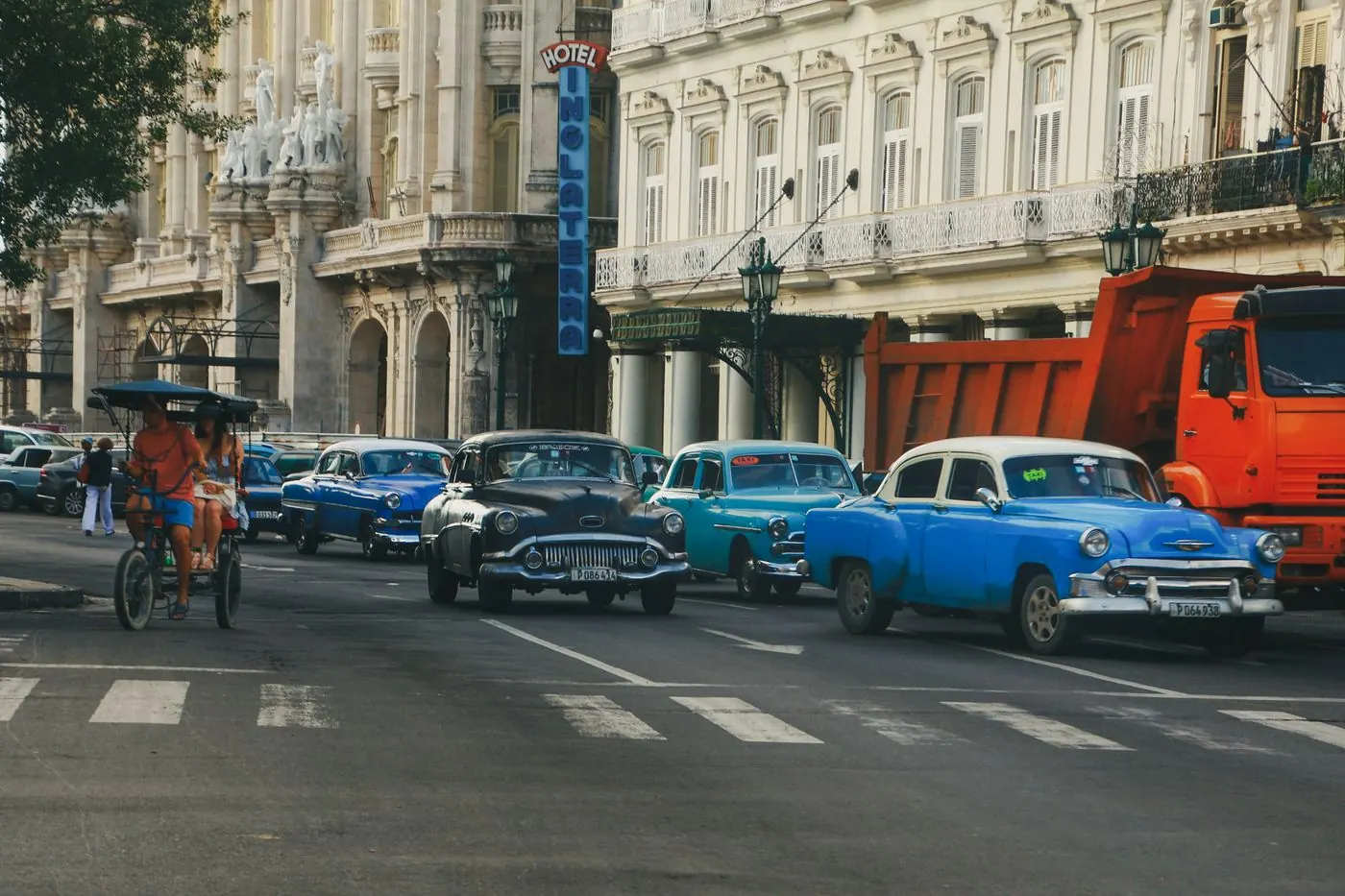
Classic cars, grand plazas and live music in the streets: Havana is Cuba at its most vivid, and the start of almost every Cuba trip.
Explore Havana →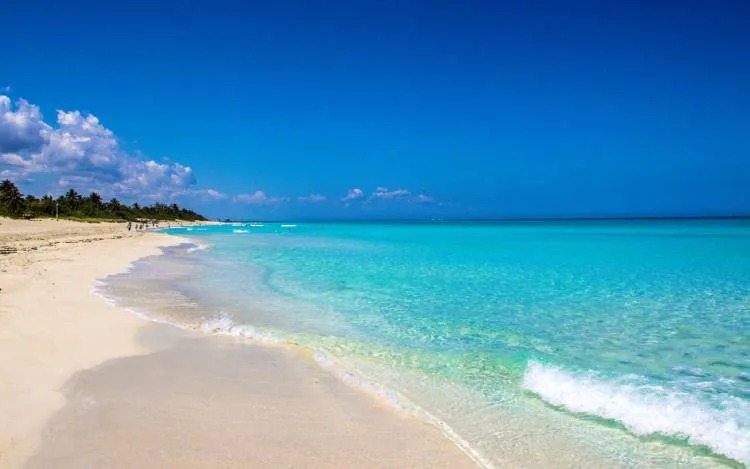 The famous beach
Thirteen miles of white sand and calm turquoise water, lined with the all inclusive resorts Canadians book most in Cuba.
Explore Varadero →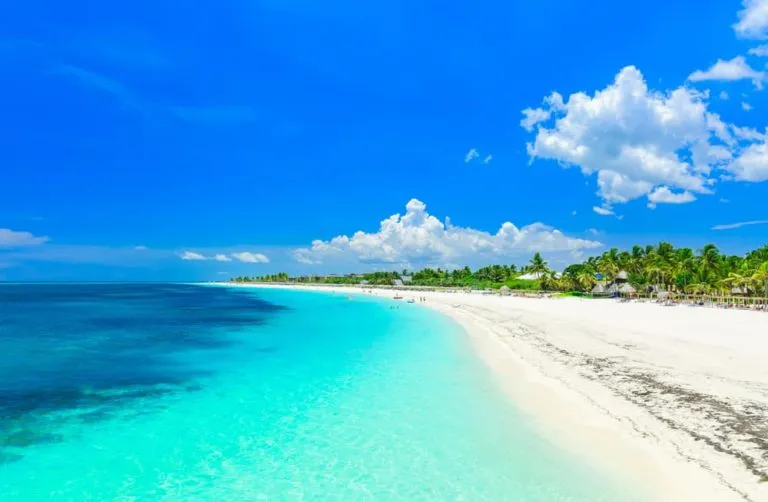 Quiet cay resorts
A causeway linked cay off the north coast, built for quiet all inclusive weeks, flamingos and shallow turquoise water.
Explore Cayo Coco →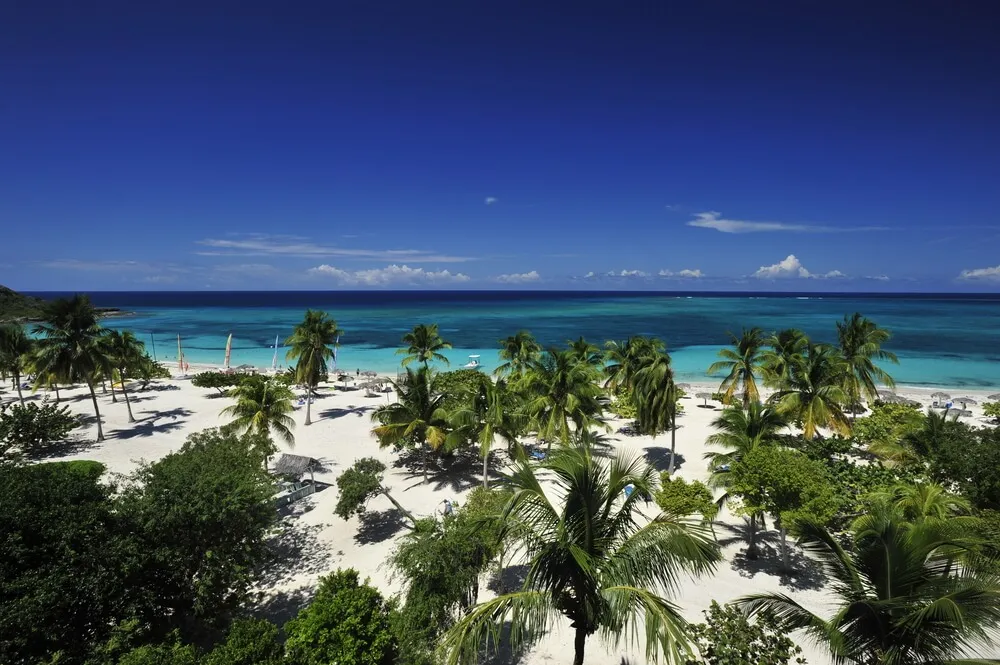 Guardalavaca beaches
The resort coast around Guardalavaca, with fine beaches, green hills behind them and a real Cuban city an hour inland.
Explore Holguin →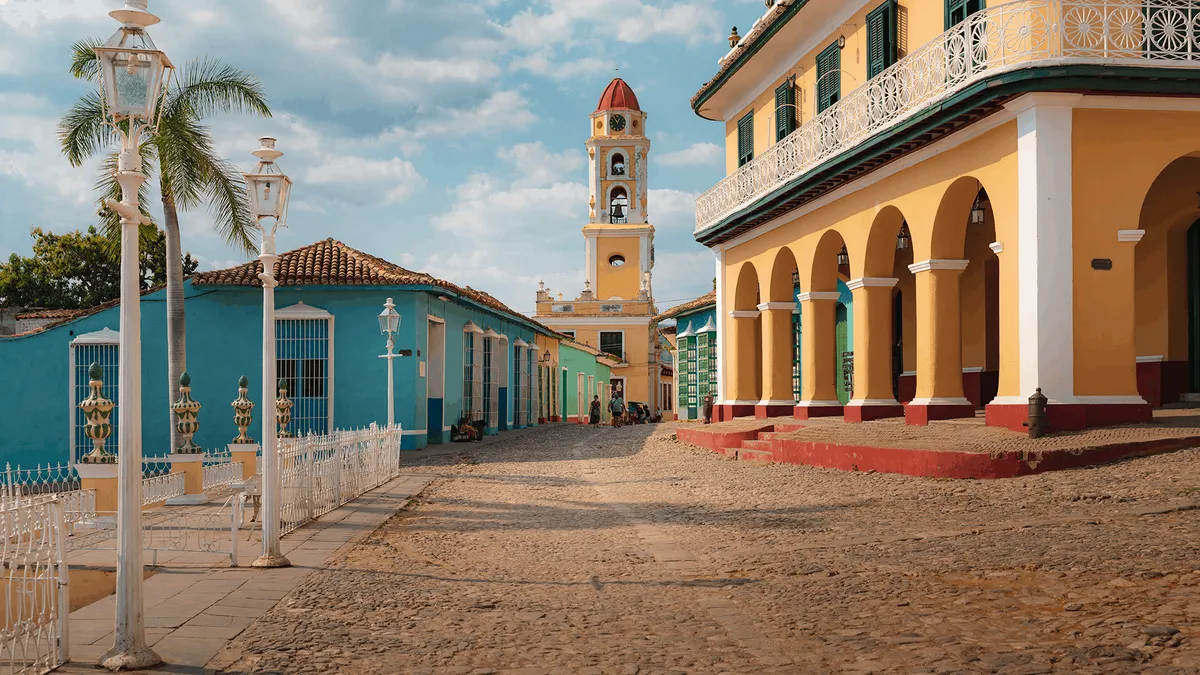 Colonial time capsule
A perfectly kept colonial town of cobbles and pastel houses, with Playa Ancon beach a short ride away.
Explore Trinidad →Dominican Republic in detail
The Dominican Republic is built for doing as much, or as little, as you like: palm lined beaches and big all inclusive resorts in Punta Cana.
Spend the week on the sand, out on a catamaran, or at the spa, with excursions there when you want them. Punta Cana is also one of our most booked destination wedding settings. We help you pick the resort tier that fits, because in the Dominican the property is the holiday.
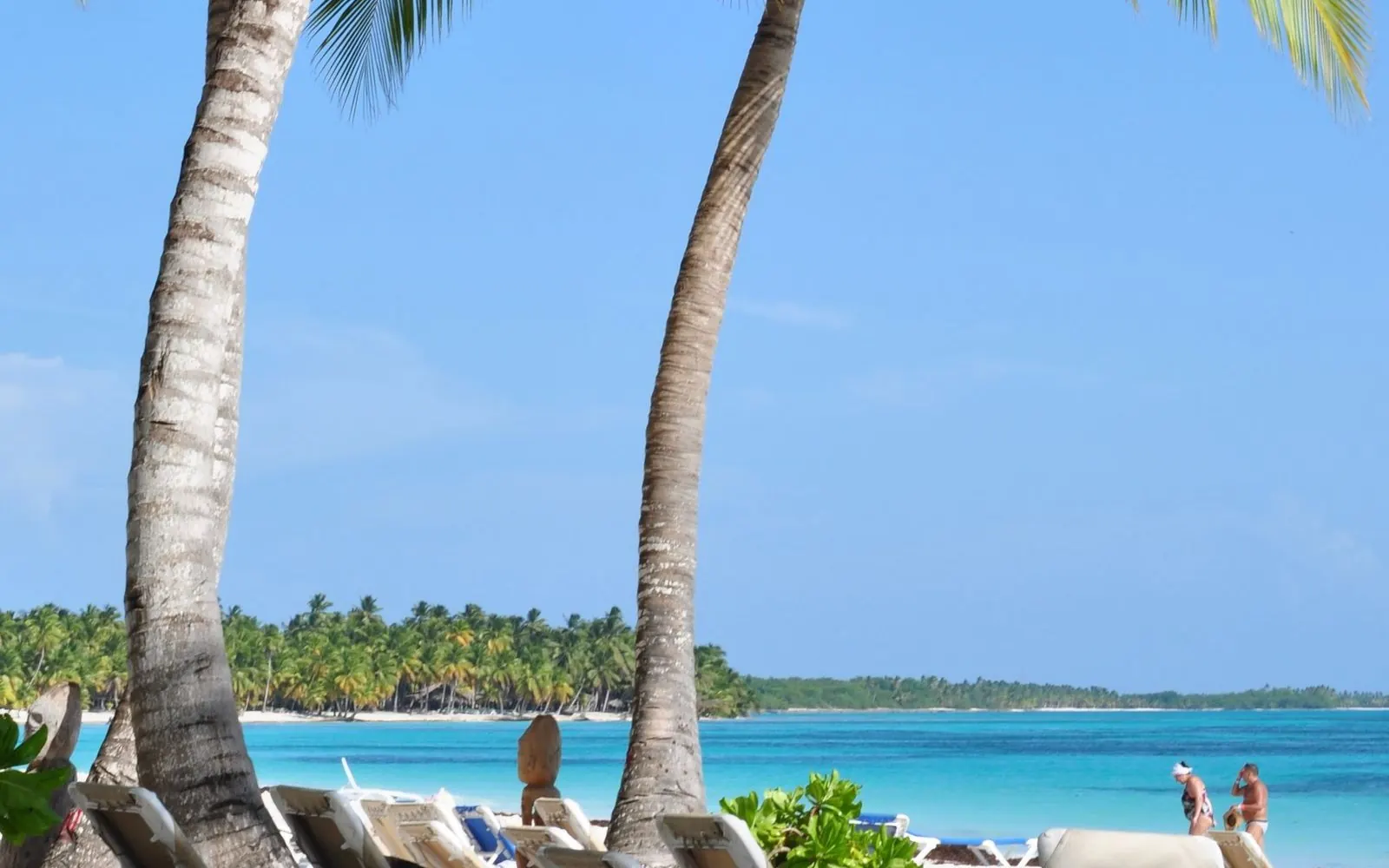 Resort capital
The east coast resort strip: Bavaro Beach, big all inclusive resorts and golf, made for easy weeks in the sun.
Explore Punta Cana →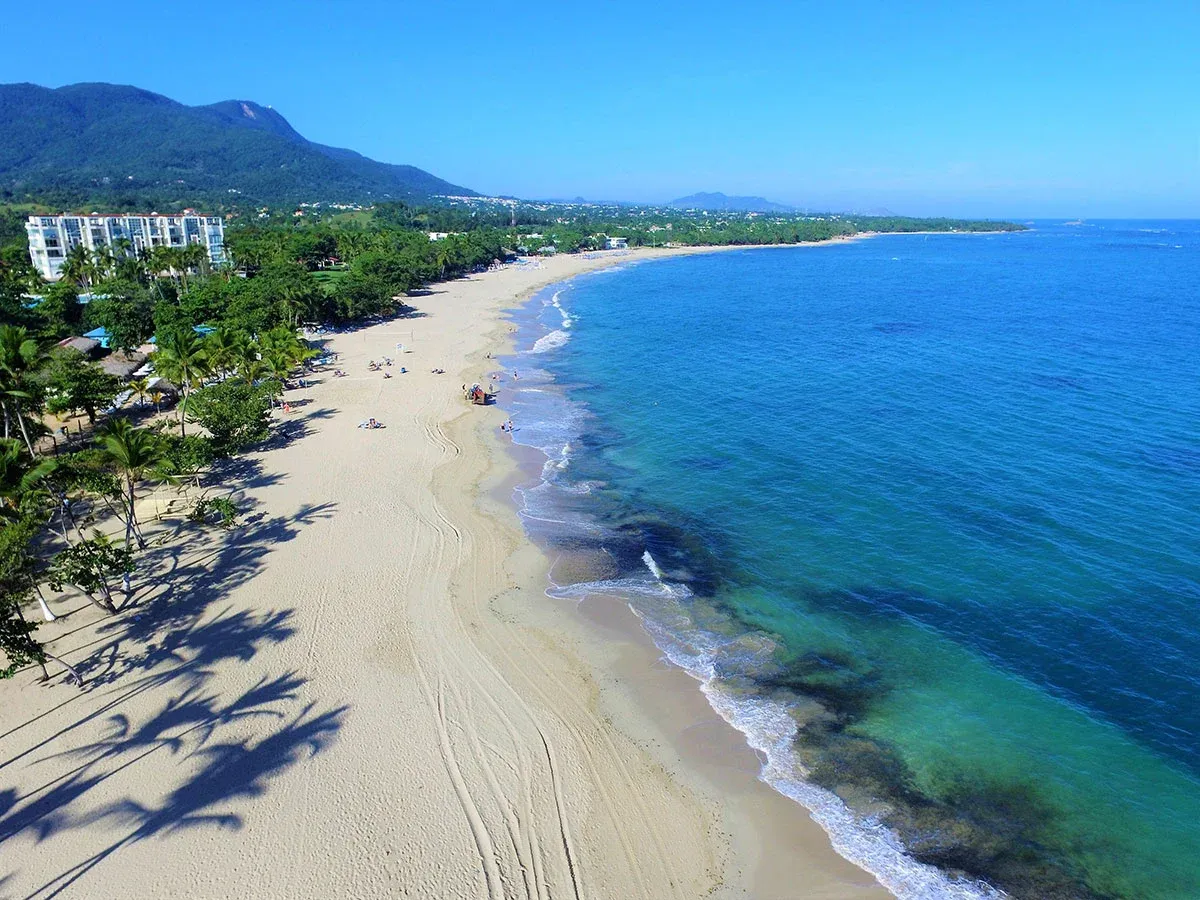 The north coast
The original Dominican resort coast, with a cable car up Mount Isabel, a Victorian town and surf at Cabarete nearby.
Explore Puerto Plata →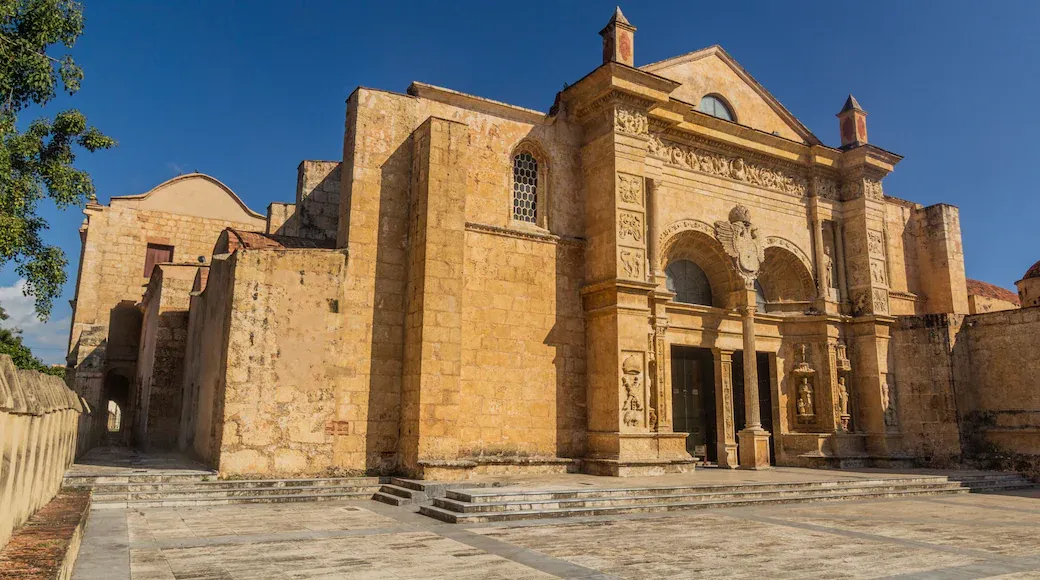 The colonial capital
The oldest European city in the Americas, with a UNESCO listed colonial zone of firsts: first cathedral, first hospital, first street.
Explore Santo Domingo →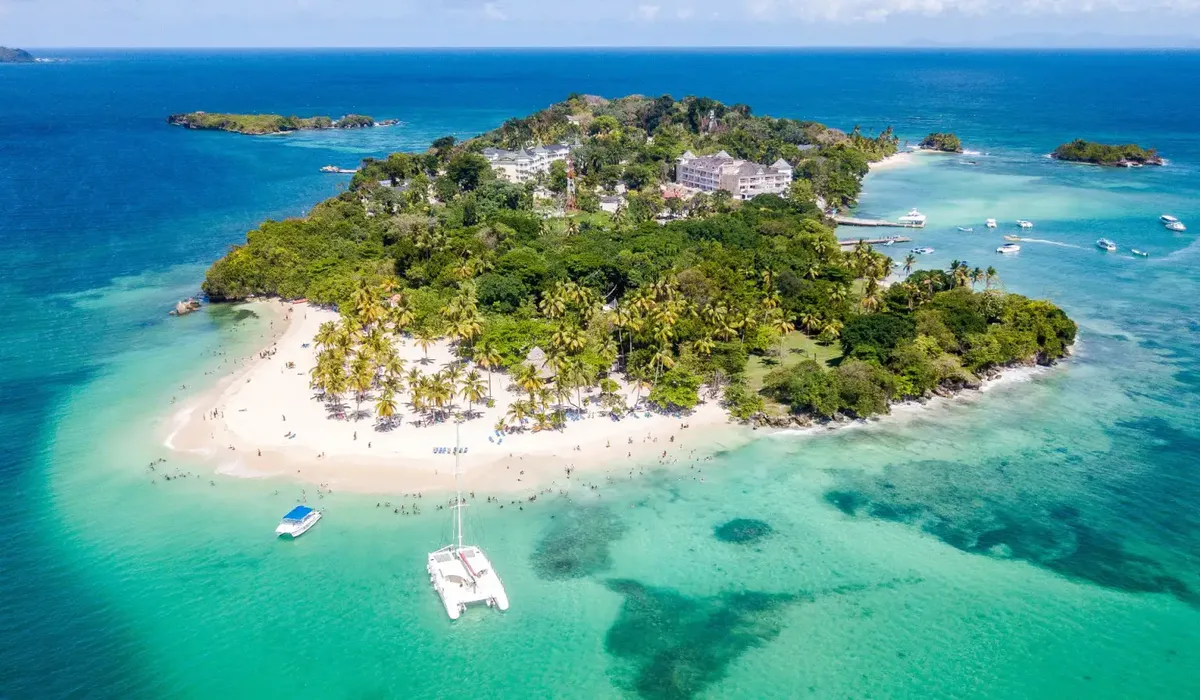 Whales and waterfalls
A green peninsula of palm hills and quiet bays, famous for humpback whales in winter and the El Limon waterfall.
Explore Samana →Jamaica in detail
Jamaica is pure unwind: seven miles of soft sand in Negril, music in the air, and sunsets that stop the whole beach.
Split your stay between Montego Bay's resort strip and Negril's famous beach, add a waterfall or rum tour day, and let the rest look after itself. Jamaica is a honeymoon favourite and an easy winter escape, and we will match you to the right side of the island for the trip you want.
 Resort strip and airport hub
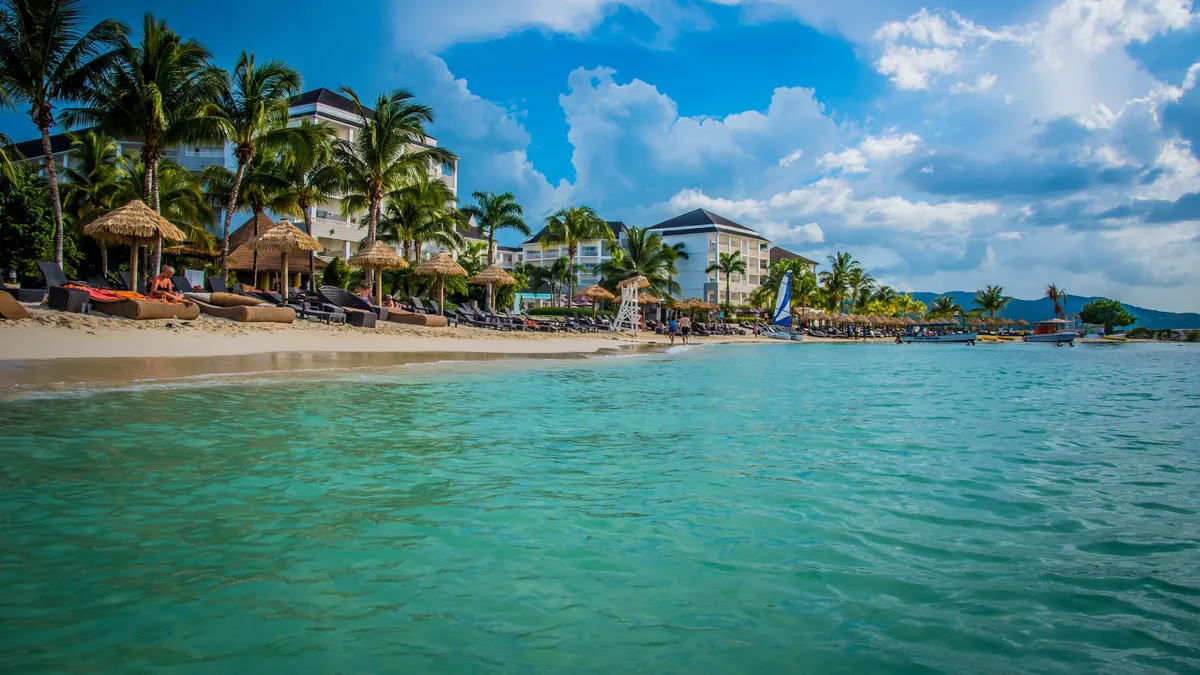
The main resort coast and arrival hub, with Doctor's Cave Beach, the Hip Strip and big all inclusive resorts.
Explore Montego Bay →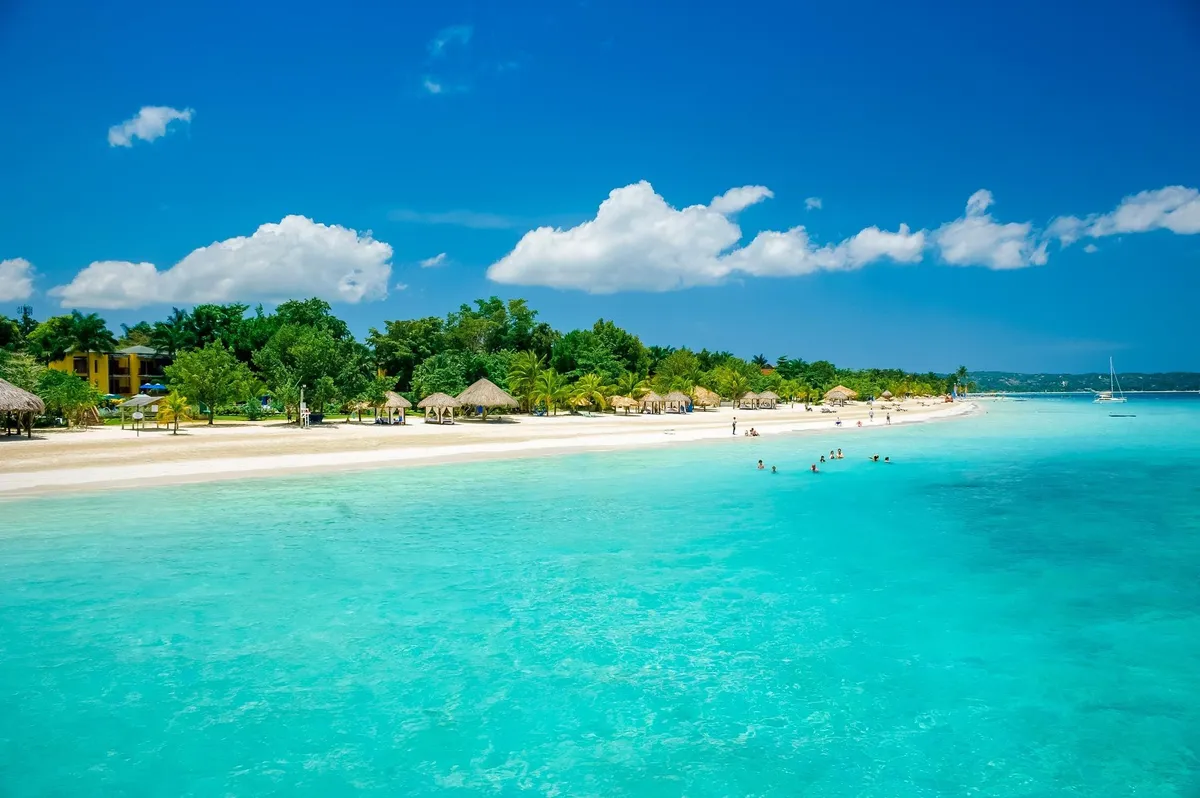 Seven Mile Beach
Seven miles of soft sand, calm water and the famous west end cliffs, with sunsets that gather a crowd every evening.
Explore Negril →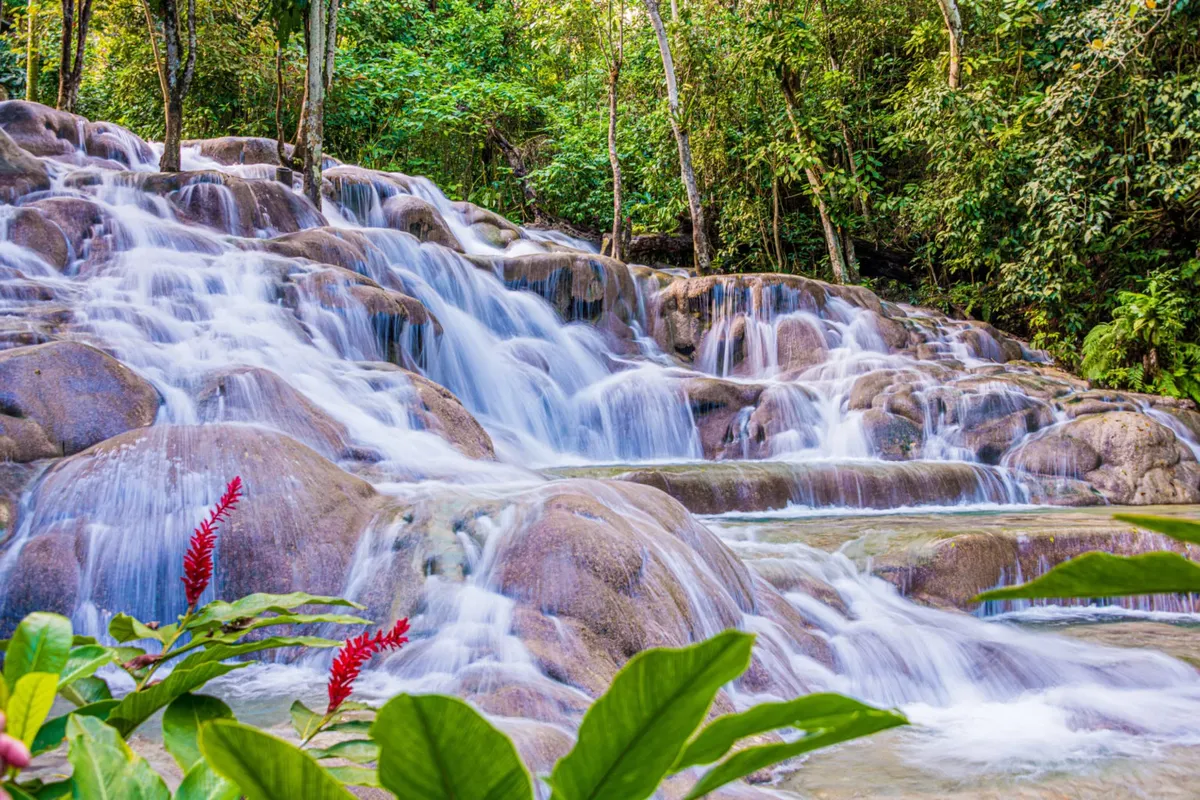 Waterfalls and gardens
Home to Dunn's River Falls, lush gardens and river adventures, on the green north coast east of Montego Bay.
Explore Ocho Rios →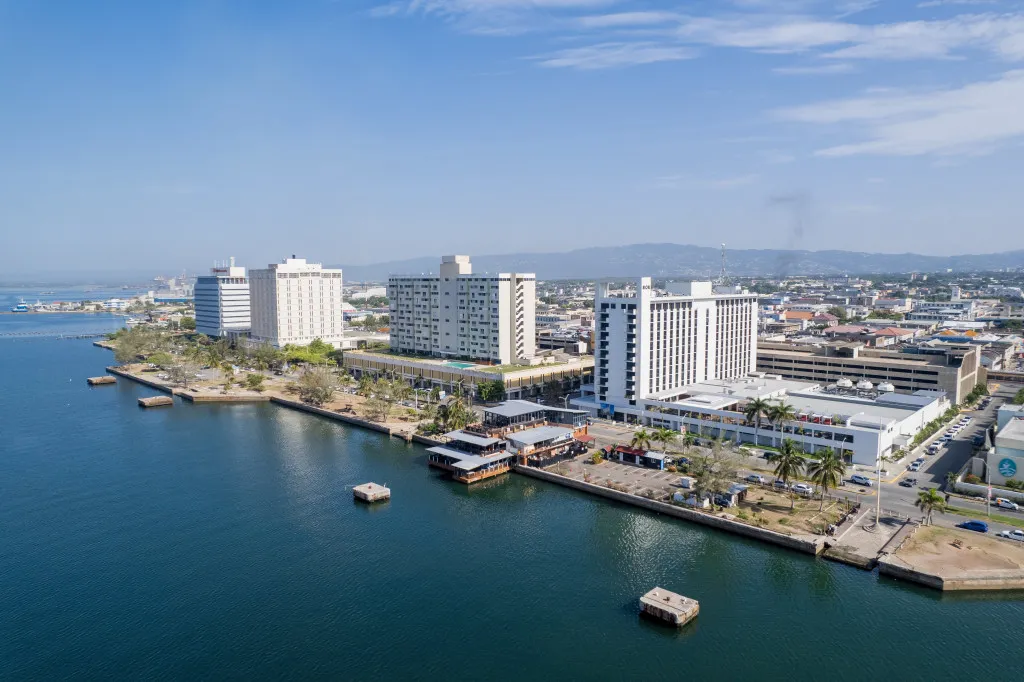 Music and culture capital
The capital and the home of reggae: the Bob Marley Museum, Devon House and the Blue Mountains at its back.
Explore Kingston →Bahamas in detail
The Bahamas is hundreds of islands and some of the clearest water on earth, from Nassau's resorts to quiet Out Island cays.
Stay in Nassau or Paradise Island for the full resort experience, or slow down on an Out Island where the beach is the whole plan. The Bahamas is also an easy cruise add on from Florida. We will help you choose between resort, cruise and island hopping, or combine all three.
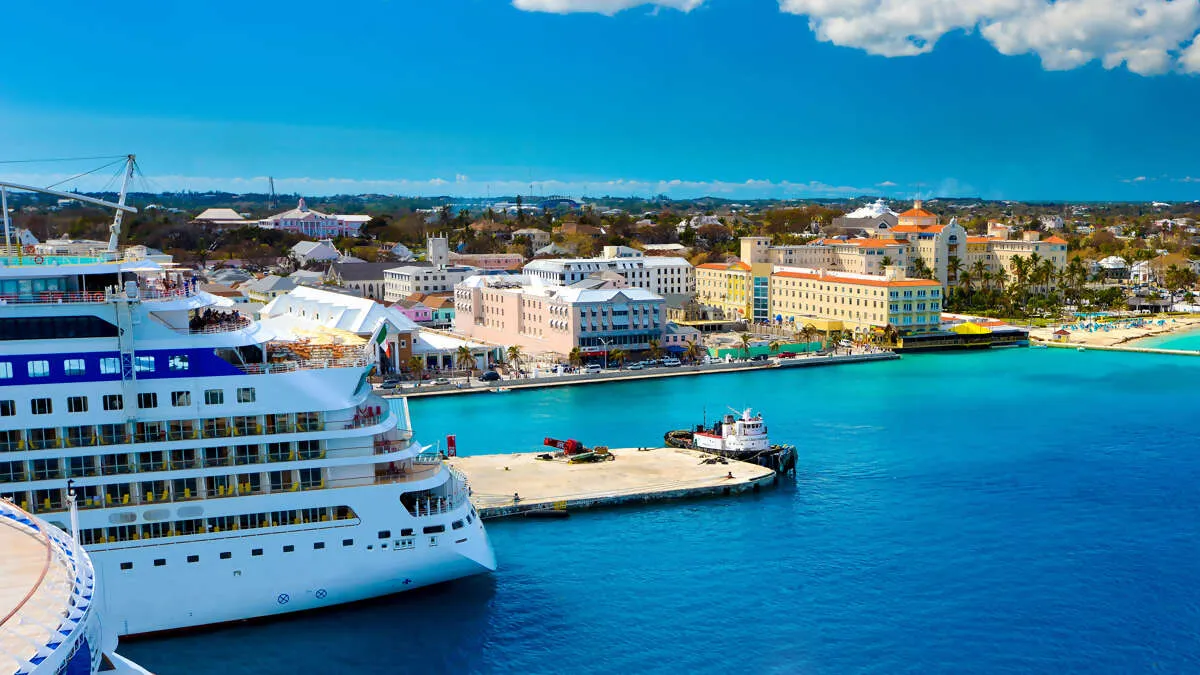 The capital
 on New Providence: forts, the Straw Market, duty free Bay Street and big resort energy a short walk apart.
Explore Nassau →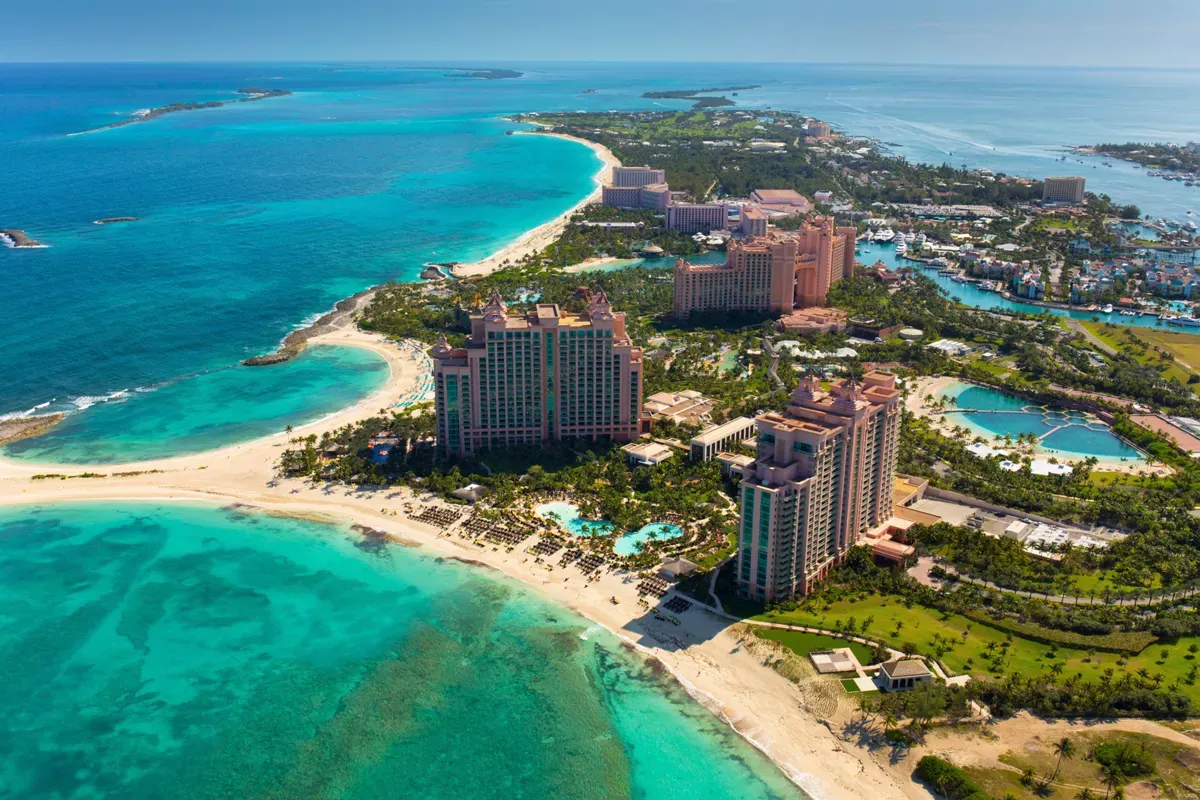 Atlantis and Cabbage Beach
Across the bridge from Nassau, home to Atlantis, the marina village and the long curve of Cabbage Beach.
Explore Paradise Island →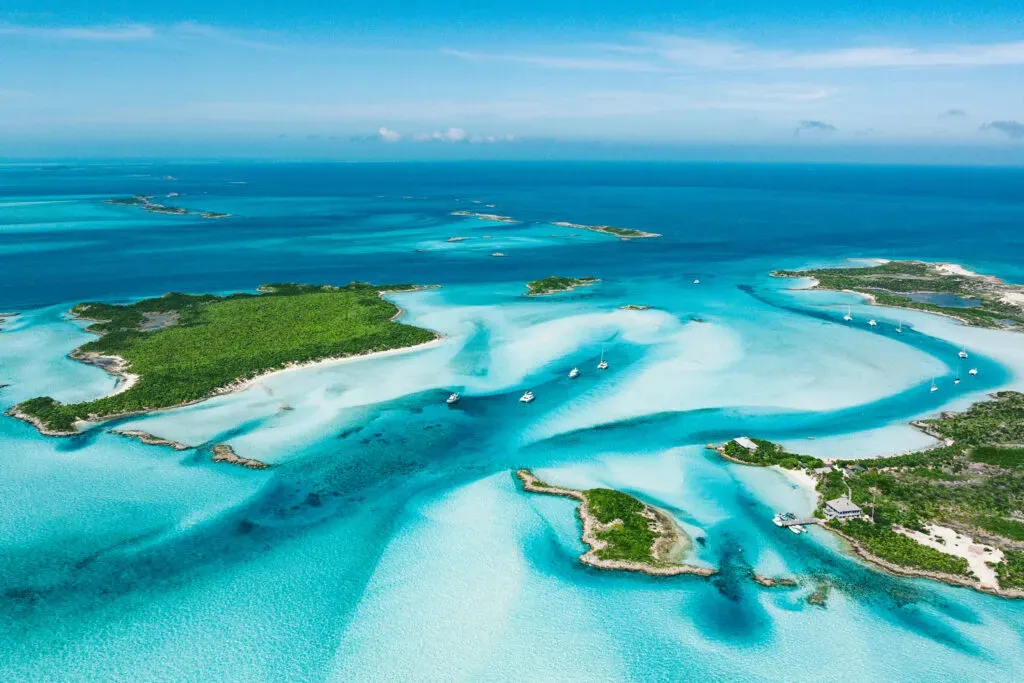 Swimming pigs and sandbars
A chain of cays famous for swimming pigs, thunderball grotto and sandbars that appear at low tide in impossible blues.
Explore Exuma →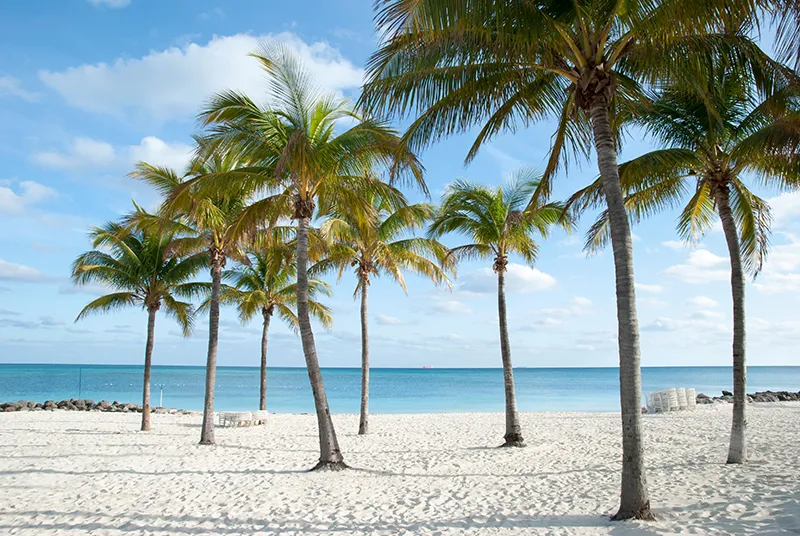 Grand Bahama
The main town on Grand Bahama Island, with Lucaya's market and marina, and long quiet beaches east and west of town.
Explore Freeport →Aruba in detail
Aruba is the reliable one: steady trade winds, the famous divi divi trees, and sunshine almost every single day.
Set up on Eagle Beach or Palm Beach, snorkel the clear water, and take a day for the island's rocky north coast and Arikok National Park. Aruba sits outside the hurricane belt, which makes it a favourite for weddings and winter trips alike. We book the beachfront resorts Canadians ask for most.
 The capital
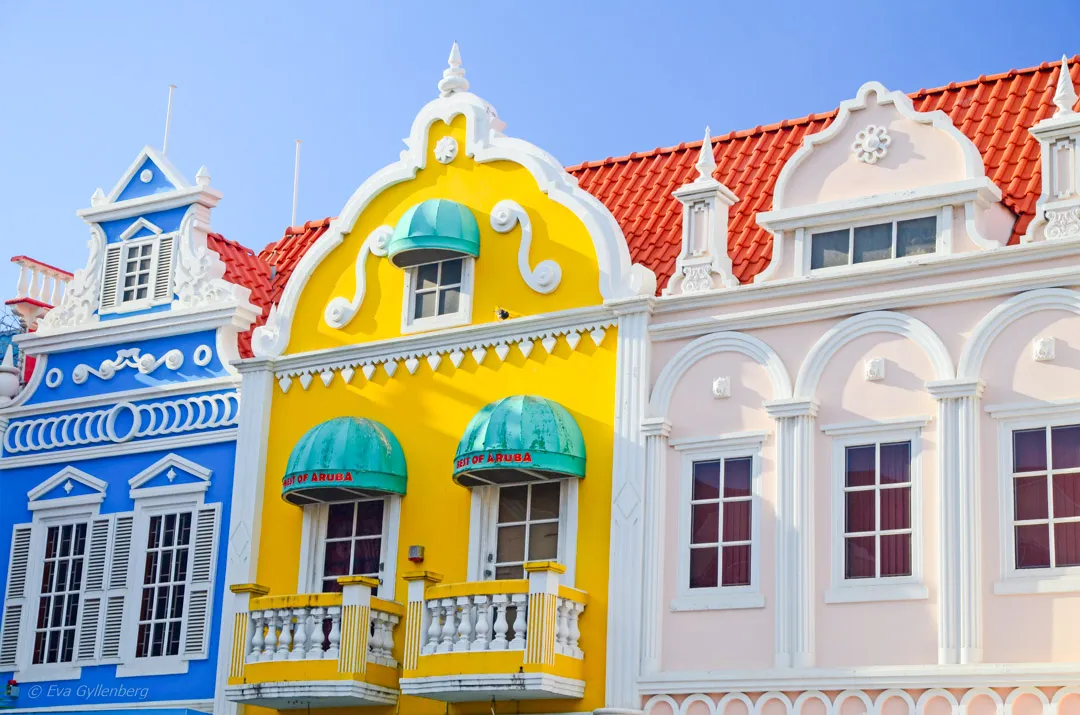
The pastel coloured capital, with duty free shopping, the free streetcar and Fort Zoutman telling the island story.
Explore Oranjestad →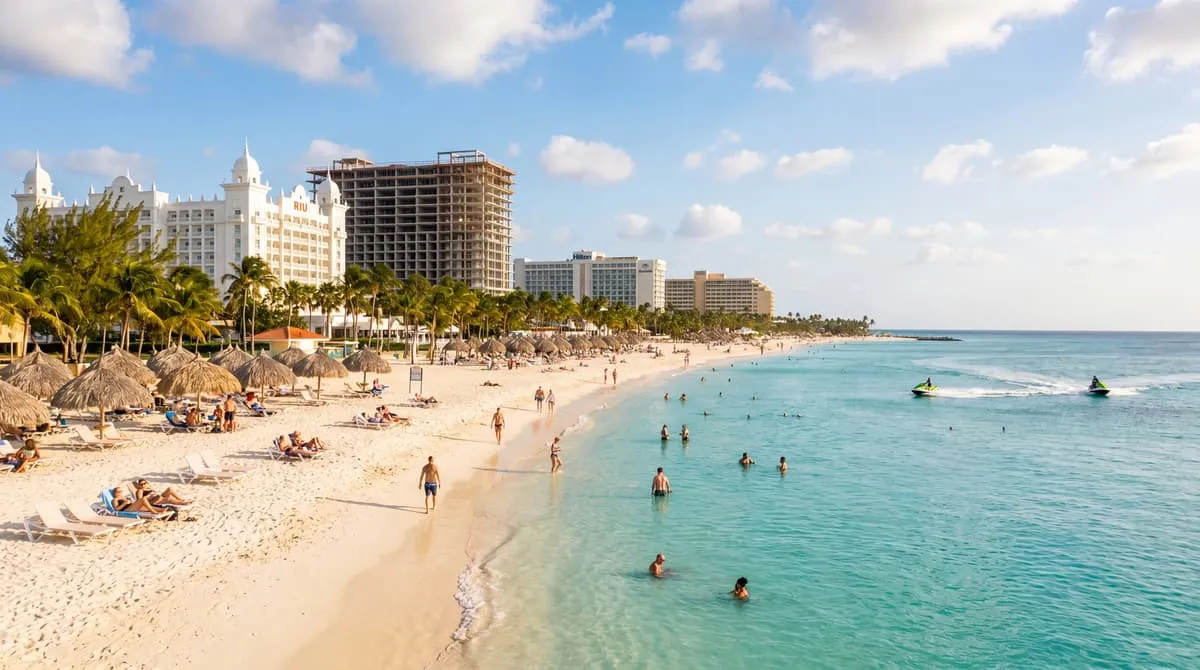 High rise resort strip
The high rise hotel strip: calm water, beach bars, casinos and the liveliest evenings on the island.
Explore Palm Beach →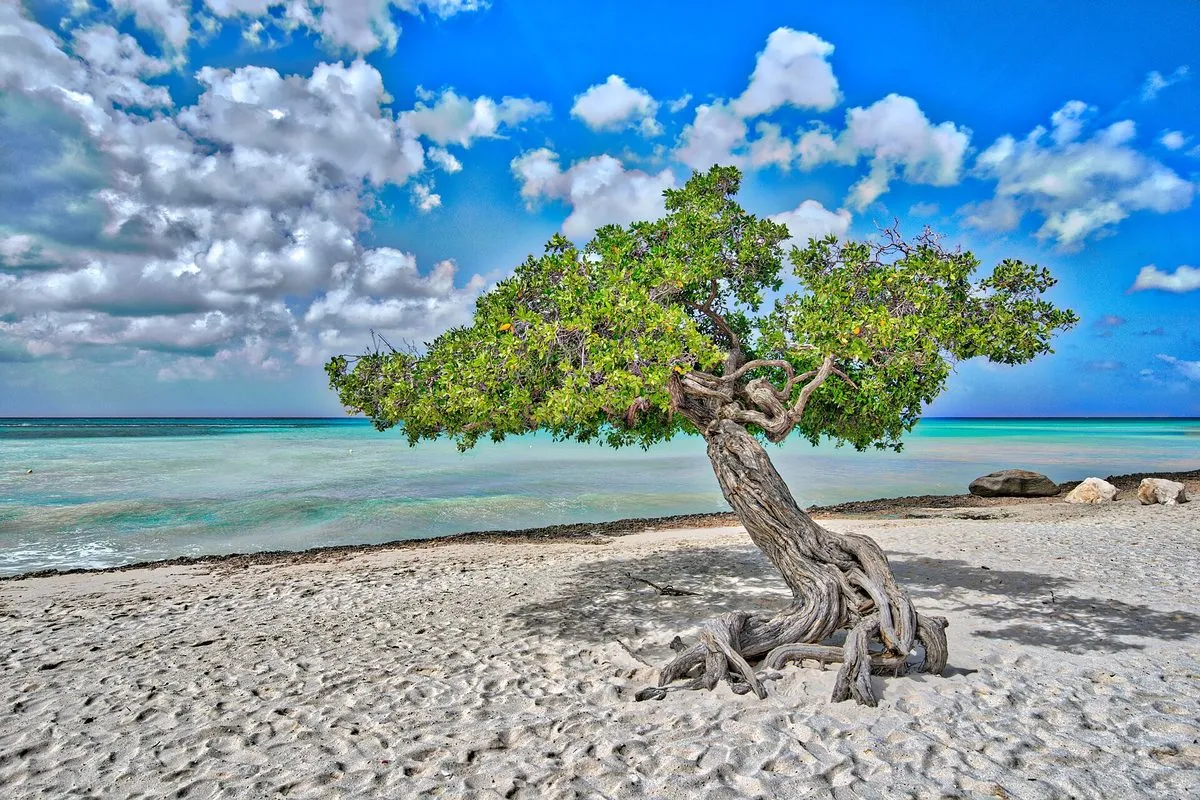 The famous quiet beach
Wide white sand, the famous divi divi trees and low rise resorts: the beach that tops world lists year after year.
Explore Eagle Beach →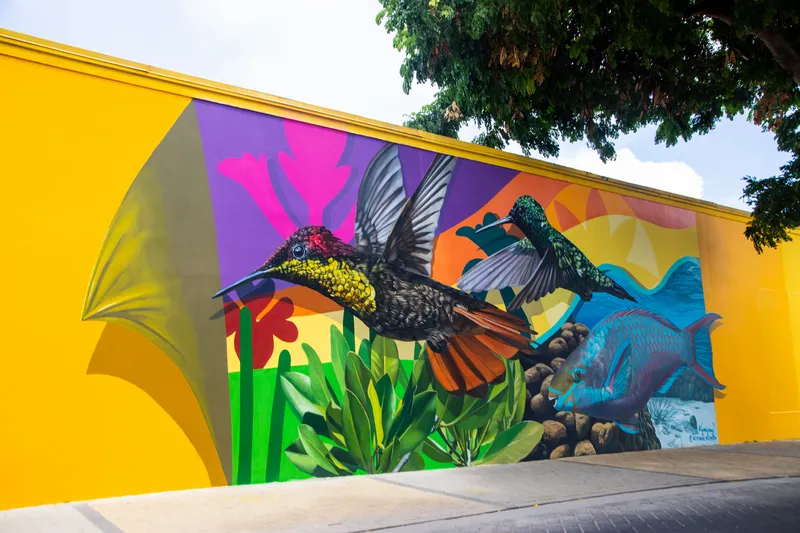 Art town of the south
Aruba's second town, reborn as an open air gallery of murals, with Baby Beach's calm lagoon at the island's south tip.
Explore San Nicolas →Barbados in detail
Barbados splits into two coasts: calm west coast water made for swimming, surf breaks on the east, and rum shops and gardens in between.
Swim and snorkel on the Platinum Coast, watch the surf at Bathsheba, and spend a day on the island's food and rum: a plantation house, a distillery, a Friday night fish fry in Oistins. Barbados suits travellers who want a beach week with a bit more to it, and we will help you pick your coast.
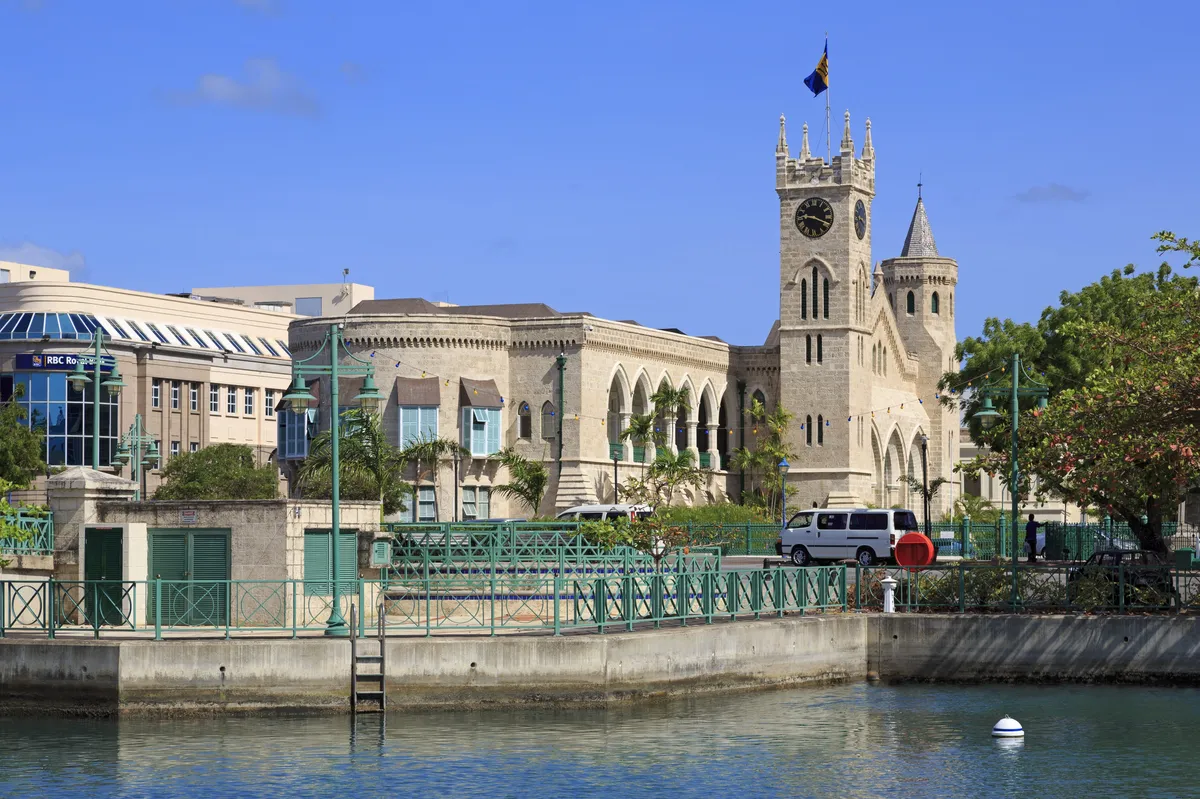 The capital
The UNESCO listed capital: Parliament, the Careenage harbour, Swan Street shopping and centuries of trade history.
Explore Bridgetown →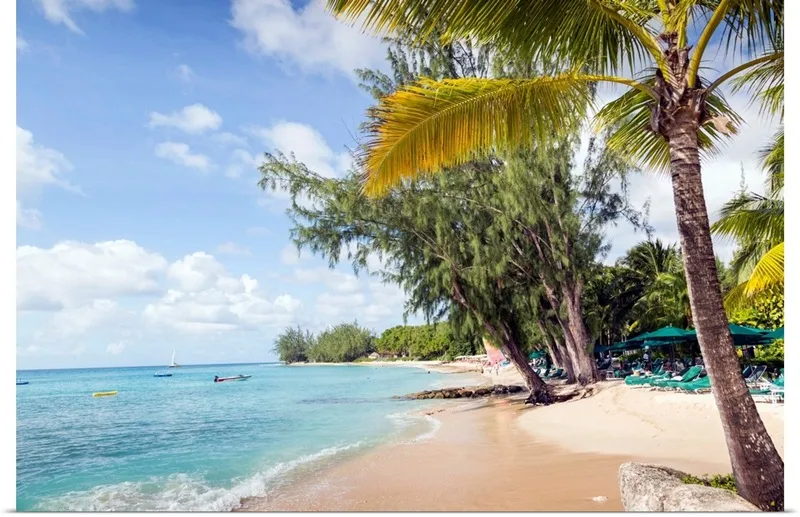 The Platinum Coast
The heart of the Platinum Coast: calm swimming beaches, Limegrove's shops and some of the finest dining in the Caribbean.
Explore Holetown and the West Coast →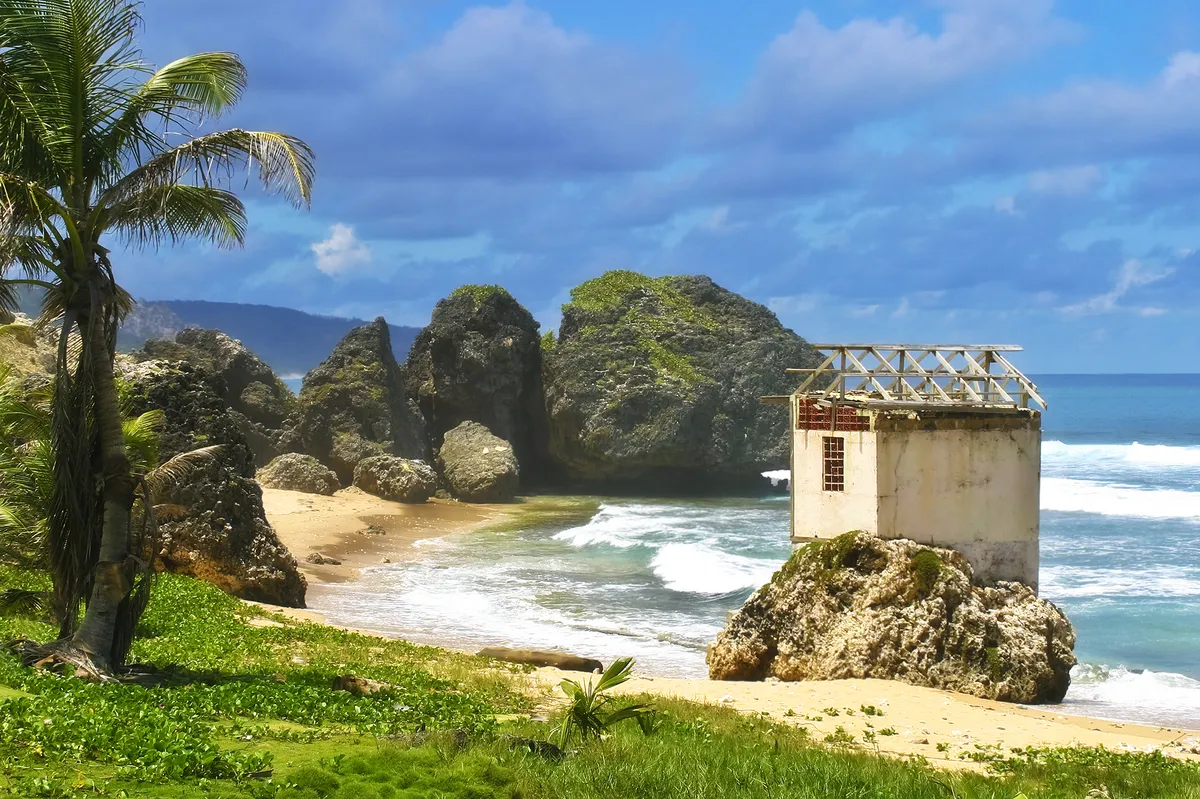 The wild east coast
The rugged Atlantic east coast: the Soup Bowl surf break, mushroom rocks on the beach and a completely different Barbados.
Explore Bathsheba →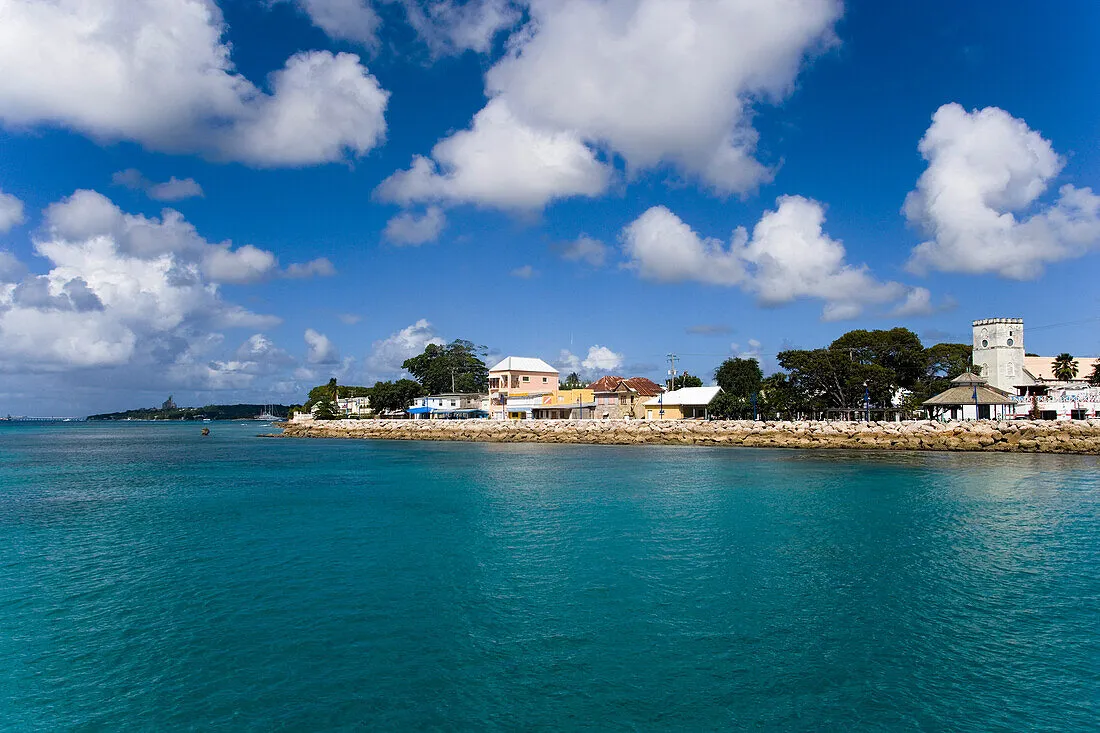 The quiet north west
The second town of Barbados, slower and older in feel, with good beaches and the island's north within easy reach.
Explore Speightstown →Costa Rica in detail
Costa Rica pairs easy beach days with real adventure: volcanoes, cloud forest and two coastlines in one small country.
Split the trip between the Arenal volcano area, with its hot springs and rainforest waterfalls, and the Pacific coast for beach time and wildlife. Zip lines, hanging bridges and national parks fill the days between. We arrange the transfers carefully here, because Costa Rica's roads make distance and driving time two different things.
 Volcano and hot springs
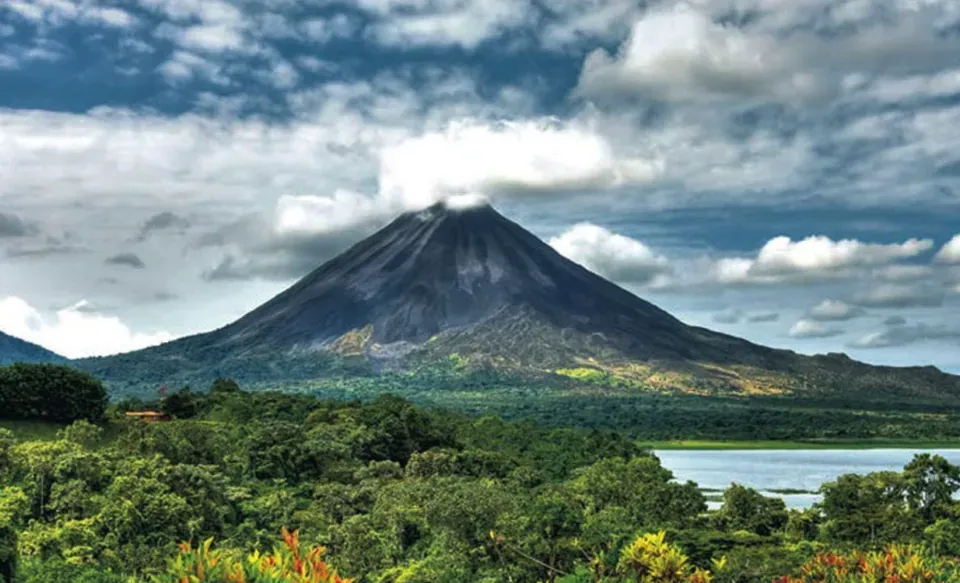
The town under Arenal Volcano, with hot springs resorts, the famous waterfall and hanging bridges in the rainforest.
Explore La Fortuna and Arenal →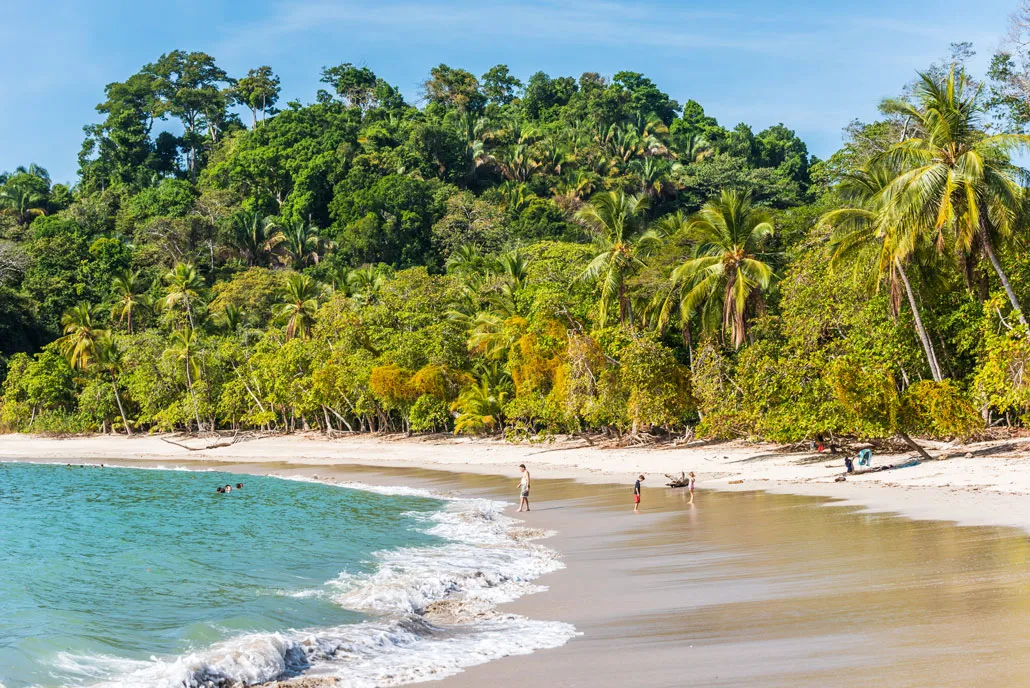 National park beaches
A small national park where rainforest meets white sand beaches, and sloths and monkeys are part of the scenery.
Explore Manuel Antonio →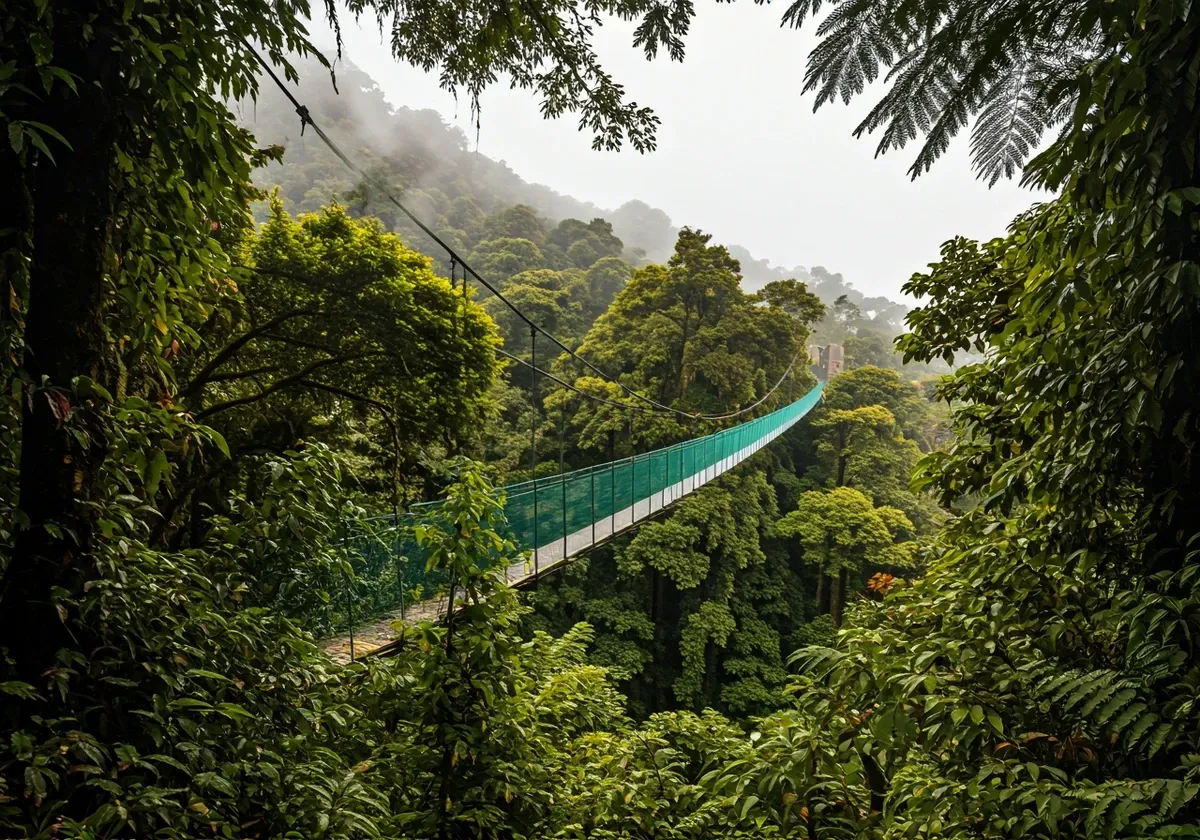 Cloud forest
A misty mountain town famous for its cloud forest reserves, hanging bridges and some of the best birdwatching on earth.
Explore Monteverde →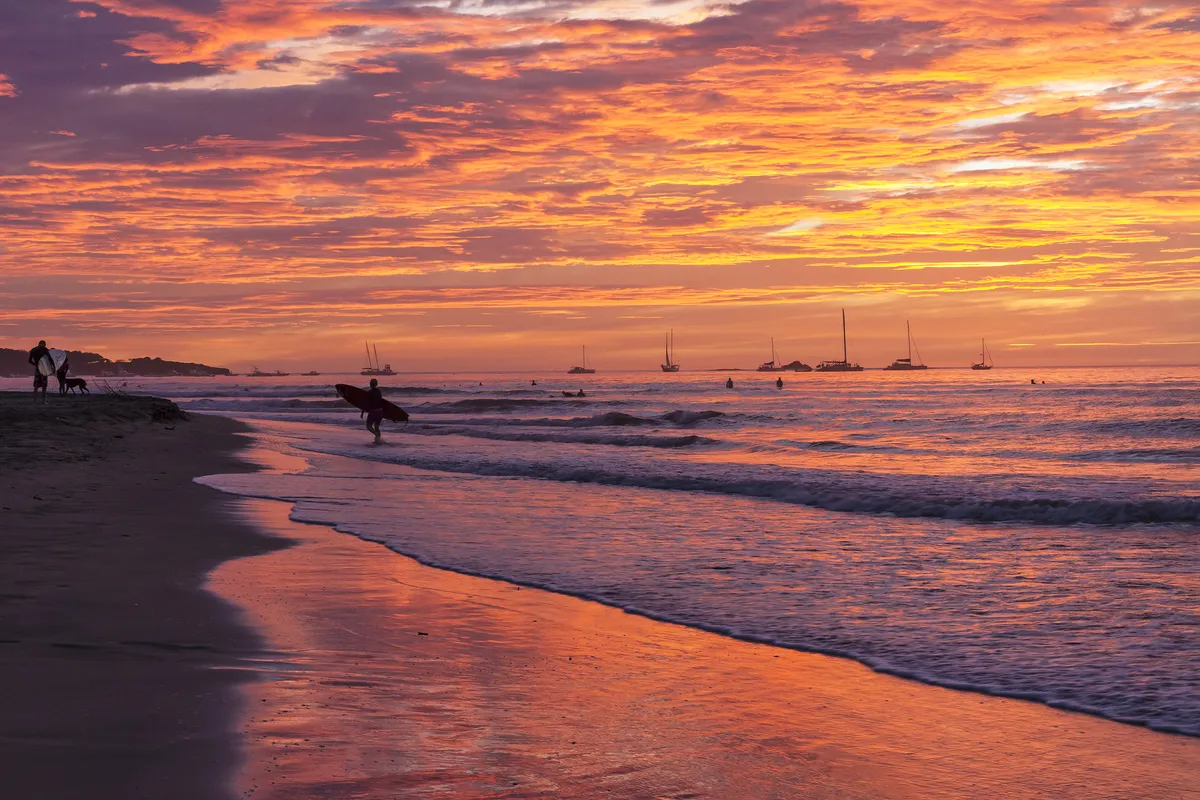 Guanacaste beach town
The liveliest beach town in Guanacaste: surf breaks, sunset bars and easy access to the dry north west coast resorts.
Explore Tamarindo →Panama in detail
Panama gives you a skyline city with an old town heart and the famous canal, plus Pacific and Caribbean beaches in a single trip.
Walk Casco Viejo's colonial streets, watch ships transit the Panama Canal, then choose a coast: Pacific resorts or Caribbean island days in Bocas del Toro. Panama works as a city break, a beach week or both, and it is an easy add on to a wider Central America trip.
 Skyline and old town
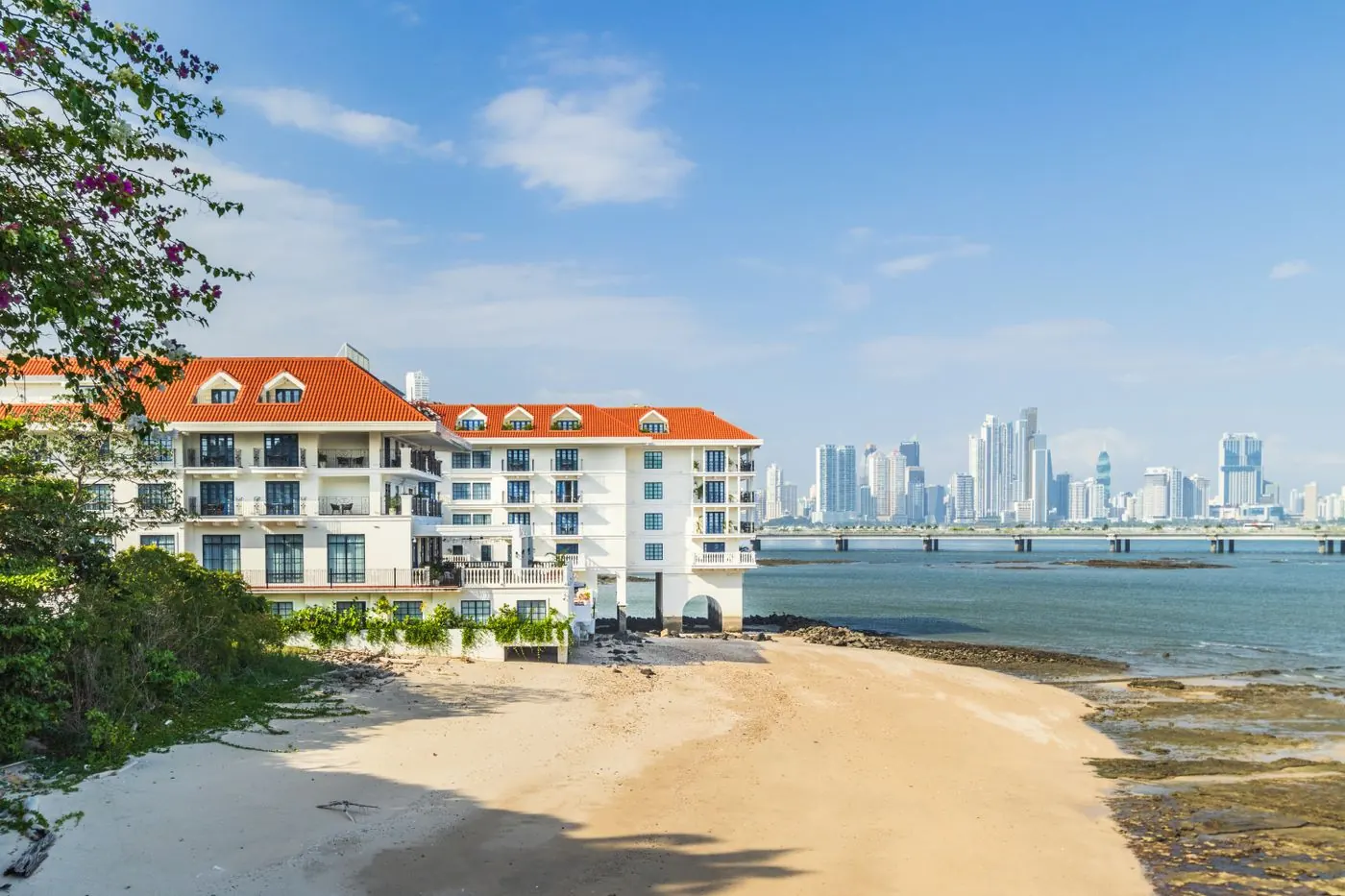
A skyline capital with two hearts: the modern towers along the bay and the colonial streets of Casco Viejo.
Explore Panama City →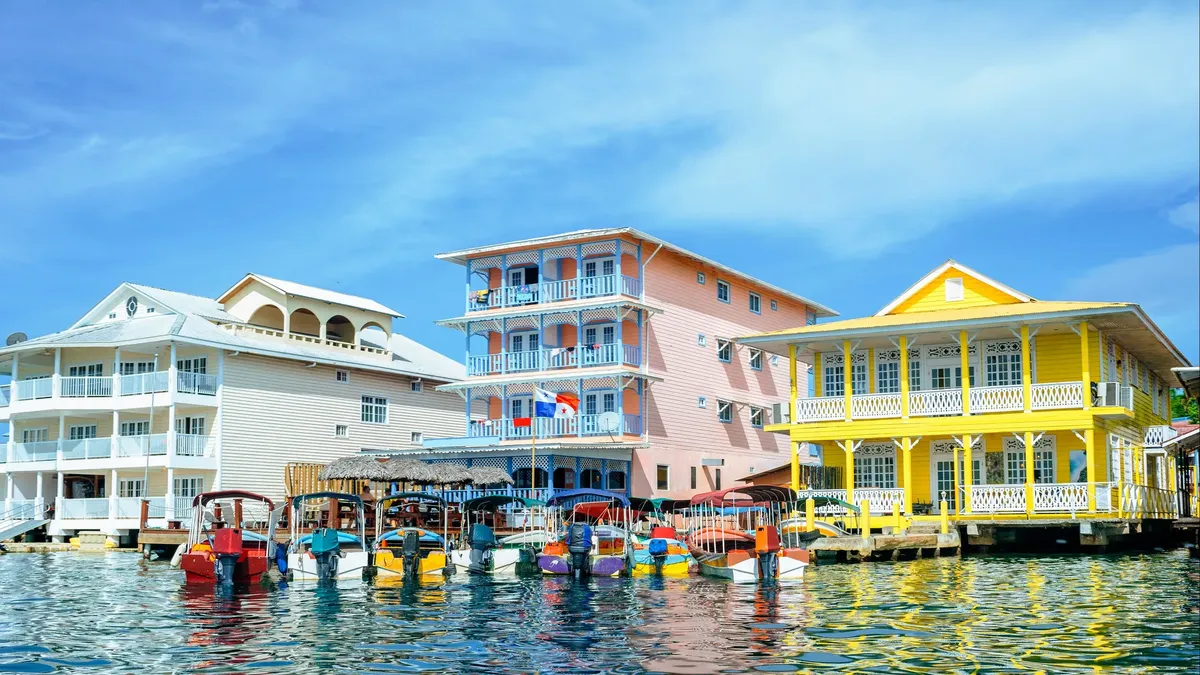 Caribbean island town
A laid back Afro Caribbean town on stilts over the water, gateway to a whole archipelago of beaches and surf.
Explore Bocas del Toro →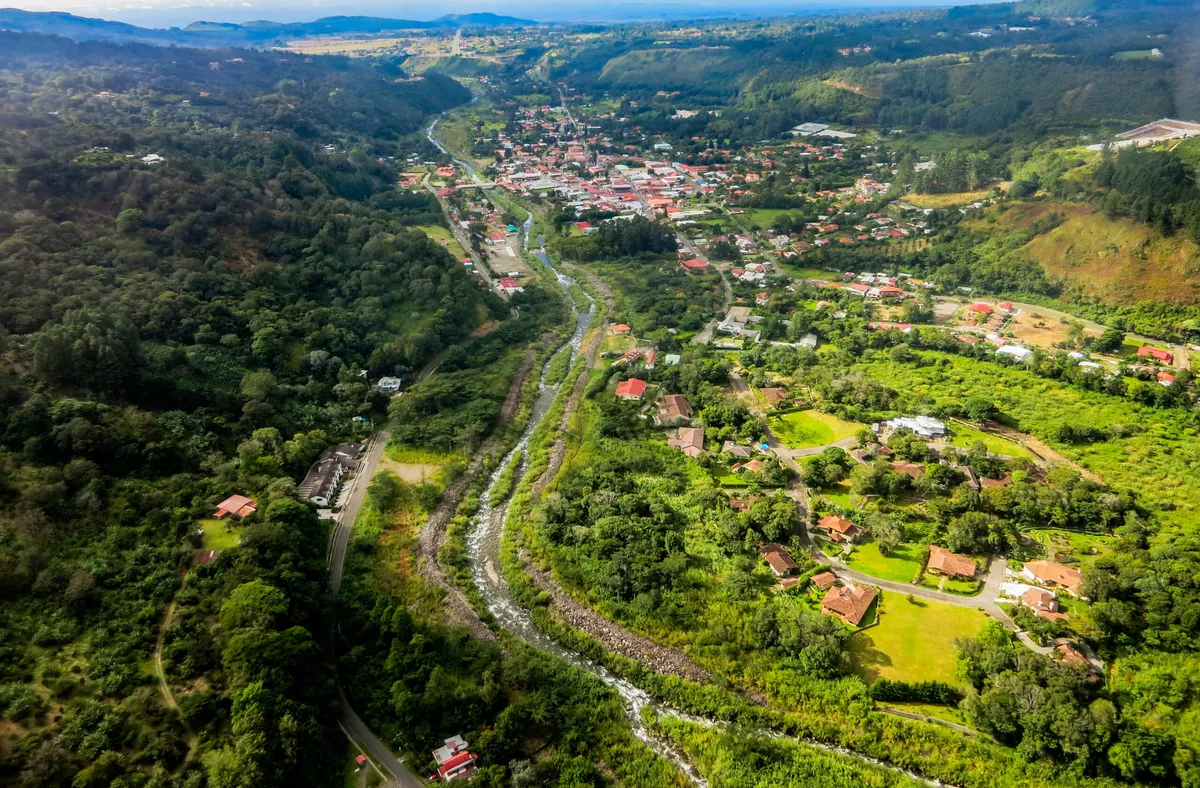 Coffee highlands
A cool mountain town in the Chiriqui highlands, famous for geisha coffee, gardens and the Baru Volcano above it.
Explore Boquete →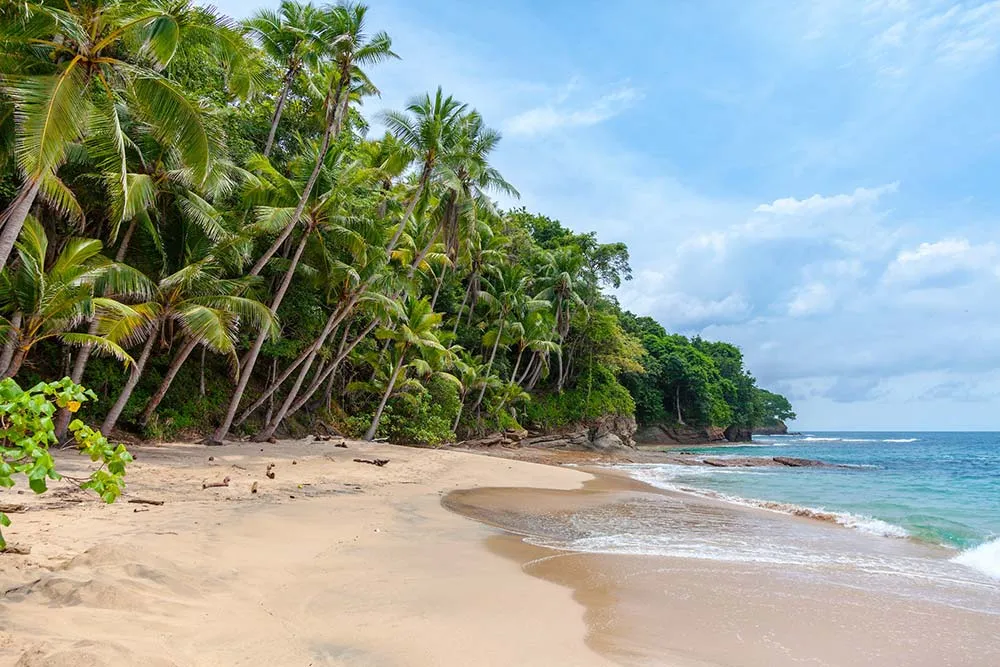 Panama's resort coast
The Pacific coast west of the capital, where the big all inclusive resorts line up along long beaches by Rio Hato.
Explore Playa Blanca and the Pacific Riviera →Argentina in detail
Argentina runs from vibrant cities to the end of the world: Patagonia's big landscapes, with Buenos Aires to break up the journey.
Stand under Mount Fitz Roy, walk to a glacier, and give Buenos Aires its own days for neighbourhoods, tango and long dinners. Distances in Argentina are serious, so we build the internal flights and pacing carefully, and pair the adventure with spa retreats and wine country where the route allows.
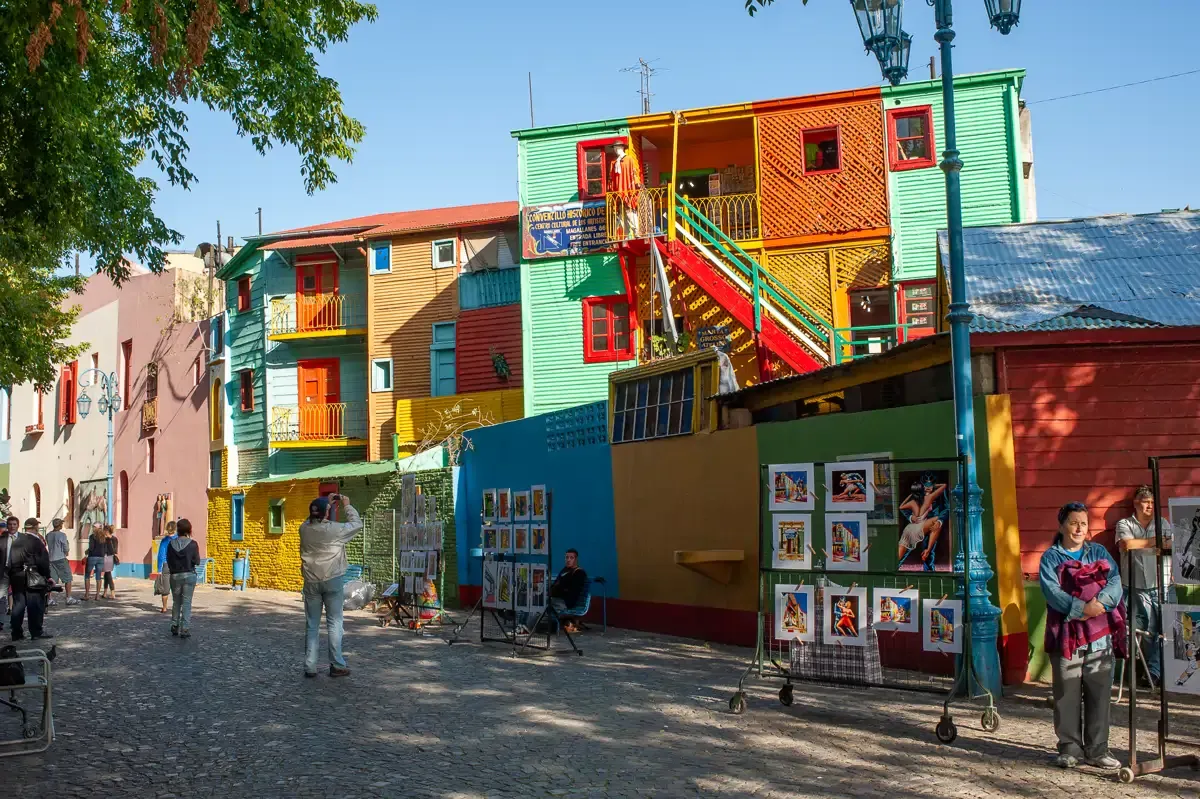 The capital
Tango halls, grand avenues and neighbourhoods of cafes and bookshops: South America's most European capital.
Explore Buenos Aires →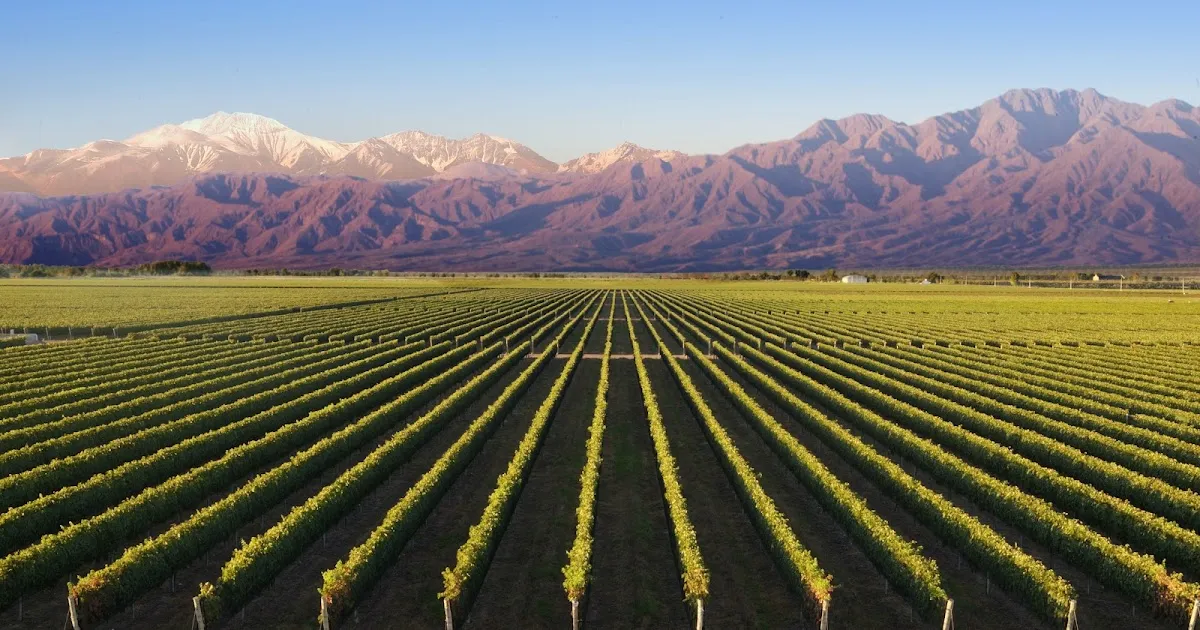 Wine country
Malbec country under the Andes: bicycle between bodegas, long winery lunches and Aconcagua on the horizon.
Explore Mendoza →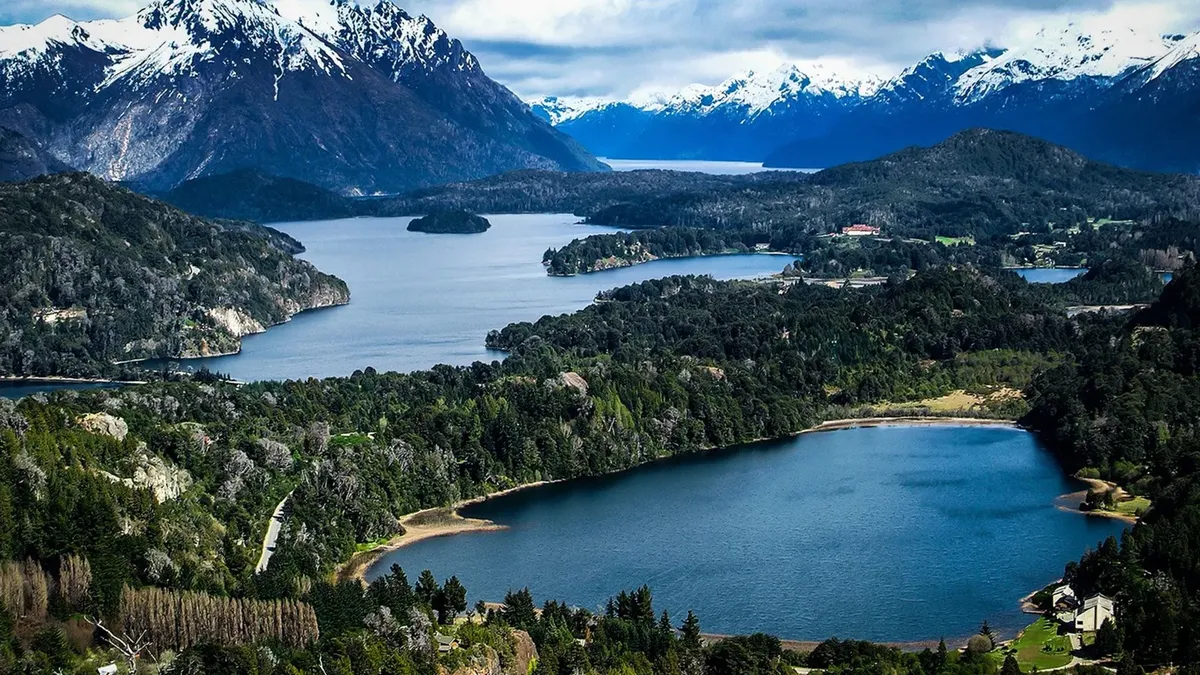 Lake District
The Lake District town of alpine views, chocolate shops and the famous Seven Lakes road to San Martin de los Andes.
Explore Bariloche →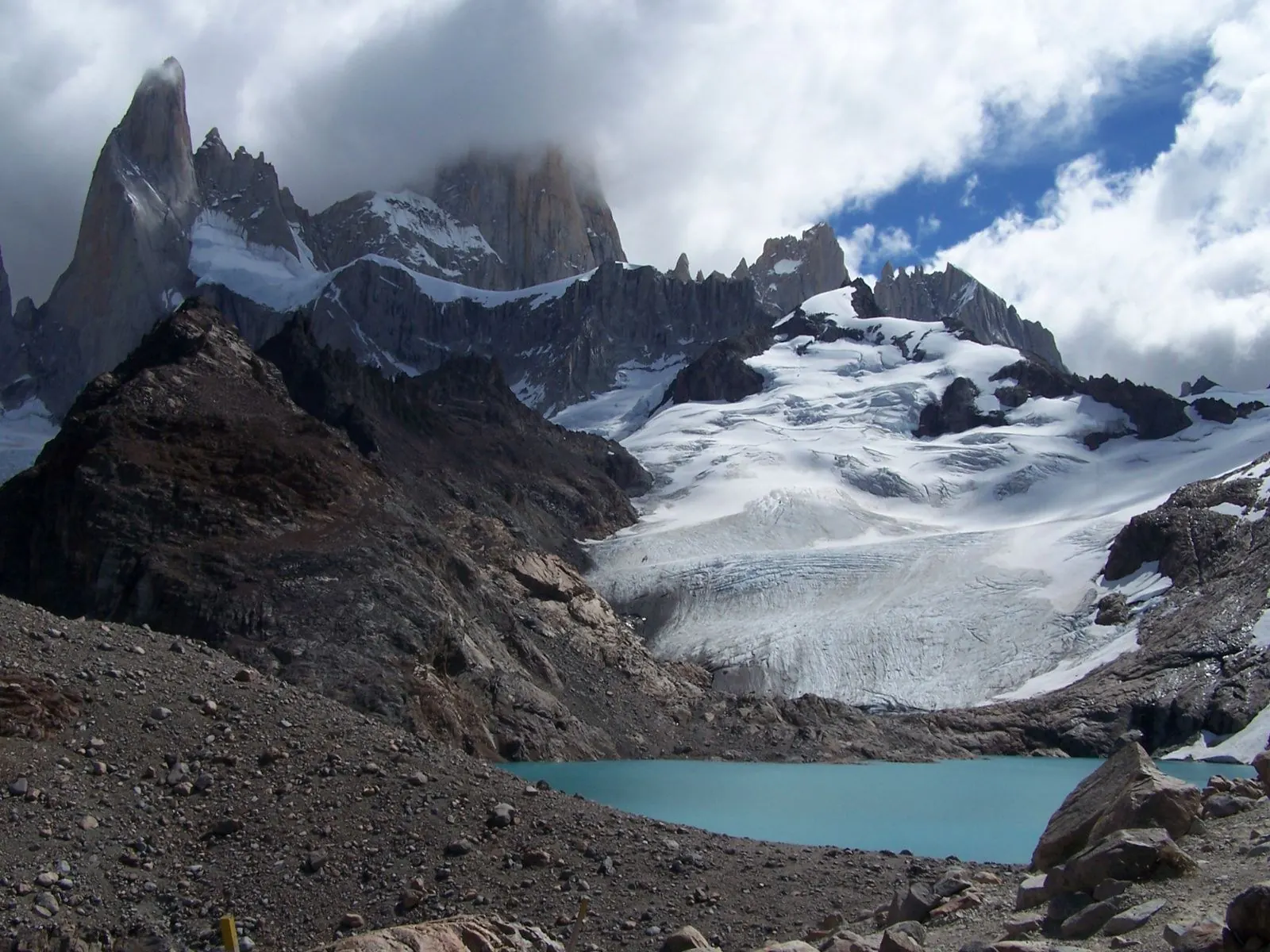 Glaciers and Fitz Roy
Gateway to the Perito Moreno Glacier and the hiking capital of El Chalten under Mount Fitz Roy.
Explore El Calafate and El Chalten →South Africa in detail
A safari belongs at the heart of a South Africa trip: dramatic landscapes and once in a lifetime settings, whether it is a honeymoon or the adventure of a decade.
Spend your days on game drives in Kruger country, watching elephants at the waterhole at first light, then balance the bush with Cape Town and the winelands. South Africa is a trip where the lodge choice and the season matter enormously, and that is exactly where a planner earns their keep. We build the safari, the flights and the city days into one itinerary.
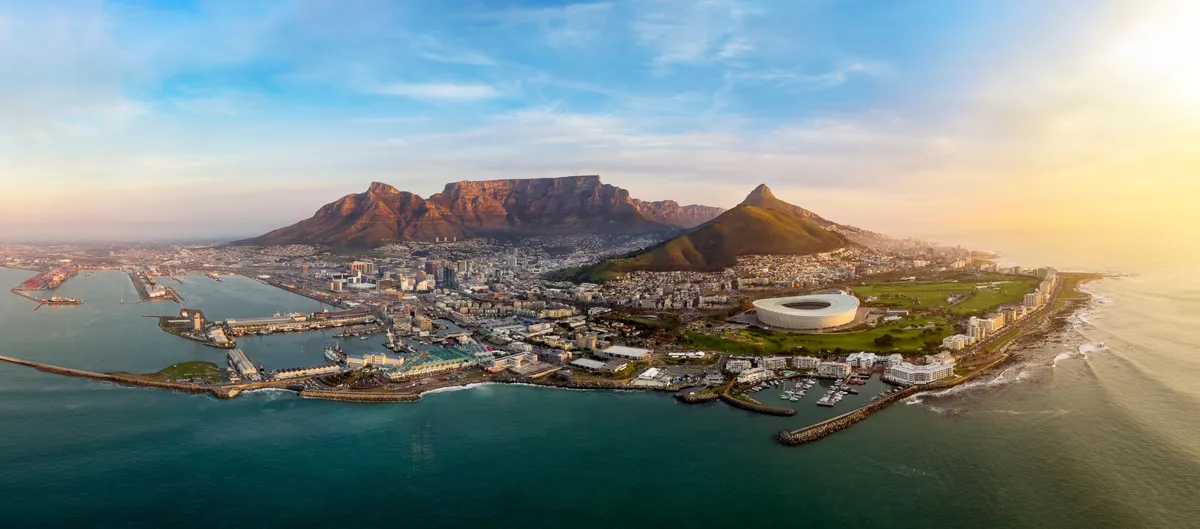 The mother city
Table Mountain above it all, the Cape Peninsula drive and Robben Island: one of the world's great cities.
Explore Cape Town →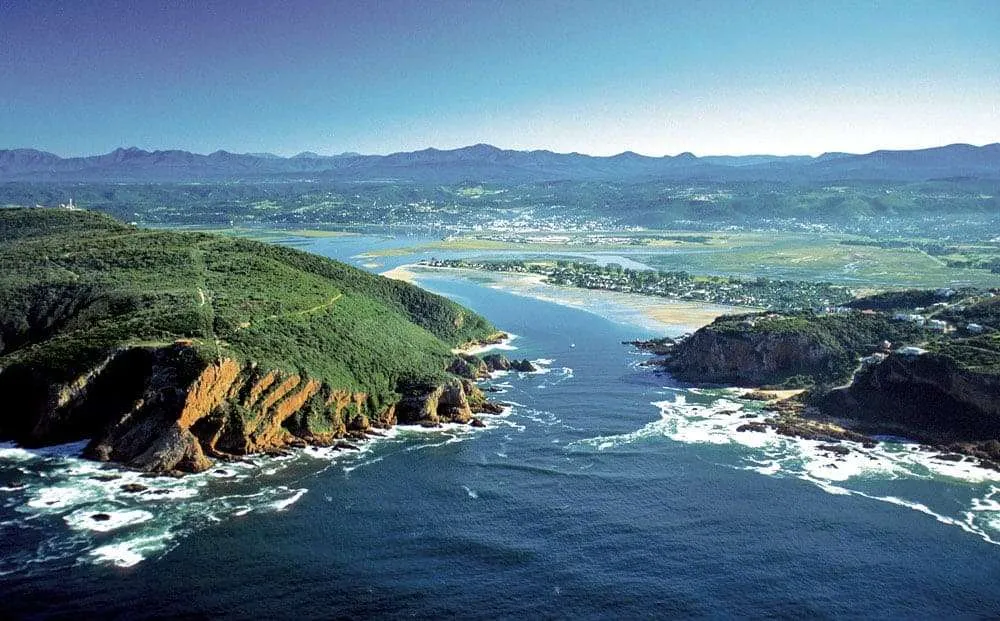 Coast road trip
The famous coast road east of Cape Town: Knysna's lagoon, Tsitsikamma's forests and bridges, and Plettenberg Bay's beaches.
Explore The Garden Route →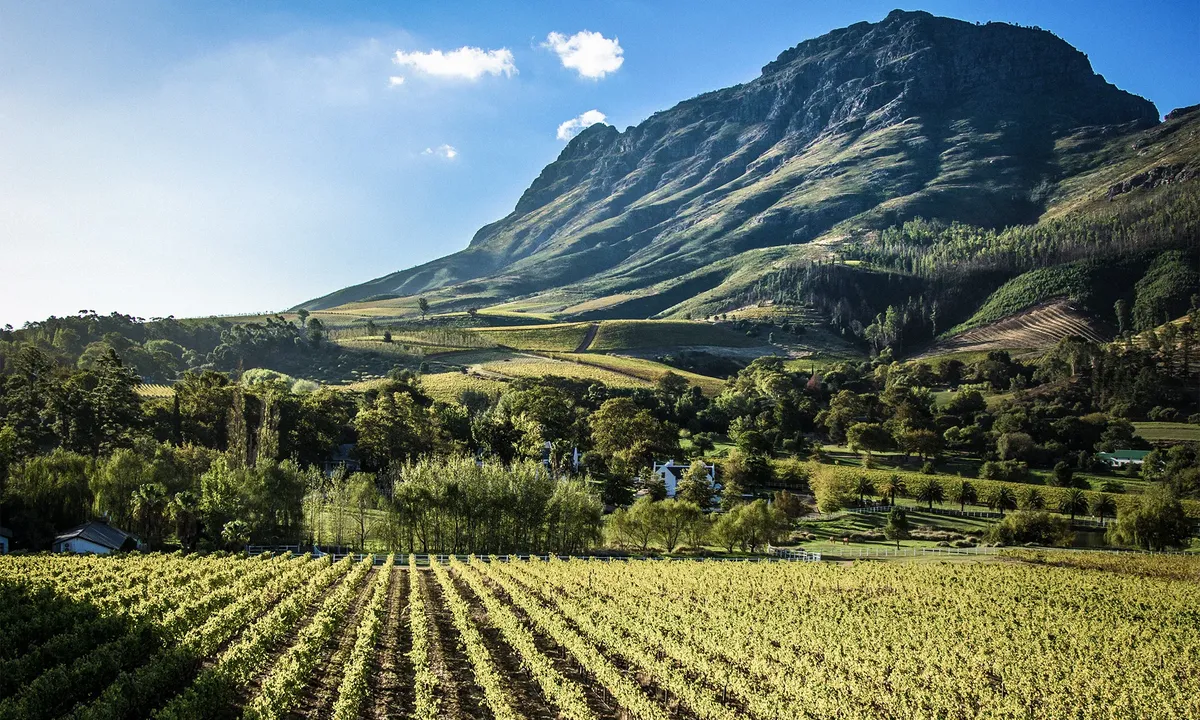 Wine country
Oak lined streets, Cape Dutch gables and hundreds of wine estates in mountain valleys forty minutes from Cape Town.
Explore Stellenbosch and the Winelands →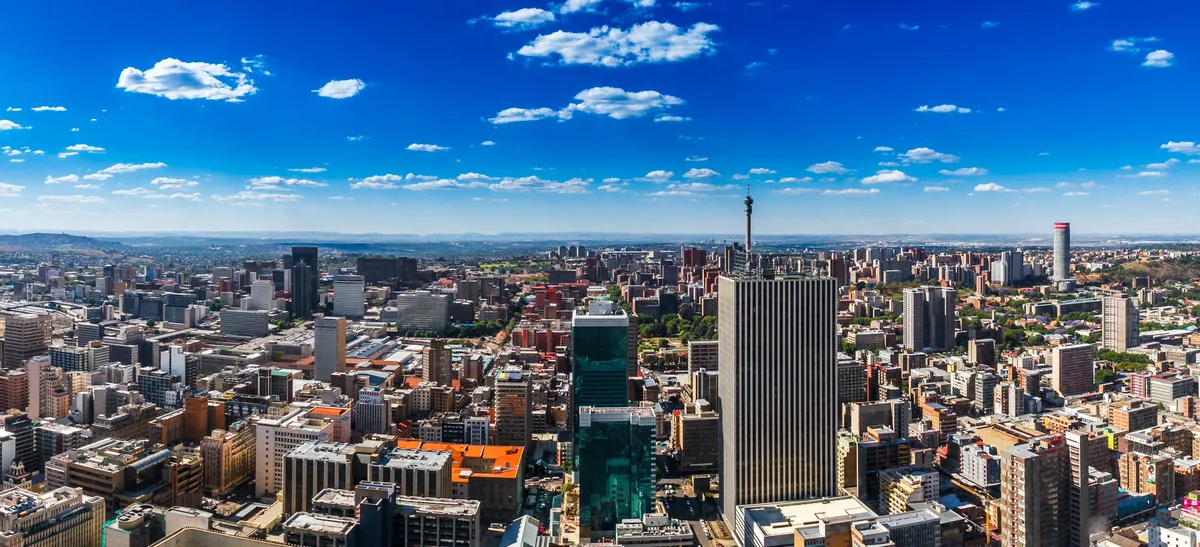 Gateway and history city
South Africa's largest city: the Apartheid Museum, Soweto and the Cradle of Humankind, more than a stopover.
Explore Johannesburg →Athens in detail
The Acropolis above it all, and a modern capital of neighbourhoods, markets and late dinners below.
The capital
Athens is where most Greece trips begin, and it deserves more than a single night. Climb to the Acropolis early for the Parthenon before the crowds, then come down through Plaka and Anafiotika, the whitewashed lanes under the rock. The Acropolis Museum and the National Archaeological Museum hold the best of ancient Greece, while markets, coffee bars and rooftop views of the floodlit rock fill the hours between. Athens also runs the ferries and flights to every island, so we plan it as a proper stop, not a layover.
Santorini in detail
White villages on a cliff edge, a drowned volcano below, and the most famous sunset in Greece.
Caldera villages
Santorini is a crescent of cliff topped villages around a flooded volcanic caldera, and the view from the rim never gets old. Stay in Fira for the buzz or Oia for the postcard lanes and the sunset crowds, walk the caldera path between them, and take a catamaran out to the hot springs and Red Beach. Inland there are wineries pouring Assyrtiko from volcanic soil and the buried Minoan city of Akrotiri, preserved under ash. Santorini is the Greek island splurge, and for honeymoons and big occasions it earns every bit of its fame.
Mykonos in detail
The Cyclades at their most glamorous: beach clubs by day, whitewashed lanes and Little Venice by night.
Windmills and beach clubs
Mykonos built its name on style, and it delivers: the Kato Mili windmills above the harbour, cocktails at Little Venice as the waves touch the balconies, and a maze of lanes in Chora made for wandering and shopping. The south coast beaches run from family friendly Platis Gialos to the party shores of Paradise and Super Paradise, while the north stays quieter. Take the short boat to Delos, one of the most important ancient sites in Greece, then be back for dinner. Mykonos suits travellers who want their island with energy, and it pairs easily with Santorini or Paros by ferry.
Crete in detail
Venetian harbours, a famous gorge, pink sand beaches and the best food in Greece, all on one island.
The big island
Crete is the largest Greek island and the one that rewards the longest stay. Base in Chania for its Venetian harbour and old town, or split the trip with Heraklion for the palace of Knossos and its museum. Hike the Samaria Gorge down to the Libyan Sea, swim at Elafonissi and Balos where the sand turns pink, and eat in village tavernas where the raki arrives whether you ordered it or not. Crete has its own music, its own cheese and its own fierce local pride, and a week here still leaves places unseen.
Rhodes in detail
A medieval walled city, three hundred days of sun, and the white village of Lindos down the coast.
Medieval old town
Rhodes Town is one of the best preserved medieval cities in Europe, built by the Knights of St John: walk the Street of the Knights, tour the Palace of the Grand Master, and get pleasantly lost in the old town lanes. Outside the walls the island runs on sunshine, with resort beaches along the east coast and the valley of the butterflies inland. Do not miss Lindos, a whitewashed village under an ancient acropolis, best seen early before the heat and the day boats. Rhodes works for history lovers and beach travellers in the same trip, and its season runs longer than most islands.
Corfu in detail
Venetian fortresses, olive groves and cypress trees on the Ionian island closest to Italy.
The green island
Corfu has been Venetian, French and British, and its old town shows all three: twin fortresses, cricket on the Spianada, and cafe arcades modelled on Paris. Rent a car and the island opens up, from the monasteries and bays of Paleokastritsa to the sandstone channels of the Canal d'Amour at Sidari and the quiet villages of the northeast coast, where tavernas sit right on the water. Corfu is greener and gentler than the Cyclades, with an early and late season that suits spring and autumn trips, and it pairs naturally with mainland Greece or a twin centre with Paxos.
Zakynthos in detail
Navagio Beach from the cliffs, blue caves by boat, and loggerhead turtles in Laganas Bay.
Navagio Beach
Zakynthos, also called Zante, holds the most photographed beach in Greece: Navagio, where a rusting shipwreck rests on white pebbles inside a cove of electric blue water. See it from the clifftop viewpoint, then take a boat to swim there and into the Blue Caves on the way. The south of the island is gentler, with the long curve of Laganas Bay, a protected nesting home for loggerhead turtles you can often spot on a glass bottom boat. Add the mountain villages and the sunset cliffs at Keri and Zakynthos becomes a full island trip, not just a photo stop.
Naxos in detail
A giant marble doorway over the harbour, long west coast beaches and villages that grow the food.
The relaxed Cyclades
Naxos is the biggest and greenest of the Cyclades, and the easiest to love at a slow pace. Arrive past the Portara, the huge marble gate of an unfinished temple standing on its own islet, and watch the sun drop through it from the harbour. The west coast is one long run of sandy beaches, Plaka and Agios Prokopios among the best in the Aegean, while the interior holds marble villages like Halki and Apiranthos, Byzantine churches and farms growing the island's famous potatoes, cheese and citrus liqueur. Naxos feeds itself and its visitors well, and it is the natural quiet counterpoint to Mykonos and Santorini on an island hopping trip.
Paros in detail
Naoussa harbour dinners, marble villages and golden beaches, an easy ferry ride from anywhere.
Naoussa and Parikia
Paros sits in the middle of the Cyclades ferry routes, which makes it the easiest island to add to any Greek trip. Stay in Naoussa, a fishing village turned chic, where the little harbour fills with dinner tables at night, or in Parikia near the port and its hundred doored Byzantine church. Days split between beaches like Kolymbithres, with its granite boulders, and Golden Beach, home of windsurfing, plus the marble quarries and mountain village of Lefkes inland. Paros has the look travellers want from the Cyclades and a calmer mood than its famous neighbours, and Antiparos is ten minutes away by boat for a quieter day still.
Thessaloniki in detail
Roman arches, Byzantine churches and the best eating in Greece, on a wide bay under Mount Olympus.
Greece's second city
Thessaloniki is Greece's second city and, locals will tell you, its real food capital. Romans, Byzantines and Ottomans all left their mark: the Rotunda and Arch of Galerius, a skyline of Byzantine churches, and markets like Modiano where the city shops and eats. The long waterfront promenade runs from the White Tower to the concert hall, and the upper town, Ano Poli, keeps its Ottoman lanes and a view across the Thermaic Gulf to Mount Olympus. Thessaloniki suits travellers who like cities with soul, and it is the gateway to Halkidiki's beaches and the royal tombs of Vergina.
Meteora in detail
Six working monasteries balanced on rock pillars above the plain of Thessaly.
Monasteries in the sky
Meteora is one of those places photographs cannot quite prepare you for: a forest of sandstone pillars rising from the Thessalian plain, with monasteries built on their summits by monks seeking solitude from the world below. Six remain active and open to visitors, reached by staircases cut into the rock, each with frescoed churches and views that stop conversation. Stay in Kalabaka or the quieter village of Kastraki, visit two or three monasteries in a day, and stay for sunset when the rocks turn gold. Meteora pairs with Athens as a two or three night mainland extension, by train or with a private driver, and it is the Greece stop travellers talk about longest.
Rome in detail
Ancient ruins, the Vatican and long evenings in Trastevere, in the city that invented the city break.
The Eternal City
Rome is not a city you finish, and that is its charm. Start with ancient Rome, the Colosseum, the Forum and the Pantheon, then cross the river for the Vatican Museums, the Sistine Chapel and St Peter's Basilica. Between the sights, Rome is a city of neighbourhoods: espresso standing at the bar, the market at Campo de' Fiori, an evening passeggiata past the Trevi Fountain and dinner in Trastevere. We book skip the line entries and space the big sights so Rome feels rich rather than rushed, and three nights is the honest minimum.
Florence in detail
The Duomo, the Uffizi and David, with Tuscan day trips in every direction.
Renaissance heart
Florence concentrates the Renaissance into a centre you can walk across in half an hour. Climb Brunelleschi's dome for the city at your feet, stand in front of Michelangelo's David at the Accademia, and give the Uffizi a full morning for Botticelli and da Vinci. Cross the Ponte Vecchio into the Oltrarno for artisan workshops and quieter streets, and end the day at Piazzale Michelangelo as the light changes. Florence is also the base for Tuscany: Siena, Pisa, Lucca and the Chianti hills are all easy day trips, and we can book the museum entries that sell out weeks ahead.
Venice in detail
Grand Canal palaces, quiet back canals and islands of glass and lace, best after the day boats leave.
City of canals
Venice rewards those who stay overnight. By day, take the vaporetto down the Grand Canal past the palaces, visit St Mark's Basilica and the Doge's Palace, and cross the Rialto to the market. Then do what the city asks of you: get lost in the back canals of Cannaregio and Dorsoduro, where laundry flies overhead and the bars pour spritz for locals. Take boats out to Murano for glass and Burano for colour, and be there in the evening when the cruise crowds leave and Venice turns quiet and golden. We will help you time entries and choose a hotel you can actually reach with luggage.
Sicily in detail
Greek theatres, Mount Etna, baroque towns and some of the best food in Italy, on the biggest island in the Mediterranean.
Taormina and beyond
Sicily is a whole trip disguised as one island. In Taormina, a Greek theatre frames views of Mount Etna and the sea; in Palermo, Norman palaces and roaring street markets sit side by side; in the southeast, Noto, Modica and Ragusa rebuild baroque beauty from earthquake rubble. Drive up Etna, sail to the Aeolian Islands, swim from beaches like San Vito Lo Capo, and eat granita for breakfast like a Sicilian. Greek, Arab and Spanish centuries all left recipes and architecture behind. Sicily works as a guided tour, a fly drive or a slow resort stay, and it combines naturally with Malta or mainland Italy.
Amalfi Coast in detail
Positano, Amalfi and Ravello along one cliff road, with Capri across the water.
Positano and Amalfi
The Amalfi Coast is Italy's most famous shoreline, a run of cliff towns between Sorrento and Salerno where the road clings to the rock and every turn opens another view. Base in Positano for glamour, Amalfi for history and its great cathedral, or Ravello for gardens and quiet high above the sea. Ferries beat the coast road in summer, beach clubs fill the coves, and a boat day to Capri is the classic splurge. We will help you pick a base that matches how you travel, arrange drivers so nobody has to face the coast road, and time it with Naples, Pompeii or Rome.
Milan in detail
Italy's modern capital under one extraordinary cathedral roof, and the gateway to the lakes.
Duomo and design
Milan is the Italy of now: fashion houses, design weeks and the aperitivo ritual, all orbiting one of the great cathedrals of Europe. Walk the Duomo's rooftop among its marble spires, stand in the Galleria Vittorio Emanuele II next door, and book well ahead for the Last Supper, da Vinci's fragile masterpiece. The Brera district gives you galleries, boutiques and the Pinacoteca's Raphaels, and the Navigli canals give you the evening. Milan is also the practical gateway to Lake Como and the other lakes, and it makes a sharp first or last night on any northern Italy itinerary.
Naples and Pompeii in detail
The birthplace of pizza in the shadow of Vesuvius, with two Roman cities frozen in time.
Pizza and Pompeii
Naples divides opinion until you go, then it wins people over: a dense, theatrical historic centre, the best pizza on earth by birthright, and an archaeological museum holding the treasures of Pompeii. Those Roman cities are the main event nearby, Pompeii vast and famous, Herculaneum smaller and startlingly preserved, both in the shadow of Vesuvius, which you can climb for the crater view. Naples is also the port for Capri and the Amalfi Coast, and the natural pairing with both. Stay a night or two, eat where the queues are local, and let a guide bring the ruins to life.
Cinque Terre in detail
Colourful houses, coastal paths and swimming off the rocks on the Ligurian coast.
Five cliff villages
The Cinque Terre are five villages, Monterosso, Vernazza, Corniglia, Manarola and Riomaggiore, stacked colourfully into the Ligurian cliffs and linked by footpaths and a local train. Walk the famous coastal path section by section, swim from the rocks and little harbour beaches, and settle into long lunches of anchovies, focaccia and pesto, all invented along this coast. Stay in one village, Vernazza and Manarola are the romantics' picks, Monterosso has the beach, and ride the train between the rest. The Cinque Terre slot neatly between Florence and the Italian Riviera, and we will advise on passes, path openings and the seasons when the villages breathe again.
Lake Como in detail
Bellagio, Varenna and grand villa gardens on deep blue water under the Alps.
Bellagio and the villas
Lake Como has been the elegant escape from Milan for two thousand years, and its formula still works: deep blue water, steep green mountains, and a shoreline of grand villas and gardens. Ride the ferries between Bellagio, the pearl of the lake, pretty Varenna and Menaggio, tour the gardens of Villa del Balbianello or Villa Carlotta, and finish days with a lakeside aperitivo as the light goes. Como town itself has the cathedral, silk shops and the funicular up to Brunate. Stay two or three nights, pair it with Milan or the Bernina line into Switzerland, and expect the most photogenic water in Italy.
Bologna in detail
Tagliatelle, tortellini and two leaning towers in the red roofed capital of Emilia Romagna.
The food capital
Bologna has three nicknames, the Learned, the Fat and the Red, and a trip here covers all three: the world's oldest university, the richest kitchen in Italy, and a skyline of red roofs and medieval towers. Eat tagliatelle al ragù and tortellini in brodo where they were invented, shop the Quadrilatero food streets, walk the porticoes that shelter forty kilometres of pavement, and climb the Asinelli Tower for the view. Bologna sits on the main rail line between Florence and Venice, which makes it the easiest delicious stop in Italy, and a cooking class or a food tour here is money well spent.
Faro in detail
A walled old town, a lagoon of sandbar islands and the calmest arrival in the Algarve.
Gateway to the Algarve
Most visitors land at Faro airport and leave straight away, which is a shame. The old town inside the medieval walls holds the cathedral and its tower view, quiet squares and storks nesting on every chimney, and the waterfront opens onto the Ria Formosa, a lagoon of channels and sandbar islands reached by boat. Ilha Deserta and Farol give you long, near empty beaches a short ride from the marina. Faro makes a gentle first or last night of an Algarve trip, and a good base for the eastern Algarve towns like Tavira and Olhao.
Lisbon in detail
Tram rides, hilltop viewpoints and custard tarts in a capital that still feels like a neighbourhood.
The capital
Lisbon is built on hills and light. Ride tram 28 up through Alfama, the oldest quarter, where fado drifts out of little bars, then walk down through the castle of Sao Jorge for the view over the rooftops and the Tagus. In Belem, the monastery and tower mark where the great voyages left, and the custard tarts at Pasteis de Belem are still warm from the oven. Ride the funiculars, end days at miradouro viewpoints with a coffee or a ginjinha, and use the easy trains out to Sintra and the beach at Cascais. Lisbon works as a long weekend or the start of a full Portugal tour.
Porto in detail
Colourful houses over the Douro, cellars across the bridge, and the valley of port wine upriver.
Port wine country
Porto is Lisbon's northern rival and proud of it: a city of steep lanes, tiled churches and granite towers stacked above the Douro. Cross the Dom Luis I Bridge to Vila Nova de Gaia, where the famous port houses age their wines in cool lodges, and take the tour and tasting that ends with a vintage. Ride a rabelo boat under the six bridges, browse the Livraria Lello bookshop, and eat francesinha where the locals argue about it. Porto is also the gateway to the Douro Valley, and the two together make one of Europe's great food and wine trips.
Madeira in detail
Gardens, levada walks and volcanic cliffs on the island where it is spring all year.
Island of eternal spring
Madeira sits in the Atlantic closer to Africa than to Lisbon, and its climate shows it: gardens in flower in January, bananas and vineyards on terraced hillsides, and some of the most dramatic coastal scenery in Europe. Base in Funchal, ride the cable car up to Monte and the toboggans down, and wander the market hall of flowers, fruit and fish. The levada walks, gentle paths along old irrigation channels through laurel forest, are the island's signature days out, and boat trips run to see dolphins and the Desertas islands. Madeira suits walkers, garden lovers and winter sun seekers alike, with direct flights making it easier than it feels.
The Azores in detail
Crater lakes, hot springs and whale watching on nine green volcanic islands.
Volcanic islands
The Azores are Portugal's secret: nine volcanic islands scattered across the mid Atlantic, green in every shade, ringed by ocean and full of crater lakes, hot springs and hydrangeas. Most trips base on Sao Miguel, where the twin lakes of Sete Cidades shine blue and green inside their crater, the earth at Furnas cooks a stew underground, and tea plantations roll down to the sea. Whale watching here is among the best in the world, with resident sperm whales and passing blue whales in season. Island hopping adds Pico's volcano and wine country and Faial's famous marina. Come for nature first; the Azores reward travellers who like their scenery wild.
Sintra in detail
A candy coloured palace, mysterious gardens and cool green hills above Lisbon.
Palaces and gardens
Sintra has been cooling Lisbon's kings and poets for centuries, a green hill town where the palaces get stranger and more romantic the higher you climb. The Pena Palace mixes colours, tiles and styles on its hilltop like a storybook castle, while the Quinta da Regaleira hides initiation wells, tunnels and symbolic gardens below its mansion. The Moorish castle walls walk the ridge between them, and the old town lanes below fill with cafes and custard tart rivals. Sintra is an easy day trip by train, but staying overnight means the palaces at opening time and the town to yourself at dusk. Add Cabo da Roca, the mainland's westernmost point, on the way back.
Douro Valley in detail
Terraced vineyards, quinta lunches and river cruises in the oldest wine country in the world.
Wine country
The Douro Valley is one of the world's great wine landscapes: steep hillsides terraced by hand over centuries, a slow river below, and quintas producing port and increasingly famous table wines. Come by river cruise from Porto, by the scenic railway that hugs the banks, or by car with us driving so everyone can taste. Days run on quinta visits, long lunches among the vines and viewpoints above bends in the river, and the harvest in September brings the grape treading season. Stay overnight in a wine hotel to feel the valley go quiet at dusk. The Douro pairs with Porto the way Bordeaux pairs with its city, naturally.
Mexico City in detail
Aztec ruins under a colonial centre, world class museums and the best food city in Mexico.
The capital
Mexico City earns days, not a stopover. The Zocalo holds the cathedral and the excavated Templo Mayor of the Aztec capital it replaced, the National Museum of Anthropology in Chapultepec is one of the finest museums anywhere, and Frida Kahlo's blue house anchors leafy Coyoacan. Eat constantly: tacos al pastor at a stand, markets full of moles and flowers, and dining rooms that top world lists. Take a day for the pyramids of Teotihuacan and another to float the flower decked canals of Xochimilco. Pair the city with a beach week on either coast and you have the complete Mexico trip, culture and coast in one.
Cozumel in detail
Drift diving on the Palancar reef, a wild east coast and the easiest island escape on the Riviera Maya.
Reef and island time
Cozumel floats forty five minutes by ferry from Playa del Carmen, and underwater it is world class: the Palancar and Santa Rosa reefs form one of the great drift diving sites on the planet, with clear warm water, turtles, rays and coral walls. Snorkellers get the same show in the shallows at spots like Palancar and Chankanaab. Above water, rent a car for the loop around the island, the calm beach clubs of the west coast on one side and the wild, wave beaten east coast on the other, with the little town of San Miguel for dinner. Stay on the island for the diving life, or day trip it from the Riviera Maya; we will line up the boats either way.
Guadalajara in detail
Mexico's cultural heartland: mariachi plazas, great murals and the town of Tequila an hour away.
Mariachi and tequila
Guadalajara is where Mexico's signature exports were born: mariachi, tequila and the jarabe tapatio, the Mexican hat dance. The historic centre runs from the cathedral through plazas of fountains and mariachi bands to the Instituto Cultural Cabanas, a vast hospice covered in Orozco's fiery murals. Ride the train or drive out to Tequila, where blue agave fields roll to the volcano and distilleries pour the good stuff at the source. The artisan suburbs of Tlaquepaque and Tonala are shopping days in themselves. Guadalajara pairs beautifully with Puerto Vallarta, its beach sibling across the state of Jalisco, for a trip that mixes city culture with coast.
Oaxaca in detail
The mole capital of Mexico, with Monte Alban above the city and festivals all year long.
Food and festivals
Oaxaca might be the most delicious city in Mexico, a colonial grid of colourful streets, church domes and markets where moles come in seven colours and mezcal is poured with respect. Food travellers plan whole trips around the Benito Juarez market, the smoke filled pasillo de humo of grilled meats, and cooking classes that start with shopping. Above the city, the Zapotec ruins of Monte Alban crown a flattened mountain with pyramids and ball courts. The valley villages each keep a craft: Teotitlan's woven rugs, San Bartolo's black pottery, and the carved, painted alebrijes. Time a trip for the Guelaguetza festival in July or Day of the Dead, and Oaxaca becomes unforgettable.
Curaçao in detail
A pastel painted Dutch capital, sheltered west coast coves and sunshine below the hurricane belt.
Curaçao gives you two holidays in one: a real capital city and a string of beach coves. Willemstad's Handelskade is the famous view, tall Dutch gabled houses painted in pastels along the harbour, with the floating Queen Emma Bridge swinging open for ships and the Kura Hulanda museum telling the island's harder history. Rent a car and the west coast unfolds in sheltered coves, Playa Kenepa and Cas Abao among the favourites, with shore diving and snorkelling straight off the sand. The island sits south of the main hurricane belt, speaks four languages, and flavours its food with Dutch, Caribbean and Latin notes. It suits travellers who want culture with their beach, not instead of it.
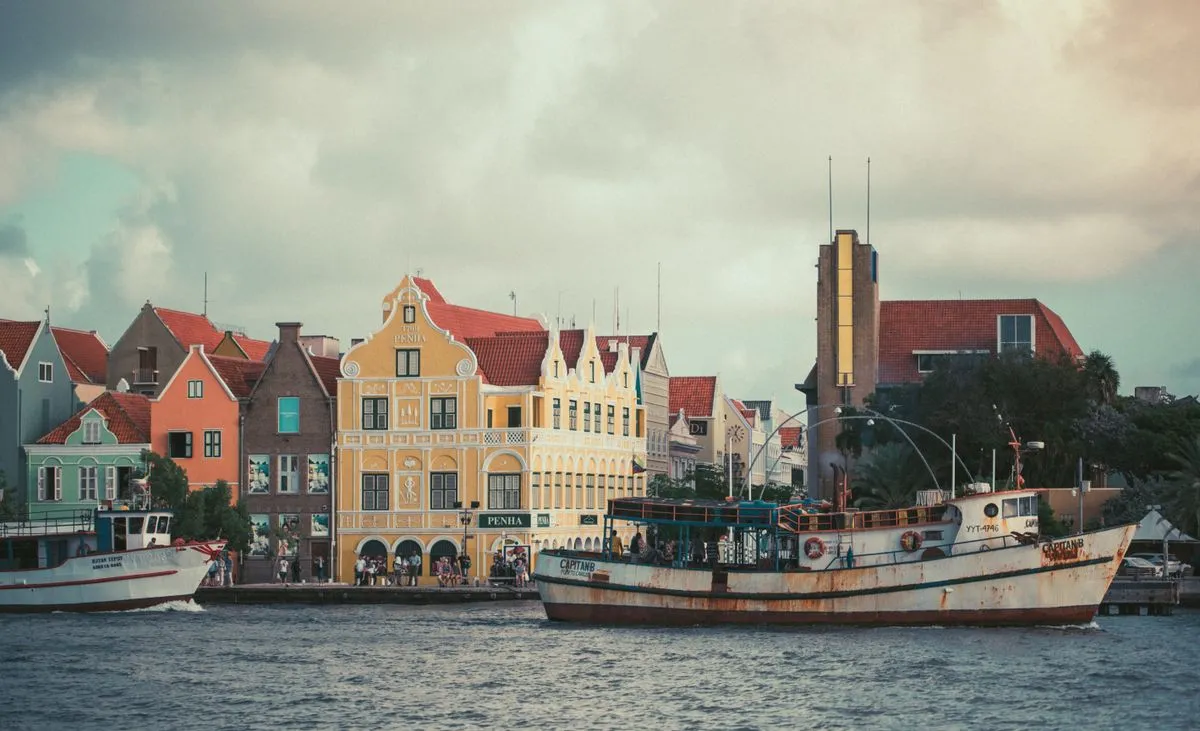 The pastel capital
The UNESCO listed capital: the Handelskade waterfront, the floating bridge and two historic quarters to wander.
Explore Willemstad →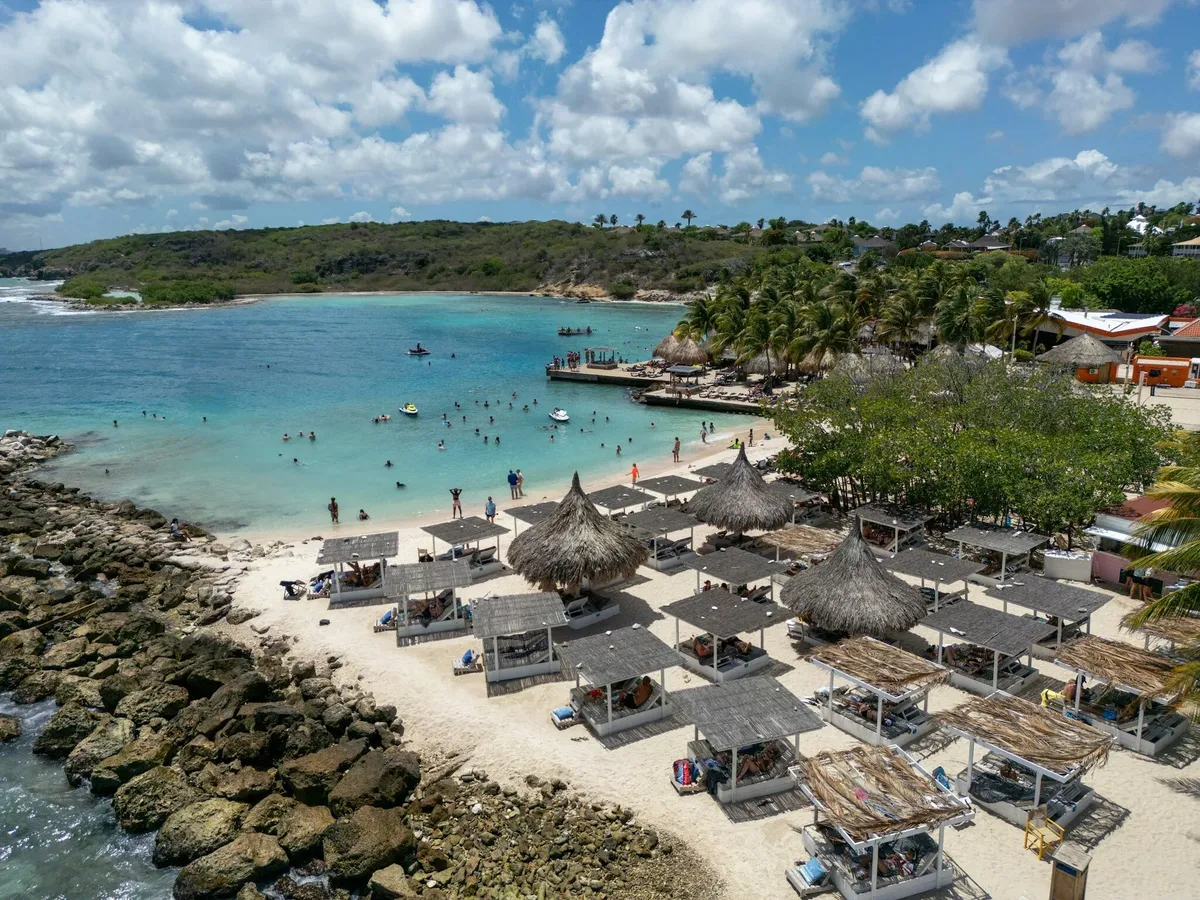 Resort beach and marina
The resort district east of the capital: a lively beach club scene, the marina and some of the island's best dining.
Explore Jan Thiel →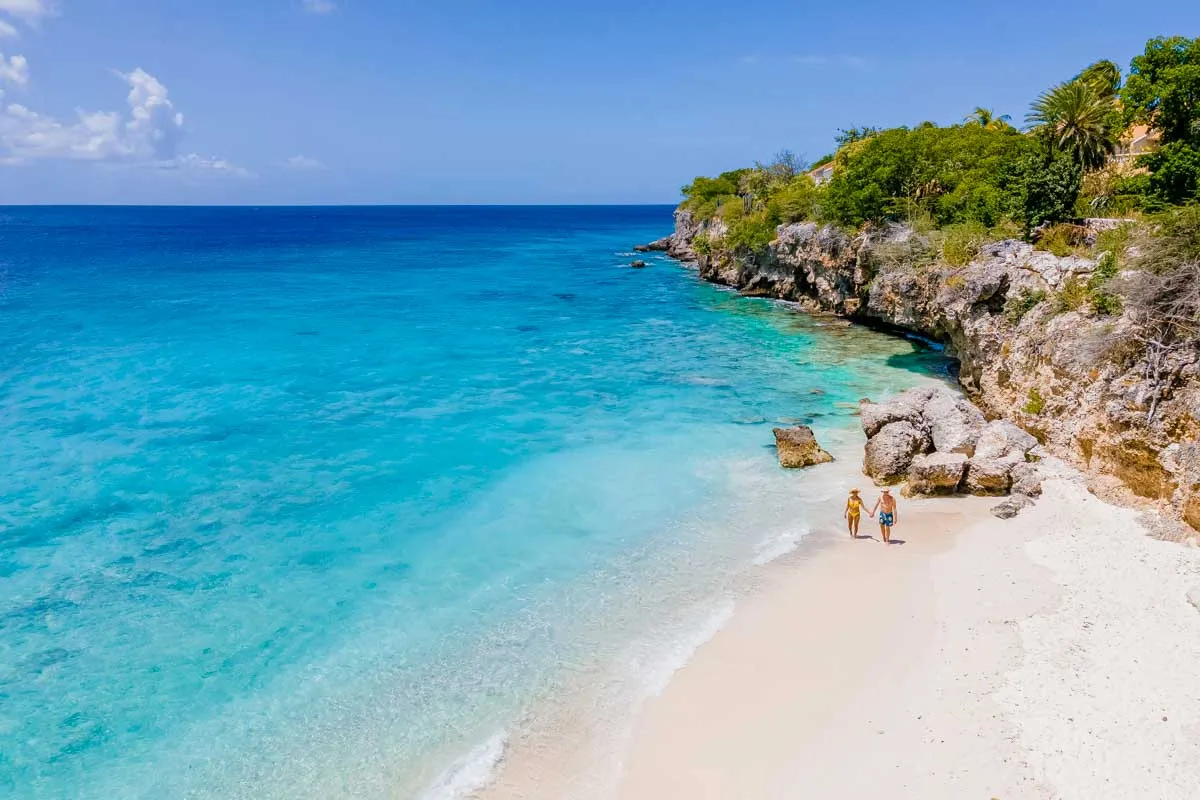 Wild west end beaches
The island's quiet west end: a string of coves like Kenepa and Playa Kalki, cliffs, and the national parks beyond.
Explore Westpunt →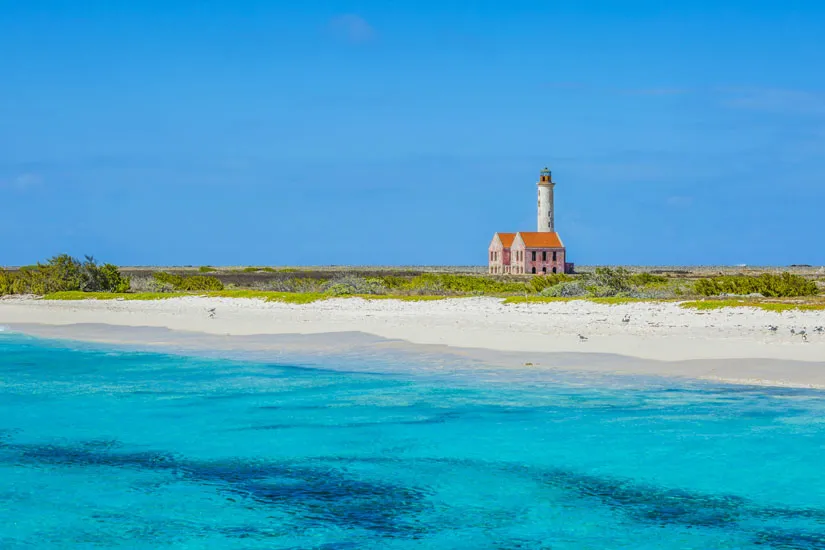 The day trip island
A tiny uninhabited island two hours by boat offshore: one long perfect beach, a lighthouse and turtles in the shallows.
Explore Klein Curacao →Grenada in detail
Nutmeg in the air, two miles of Grand Anse sand and one of the prettiest harbours in the Caribbean.
Grenada smells better than other islands: nutmeg, cocoa and cinnamon grow in its green hills, and the spice estates still dry and grade the harvest by hand. The capital, St. George's, climbs in colourful terraces around a horseshoe harbour that sailors call the prettiest in the Caribbean. Grand Anse beach is the classic two miles of white sand and calm water, while the interior holds waterfalls like Annandale and the rainforest of Grand Etang. Divers come for the Bianca C wreck and the underwater sculpture park at Molinere. Grenada has stayed quieter than its neighbours, with small hotels and a local pace, which is exactly its appeal.
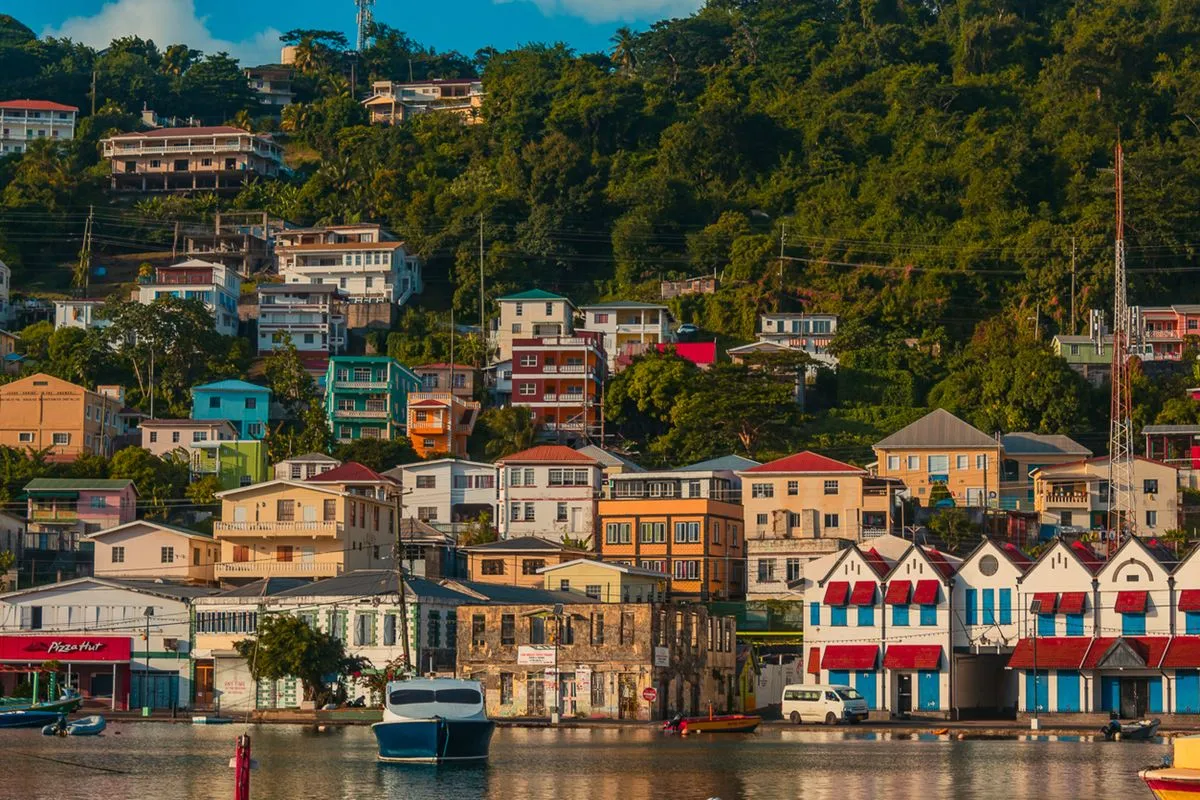 The harbour capital
One of the prettiest capitals in the Caribbean, climbing in colourful terraces around its horseshoe harbour.
Explore St. George's →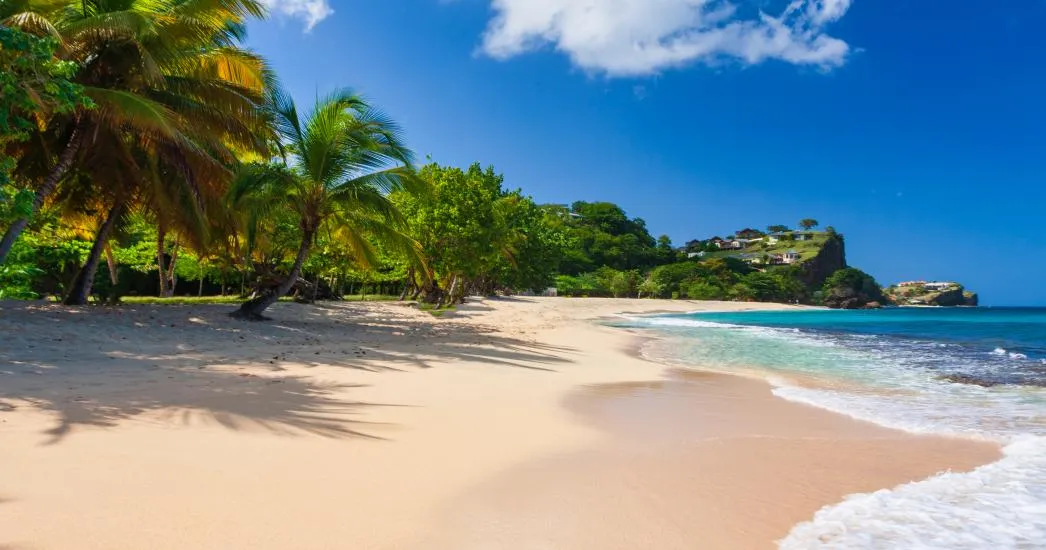 The famous beach
Two miles of soft white sand and calm clear water, lined with small hotels and beach bars south of the capital.
Explore Grand Anse →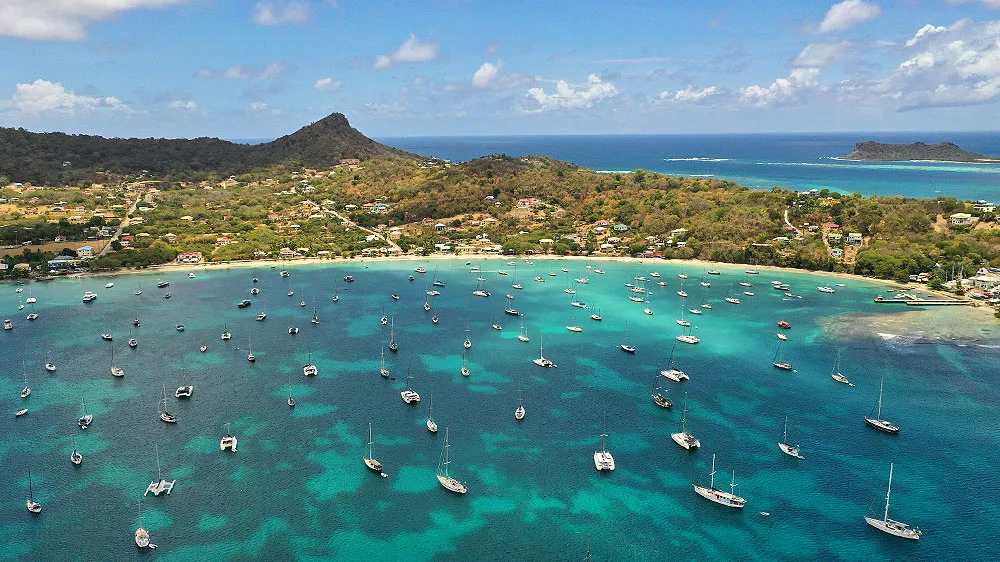 Sister island of reefs
Grenada's sister island: boat building villages, empty beaches like Paradise Beach and reefs made for slow days.
Explore Carriacou →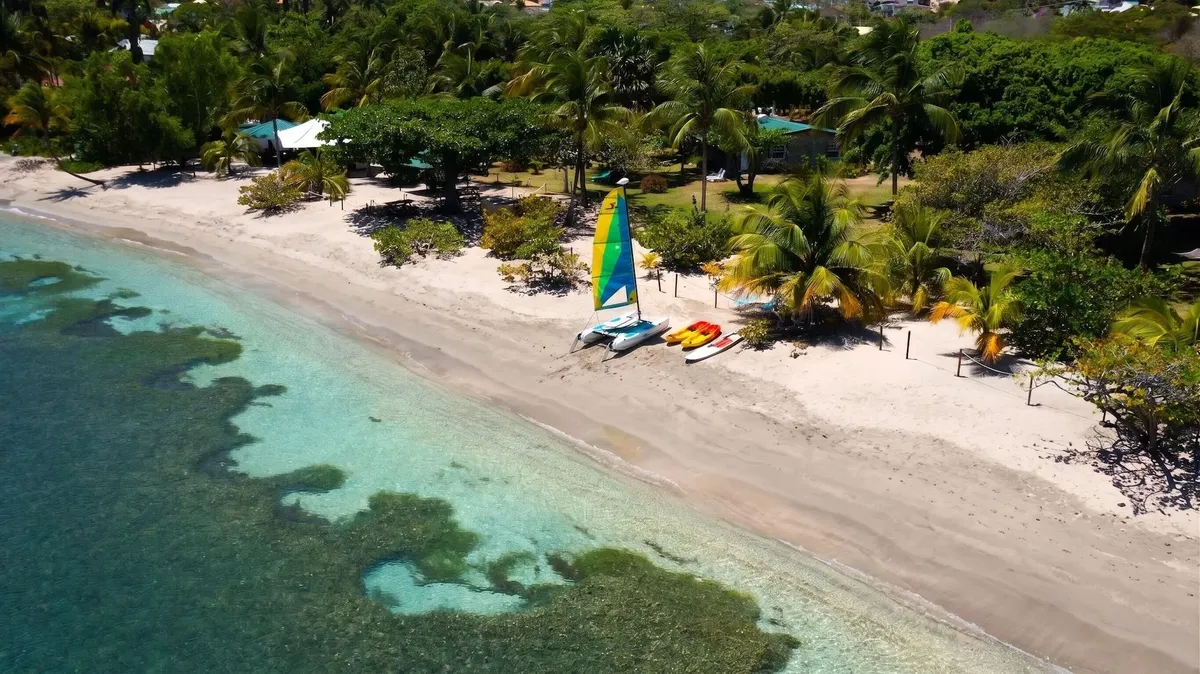 Quiet south coast
The leafy peninsula on Grenada's south coast: calm bays, the marina at Prickly Bay and low key resorts.
Explore Lance aux Epines →Puerto Rico in detail
Five hundred years of history in Old San Juan, then rainforest, surf towns and bioluminescent water.
Puerto Rico is the Caribbean's most complete island. Old San Juan packs five centuries into seven walkable blocks: the great forts of El Morro and San Cristobal, blue cobblestone streets, pastel houses and the birthplace of the pina colada. Beyond the capital, El Yunque rainforest drips with waterfalls, the west coast surf town of Rincon slows the pace, and the bioluminescent bays at Vieques and Fajardo glow on dark nights. US travellers need no passport and use the same dollar, flights from the mainland are plentiful, and the food, from lechon to mofongo, is a reason in itself. Puerto Rico suits travellers who want a city, a rainforest and a beach in one easy trip.
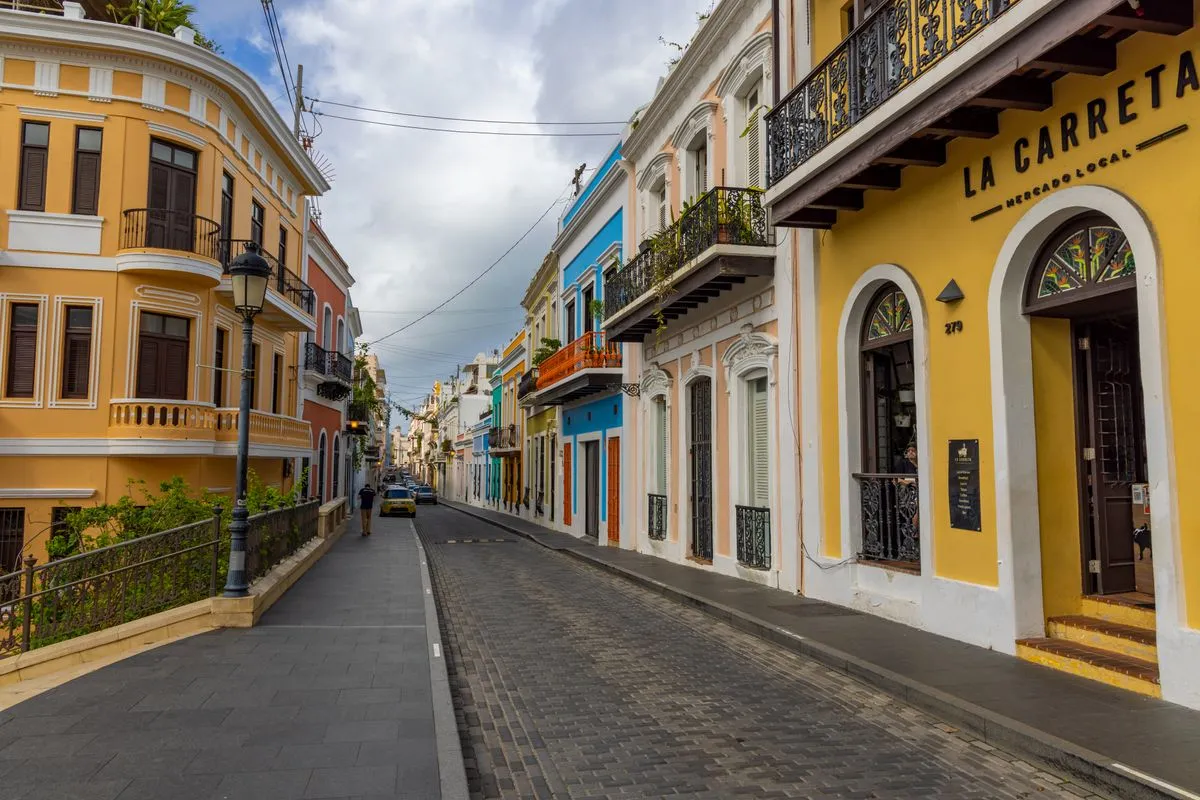 Old town and resorts
Five centuries of forts and pastel streets in Old San Juan, with Condado and Isla Verde beaches along the same coast.
Explore San Juan →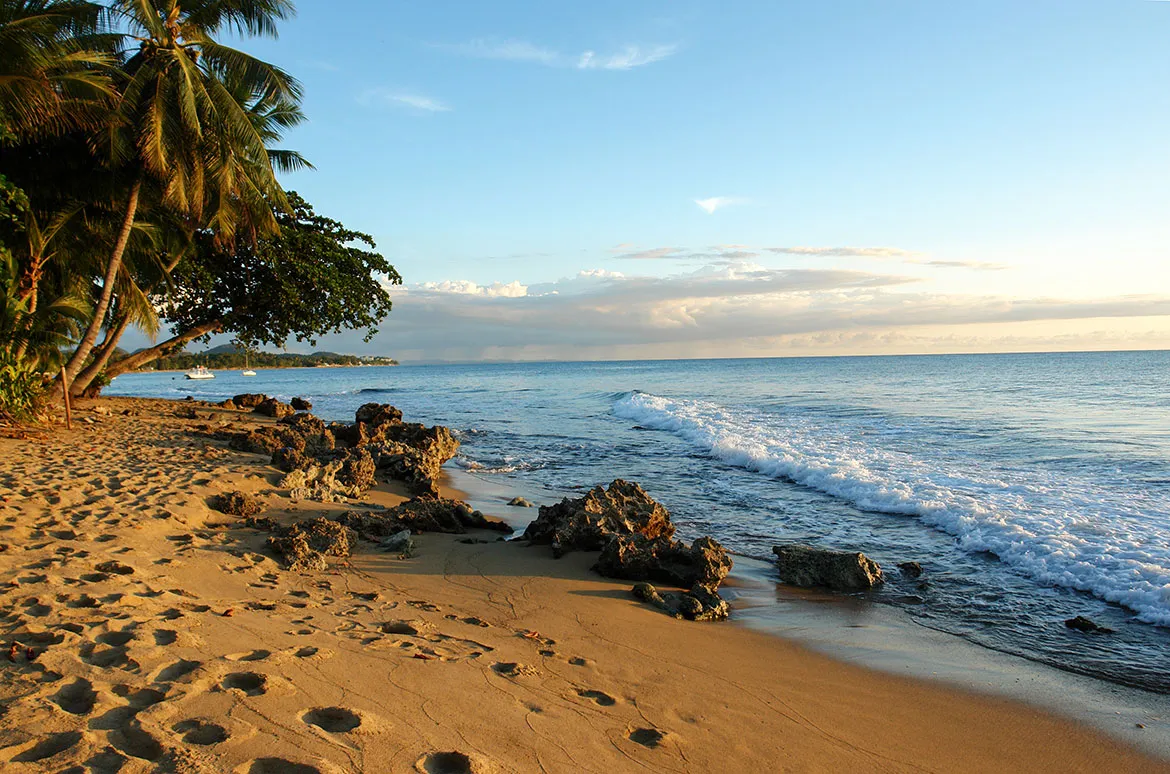 Surf town of the west
The laid back surf town on the west coast, famous for winter waves, whale watching and legendary sunsets.
Explore Rincon →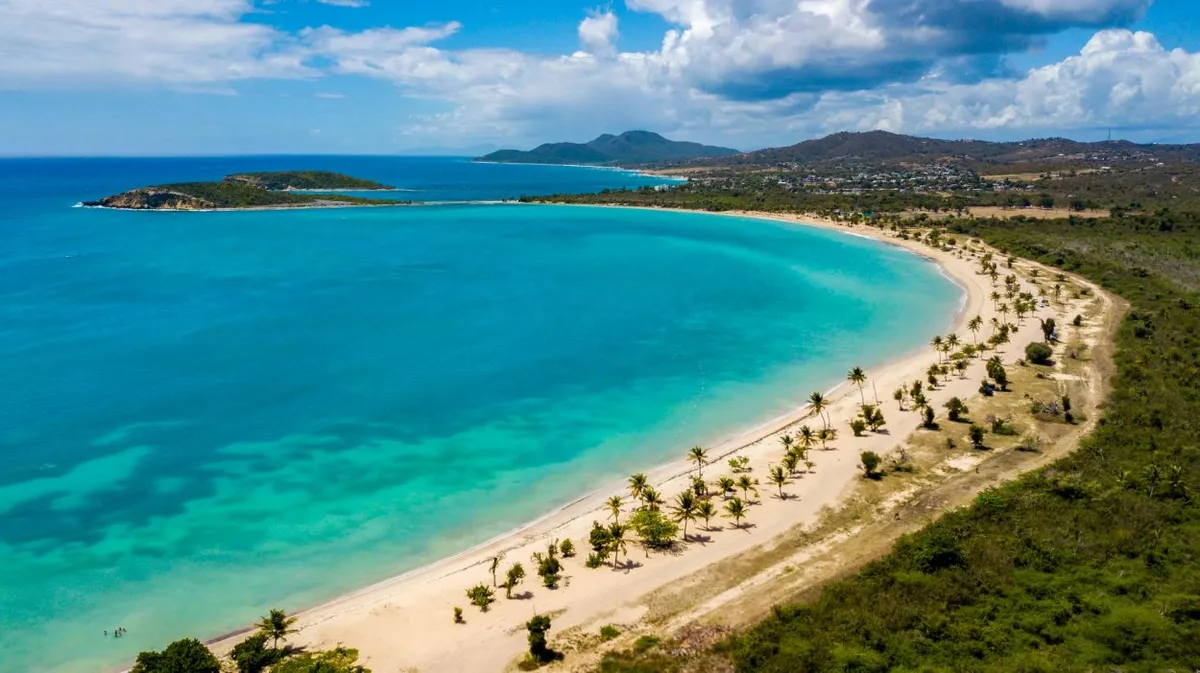 The glowing island
A quiet island off the east coast with wild horses, empty beaches and the brightest bioluminescent bay on earth.
Explore Vieques →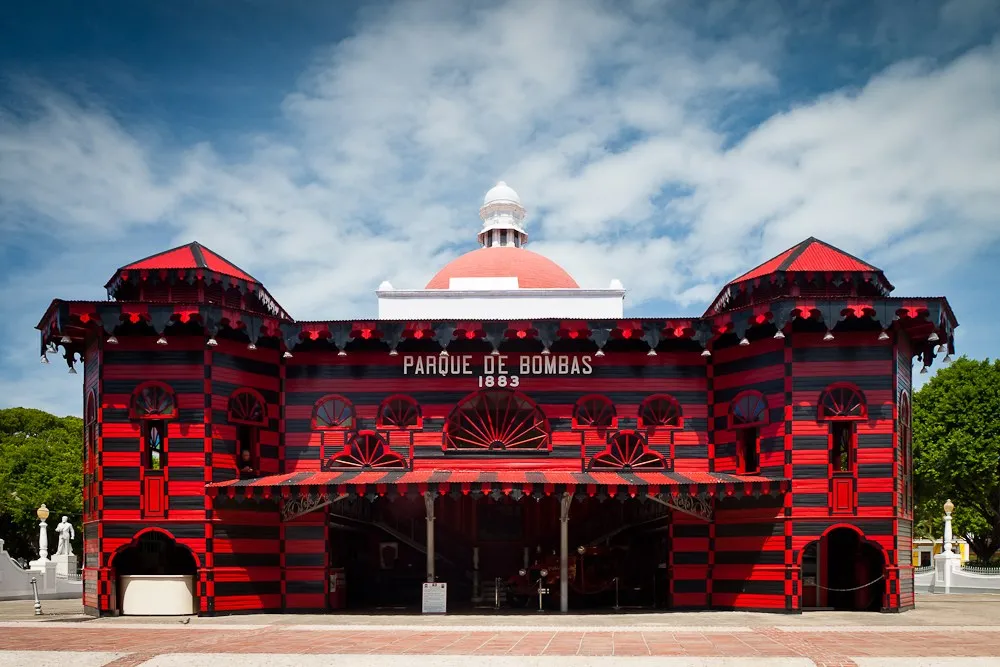 The pearl of the south
The second city on the dry south coast: a grand plaza, the red and black firehouse and serious art at the Museo de Arte.
Explore Ponce →St. Lucia in detail
Two volcanic peaks over Soufriere bay, a drive in volcano and resorts in the north and south.
St. Lucia is the Caribbean's scenic showstopper. The Pitons, two green volcanic spires, rise straight from the sea above Soufriere, the old capital, where you will also find the drive in volcano, warm mud baths, waterfalls and cocoa estates. The south around the Pitons is quiet and spectacular, with boutique resorts tucked into the hillsides; the north around Rodney Bay is livelier, with a marina, restaurants and the long curve of Reduit Beach. Sail the west coast by catamaran, zip line the rainforest, or climb Gros Piton with a guide for the full view. St. Lucia is a honeymoon classic that also rewards active travellers, and it pairs well with Barbados or Martinique.
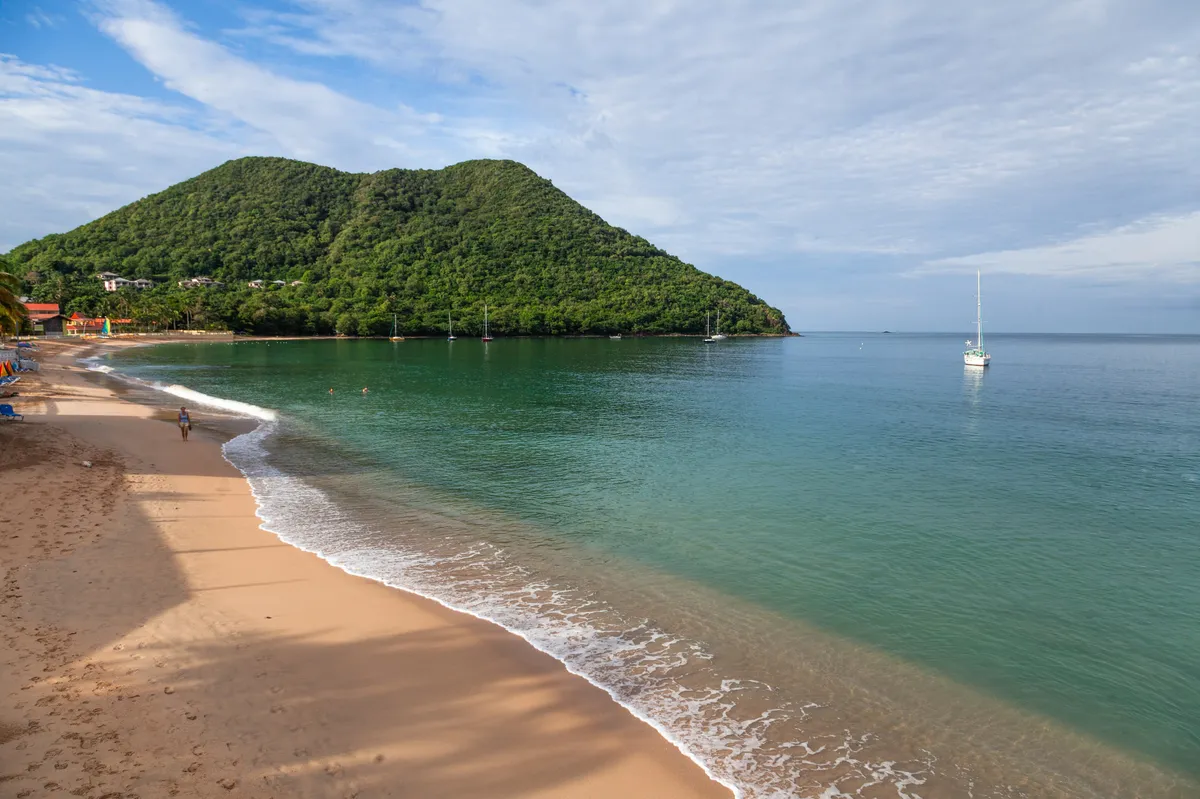 Resort and marina hub
The lively north: Reduit Beach, the marina, restaurants and the Friday street party at Gros Islet.
Explore Rodney Bay →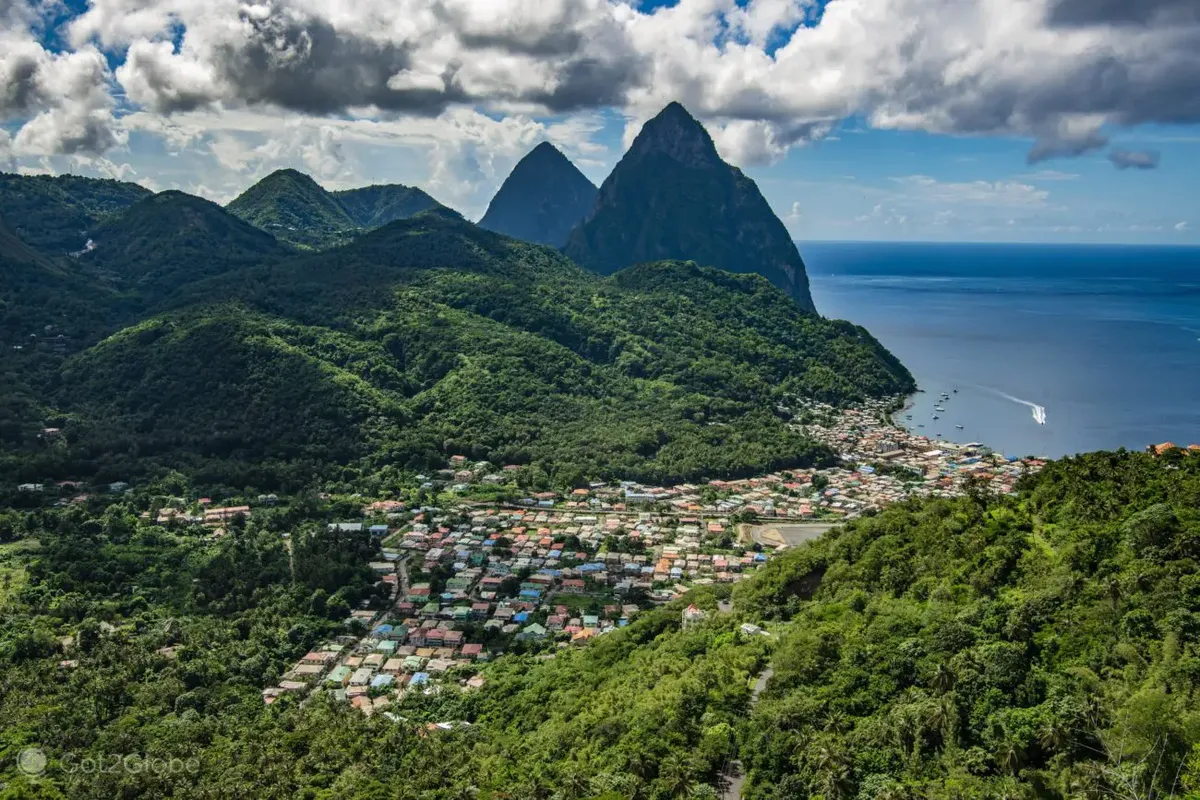 Under the Pitons
The old capital in the shadow of the Pitons, with the drive in volcano, mud baths and waterfalls all around it.
Explore Soufriere →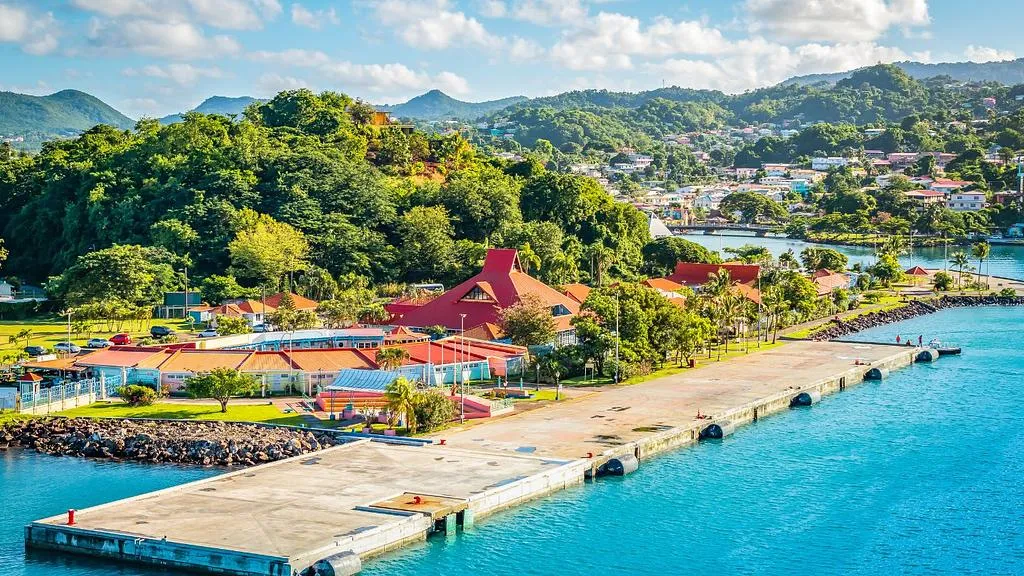 The capital
The working capital: the famous market, the cathedral and the harbour where the island's life comes and goes.
Explore Castries →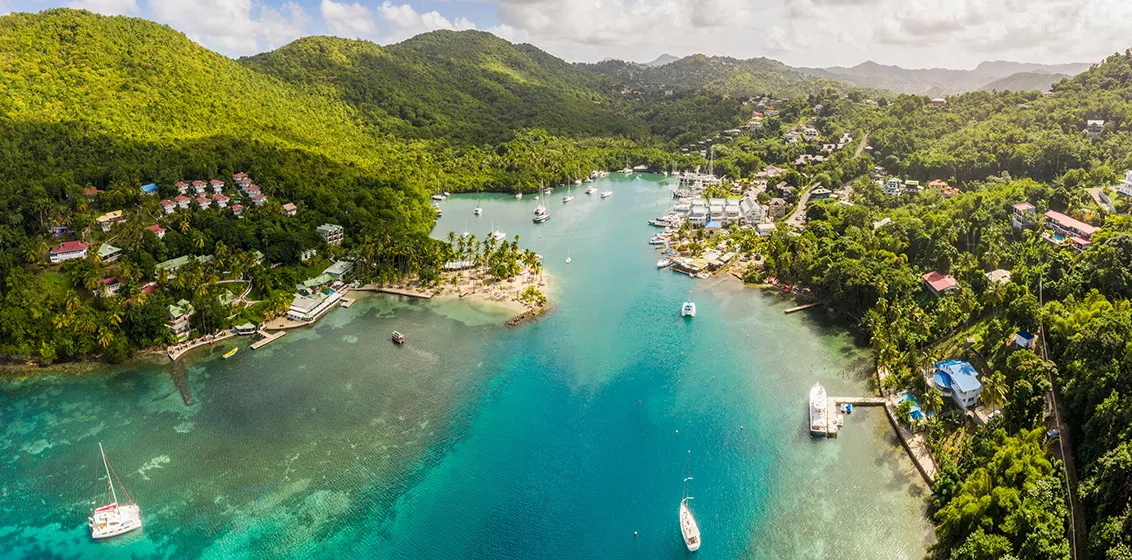 The hurricane hole
A palm fringed double bay on the west coast, one of the prettiest anchorages in the Caribbean.
Explore Marigot Bay →Turks and Caicos in detail
Miles of powder sand and calm turquoise water on Providenciales, with quiet sister islands beyond.
Grace Bay sets the standard other beaches are judged by: miles of powder white sand on Providenciales, calm turquoise water protected by a reef, and a line of polished resorts behind it. Days here run slow, long beach walks, snorkelling at Smith's Reef, boat days to Iguana Island and the sandbars, and conch at Da Conch Shack. Divers head for the wall at West Caicos and French Cay, and the quieter islands, North and Middle Caicos with their caves and cliffs, reward a day trip or a second base. Turks and Caicos is the Caribbean at its most refined, priced accordingly, and for a pure beach week it is very hard to beat.
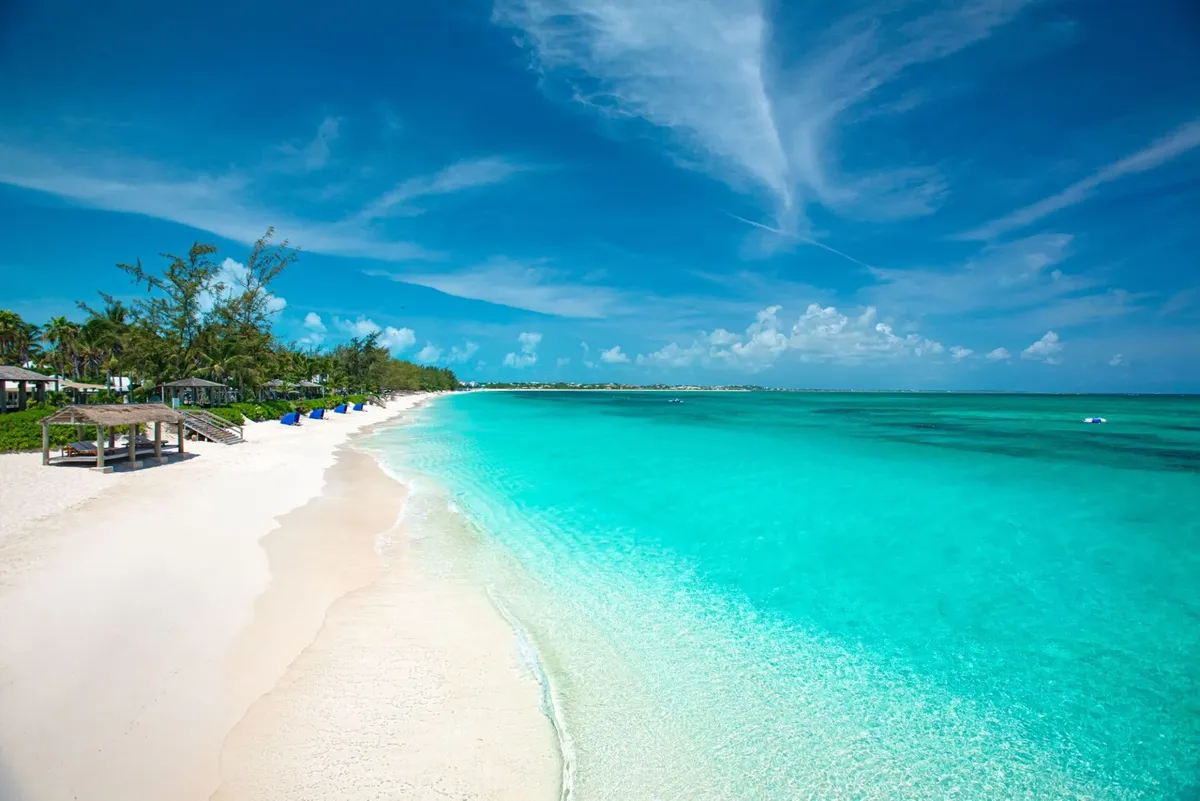 The famous beach
Twelve miles of powder sand and calm turquoise water on Providenciales, regularly voted the best beach in the world.
Explore Grace Bay →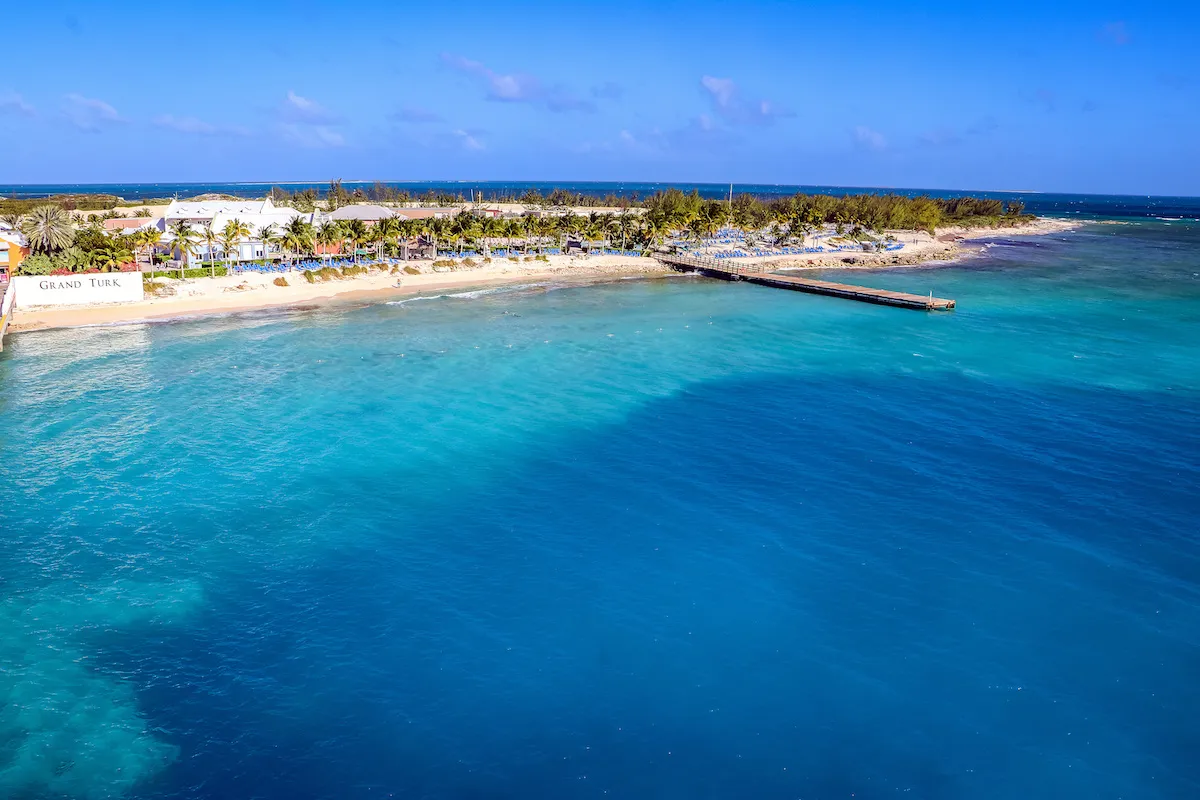 Historic capital island
The capital island: Cockburn Town's colonial streets, a famous dive wall and the cruise centre's beach day scene.
Explore Grand Turk →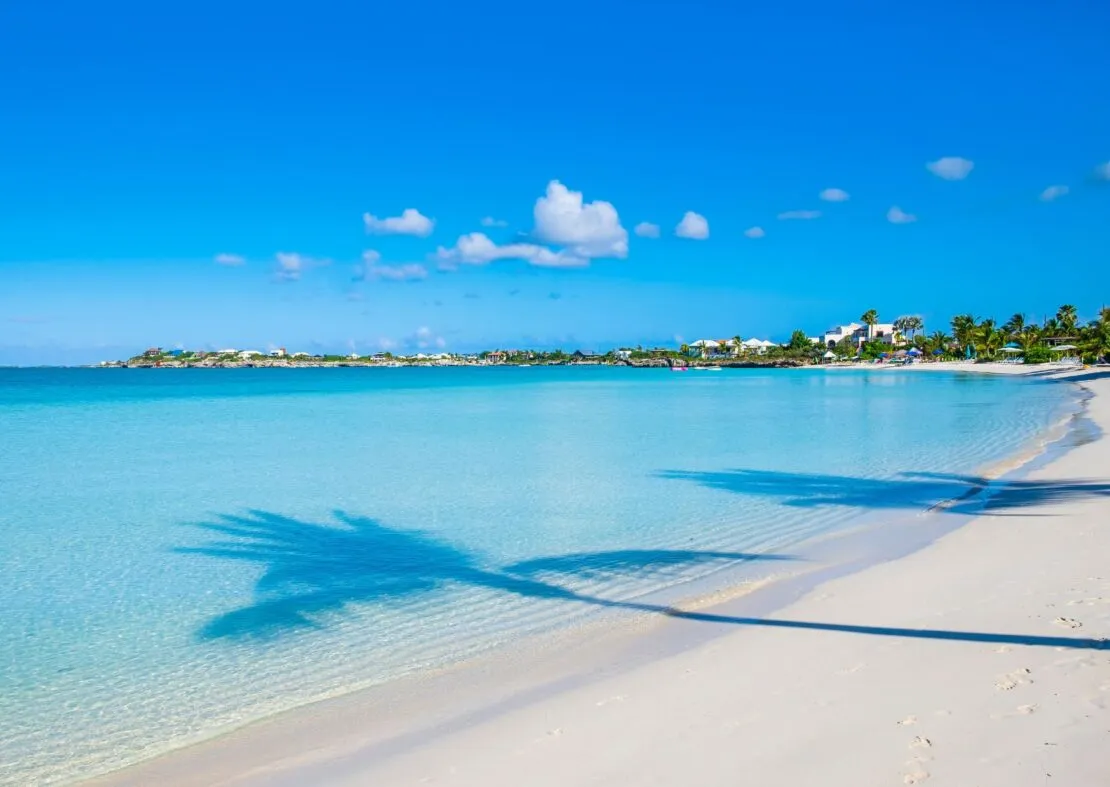 The garden island
The greenest Caicos island: flamingo ponds, plantation ruins, caves nearby and beaches you will have nearly alone.
Explore North Caicos →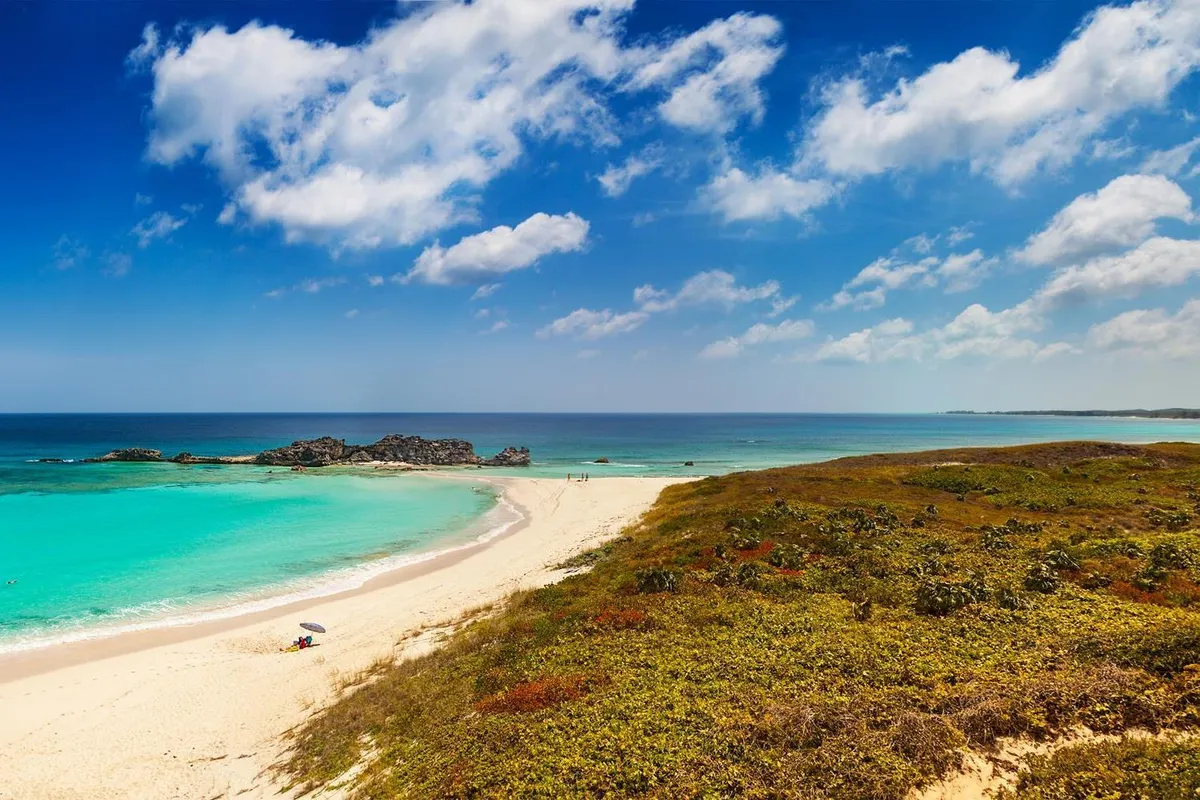 Cliffs and caves
The largest Caicos island: the Mudjin Harbour cliffs, the Conch Bar Caves and the famous crossing place trail.
Explore Middle Caicos →Antigua in detail
Sailing winds, Nelson's Dockyard and 365 beaches, with pink sand Barbuda next door.
Antigua's boast is a beach for every day of the year, and with constant trade winds, soft sand in every bay and water in every shade of blue, the claim feels honest. The island is the sailing heart of the Caribbean, home to Sailing Week and to English Harbour, where Nelson's Dockyard keeps its Georgian naval buildings in working order. Climb to Shirley Heights on a Sunday for the steel band and the view over the harbour, swim at Dickenson Bay or the quiet southern coves, and take the ferry or a catamaran to Barbuda for pink sand and frigate birds. Antigua suits beach lovers who like a little history and a lot of sailing in the background.
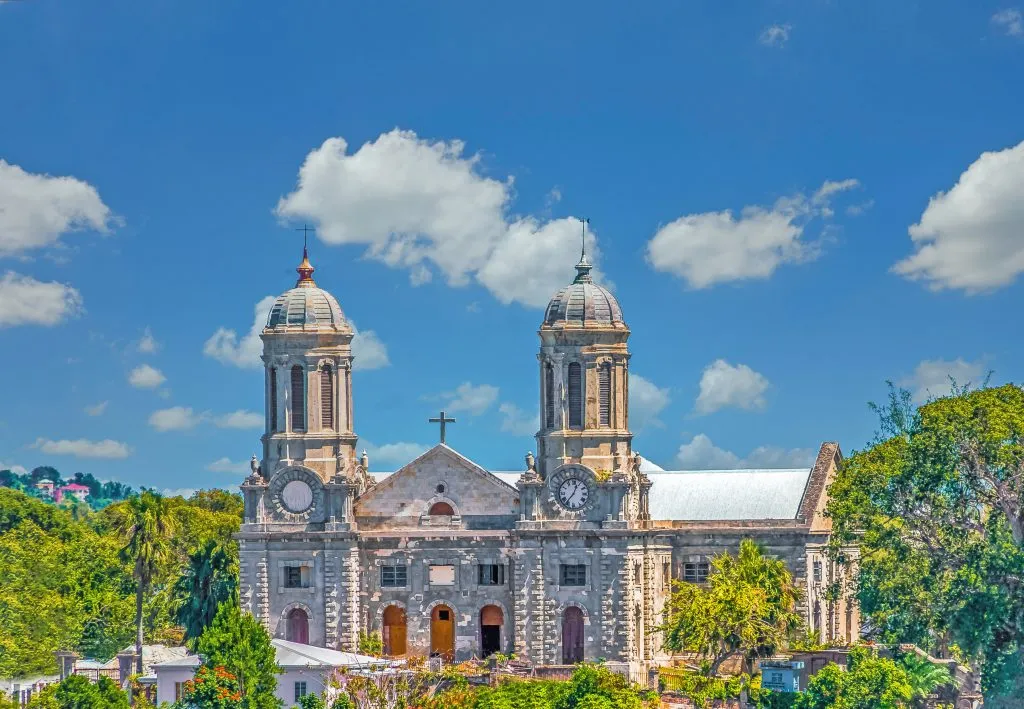 The capital
 and cruise port: the cathedral on its hill, the public market and the duty free quays.
Explore St. John's →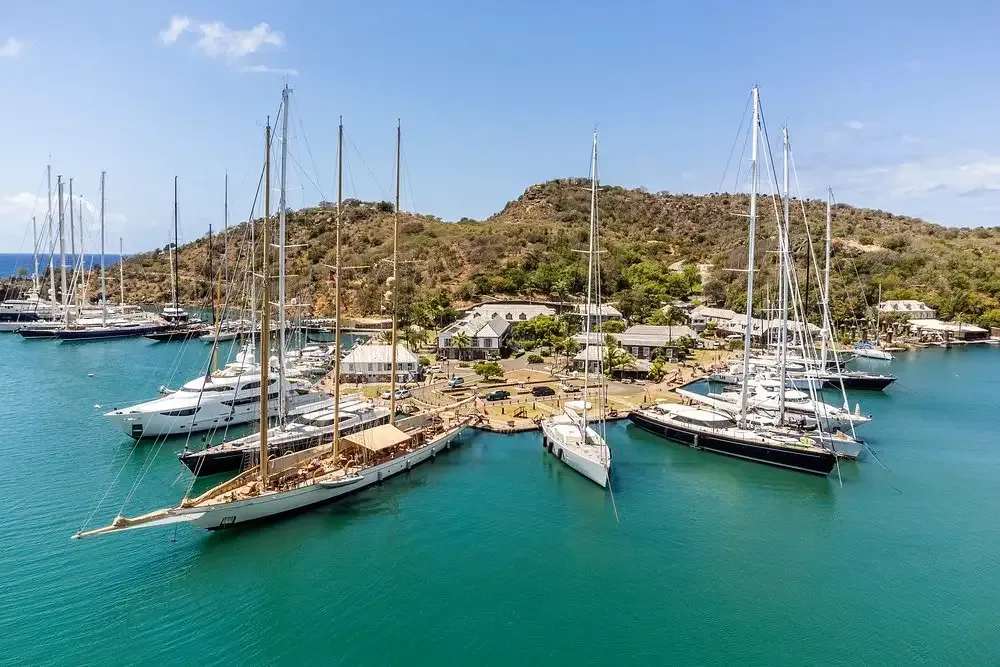 Nelson's Dockyard
The Georgian naval base still in working order, with Shirley Heights above it and sailing at the centre of everything.
Explore English Harbour →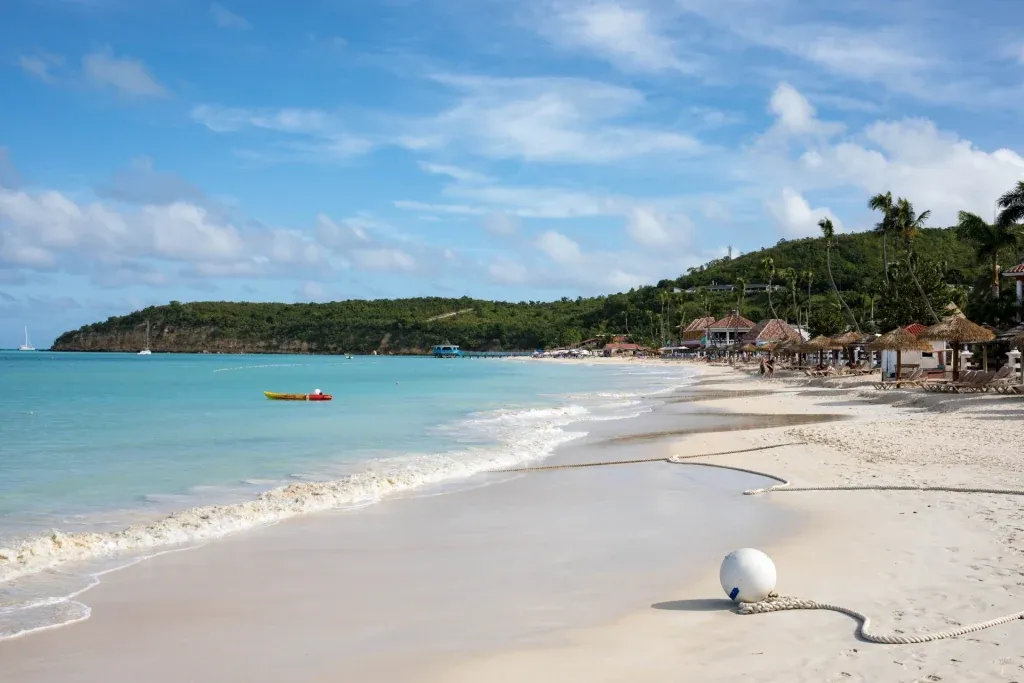 Main resort beach
The island's best known resort beach: a long curve of white sand, beach bars and every water sport on offer.
Explore Dickenson Bay →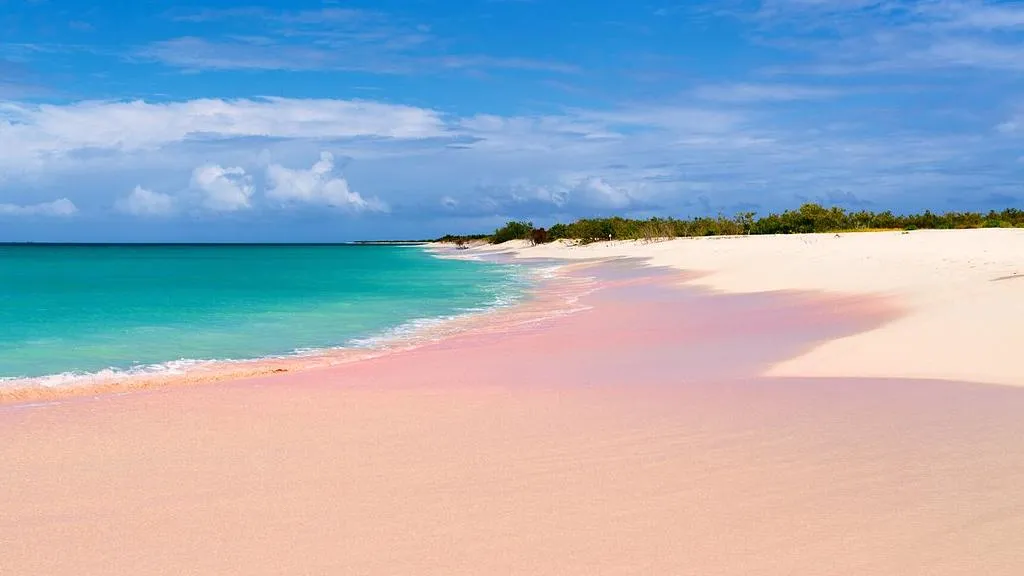 Pink sand sister island
Antigua's sister island: miles of pink tinged sand, the frigate bird sanctuary and almost nobody else there.
Explore Barbuda →St. Maarten in detail
Dutch side buzz, French side food, and ferries to Anguilla and St. Barths from one island hub.
One small island holds two countries, and the split is the fun of it. The Dutch side, St. Maarten, brings duty free Philipsburg, casinos and the Simpson Bay marina scene; the French side, St. Martin, brings quieter villages and Grand Case, a beach town with a famous row of restaurants. Everyone meets at Maho Beach to watch the jets skim the fence on landing. With thirty seven beaches, a livelier pace than most islands and ferries out to Anguilla, St. Barths and Saba, St. Maarten is the hub island of the northeastern Caribbean, ideal for travellers who like to move around.
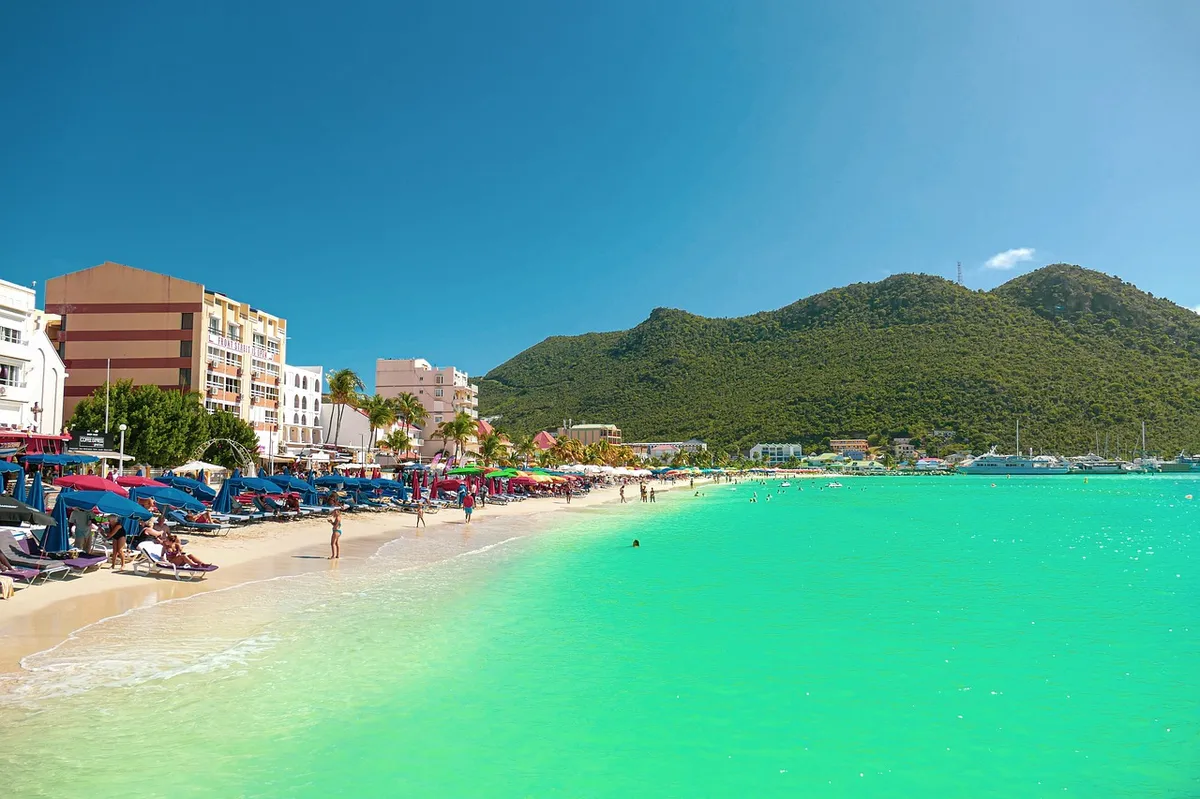 Dutch capital
The Dutch side capital: duty free Front Street, the boardwalk and Great Bay beach in one walkable strip.
Explore Philipsburg →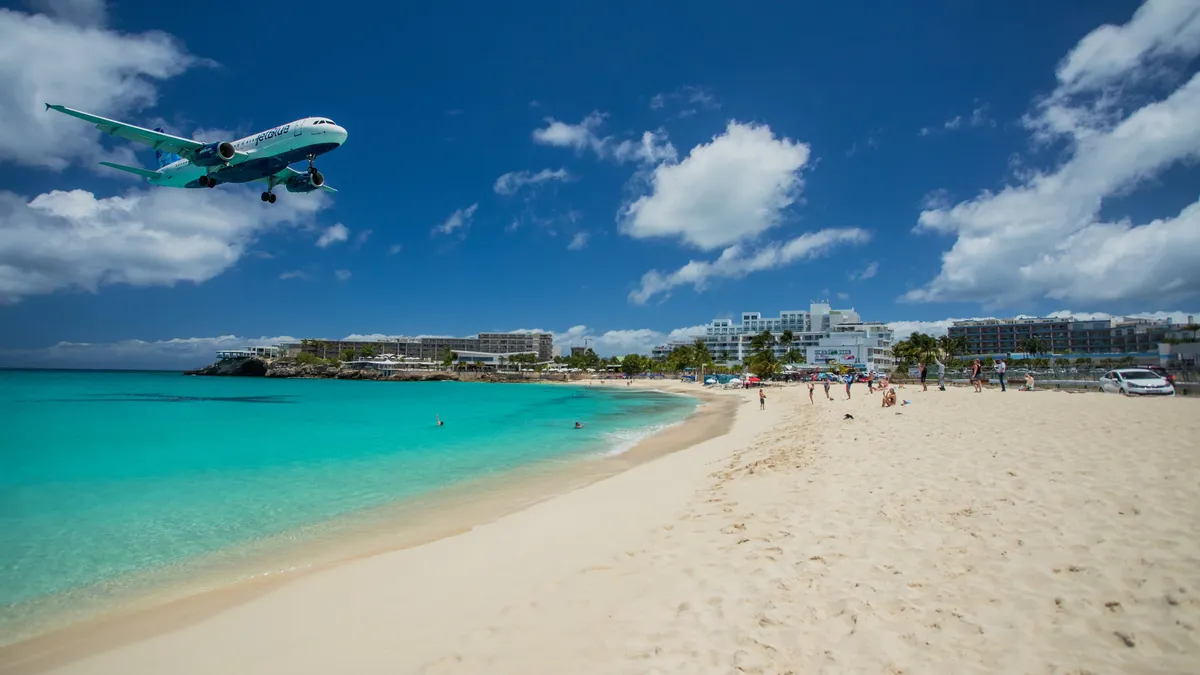 The airplane beach
The famous beach at the end of the runway, where jets skim the fence and the Sunset Bar keeps the flight board.
Explore Maho Beach →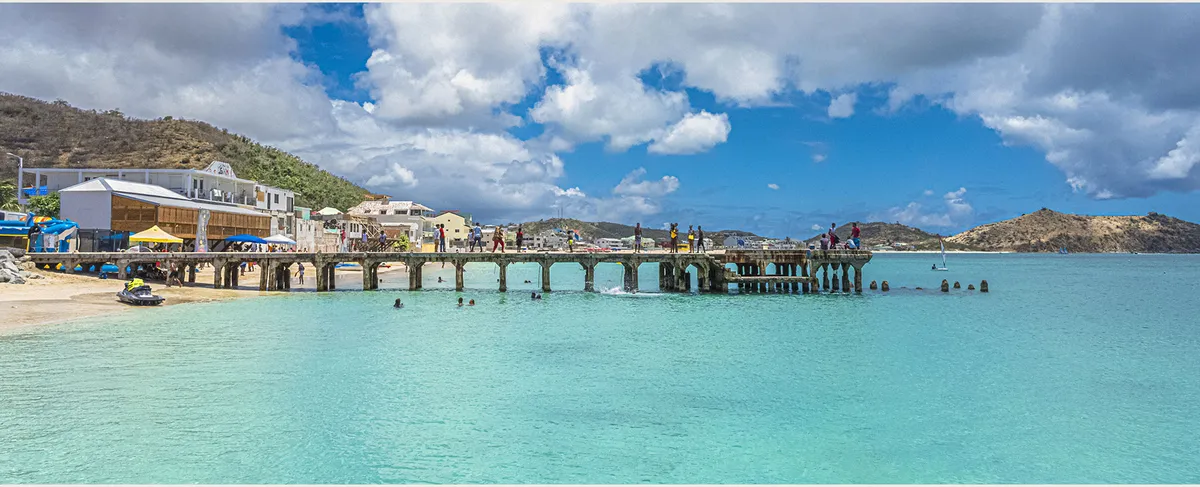 Food capital village
A fishing village on the French side with a bay of calm water and a main street of famous restaurants.
Explore Grand Case →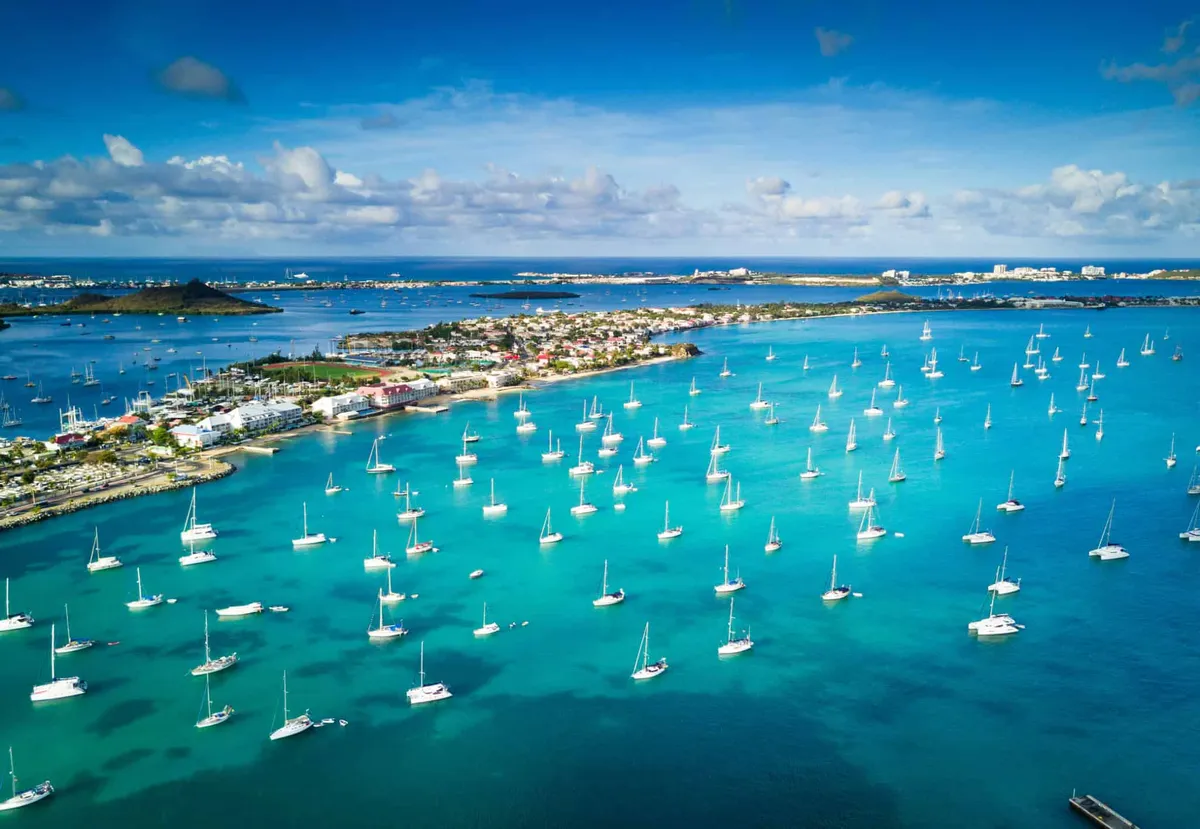 French capital
The French side capital: a market town of cafes and boutiques under Fort Louis, with ferries to Anguilla and St. Barths.
Explore Marigot →Malta in detail
Golden stone Valletta, temples older than the pyramids and the Blue Lagoon a boat ride away.
Malta concentrates more history per mile than almost anywhere: temples older than the pyramids, a capital built by the Knights of St John, and a grand harbour that has seen every Mediterranean empire come and go. Valletta's golden streets hold St John's Co Cathedral and harbour views from the Upper Barrakka Gardens, Mdina keeps its silent medieval calm inland, and the fishing village of Marsaxlokk fills its harbour with painted boats. Swim days go to the Blue Lagoon on Comino and the coves of Gozo, Malta's greener sister island, and divers get famous wrecks and caves. English is an official language, the island is compact, and a Malta week mixes sightseeing and swimming without effort.
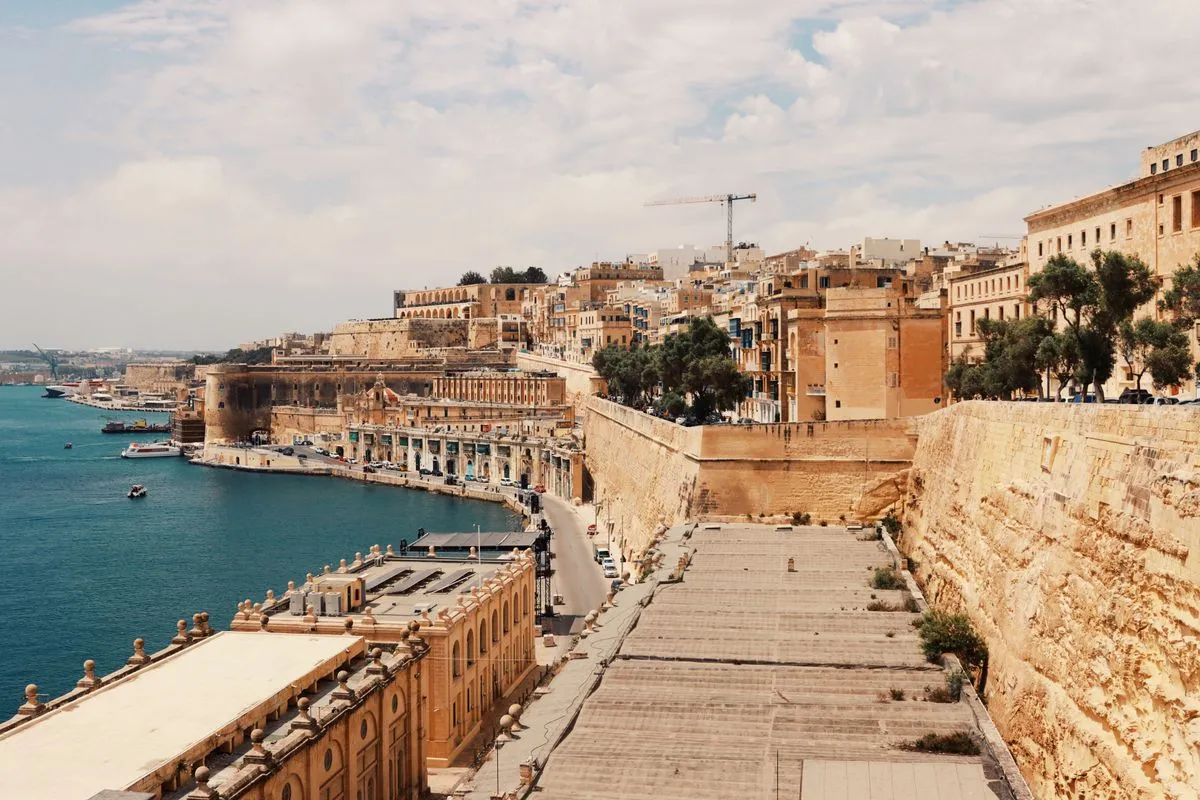 The capital
A golden stone capital built by knights: St John's Co Cathedral, harbour views and streets of balconies.
Explore Valletta →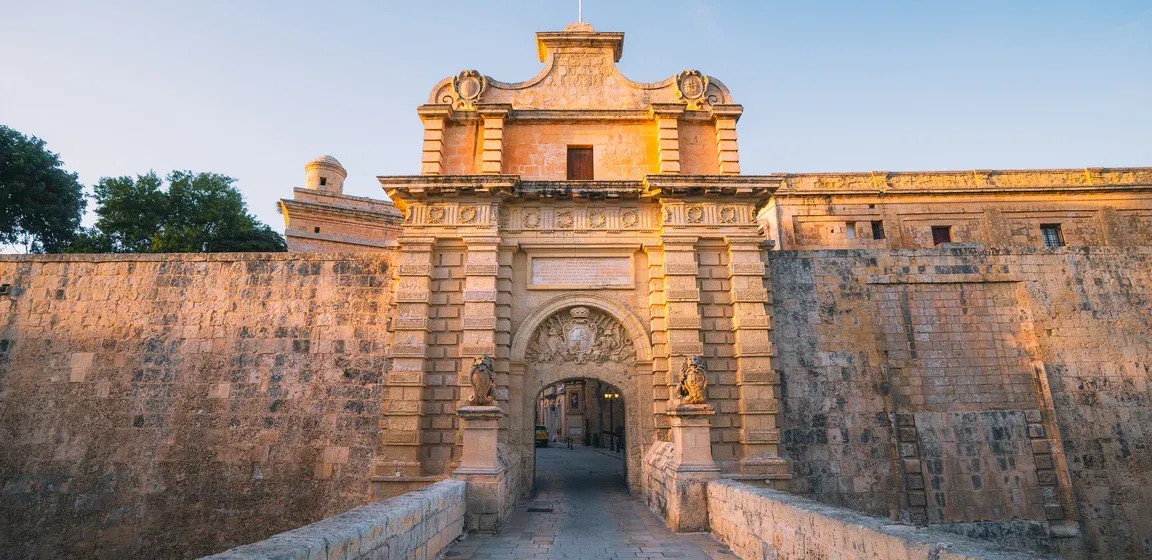 The silent city
The old capital on its hill: a walled city of palaces and silence, with views over half the island.
Explore Mdina →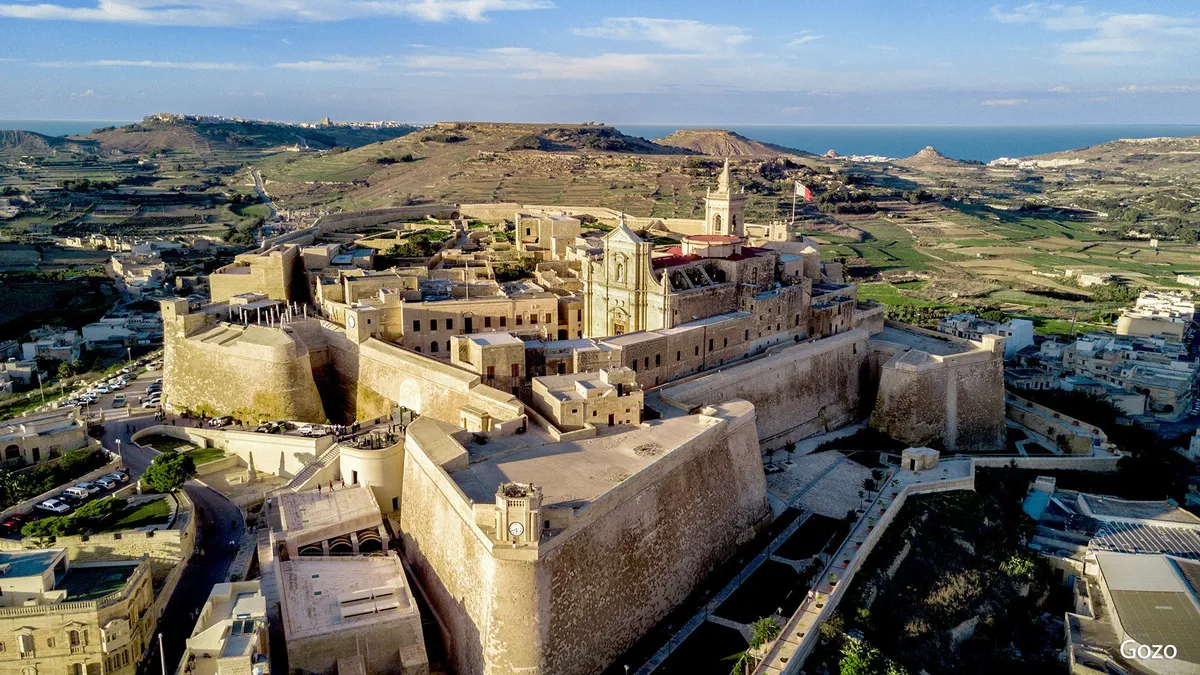 Sister island
Malta's greener, slower sister: the Citadel at Victoria, red sand at Ramla Bay and the Azure Window's famous coast.
Explore Gozo →Cyprus in detail
Roman mosaics at Paphos, sandy bays in the east and painted churches in the Troodos mountains.
Cyprus has been coveted by every power in the region, and the layers show: Greek temples and Roman mosaics, crusader castles, Venetian walls and a food culture that mixes Greek, Turkish and Levantine plates. Paphos in the west holds the famous mosaics and its harbour castle, and holds UNESCO status across the town; the east coast at Ayia Napa and Protaras holds the sandy beaches and the clearest water. Inland, the Troodos mountains hide Byzantine painted churches and wine villages, a cool escape in summer. Cyprus swims warm late into autumn, its meze lunches can last all afternoon, and it works as a single island trip or a cruise stop with substance.
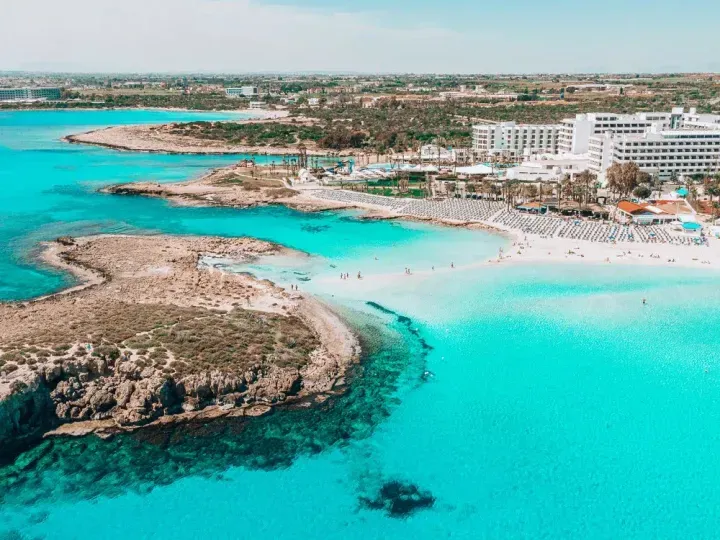 Beach resorts of the east
The east coast's golden beaches: Nissi Beach, Fig Tree Bay and some of the clearest water in the Mediterranean.
Explore Ayia Napa and Protaras →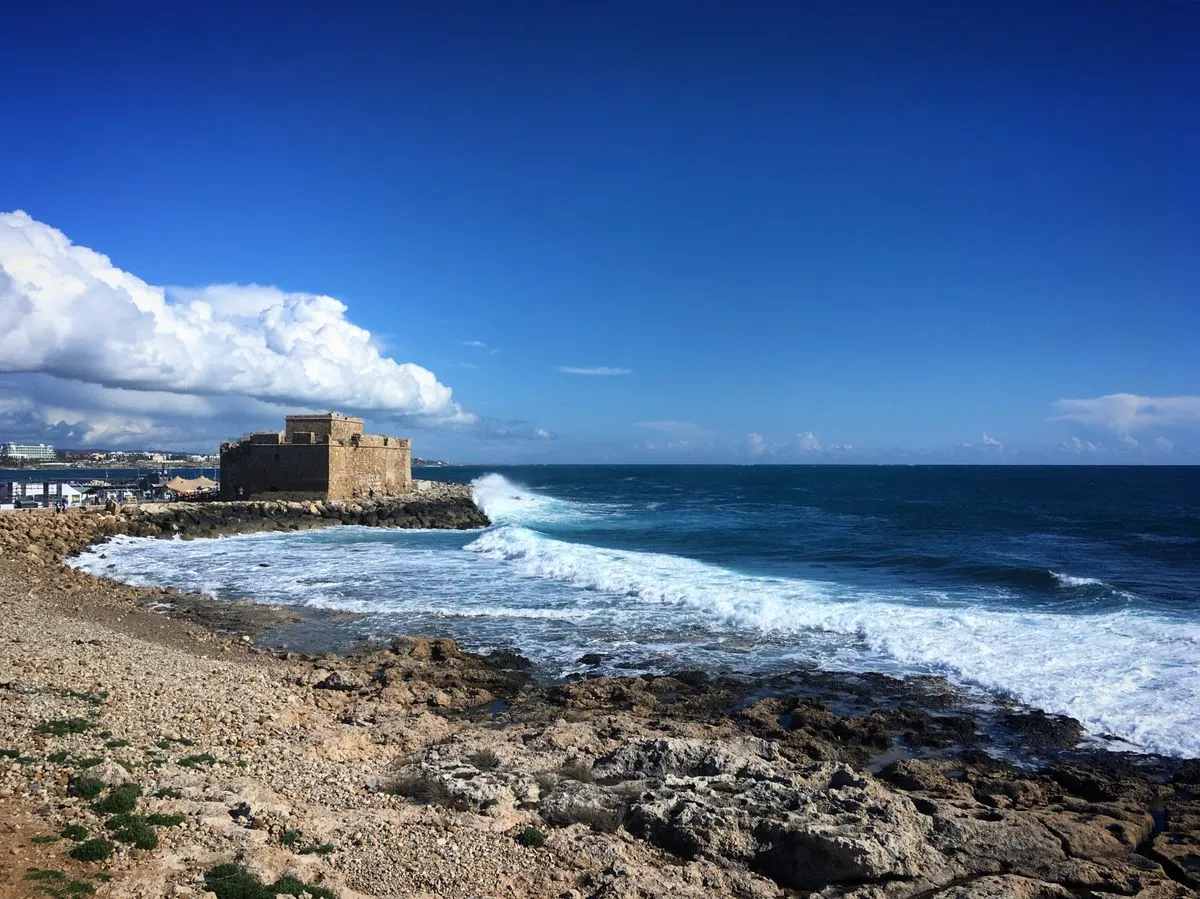 Mosaics and harbour
A whole town on the UNESCO list: Roman mosaics, a harbour castle and Aphrodite's legendary birthplace nearby.
Explore Paphos →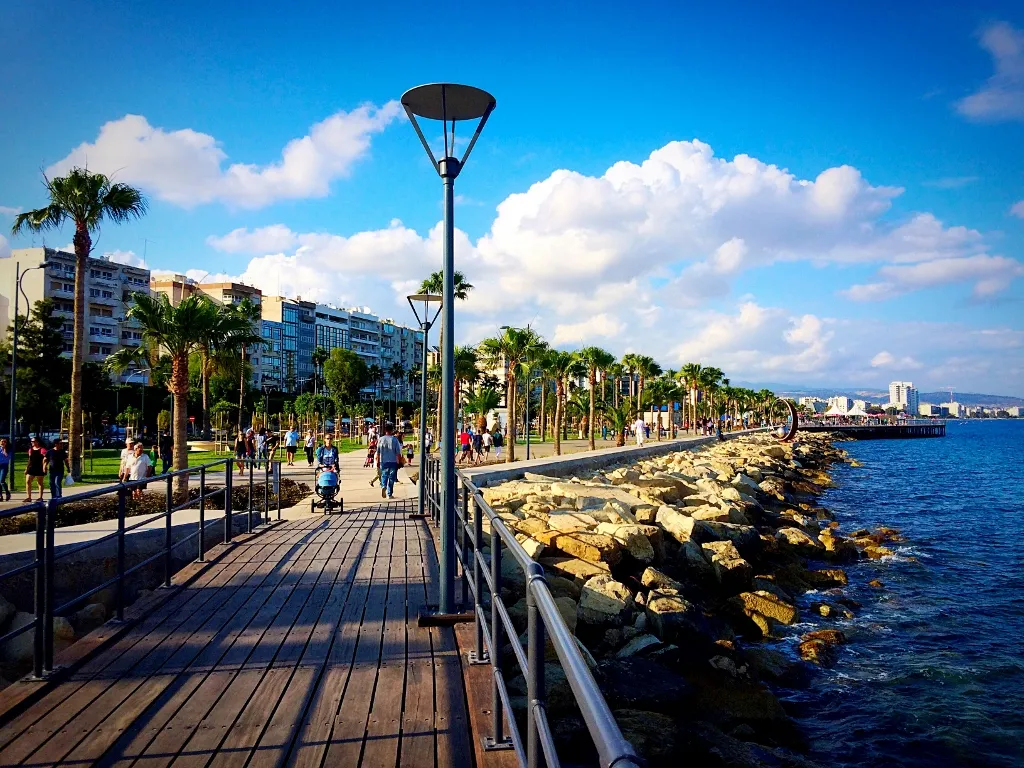 Coast city and wine gateway
A lively coast city with a marina and old town, and the gateway to the Troodos wine villages and Kourion.
Explore Limassol →French Riviera in detail
One coastal railway linking Nice, Antibes, Cannes and Monaco, with hill villages above.
Nice to Monte Carlo
The Cote d'Azur invented seaside glamour, and its towns still line up along one of the prettiest rail rides in Europe. Base in Nice for the Promenade des Anglais, the old town's flower market and the Matisse and Chagall museums, then ride the coast: Antibes for its old town and Picasso museum, Cannes for the Croisette, and Monaco for the palace, the casino square and a harbour of serious yachts. Above the coast, Eze and Saint Paul de Vence perch in the hills, and Grasse perfumes the inland air. Beach clubs, market lunches and golden evenings tie it together, and the Riviera pairs naturally with Provence or an Italy trip through the border at Ventimiglia.
Croatian Coast in detail
Dubrovnik and Split on the mainland, a thousand islands offshore, and the clearest water in Europe.
Dubrovnik and the islands
Croatia's Adriatic coast is one of Europe's great summer journeys. Dubrovnik's walls circle a marble streeted old town above deep blue water, Split grows out of a Roman emperor's palace that people still live inside, and offshore the islands run for hundreds of miles: Hvar for lavender and nightlife, Korcula for its walled mini Dubrovnik, Vis for quiet coves and blue caves. Travel it by small ship cruise, by ferry and car, or by yacht, swimming daily in water of remarkable clarity. This coast pairs with Montenegro and Italy across the Adriatic.
Montenegro in detail
A fjord like bay, a Venetian walled town and a coastline still off the main circuit.
Montenegro packs outsized scenery into a small country. The Bay of Kotor cuts between steep mountains like a fjord, passing the church islets of Perast to reach Kotor itself, a Venetian walled town whose fortifications climb the cliff to a fortress view worth every step. Budva mixes an old town with the liveliest beaches on this coast, Sveti Stefan provides the postcard, and inland the Durmitor national park and the Tara canyon offer mountain days between swims. Montenegro sits just south of Dubrovnik and pairs with it naturally, costs less than its neighbours, and still feels like a place you found first.
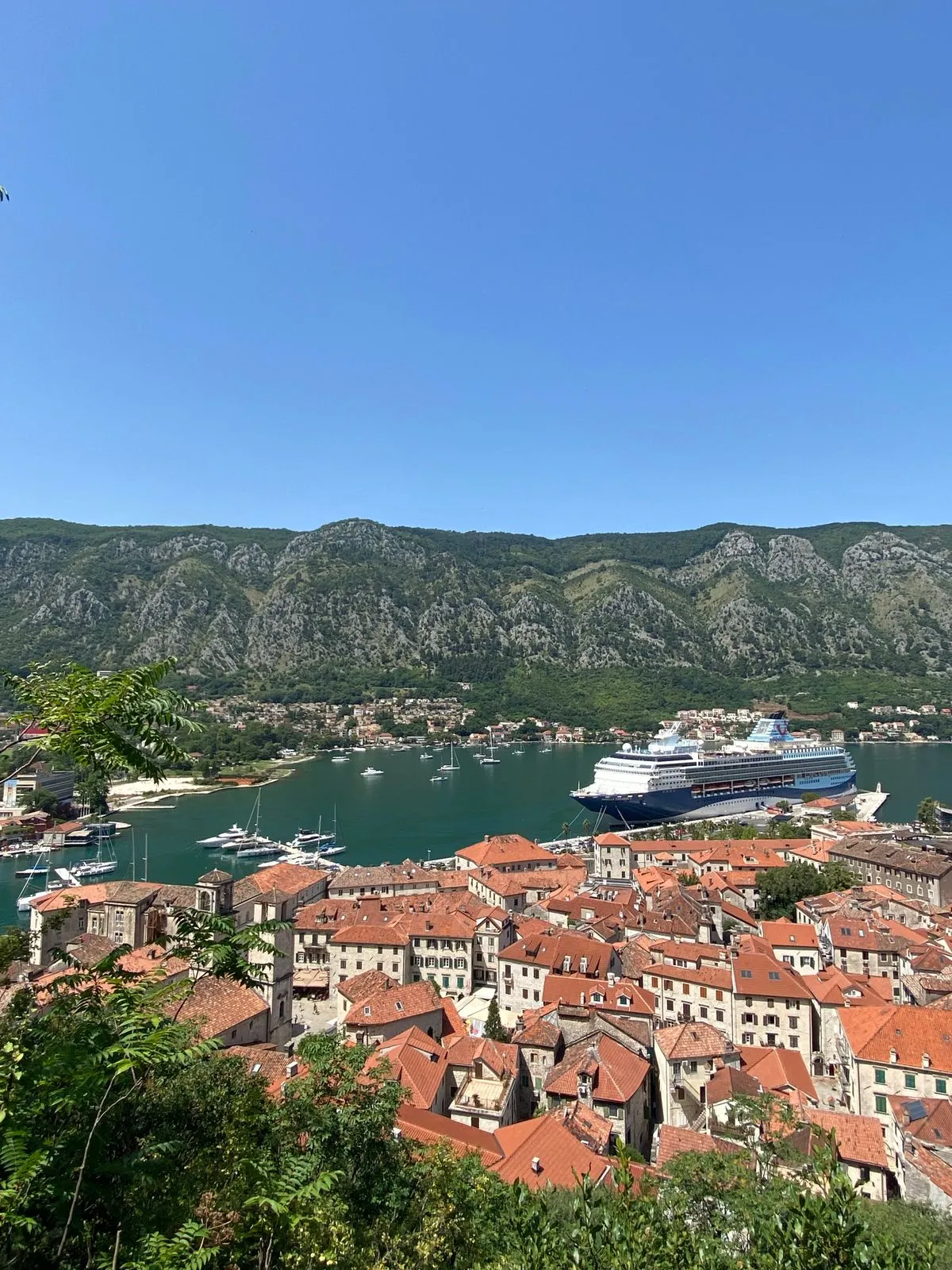 The walled town
A Venetian walled town at the head of the bay, with fortress walls climbing the cliff to the view of views.
Explore Kotor →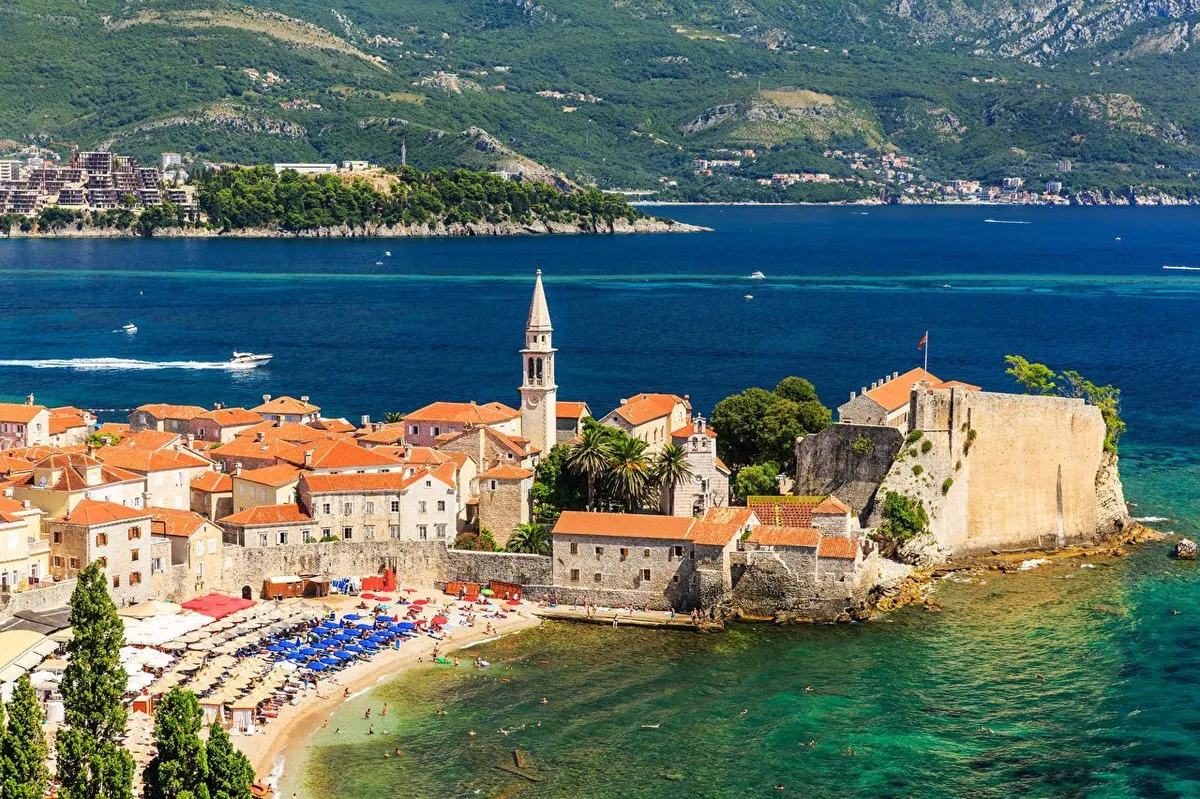 Beach and old town
Montenegro's beach capital: a pretty walled old town and the liveliest resort coast in the country.
Explore Budva →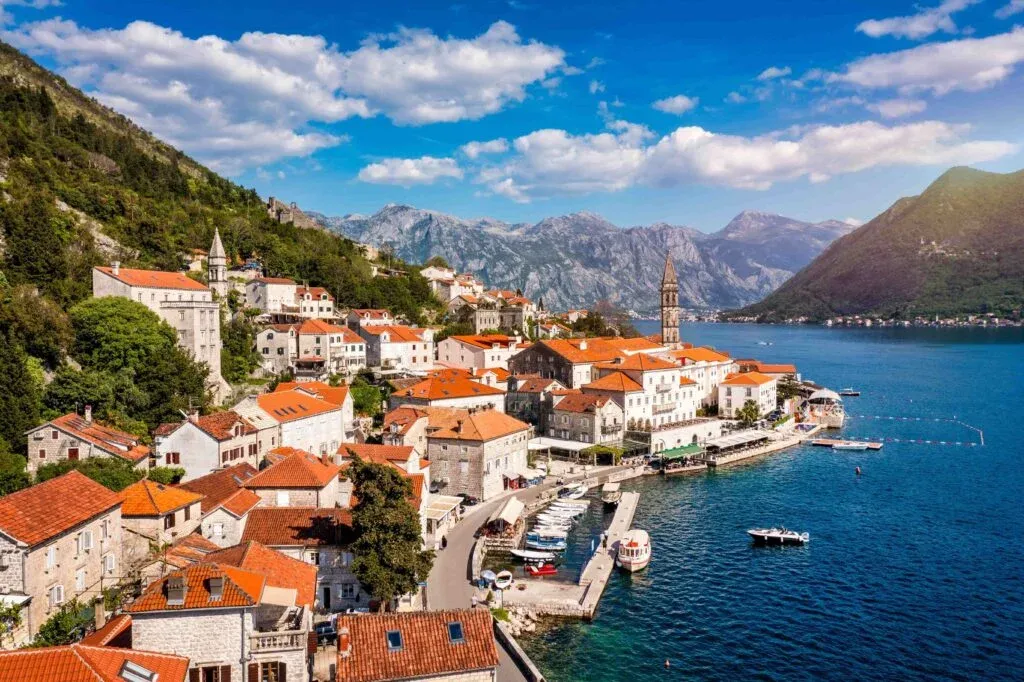 Baroque bay town
A baroque stone town on the Bay of Kotor, famous for its two island churches, Our Lady of the Rocks and St George.
Explore Perast →Havana in detail
Classic cars, grand plazas and live music in the streets: Havana is Cuba at its most vivid, and the start of almost every Cuba trip.
The capital
Havana layers five centuries into one walkable old town, a UNESCO listed maze of plazas, cathedrals and arcades where classic American cars cruise past in every colour. Ride along the Malecon at sunset, tour a cigar factory, hear son and salsa spilling out of courtyards, and settle into a paladar, a family run restaurant in a grand old house. Give Havana at least two nights before the beach: it is the half of Cuba travellers talk about for years.
Varadero in detail
Thirteen miles of white sand and calm turquoise water, lined with the all inclusive resorts Canadians book most in Cuba.
The famous beach
Varadero runs along a narrow peninsula east of Havana, and its beach is the reason it exists: mile after mile of soft white sand and warm, calm water. The resorts range from family favourites to quiet adults only escapes, with catamaran trips, the dolphinarium and the caves of Bellamar filling days off the sand. Pair a Varadero week with a night or two in Havana and you have the classic Cuba trip, culture first and beach second, or the other way around.
Cayo Coco in detail
A causeway linked cay off the north coast, built for quiet all inclusive weeks, flamingos and shallow turquoise water.
Quiet cay resorts
Cayo Coco sits off Cuba's north coast, reached by a long causeway across the bay, and it was developed purely for holidays: a string of all inclusive resorts along beaches of fine white sand and glassy shallow water. Wild flamingos feed in the lagoons, the snorkelling is easy straight off the beach, and the pace is deliberately slow. It suits travellers who want the resort to be the destination, with Moron and the mainland there for a day trip if you want it.
Holguin in detail
The resort coast around Guardalavaca, with fine beaches, green hills behind them and a real Cuban city an hour inland.
Guardalavaca beaches
Holguin province is where many Canadians first met Cuba: the resorts around Guardalavaca and Playa Esmeralda sit on curved bays backed by green hills, with some of the best snorkelling on the island off the reef at Playa Pesquero. Inland, the city of Holguin itself is a working Cuban city of parks and plazas, and Gibara and Banes add small town colour. It is a good choice when you want a beach week with a little more of real Cuba within reach.
Trinidad in detail
A perfectly kept colonial town of cobbles and pastel houses, with Playa Ancon beach a short ride away.
Colonial time capsule
Trinidad, on Cuba's south coast, is one of the best preserved colonial towns in the Americas: cobbled streets, pastel mansions built on sugar wealth around the Plaza Mayor, and music in every courtyard after dark. The Valley of the Sugar Mills and its watchtower sit just outside town, and Playa Ancon gives you a fine Caribbean beach ten minutes away. Trinidad pairs with Havana or Cienfuegos on a touring route, or stands alone for travellers who like their history with a beach attached.
Nassau in detail
The capital on New Providence: forts, the Straw Market, duty free Bay Street and big resort energy a short walk apart.
The capital
Nassau is the Bahamas in one town: a working capital with colonial forts and the Queen's Staircase above the harbour, duty free shopping on Bay Street, and the Straw Market for woven goods and wood carvings. Cable Beach lines up the big resorts west of town, and boats leave daily for the cays. Nassau works as a resort base, a cruise stop with substance, or the gateway to the Out Islands, and we will help you place it in the trip properly.
Paradise Island in detail
Across the bridge from Nassau, home to Atlantis, the marina village and the long curve of Cabbage Beach.
Atlantis and Cabbage Beach
Paradise Island is Nassau's resort half, joined to the capital by two bridges and built around Atlantis, with its aquariums, water park, casino and marina. Beyond the resort, Cabbage Beach runs long and lovely along the north shore, and the island's golf course and quieter east end give it range. It is the Bahamas choice for families and for travellers who want everything, beach, dining and entertainment, within a short ride of their room.
Freeport in detail
The main town on Grand Bahama Island, with Lucaya's market and marina, and long quiet beaches east and west of town.
Grand Bahama
Freeport and its Lucaya district are Grand Bahama's holiday centre: the Port Lucaya Marketplace and marina for shopping and boat trips, resorts along the shore, and the Garden of the Groves inland. Grand Bahama also holds Lucayan National Park, with its underwater cave system and Gold Rock Beach, one of the finest empty beaches in the Bahamas at low tide. It is an easy, good value Bahamas base, a short flight from Florida and often paired with a cruise.
Exuma in detail
A chain of cays famous for swimming pigs, thunderball grotto and sandbars that appear at low tide in impossible blues.
Swimming pigs and sandbars
Exuma is the Bahamas at its most photographed: a chain of 365 cays running south from Great Exuma, where boat days take you to swim with the famous pigs at Big Major Cay, snorkel the Thunderball Grotto from the Bond film, and walk sandbars that vanish at high tide. Great Exuma itself stays low key, with small hotels and the little capital of George Town. Exuma suits boaters, beach purists and anyone who has seen the photos and wants the real thing.
Punta Cana in detail
The east coast resort strip: Bavaro Beach, big all inclusive resorts and golf, made for easy weeks in the sun.
Resort capital
Punta Cana is the Caribbean's resort machine, in the best sense: a long run of beaches at Bavaro and Macao lined with all inclusive resorts of every tier, golf courses by famous designers, and excursions to Saona Island and the Hoyo Azul cenote when you want a day out. The resort choice decides the trip here, family giant or quiet luxury, and matching you to the right property is exactly what we do.
Puerto Plata in detail
The original Dominican resort coast, with a cable car up Mount Isabel, a Victorian town and surf at Cabarete nearby.
The north coast
Puerto Plata was the Dominican Republic's first resort coast and it still has the most variety: the Playa Dorada resort enclave, a Victorian era town with an amber museum and the San Felipe fortress, and the cable car up Mount Isabel de Torres for the view over it all. Along the coast, Cabarete brings surf and kiteboarding energy and Sosua brings sheltered bays. It suits travellers who want a resort week with real towns and day trips attached.
Santo Domingo in detail
The oldest European city in the Americas, with a UNESCO listed colonial zone of firsts: first cathedral, first hospital, first street.
The colonial capital
Santo Domingo is where the Americas began for Europe, and its Zona Colonial holds the first cathedral, the first hospital and the first paved street in the New World, all in a walkable grid of stone streets and courtyard cafes. Add the Malecon waterfront, serious museums and a food scene that runs from chinchorros to fine dining. Most travellers add two nights here to a beach week, and leave wishing they had booked three.
Samana in detail
A green peninsula of palm hills and quiet bays, famous for humpback whales in winter and the El Limon waterfall.
Whales and waterfalls
The Samana Peninsula is the Dominican Republic at its greenest and quietest: palm covered hills dropping to bays like Las Terrenas and Las Galeras, boat trips into Los Haitises National Park with its caves and mangroves, and the ride on horseback to El Limon waterfall. From January to March, humpback whales gather in Samana Bay to calve, one of the great wildlife sights in the Caribbean. It suits travellers who trade the big resort strip for scenery and small hotels.
Montego Bay in detail
The main resort coast and arrival hub, with Doctor's Cave Beach, the Hip Strip and big all inclusive resorts.
Resort strip and airport hub
Montego Bay is where most Jamaica trips begin and many happily stay: Doctor's Cave Beach with its famously clear water, the restaurants and shops of the Hip Strip, and a deep bench of all inclusive resorts from family favourites to luxury names. Golf at White Witch and Cinnamon Hill, rafting on the Martha Brae and a day trip to Negril or Ocho Rios fill the week. It is the easy Jamaica, and easy is a compliment here.
Negril in detail
Seven miles of soft sand, calm water and the famous west end cliffs, with sunsets that gather a crowd every evening.
Seven Mile Beach
Negril is built around Seven Mile Beach, a long curve of pale sand and gentle water lined with resorts, beach bars and jerk stands, and around the west end cliffs where the brave dive and everyone else watches with a drink. Rick's Cafe made the sunset famous, but the whole west coast glows at that hour. Negril suits couples, honeymooners and anyone whose plan is beach, swim, eat, repeat, with the cliffs for a little drama.
Ocho Rios in detail
Home to Dunn's River Falls, lush gardens and river adventures, on the green north coast east of Montego Bay.
Waterfalls and gardens
Ocho Rios means eight rivers, and water is the theme: climb the terraced cascades of Dunn's River Falls, float the White River, swim at the Blue Hole, and ride the bobsled through the rainforest canopy at Mystic Mountain. The town is a major cruise port with resorts along the coast on both sides. Ocho Rios suits active travellers and families who want their beach week with waterfalls and gardens in it.
Kingston in detail
The capital and the home of reggae: the Bob Marley Museum, Devon House and the Blue Mountains at its back.
Music and culture capital
Kingston is Jamaica's real city, and its cultural weight is enormous: this is the birthplace of reggae, ska and dancehall, with the Bob Marley Museum in his former home and studio culture still alive. See Devon House and its famous ice cream, the National Gallery, and the port city history at Port Royal, then take the road up into the Blue Mountains for coffee country. Kingston rewards travellers who come for the culture first, and pairs well with a beach finish in Port Antonio or Negril.
Oranjestad in detail
The pastel coloured capital, with duty free shopping, the free streetcar and Fort Zoutman telling the island story.
The capital
Oranjestad is Aruba's cheerful capital: Dutch gabled buildings painted in pastels, a free streetcar running the main street, duty free shopping along Lloyd G. Smith Boulevard, and Fort Zoutman, the island's oldest building, beside the harbour. Cruise ships dock right in town, and the Renaissance Marina anchors the dining scene. Base here if you like a town at your door, or visit for a day from the beach resorts ten minutes north.
Palm Beach in detail
The high rise hotel strip: calm water, beach bars, casinos and the liveliest evenings on the island.
High rise resort strip
Palm Beach is Aruba's famous two mile strip of high rise resorts, calm swimming water and piers full of beach bars and water sports. By day it is palapas and paddleboards; by night the casinos, restaurants and open air bars along the strip take over. It suits travellers who want the resort social scene and everything in walking distance, with Eagle Beach's quieter sand a short ride south.
Eagle Beach in detail
Wide white sand, the famous divi divi trees and low rise resorts: the beach that tops world lists year after year.
The famous quiet beach
Eagle Beach is the wide, quiet counterpart to Palm Beach: a broad sweep of white sand, low rise resorts set back from the shore, and the two famous fofoti trees, Aruba's wind shaped divi divi, leaning over the sand. It regularly ranks among the world's best beaches, the swimming is gentle, and the sunsets face you directly. Eagle Beach suits travellers whose luxury is space, quiet and a perfect beach, and it is a wedding favourite for exactly that reason.
San Nicolas in detail
Aruba's second town, reborn as an open air gallery of murals, with Baby Beach's calm lagoon at the island's south tip.
Art town of the south
San Nicolas was Aruba's refinery town, and it is reinventing itself as the island's art quarter: huge murals cover its main streets, galleries and cafes are opening, and the local food is the real thing. Just beyond town, Baby Beach curves around a shallow lagoon made for families and first time snorkellers, and Rodgers Beach sits quiet beside it. A day in San Nicolas shows you the Aruba the beach strip never does, and it pairs naturally with the drive through Arikok National Park.
Bridgetown in detail
The UNESCO listed capital: Parliament, the Careenage harbour, Swan Street shopping and centuries of trade history.
The capital
Bridgetown and its Garrison are a UNESCO World Heritage site, a working capital where the Parliament buildings, some of the oldest in the Commonwealth, stand over the Careenage marina. Shop Swan Street and Broad Street, see the synagogue and its museum, one of the oldest in the Americas, and take a catamaran out from the harbour to swim with turtles. Bridgetown gives a Barbados beach week its history and its pulse, and Carlisle Bay's wrecks and sand are right at its edge.
Holetown and the West Coast in detail
The heart of the Platinum Coast: calm swimming beaches, Limegrove's shops and some of the finest dining in the Caribbean.
The Platinum Coast
The west coast around Holetown is Barbados at its most polished, the so called Platinum Coast of calm turquoise water, golden sand and grand hotels and villas. Holetown itself, where the first settlers landed, mixes Chattel Village shopping and the Limegrove Lifestyle Centre with beach bars and serious restaurants along First and Second Street. Swim, snorkel and sail by day, dine very well by night: this is the coast for travellers who want the classic Barbados.
Bathsheba in detail
The rugged Atlantic east coast: the Soup Bowl surf break, mushroom rocks on the beach and a completely different Barbados.
The wild east coast
Bathsheba is where Barbados faces the Atlantic, and the mood changes completely: trade winds, rolling surf at the famous Soup Bowl, giant boulders scattered along the shore, and a sleepy fishing village above it all. Surfers come for the break, photographers for the light, and everyone else for the drive over the island's green spine through Scotland District. Pair a Bathsheba day with Andromeda Botanic Gardens nearby, and you have seen the Barbados that beach weeks often miss.
Speightstown in detail
The second town of Barbados, slower and older in feel, with good beaches and the island's north within easy reach.
The quiet north west
Speightstown, up the west coast from Holetown, was once the island's busiest port, trading directly with Bristol. Today it is the quiet end of the Platinum Coast: a main street of old warehouses and local shops, the Arlington House museum, and beaches like Heywoods with calm water and room to breathe. Stay nearby for a more local Barbados, with the Animal Flower Cave and the cliffs of North Point a short drive beyond.
La Fortuna and Arenal in detail
The town under Arenal Volcano, with hot springs resorts, the famous waterfall and hanging bridges in the rainforest.
Volcano and hot springs
La Fortuna is the base for Arenal, the perfectly coned volcano that watches over northern Costa Rica. Days here run on adventure and warmth: the La Fortuna waterfall, hanging bridges through the canopy, zip lines and rafting on the Balsa River, then an evening soak in the natural hot springs that the resorts pipe into garden pools. It is the inland half of the classic Costa Rica trip, paired with a Pacific beach stay, and the transfers between them are where good planning pays off.
Manuel Antonio in detail
A small national park where rainforest meets white sand beaches, and sloths and monkeys are part of the scenery.
National park beaches
Manuel Antonio packs Costa Rica's greatest hits into one small park on the Pacific coast: jungle trails where sloths, monkeys and iguanas are reliably seen, opening onto coves of white sand made for a swim after the walk. The town above the park climbs the hill with hotels and restaurants for every budget, and sunset sails and mangrove tours run from Quepos marina. Book park entry early, it sells out, and pair it with Arenal for the complete first trip.
Monteverde in detail
A misty mountain town famous for its cloud forest reserves, hanging bridges and some of the best birdwatching on earth.
Cloud forest
Monteverde sits high in the Tilares mountains, where the cloud forest reserves protect a mist draped world of orchids, moss and the resplendent quetzal, one of the most beautiful birds on the planet. Walk the canopy on hanging bridges, take the zip lines that were pioneered here, and visit the coffee and chocolate farms around Santa Elena town. The road in is famously rough, which keeps it peaceful, and it pairs with Arenal, just across the lake, on most Costa Rica routes.
Tamarindo in detail
The liveliest beach town in Guanacaste: surf breaks, sunset bars and easy access to the dry north west coast resorts.
Guanacaste beach town
Tamarindo is Guanacaste's social hub, a walkable beach town of surf schools, cafes and sunset bars on a long bay in Costa Rica's sunny, dry north west. Learn to surf on its gentle break, take the estuary tour into Las Baulas National Park where leatherback turtles nest, and day trip to quieter beaches like Conchal and Flamingo. The big resorts of Papagayo and the smaller beach towns share this coast, and Liberia airport makes the whole region an easy arrival.
Panama City in detail
A skyline capital with two hearts: the modern towers along the bay and the colonial streets of Casco Viejo.
Skyline and old town
Panama City is Central America's most urban surprise, a wall of towers along the Pacific bay with a colonial soul in Casco Viejo, the UNESCO listed old town of plazas, churches and rooftop bars. Watch ships transit the Miraflores Locks of the Panama Canal, walk the Amador Causeway for the skyline view, and visit the ruins of Panama Viejo, the original city sacked by pirates. Give it two days at either end of a beach trip: it earns them.
Bocas del Toro in detail
A laid back Afro Caribbean town on stilts over the water, gateway to a whole archipelago of beaches and surf.
Caribbean island town
Bocas del Toro is Panama's Caribbean face: a colourful town on Isla Colon where the bars and hostels stand on stilts over the sea, and water taxis run you out to the archipelago. Ride to Red Frog Beach and Starfish Beach, surf the winter breaks, snorkel the reefs at Cayo Zapatilla, and eat Caribbean coconut rice and seafood. It is backpacker famous but suits anyone who likes their beach town with music and salt in the air.
Boquete in detail
A cool mountain town in the Chiriqui highlands, famous for geisha coffee, gardens and the Baru Volcano above it.
Coffee highlands
Boquete sits in a green valley under Baru Volcano, Panama's highest peak, and its springlike climate grows flowers, strawberries and some of the most prized coffee on earth, the geisha variety. Tour a finca and taste it at the source, walk the hanging bridges and the Quetzal Trail in the cloud forest, and raft the Chiriqui rivers. Boquete is the cool, green counterpoint to Panama's beaches, popular with hikers and with travellers building a longer Panama route.
Playa Blanca and the Pacific Riviera in detail
The Pacific coast west of the capital, where the big all inclusive resorts line up along long beaches by Rio Hato.
Panama's resort coast
The Pacific Riviera around Rio Hato and Playa Blanca is Panama's all inclusive coast: big resorts on long Pacific beaches about two hours from the capital, with golf, water parks and easy excursions. The dry arc location gives it the sunniest weather in the country, and day trips run to the mountain town of El Valle de Anton in its volcanic crater. It is the simplest Panama beach week, and it pairs with nights in Panama City for the canal and the old town.
Willemstad in detail
The UNESCO listed capital: the Handelskade waterfront, the floating bridge and two historic quarters to wander.
The pastel capital
Willemstad is the Caribbean's most colourful capital, a UNESCO listed Dutch colonial city split by the harbour channel of St. Anna Bay. The Handelskade's pastel gabled warehouses line the Punda side, the floating Queen Emma Bridge swings open for ships, and Otrobanda across the water holds the Kura Hulanda museum and the Rif Fort's restaurants. Stay in town for the culture, or base at a beach and come in often: either way, Willemstad is half the reason to choose Curacao.
Jan Thiel in detail
The resort district east of the capital: a lively beach club scene, the marina and some of the island's best dining.
Resort beach and marina
Jan Thiel is Curacao's modern resort quarter, built around a beach lined with clubs and restaurants where the island comes to swim, dine and watch the sunset. The Caracas Bay marina runs boat trips and diving from here, the salt pans behind the beach hold flamingos, and the fort and tugboat wreck make it a favourite shore dive. It suits travellers who want a polished base with everything walkable, ten minutes from Willemstad.
Westpunt in detail
The island's quiet west end: a string of coves like Kenepa and Playa Kalki, cliffs, and the national parks beyond.
Wild west end beaches
Westpunt is where Curacao keeps its best beaches and its quiet: a run of coves down the west coast, Playa Kenepa Grandi the famous one, with turquoise water, local food stands and snorkelling straight off the sand. Playa Kalki and Watamula add divers and drama, Christoffel National Park rises behind, and sea turtles gather at Playa Piskado beside the fishermen. Rent a car and spend whole days out here: this is the Curacao locals love.
Klein Curacao in detail
A tiny uninhabited island two hours by boat offshore: one long perfect beach, a lighthouse and turtles in the shallows.
The day trip island
Klein Curacao, Little Curacao, is a sliver of sand and scrub eleven kilometres off the main island, and the boat day out there is the trip everyone recommends. The beach runs long and white along the leeward shore, the snorkelling brings turtles and rays, and the abandoned lighthouse and a shipwreck give it its photographs. Catamarans and dive boats run daily from the Spanish Water. It is a full day, sun serious and sea sometimes lively, and Curacao travellers rate it the highlight.
St. George's in detail
One of the prettiest capitals in the Caribbean, climbing in colourful terraces around its horseshoe harbour.
The harbour capital
St. George's wraps around a steep horseshoe harbour in houses of brick, stone and bright paint, with the Carenage waterfront for fishing boats and cafes and the market square for spices, nutmeg and cocoa. Fort George guards the entrance with the view over it all, and the Sendall Tunnel cuts through to the bay side. Stay in town for character or on Grand Anse nearby and visit often: St. George's is Grenada's living room.
Grand Anse in detail
Two miles of soft white sand and calm clear water, lined with small hotels and beach bars south of the capital.
The famous beach
Grand Anse is Grenada's postcard and its main resort beach: two miles of pale sand on a sheltered bay, with small and mid sized hotels behind the sea grape trees and the famous spice market stalls at its edge. The water is calm, the swimming is easy, and St. George's is ten minutes away for dinner and the harbour. It suits travellers who want a classic beach base on an island that still feels local, with the underwater sculpture park a short boat ride north.
Carriacou in detail
Grenada's sister island: boat building villages, empty beaches like Paradise Beach and reefs made for slow days.
Sister island of reefs
Carriacou, an hour and a half by ferry or a short flight from Grenada, is the Caribbean at an older pace: villages that still build wooden schooners by hand on the beach at Windward, the little capital of Hillsborough, and beaches like Paradise Beach and Anse La Roche that you may have to yourself. Divers and sailors love its reefs and anchorages, and Sandy Island offshore is a sliver of sand with superb snorkelling. Add two nights here to a Grenada trip and the whole holiday slows down beautifully.
Lance aux Epines in detail
The leafy peninsula on Grenada's south coast: calm bays, the marina at Prickly Bay and low key resorts.
Quiet south coast
Lance aux Epines, pronounced Lance o Pine, is Grenada's gentle south coast peninsula, a leafy residential shore of calm bays and small resorts around Prickly Bay, where the yachts gather and the marina's Friday nights are a local institution. The beaches here are quiet and swimmable, the airport and Grand Anse are minutes away, and the True Blue area beside it holds the university and a growing cafe scene. It suits travellers who want Grenada calm, green and close to everything.
San Juan in detail
Five centuries of forts and pastel streets in Old San Juan, with Condado and Isla Verde beaches along the same coast.
Old town and resorts
San Juan does what few Caribbean capitals can: a genuinely historic old town and a full beach resort strip in one stay. Old San Juan packs El Morro and San Cristobal forts, blue cobblestone streets and the birthplace of the pina colada into seven walkable blocks, while Condado and Isla Verde line up the beachfront hotels ten minutes east. Add the food scene, from lechon to fine dining, and San Juan can carry a whole trip or anchor an island wide route.
Rincon in detail
The laid back surf town on the west coast, famous for winter waves, whale watching and legendary sunsets.
Surf town of the west
Rincon, on Puerto Rico's west point, built its name on the 1968 world surfing championships and keeps a barefoot, board short soul: winter swells at Domes and Tres Palmas, beach bars along the 413, and sunsets the whole town turns out for. In winter, humpback whales pass offshore. Rincon suits surfers, divers and travellers who want local Puerto Rico over resort Puerto Rico, and it pairs with the caves and coffee country of the interior on the drive across.
Vieques in detail
A quiet island off the east coast with wild horses, empty beaches and the brightest bioluminescent bay on earth.
The glowing island
Vieques is Puerto Rico's escape hatch: a low, dry island of empty beaches inside a wildlife refuge, wild horses roaming free, and small guesthouses in Esperanza and Isabel Segunda. Its wonder is Mosquito Bay, certified the brightest bioluminescent bay in the world, where kayak paddles light up the water on dark nights. Days are for beaches like Playa Negra and La Chiva, reached by jeep down refuge roads. Book the bio bay for a moonless night and give Vieques at least two nights.
Ponce in detail
The second city on the dry south coast: a grand plaza, the red and black firehouse and serious art at the Museo de Arte.
The pearl of the south
Ponce calls itself La Perla del Sur, the Pearl of the South, and its historic centre backs the claim: the cathedral and the Parque de Bombas, the beloved red and black wooden firehouse, face the main plaza, and the Museo de Arte de Ponce holds the finest art collection in the Caribbean. The boardwalk at La Guancha, the Serralles Castle above the city and the Tibes indigenous ceremonial centre complete the day. Ponce shows you Puerto Rico beyond San Juan, proud, artistic and dry under southern sun.
Castries in detail
The working capital: the famous market, the cathedral and the harbour where the island's life comes and goes.
The capital
Castries is St. Lucia's working capital, rebuilt after fires in a modern grid around its deep harbour, and its heart is the Castries Market, a century old and piled with spices, produce, crafts and the island's best people watching. See the cathedral's painted interior, Derek Walcott Square named for the island's Nobel poet, and the duty free point at Pointe Seraphine where the cruise ships dock. Most visitors pass through on the way to resorts, but a market morning here grounds the whole trip in the real St. Lucia.
Rodney Bay in detail
The lively north: Reduit Beach, the marina, restaurants and the Friday street party at Gros Islet.
Resort and marina hub
Rodney Bay is St. Lucia's holiday capital, a lagoon and marina wrapped by resorts, restaurants and the long curve of Reduit Beach. Boats leave for Pigeon Island, the little national park joined to the mainland by a causeway, with its fort ruins and two beaches, and on Friday nights the village of Gros Islet next door closes its streets for the famous jump up street party. Rodney Bay suits travellers who want the social, easy side of the island, with the Pitons saved for a glorious day trip south.
Soufriere in detail
The old capital in the shadow of the Pitons, with the drive in volcano, mud baths and waterfalls all around it.
Under the Pitons
Soufriere is where St. Lucia becomes spectacular: the town sits in an old volcanic crater under the twin Pitons, with the Sulphur Springs drive in volcano and its mud baths, the Diamond Falls and botanical gardens, and cocoa estates like Fond Doux all minutes away. The famous resort views of the Pitons frame this coast, and the snorkelling at Anse Chastanet and Anse Cochon is the island's best. Stay here for the scenery and the quiet, or day trip down the west coast by boat: either way, Soufriere is the St. Lucia of the photographs.
Marigot Bay in detail
A palm fringed double bay on the west coast, one of the prettiest anchorages in the Caribbean.
The hurricane hole
Marigot Bay is the anchorage sailors call a hurricane hole, a deep, palm lined inlet where yachts rest on glassy water under green hills, famously pretty enough to star in films. A tiny ferry crosses to the beach and bars on the far spit, the resort and marina village line the inner shore, and the pace is pure hammock. Marigot Bay suits travellers basing in the middle of the west coast, with Castries north and Soufriere south both in easy reach, and anyone who simply wants to watch boats from breakfast.
Grace Bay in detail
Twelve miles of powder sand and calm turquoise water on Providenciales, regularly voted the best beach in the world.
The famous beach
Grace Bay is the beach other beaches are judged against: a long, gentle curve of white powder on Providenciales, protected by a barrier reef so the water stays calm, clear and every shade of blue. The island's best resorts line the sand behind the dunes, restaurants cluster at the Grace Bay strip, and Thursdays bring the island fish fry at the Bight. Stay here for the classic Turks and Caicos week, and take boat days out to the cays and Iguana Island to complete it.
Grand Turk in detail
The capital island: Cockburn Town's colonial streets, a famous dive wall and the cruise centre's beach day scene.
Historic capital island
Grand Turk is the historic heart of Turks and Caicos, where Cockburn Town's Bermudian colonial houses line Duke and Front Streets and the national museum tells the story of the Molasses Reef wreck. The wall offshore drops thousands of feet within a short swim, making this a diver's island, and Gibbs Cay's stingrays wait a boat ride away. The cruise centre brings beach day energy to the south end. Grand Turk suits travellers who want the islands' history and diving with their beach.
North Caicos in detail
The greenest Caicos island: flamingo ponds, plantation ruins, caves nearby and beaches you will have nearly alone.
The garden island
North Caicos is the lush, quiet sister to Providenciales, joined by causeway to Middle Caicos and known for its gardens, farms and birdlife. Wade in the flamingos at Flamingo Pond, walk the empty sand at Whitby Beach, and visit the Wade's Green plantation ruins, the best kept colonial ruins in the country. There are small hotels and villas rather than resorts, and the pace is pure Out Island. North Caicos suits travellers who found Providenciales polished and want the wilder twin.
Middle Caicos in detail
The largest Caicos island: the Mudjin Harbour cliffs, the Conch Bar Caves and the famous crossing place trail.
Cliffs and caves
Middle Caicos holds the scenery of the archipelago: at Mudjin Harbour, limestone cliffs and a hidden beach meet in the most photographed view in the country, the Crossing Place Trail runs along the bluffs, and the Conch Bar Caves open into chambers of stalactites and bats. Bambarra Beach stretches empty for miles. It is a day trip from Providenciales or North Caicos for most, and the island rewards every mile of the drive with a wilder, older Caribbean.
St. John's in detail
The capital and cruise port: the cathedral on its hill, the public market and the duty free quays.
The capital
St. John's is Antigua's working capital, a grid of streets climbing from the cruise quays at Heritage and Redcliffe to the twin towered cathedral above. The public market and the craft market hum on Saturday mornings, the Museum of Antigua and Barbuda tells the island story in an old courthouse, and the food is local and good. Most beach resorts sit outside town, but a morning in St. John's, market first, is how you meet the real Antigua before the sand.
English Harbour in detail
The Georgian naval base still in working order, with Shirley Heights above it and sailing at the centre of everything.
Nelson's Dockyard
English Harbour is Antigua's treasure: Nelson's Dockyard, a fully restored Georgian naval base inside a national park, where superyachts now moor where warships once did. Climb to Shirley Heights for the Sunday barbecue, steel band and the greatest harbour view in the Caribbean, walk the trails to Fort Berkeley and the Pillars of Hercules, and swim at Galleon Beach below. Stay in the harbour for the sailing soul of Antigua, especially around Sailing Week in spring.
Dickenson Bay in detail
The island's best known resort beach: a long curve of white sand, beach bars and every water sport on offer.
Main resort beach
Dickenson Bay, on Antigua's north west coast, is the island's classic resort beach: a long, gentle curve of white sand lined with hotels, beach bars and water sports, with calm water made for swimming, sailing lessons and sunset cruises. It is lively without being loud, close to St. John's, and a good base for first time visitors who want the full Antigua menu in easy reach. For quieter sand, Runaway Bay continues the same coast south with barely a building on it.
Barbuda in detail
Antigua's sister island: miles of pink tinged sand, the frigate bird sanctuary and almost nobody else there.
Pink sand sister island
Barbuda floats an hour by ferry or a short flight north of Antigua, flat, wild and famous for two things: the frigate bird sanctuary in Codrington Lagoon, one of the largest colonies on earth, reached by boat through the mangroves, and beaches of pink tinged sand that run for miles without a footprint. The little capital, Codrington, keeps life local and slow. Barbuda is a day trip for most and a two night surrender for the lucky: bring a book and lower your pulse.
Philipsburg in detail
The Dutch side capital: duty free Front Street, the boardwalk and Great Bay beach in one walkable strip.
Dutch capital
Philipsburg, the Dutch side capital, is built for a good day: Front Street's duty free jewellery and electronics shops, the courthouse and old churches tucked between them, and the Great Bay boardwalk running along a wide, swimmable beach lined with bars. The little museum tells the island's salt and hurricane history. Cruise days bring the buzz, evenings calm down for locals and staying guests. Base in a Great Bay hotel for town at your feet, or visit from anywhere on the island in minutes.
Maho Beach in detail
The famous beach at the end of the runway, where jets skim the fence and the Sunset Bar keeps the flight board.
The airplane beach
Maho Beach is the most famous plane watching spot on earth: a small beach directly under the flight path into Princess Juliana Airport, where arriving jets pass so low the crowd feels the engines. The Sunset Bar posts the day's arrivals and the whole beach turns skyward for the big afternoon planes. The Maho district around it holds the island's biggest resorts, casino and nightlife strip. Come for an afternoon even if you stay elsewhere: there is nothing like it anywhere.
Grand Case in detail
A fishing village on the French side with a bay of calm water and a main street of famous restaurants.
Food capital village
Grand Case, on French St. Martin, calls itself the gourmet capital of the Caribbean and its single main street makes the case nightly: fine French and Creole restaurants on one side, the lolos, local open air barbecue grills, on the beach side, all along a calm, pretty bay. By day the beach is quiet and the water gentle; by night the street glows. Stay here for food first holidays, and use it as your base for the French side's beaches and the ferry to Anguilla.
Marigot in detail
The French side capital: a market town of cafes and boutiques under Fort Louis, with ferries to Anguilla and St. Barths.
French capital
Marigot is the French capital of St. Martin, and it feels it: cafe terraces, pastry shops and boutiques around a marina, a market of spices, produce and crafts under the trees, and Fort Louis on the hill above with the view over the bay to Anguilla. The ferries to Anguilla and St. Barths leave from its waterfront, making Marigot the natural base for island hopping. It is calmer than Philipsburg and more European than anywhere else in the northern Caribbean.
Barcelona in detail
Gaudi's colour, Gothic lanes and a city beach: Barcelona mixes great art, great food and Mediterranean days in one stay.
Gaudi and the sea
Barcelona is Spain's most complete city break: the Sagrada Familia and Gaudi's fantastical houses, the Gothic Quarter's lanes, the Rambla and the Boqueria market, and a real city beach at Barceloneta for the afternoons. Climb to Park Guell for the mosaic view over it all, eat tapas in Gracia where the locals live, and give it three days minimum. Barcelona is also the natural start for Catalonia, Montserrat and the Costa Brava, and the high speed train puts Madrid two and a half hours away.
Madrid in detail
Spain's capital of art and late nights: the Prado, Retiro Park and neighbourhoods that eat dinner at ten.
The capital
Madrid is a capital that lives out loud: the golden triangle of the Prado, Reina Sofia and Thyssen museums, afternoons in Retiro Park, and evenings that begin with tapas in La Latina and end whenever they end. See Guernica, tour the Royal Palace, shop the Gran Via, and day trip to Toledo or Segovia, each under an hour away. Madrid suits travellers who want Spain's art, food and energy undiluted, and it anchors the high speed rail network for the whole country.
Seville in detail
Orange trees, flamenco and the great cathedral: Seville is Andalusia at its most beautiful and most alive.
Andalusia's heart
Seville is the Spain of the imagination, perfected: the vast cathedral and its Giralda tower, the Alcazar palace with gardens that outshine the Alhambra's fame locally, and the old Jewish quarter of Santa Cruz made for wandering. Cross to Triana for flamenco and ceramics, walk the Maria Luisa Park to the Plaza de Espana, and eat late in the warm night air. Seville pairs with Granada and Cordoba on the classic Andalusia route, and spring, with the orange blossom out, is its glory.
Granada in detail
Home to the Alhambra, the most beautiful palace complex in Spain, with the Albaicin's white lanes facing it across the valley.
The Alhambra
Granada exists in the Alhambra's orbit, and the palace deserves it: book well ahead for the Nasrid Palaces, the Generalife gardens and the fortress views over the city, then cross to the Albaicin, the old Moorish quarter of white lanes and Carmen houses, for the sunset view back at the palace from San Nicolas. Below, the cathedral, the royal chapel and free tapas with every drink keep the city generous. Granada is the emotional peak of an Andalusia trip, and one night is never enough.
Palma de Mallorca in detail
A grand seaside cathedral, an old town of courtyards and the gateway to Mallorca's coves and mountain villages.
Mallorca's capital
Palma is far more than Mallorca's airport: its cathedral rises straight from the sea wall, one of the great Gothic churches of Europe, and behind it the old town hides palaces, courtyards and the Arab baths. Days split between city beaches, boat trips along the coast, and drives into the Tramuntana mountains to Valldemossa and Deia. Mallorca's resort coasts, from Alcudia's family bays to the quiet coves of the east, all start here, and Palma itself rewards a stay of its own.
London in detail
Tower Bridge, Westminster, world class museums and theatre: London can fill a week and still leave a list.
The capital
London is the first United Kingdom trip and often the second and third: the Tower of London and Tower Bridge, Westminster and Buckingham Palace, and museums like the British Museum and the National Gallery that are free, vast and unmatched. Ride the river to Greenwich, shop the markets at Borough and Camden, and book the West End for the evening. We pace London by neighbourhood so the city feels lived in, not queued through, and we will tell you which passes and bookings are actually worth it.
Edinburgh in detail
A castle on a rock, a medieval old town and a Georgian new town, with the world's biggest arts festival every August.
Scotland's capital
Edinburgh stacks two cities into one view: the medieval Old Town running down the Royal Mile from the castle, and the elegant Georgian New Town across the gardens. Climb Arthur's Seat for the panorama, tour the castle and Holyrood Palace, descend into the real Mary King's Close, and time a trip for August when the Fringe fills every room in the city with performance. Edinburgh is also the door to the Highlands, Stirling and St Andrews for golfers, all easy by train or tour.
Bath in detail
Honey coloured Georgian crescents, Roman baths and a spa city that has been a getaway for two thousand years.
Georgian elegance
Bath is England at its most graceful: the Roman Baths still steaming at its centre, the Royal Crescent and the Circus in perfect Georgian arcs, and the abbey and Pulteney Bridge completing the postcard. Take the waters yourself at the Thermae Bath Spa rooftop pool, browse the independent shops, and use Bath as the gentle base for Stonehenge and the Cotswolds. It is the classic two night add on to London, close by train and completely different in pace.
York in detail
A walled city of Viking streets and a great minster, with the Shambles, ghost walks and railway history.
Viking and medieval city
York compresses two thousand years into one walkable walled city: the Minster, one of Europe's greatest Gothic cathedrals, the Shambles' leaning medieval shops, Viking streets at the Jorvik centre, and Roman and railway layers underneath and alongside. Walk the walls, take a ghost walk after dark, and ride out to Castle Howard or the moors if you stay longer. York sits on the main line between London and Edinburgh, making it the easiest history stop in England to add.
Cardiff in detail
A castle in the city centre, a regenerated bay and Welsh culture in a compact, friendly capital.
Wales' capital
Cardiff is the Welsh capital and proud of it: Cardiff Castle, part Roman fort, part Victorian fantasy, stands in the city centre, the Principality Stadium next door hosts rugby like a religion, and Cardiff Bay has reinvented the old docklands with the Senedd, the Millennium Centre and waterfront dining. The national museum is excellent and free, and the arcades give the centre its character. Cardiff pairs with the castles of South Wales and the Brecon Beacons, and it is an easy add on to a London and west trip.
Dublin in detail
Trinity College and the Book of Kells, Temple Bar's buzz and a literary city that talks like no other.
The capital
Dublin is Ireland's capital and its storyteller: see the Book of Kells at Trinity College, tour the Guinness Storehouse and the Jameson distillery, and walk a city that Joyce, Yeats and Beckett all wrote into legend. The Georgian squares, the National Museum's Celtic gold and the pub culture, music included, fill any stay, and day trips run to the Wicklow Mountains and the ancient tombs of the Boyne Valley. Dublin opens or closes almost every Ireland route, and two or three nights is the honest measure.
Galway in detail
A bohemian harbour city of buskers and oysters, and the gateway to Connemara and the Aran Islands.
Wild Atlantic gateway
Galway is Ireland's festival city, a compact harbour town where Shop Street hums with buskers, the Latin Quarter fills with music, and the bay gives it oysters and light. It is also the perfect base: west into Connemara's bogs, lakes and Kylemore Abbey, south to the Burren and the Cliffs of Moher, and by ferry to the Aran Islands where Irish is still the daily language. Galway is the west coast stop travellers rate highest, and we build routes that give it the nights it deserves.
Cork in detail
Ireland's food capital county: the English Market, Blarney Castle and the great natural harbour at Cobh.
Food and harbour city
Cork calls itself the real capital, and its food makes a case: the English Market has fed the city since 1788, and the county around it, Kinsale above all, is Ireland's gourmet coast. Kiss the stone at Blarney Castle, stand at Cobh where the Titanic made its last stop and millions emigrated, and visit the Jameson distillery at Midleton. Cork anchors the south for routes along the Wild Atlantic Way and into West Cork's peninsulas, where the driving is slow and the scenery enormous.
Killarney in detail
The town at the edge of Killarney National Park: lakes, mountains, jaunting cars and the start of the Ring of Kerry.
Lakes and national park
Killarney is Ireland's classic scenic base, a lively town of pubs and hotels beside a national park of three lakes, Ireland's highest peaks and its last native oakwoods. Ride a jaunting car to Ross Castle, boat the lakes to the Gap of Dunloe, visit Muckross House and Torc Waterfall, and set out from here on the Ring of Kerry, the famous coastal circuit. It is tourist famous for good reason, and with the right pacing and early starts, the crowds fall away and the scenery is all yours.
Paris in detail
The Eiffel Tower, great museums and cafe mornings: Paris is the city break every traveller should do properly once.
The capital
Paris rewards the classic approach done well: the Eiffel Tower at golden hour, mornings in the Louvre or the Musee d'Orsay with entries booked ahead, and afternoons given to neighbourhoods, Montmartre, the Marais, Saint Germain, each with its own mood. Cruise the Seine, shop the markets, and leave evenings for long dinners. Paris is also France's rail hub, so it opens and closes most France trips, pairing with Provence, Normandy or the Loire in one itinerary.
Bordeaux in detail
An elegant river city rebuilt in golden stone, surrounded by the most famous wine country on earth.
Wine capital
Bordeaux has become one of France's favourite city breaks: a grand eighteenth century riverfront of golden stone, the Cite du Vin wine museum like a decanter on the Garonne, and a food scene powered by the vineyards around it. The real draw sits in every direction, Saint Emilion's medieval lanes to the east, the Medoc chateaux to the north, Graves and Sauternes to the south. Stay in the city, tour out daily, and let someone else drive: that is the Bordeaux formula, and we arrange it gladly.
Lyon in detail
The gastronomic capital of France, with Roman theatres, Renaissance traboules and two rivers to walk between.
Food capital of France
Lyon is where France goes to eat: the bouchons of the old town serve the traditional cooking, the markets pile up the produce of two river valleys, and chefs treat the city as their capital. Between meals, ride the funicular to Fourviere basilica and the Roman theatres, cross the Saone into Vieux Lyon's Renaissance courtyards and hidden traboule passages, and visit the silk weavers' Croix Rousse. Lyon sits between Paris and Provence on the fast line, and food lovers should never pass it by.
Provence in detail
Hill towns, lavender fields and market mornings in the Luberon and around Aix, under the famous southern light.
Lavender and hill towns
Provence is a region to tour slowly: Aix en Provence with its fountains and Cezanne studio, the Luberon villages of Gordes, Roussillon and Lourmarin stacked in stone above the valleys, and markets that fill a town each morning in turn. In late June and July the lavender blooms around Valensole and Sault, and the Pont du Gard and Roman Arles and Avignon add the history. Base in one town, drive out in loops, and let lunch take as long as it takes: that is Provence done right.
Berlin in detail
A capital layered with twentieth century history, world class museums and neighbourhoods with endless energy.
The capital
Berlin carries its history in the open: the Brandenburg Gate and the Reichstag, the East Side Gallery's painted wall, Checkpoint Charlie and the memorials, set among Museum Island's collections and the shops and cafes of neighbourhoods like Prenzlauer Berg and Kreuzberg. It is a big, spread out city that rewards a plan, and a guided day at the start pays for itself. Berlin pairs with Dresden and Potsdam easily, and its food and nightlife scenes run as deep as its museums.
Munich in detail
Bavaria's capital of beer gardens and art, and the gateway to Neuschwanstein and the Alps.
Bavaria's capital
Munich is Germany at its most genial: the Marienplatz and its glockenspiel, the great art museums of the Kunstareal, the English Garden with its river surfers and beer gardens, and the halls where Oktoberfest turns the city into a festival each autumn. It is also the touring base of the south: Neuschwanstein Castle, Oberammergau and the edge of the Alps are day trips, and Salzburg sits just across the Austrian border. Munich gives a Germany trip its warmth, and its beer is not bad either.
Hamburg in detail
Germany's great port: warehouse districts, the Elbphilharmonie concert hall and a harbour that runs the city's life.
Harbour city
Hamburg is Germany's maritime soul, a city built on water and trade: tour the harbour by boat past the great ships, walk the Speicherstadt, the largest warehouse district on earth, and the new HafenCity rising beside it with the Elbphilharmonie concert hall as its crown. The Reeperbahn gives it nightlife fame, the Alster lakes give it calm, and Sunday's fish market gives it an early party. Hamburg pairs with Berlin by fast train and suits travellers who like their cities working, musical and wet with weather.
Heidelberg in detail
A romantic old town under a ruined castle, on the Neckar River, in Germany's oldest university city.
Romantic university town
Heidelberg is the Germany of the songs: a baroque old town along the Neckar, the great ruined castle above it with the world's largest wine barrel inside, and students filling the cafes of Germany's oldest university. Walk the Philosophers' Way on the far bank for the classic view, ride the funicular to the castle, and cruise or stroll the river. Heidelberg sits between Frankfurt and the Black Forest, and it is the easiest romantic stop to add to a Rhine or Romantic Road route.
Amsterdam in detail
Canals, bicycles and two of the world's great museums: Amsterdam is compact, beautiful and best explored slowly.
The capital
Amsterdam concentrates its pleasures in one walkable, bikeable centre: the canal ring with its gabled houses, the Rijksmuseum and the Van Gogh Museum on Museumplein, the Anne Frank House booked well ahead, and the Jordaan's lanes for wandering. Rent a bike, take a canal boat in the evening light, and browse the markets and the Nine Streets' shops. Amsterdam is also the Netherlands' rail hub, so day trips to Haarlem, Utrecht and the windmills fold into a stay here easily.
Rotterdam in detail
Europe's largest port, rebuilt as a showcase of bold modern architecture, food halls and harbour energy.
Modern port city
Rotterdam is the Netherlands' modern counterpoint: flattened in the war and rebuilt without nostalgia into cube houses, the Markthal food hall under its great arch, the Erasmus Bridge and the Euromast. Tour the port by boat, it is the largest in Europe, visit the maritime and art museums, and eat in a food scene that locals rate above the capital's. Rotterdam suits travellers who have done the classic Amsterdam trip and want the Dutch present tense, and it pairs with Kinderdijk's windmills just upriver.
Utrecht in detail
A medieval canal city whose wharf level cafes sit right on the water, crowned by the Dom Tower.
Canal city with wharves
Utrecht is the Dutch canal city the crowds miss: the Oudegracht's split level canals, where old warehouse cellars at water level are now cafes and restaurants, the Dom Tower, the tallest church tower in the country, and a medieval centre full of students and local life. It is twenty five minutes from Amsterdam by train, genuinely Dutch in feel, and a fine base itself for the castle at De Haar nearby. Add Utrecht when you want the Netherlands beyond the capital's greatest hits.
The Hague in detail
The political capital: parliament around its pond, Vermeer's Girl with the Pearl Earring and the beach at Scheveningen.
Seat of government
The Hague is where the Netherlands is governed and judged: the Binnenhof parliament buildings around the Hofvijver pond, the Mauritshuis museum holding Vermeer's Girl with the Pearl Earring in a jewel box gallery, and the Peace Palace, seat of the International Court of Justice. Then the city surprises you with a beach, the grand old resort of Scheveningen, pier, promenade and all, fifteen minutes from the centre. The Hague pairs naturally with Delft next door on a day from Amsterdam or as a base of its own.
Reykjavik in detail
The world's northernmost capital: colourful houses, the Hallgrimskirkja church tower and the base for every Iceland trip.
The capital
Reykjavik is small, creative and the natural base of Iceland: climb Hallgrimskirkja's tower for the view over its colourful roofs, walk the old harbour to the Sun Voyager sculpture, and warm up in the city's geothermal pools like a local. Museums cover Vikings to punk, the food scene punches far above the city's size, and northern lights tours and whale boats leave from the harbour. Most trips start and end here, with the Golden Circle and the south coast as the classic day and multi day tours out of town.
Vik and the South Coast in detail
The south coast road of waterfalls and black sand: Skogafoss, Seljalandsfoss and Reynisfjara in one great drive.
Waterfalls and black beaches
The south coast from Reykjavik to Vik is Iceland's greatest hits reel: walk behind Seljalandsfoss, feel Skogafoss in your chest, stand on the black sand of Reynisfjara among its basalt columns, with respect for its dangerous waves, and look up at glaciers and the volcano Eyjafjallajokull above it all. Vik itself is a tiny village of a church on a hill and a famous wool shop. Stay overnight here or in Hella to break the Ring Road properly, and add a glacier walk with a guide for the full day.
Akureyri in detail
The friendly capital of North Iceland, on its longest fjord, with whale watching at Husavik and Myvatn's volcanic wonders nearby.
Capital of the north
Akureyri, a town of under twenty thousand that Icelanders treat as their second city, sits at the head of Eyjafjordur with gardens, cafes and a church above the main street. It is the base for the north's wonders: the geothermal fields and lake of Myvatn, Dettifoss, Europe's most powerful waterfall, and Husavik, the whale watching capital, all within an hour or so. Akureyri suits Ring Road travellers who want a real town night, and skiers and northern lights hunters in winter.
Westman Islands in detail
A volcanic archipelago off the south coast, home to millions of puffins and the famous 1973 eruption on Heimaey.
Puffin islands
The Westman Islands, Vestmannaeyjar, lie off Iceland's south coast, and the main island, Heimaey, holds one of Iceland's great stories: the 1973 eruption that buried a third of the town and created a new mountain, Eldfell, which you can climb today past houses still half buried in ash. In summer the islands host the world's largest puffin colony, and boat trips circle cliffs and sea caves. A ferry ride from the mainland makes this an easy overnight or the best day trip in the south.
Dubrovnik in detail
Walk the great walls, ride the cable car and swim in clear water: Dubrovnik is Croatia's crown and earns the title.
The walled city
Dubrovnik is one of Europe's perfect small cities: a marble main street, the Stradun, inside walls so complete you can walk their whole circuit above the red roofs and the sea. Ride the cable car up Mount Srd for the view that explains the geography, swim at Banje Beach or the rocks below the walls, and take the boat to Lokrum island for peacocks and a salt lake. Dubrovnik gets busy at midday in summer, so stay inside or near the old town and own the mornings and evenings.
Split in detail
A living Roman palace for a city centre, with the Riva promenade out front and the islands a ferry ride away.
The palace city
Split grew inside the retirement palace of the Roman emperor Diocletian, and the palace is still the city centre: apartments, shops and cafes inside its walls, the cathedral in the emperor's mausoleum, and the Riva promenade along the sea out front. Ferries leave its harbour for Hvar, Vis and Brac, Marjan hill gives it green lungs and views, and Bacvice beach gives it a local swim. Split is the working heart of the Dalmatian coast and the natural hub of any Croatia island route.
Hvar in detail
The sunniest island in Croatia: a glamorous harbour town, lavender hills and the Pakleni islands for swimming.
Lavender and nightlife island
Hvar Town is the Adriatic at its most glamorous, a marble harbour of yachts under a fortress, with beach clubs and late nights in season. The island behind it is quieter: lavender and olive country, the old town of Stari Grad, one of Europe's oldest settlements, and coves all along the south coast, with the Pakleni islands a water taxi away for the best swimming. Hvar suits sailors, celebrators and sun seekers, and pairs with Split and Korcula on the classic island hop.
Zagreb in detail
A Central European capital of cafe culture, museums and an upper town of gas lamps and towers.
The capital
Zagreb is Croatia's capital and its most local city: a lower town of grand Austro Hungarian squares and cafe terraces, and an upper town, Gradec, of cobbled lanes lit by gas lamps, with St Mark's Square and its tiled roof at the top. The Museum of Broken Relationships made it famous, the funicular is one of the world's shortest, and the market and Tkalciceva Street give it endless cafe life. Zagreb rewards a night or two on the way to the coast, especially for its Advent markets in December.
Tokyo in detail
The world's largest city, best taken neighbourhood by neighbourhood: shrines, skyscrapers and the finest food scene on earth.
The capital
Tokyo is not one city but dozens, and the pleasure is in the contrasts: the Meiji Shrine's forest beside Harajuku's fashion streets, old Asakusa and its great temple a train ride from Shinjuku's neon, markets at Toyosu and Ameyoko, and quiet backstreets everywhere between. Eat constantly, from standing sushi bars to department store food halls, ride the Yamanote loop like a local, and take a day for Nikko or Kamakura if you stay a week. We help first timers sequence Tokyo so it feels thrilling, not overwhelming.
Kyoto in detail
Seventeen World Heritage sites, geisha lanes in Gion and bamboo groves: Kyoto is Japan's soul and worth the most nights.
Temples and tradition
Kyoto is where travellers fall for Japan: Fushimi Inari's ten thousand red gates climbing the mountain, the Golden Pavilion mirrored in its pond, Zen gardens at Ryoanji, and Gion at dusk where geiko slip between teahouses. Walk the Philosopher's Path in blossom or maple season, take tea, rent a kimono if you like, and visit Arashiyama's bamboo grove early. Kyoto pairs with Tokyo by bullet train on every classic route, and it deserves at least three nights of any Japan trip.
Osaka in detail
Japan's kitchen and comedy capital: street food in Dotonbori, a great castle and the friendliest big city welcome in Japan.
Food and fun city
Osaka is Tokyo's loud, funny rival, a city that takes eating as its civic sport: takoyaki and kushikatsu in the neon canyons of Dotonbori, market mornings at Kuromon, and okonomiyaki everywhere. Osaka Castle anchors the history, Universal Studios Japan anchors many family trips, and the city is the practical base for day trips to Nara's deer and temples, Kobe and Himeji Castle. Stay here for the food and the people, and use its trains to see half the Kansai region.
Hiroshima in detail
A city of peace memorials and quiet dignity, with the floating shrine of Miyajima a short ferry ride away.
Peace and Miyajima
Hiroshima asks for a thoughtful day and rewards it deeply: the Peace Memorial Park and Museum tell the story of August 1945 with honesty and hope, and the Atomic Bomb Dome stands as its symbol. Then take the ferry to Miyajima, one of Japan's most beloved islands, where the great red torii of Itsukushima Shrine stands in the sea at high tide and deer wander the lanes. Stay overnight on the island if you can: after the day boats leave, Miyajima turns to magic.
Hakone in detail
The hot spring resort in the mountains near Tokyo, famous for Mount Fuji views, open air art and the lake cruise.
Mount Fuji views and hot springs
Hakone is Tokyo's mountain escape, a circuit of mountain railway, cable cars and a pirate ship cruise across Lake Ashi, all ridden on one pass, with Mount Fuji appearing over the lake on clear mornings. Soak in an onsen at a ryokan, traditional inn, visit the superb Open Air Museum of sculpture in the hills, and slow down for a night between Tokyo and Kyoto. Fuji is famously shy, so we will set expectations honestly and build the day so Hakone delights either way.
Bangkok in detail
Grand palaces, canal boats and the best street food on earth: Bangkok is intense, delicious and worth real time.
The capital
Bangkok hits every sense at once and wins travellers over by day two: the Grand Palace and Wat Pho's reclining Buddha, longtail boats through the canal neighbourhoods of Thonburi, and street food from Chinatown stalls to famous crab omelettes. Ride the Skytrain above the traffic, shop the weekend market at Chatuchak, and take a cooking class to bring it home. Most Thailand trips start here with internal flights fanning out to the islands and the north, and two or three nights is the right measure.
Phuket in detail
Thailand's largest island: resort beaches for every style, a colourful old town and boat days to the Phi Phi islands.
Largest island hub
Phuket is Thailand's island hub, big enough to contain multitudes: Patong for nightlife, Kata and Karon for family beach weeks, Kamala and Bang Tao for the polished end, and Phuket Town's Sino Portuguese old town for colour and cafes. The essential days are on the water, to Phi Phi and Maya Bay, James Bond Island in Phang Nga Bay, or out to the Similan Islands for serious snorkelling in season. Phuket is the easy island start, with flights to everywhere.
Chiang Mai in detail
The old walled city of the north: hundreds of temples, night markets and ethical elephant sanctuaries in the hills.
Northern culture capital
Chiang Mai is Thailand's gentle north, a moated old city of temples like Wat Chedi Luang and Wat Phra Singh, cafe culture and the famous Sunday Walking Street market. Days go to Doi Suthep temple on its mountain, cooking classes in farm gardens, and the responsible elephant sanctuaries in the valleys, where you observe and feed rather than ride. The pace here is the antidote to Bangkok, and many travellers rate it their favourite stop in Thailand.
Koh Samui in detail
The Gulf's classic island: palm lined beaches at Chaweng and Lamai, the Big Buddha and easy trips to Ang Thong park.
Gulf island favourite
Koh Samui is the Gulf of Thailand's complete island: coconut groves, the long lively beach at Chaweng, quieter Lamai and the fisherman's village of Bophut for dinner, and the golden Big Buddha watching over the north coast. Boat out to the limestone islands of Ang Thong Marine Park, ferry to Koh Phangan for its quieter north, and chase waterfalls inland between swims. Samui's own airport makes it the smoothest island add on to Bangkok, and its season complements Phuket's, which matters in the rains.
Krabi in detail
Towering limestone cliffs at Railay, island hopping from Ao Nang and the most dramatic coastal scenery in Thailand.
Limestone coast
Krabi is where Thailand's coast turns theatrical: limestone karsts rising straight from turquoise water at Railay Beach, reached only by boat, with rock climbers on the cliffs and monkeys on the paths. Base in Ao Nang for the longtail boats to the four islands and Hong Island's lagoon, visit the Emerald Pool and hot springs inland, and take the sunset barbecue cruise everyone recommends. Krabi suits travellers who want Phuket's sea with a wilder, more scenic shore.
Hanoi in detail
A thousand year old capital of lake temples, French boulevards and street food eaten at knee height.
The capital
Hanoi is Vietnam's soulful capital: the Old Quarter's thirty six trade streets around Hoan Kiem Lake, temples and the Temple of Literature's courtyards, French colonial boulevards and opera house, and street food, pho, bun cha and egg coffee, that justifies the flight alone. See the water puppets, walk the Train Street carefully, and visit the museums that tell the country's long story. Hanoi is the start of most Vietnam routes, with Ha Long Bay and Ninh Binh as its classic extensions.
Ha Long Bay in detail
An overnight cruise among nearly two thousand limestone islands: the signature journey of northern Vietnam.
The famous bay
Ha Long Bay, the bay of descending dragons, spreads nearly two thousand limestone islands across emerald water, and the way to see it is from the deck of an overnight cruise: kayaking into lagoons, swimming off the boat, tai chi at dawn and caves like Sung Sot lit inside their mountains. Lan Ha Bay, its quieter southern twin, sails similar scenery with fewer boats. This is the Vietnam photograph everyone brings home, and booking a good boat matters more than almost any other choice on the route.
Hoi An in detail
A perfectly kept trading port of lanterns and yellow walls, tailors, beaches and some of Vietnam's best food.
Lantern lit old town
Hoi An is the stop travellers extend: a UNESCO listed old town of yellow walled merchant houses, Japanese and Chinese temples and lanterns over every lane, pedestrian quiet and lit like a festival each night. Get clothes tailored in forty eight hours, take a cooking class starting at the market, cycle to Tra Que herb village, and swim at An Bang beach. Hoi An sits mid country between Hanoi and Saigon, with Da Nang's airport twenty minutes away, and it charms absolutely everyone.
Ho Chi Minh City in detail
Still Saigon to many: a fast, thrilling southern metropolis of war history, markets and rooftop evenings.
Saigon, the southern hub
Ho Chi Minh City is Vietnam at full throttle: the Reunification Palace, the War Remnants Museum's essential and sobering account, Notre Dame Cathedral and the Central Post Office from the French era, and Ben Thanh Market at the centre of it all. Evenings go to street food tours on the back of a scooter, the safest thrill in the city, and days out run to the Cu Chi Tunnels and the Mekong Delta's floating markets. Saigon is the southern bookend of the classic Vietnam route and its energy is the point.
Sydney in detail
The Opera House and the harbour bridge, beach suburbs from Bondi to Manly and a city that lives outdoors.
Harbour city
Sydney is Australia's postcard and its easiest first stop: sail or walk the harbour between the Opera House and the Bridge, climb the Bridge for the brave, and ferry to Manly for the beach town day out. Walk the coastal path from Bondi to Coogee, browse The Rocks' markets, and take the train to the Blue Mountains for the escarpment views when you have a spare day. Sydney anchors most first Australia trips, and three or four nights lets it breathe.
Melbourne in detail
Laneways, coffee and culture: Australia's arts and sports capital, and the start of the Great Ocean Road.
Culture and coffee capital
Melbourne is Australia's city of taste: a grid of laneways painted with street art and hidden bars, coffee treated as a craft, and galleries, theatres and sport, from the MCG to the Grand Prix and the tennis, woven into daily life. Ride the trams, shop the Queen Victoria Market, and day trip to Phillip Island's penguins or the Yarra Valley's wineries. Melbourne is also where the Great Ocean Road begins, the classic drive to the Twelve Apostles, so it earns its place on every southern route.
Cairns and the Great Barrier Reef in detail
The gateway to the Great Barrier Reef and the Daintree Rainforest: reef boats by day, tropical nights in town.
Reef gateway
Cairns is the double header of Australian nature: boats leave its marina daily for the Great Barrier Reef, snorkelling and diving among coral gardens and turtles, while inland the Kuranda railway and Skyrail climb into rainforest, and the Daintree, the world's oldest tropical rainforest, waits up the coast. The town itself is a relaxed backpacker and resort hub built around its lagoon pool. Season matters here, stingers and the wet shape the calendar, and we will time your reef days honestly.
Gold Coast and Brisbane in detail
Sixty kilometres of surf beaches, Australia's theme parks and the friendly river city of Brisbane beside it.
Surf and theme parks
The Gold Coast is Australia's holiday playground: the surf breaks at Burleigh and Snapper Rocks, the high rise strip at Surfers Paradise, theme parks from Movie World to Sea World, and a green hinterland of rainforest walks and waterfalls twenty minutes inland. Brisbane, an hour north, adds a subtropical river city of galleries, koala sanctuaries at Lone Pine and Moreton Bay island days. Together they are the family favourite of the east coast, easy to fly into and hard to leave.
Uluru and the Red Centre in detail
The great rock at the heart of the continent: sunrise and sunset over Uluru, Kata Tjuta and Anangu culture.
Outback icon
Uluru is the journey Australians themselves call a pilgrimage: a vast monolith rising from the desert plain, changing colour from ochre to violet as the sun moves, sacred to the Anangu people whose stories and rock art your guides will share. Walk the base track, visit Kata Tjuta's domes, dine under desert stars at the Field of Light, and fly via Alice Springs or direct to Ayers Rock Airport. Distances are serious and planning matters, which is exactly where we earn our keep on an Australia route.
Auckland in detail
The largest city, built between two harbours: sail the gulf, ferry to Waiheke Island and climb a volcano for the view.
City of sails
Auckland is New Zealand's arrival city and more than a gateway: a harbour city spread across volcanic cones, where the Sky Tower marks the centre and ferries fan out across the Hauraki Gulf. Take the boat to Waiheke Island for vineyards and beaches, climb Mount Eden or Rangitoto for the panorama, and eat in Ponsonby and the Viaduct. Most North Island routes start here, south to Rotorua and Wellington, and a day or two of Auckland sets the trip up properly.
Queenstown in detail
Adventure capital on Lake Wakatipu: jet boats, bungy and gondolas under the Remarkables, with Milford Sound beyond.
Adventure capital
Queenstown is the South Island's beating heart, a lakeside resort town under the jagged Remarkables where adventure was industrialised: this is the home of commercial bungy, jet boating on the Shotover, and the gondola and luge above town. It is also beautiful at rest, with lake cruises on the old steamer Earnslaw, Arrowtown's gold rush streets nearby, and Central Otago pinot noir in every restaurant. Queenstown is the base for Milford Sound day trips and the natural finale of a South Island road trip.
Rotorua in detail
Boiling mud, geysers and Maori culture: the North Island's geothermal heartland among its lakes.
Geothermal and Maori culture
Rotorua announces itself by scent and steam: geysers at Te Puia and Wai O Tapu's coloured terraces, boiling mud pools, and hot springs to soak in after. It is also the centre of Maori culture for visitors, with evening cultural experiences, hangi feasts and carving and weaving schools. The lakes around it, eighteen of them, add trout fishing, mountain biking forests and the buried village of Te Wairoa. Rotorua sits on every classic North Island route between Auckland and Wellington.
Wellington in detail
The windy capital of culture and coffee: Te Papa museum, the cable car and a food scene locals defend fiercely.
The capital
Wellington is New Zealand's capital and its creative core: Te Papa, the national museum, free and superb on the waterfront, the cable car up to the Botanic Garden, Cuba Street's vintage shops and cafes, and a film industry at Miramar you can tour. It is compact, walkable and famously windy, with Zealandia's bird sanctuary in a valley ten minutes from downtown. Wellington is the ferry port to the South Island, and travellers who give it two nights understand why its people love it.
Banff and the Rockies in detail
Moraine Lake, Lake Louise and the Icefields Parkway: the Canadian Rockies are the country's signature journey.
Mountain icons
Banff is where Canada shows off: turquoise Moraine Lake and Lake Louise under Victoria Glacier, the gondola up Sulphur Mountain, the hot springs that started the national park system, and a townsite of hotels and restaurants in the valley. Drive the Icefields Parkway north to Jasper, routinely called one of the great drives on earth, stopping at glaciers and waterfalls the whole way. Summer brings the crowds and the colour, winter brings ski hills at Sunshine and Lake Louise: either way, book early, the Rockies sell out.
Vancouver in detail
Mountains meet the sea: Stanley Park's seawall, Granville Island market and Canada's most beautiful big city setting.
Coast and mountains city
Vancouver wraps a modern city around an unbeatable setting: walk or cycle the seawall around Stanley Park's rainforest, browse Granville Island's public market, cross the Capilano suspension bridge in the north shore pines, and eat in a food scene shaped by the Pacific and Asia. Ferries and floatplanes fan out to Victoria and the Gulf Islands, and Whistler sits ninety minutes up the Sea to Sky highway. Vancouver anchors most western Canada trips, paired with the Rockies by road, rail or a short flight.
Toronto in detail
The CN Tower, great neighbourhoods and museums, with Niagara Falls an easy day trip away.
Largest city
Toronto is Canada's largest and most diverse city: the CN Tower over the downtown, the Royal Ontario Museum and the Art Gallery of Ontario, theatre that rivals any city, and neighbourhoods, Kensington Market, Queen West, the Distillery District, each with their own food and mood. The Toronto Islands give it a beach escape by ferry, and Niagara Falls, the Horseshoe Falls in full thunder, is the essential day trip ninety minutes away. Toronto is the arrival hub for most eastern trips and worth days, not hours.
Montreal in detail
Old Montreal's stone streets, the great market halls and a festival calendar: the most European city in North America.
French flavour city
Montreal is Canada's pleasure capital: the cobbled streets and great church of Old Montreal along the St. Lawrence, the Jean Talon and Atwater markets, bagels and smoked meat and poutine done properly, and festivals all summer from jazz to comedy. Climb Mount Royal for the view that named the city, browse the Plateau's streets and the Museum of Fine Arts, and practise your French or not: the city is happily bilingual. Montreal pairs with Quebec City and Ottawa on the classic eastern triangle.
Quebec City in detail
The only walled city north of Mexico: a four hundred year old old town above the St. Lawrence, pure romance.
Old walled capital
Quebec City is North America's time capsule: stone walls around an old town of seventeenth and eighteenth century streets, the great Chateau Frontenac above the river terrace, and the Plains of Abraham where Canada's fate turned. Wander Petit Champlain's lanes, ride the funicular, visit Montmorency Falls, taller than Niagara, and cross to Ile d'Orleans for farm shops and river views. In winter the city adds the Carnaval and the ice hotel. Quebec City is the romantic peak of an eastern Canada trip, two nights minimum.
New York City in detail
The Statue of Liberty, Broadway and the great museums: the city every traveller should see with a plan, not a rush.
The great city
New York is the city trip against which all others are measured: the Statue of Liberty and Ellis Island, the Empire State and Top of the Rock views, Central Park, the Met and MoMA, and Broadway in the evening. The trick is pacing by neighbourhood, a day for downtown and the memorial, a day for midtown, days for the museums and Brooklyn, with food planned as seriously as sights. New York also starts and finishes many US routes for Canadians, and we will help you book the timed entries that sell out.
Orlando in detail
Walt Disney World and Universal: the family trip capital, with Kennedy Space Center and beaches within reach.
Theme park capital
Orlando is the family holiday machine: Walt Disney World and Universal Orlando anchor weeks of theme parks, water parks and resort hotels, and the planning, park reservations, hotel choice, transport, decides whether the trip is magic or queues. Add the Kennedy Space Center on the coast, an airboat ride in the wetlands, and a beach day at Cocoa or Clearwater on the Gulf side. We build Orlando trips day by day, because here more than anywhere, the plan is the product.
Las Vegas in detail
The Strip's spectacle, great shows and dining, with the Grand Canyon and Red Rock as the classic day trips.
The Strip and beyond
Las Vegas is entertainment industrialised: the Strip's themed resorts and fountains, headline residencies and Cirque shows, dining from buffets to the world's famous chefs, and a downtown Fremont Street revival. The surprise is the desert around it: Red Rock Canyon twenty minutes out, the Valley of Fire, Hoover Dam, and the Grand Canyon's South Rim and West Rim as full day tours or flights. Vegas pairs with the Utah and Arizona parks on the great southwest road trip, and we will pace the driving honestly.
Honolulu and Oahu in detail
Waikiki's famous curve, Pearl Harbor's memorials and the surf towns of the North Shore on one island.
Hawaii's capital island
Oahu is Hawaii's gathering place: Waikiki's beach and surf lessons under Diamond Head, the solemn memorials at Pearl Harbor, and the Polynesian Cultural Center for the islands' story. Drive to the North Shore in winter for the great surf breaks and shrimp trucks, hike Diamond Head at dawn, and snorkel Hanauma Bay's protected reef. Oahu pairs with Maui, Kauai or the Big Island by short inter island flights, and for many Canadians it is the one Hawaii trip that has to do it all.
San Francisco in detail
The Golden Gate, Alcatraz and cable cars, with Napa and Sonoma wine country an hour north.
Bay city
San Francisco is America's most beautiful city setting: the Golden Gate Bridge over the bay mouth, Alcatraz booked well ahead, cable cars over the hills, and neighbourhoods from Fisherman's Wharf to the Mission each with their own flavour and food. Walk the waterfront to the Ferry Building market, visit the redwoods at Muir Woods, and day trip or overnight in Napa and Sonoma for the wine country. San Francisco starts the Pacific Coast Highway drive south and pairs with Yosemite inland: a California trip in itself.
Buenos Aires in detail
Tango halls, grand avenues and neighbourhoods of cafes and bookshops: South America's most European capital.
The capital
Buenos Aires is a great walking capital of neighbourhoods: Recoleta with its famous cemetery and museums, San Telmo's antiques and Sunday fair, La Boca's colourful Caminito, and Palermo's parks, boutiques and restaurants. See tango where it lives, in a milonga or a dinner show, eat steak and Malbec at a parrilla, and take a day to Tigre's delta or a gaucho estancia. Buenos Aires opens and closes almost every Argentina route, and it deserves three nights at least.
Mendoza in detail
Malbec country under the Andes: bicycle between bodegas, long winery lunches and Aconcagua on the horizon.
Wine country
Mendoza is Argentina's wine heartland, a green oasis city in the desert shadow of the Andes, where the highest peak in the Americas, Aconcagua, fills the western view. The days are wine days: tour the bodegas of Maipu, Lujan de Cuyo and the Uco Valley, taste Malbec where it grows best, and lunch slowly among the vines. Add rafting, horseback rides into the foothills and the high Andes road to the Chilean border. Mendoza pairs with Buenos Aires by a short flight and with Bariloche for the full west.
Bariloche in detail
The Lake District town of alpine views, chocolate shops and the famous Seven Lakes road to San Martin de los Andes.
Lake District
Bariloche, San Carlos de Bariloche in full, sits on Lake Nahuel Huapi in the Andes, a town of stone and timber lodges, chocolate shops on Mitre Street and views in every direction. Ride the chairlifts at Cerro Campanario for the panorama locals call the best in Argentina, circuit the Llao Llao peninsula, and drive the Seven Lakes road north through national parks. In winter it is Argentina's ski capital at Cerro Catedral; in summer it is hiking, fishing and lake boats. Bariloche is Patagonia's gentle north.
El Calafate and El Chalten in detail
Gateway to the Perito Moreno Glacier and the hiking capital of El Chalten under Mount Fitz Roy.
Glaciers and Fitz Roy
El Calafate is the base for Los Glaciares National Park and its star, the Perito Moreno Glacier, a wall of blue ice three miles wide that calves thunderously into Lago Argentino, with walkways putting you right in front of it. Boat trips reach the park's other great glaciers, and estancia days add Patagonian sheep ranch life. Two hours north, El Chalten is Argentina's hiking capital, trails leaving the village directly for the Fitz Roy and Cerro Torre viewpoints. This is the Patagonia of the photographs, and it is worth every mile to get here.
Cape Town in detail
Table Mountain above it all, the Cape Peninsula drive and Robben Island: one of the world's great cities.
The mother city
Cape Town earns every superlative: ride the cableway up Table Mountain, drive the peninsula to the Cape of Good Hope and the penguins at Boulders Beach, and take the ferry to Robben Island where Mandela was held. The V and A Waterfront gives it dining and hotels, the winelands of Stellenbosch and Franschhoek sit forty minutes inland, and the Kirstenbosch gardens bloom under the mountain. Cape Town anchors almost every South Africa trip, and the safari pairs with it across a short flight.
Johannesburg in detail
South Africa's largest city: the Apartheid Museum, Soweto and the Cradle of Humankind, more than a stopover.
Gateway and history city
Johannesburg is too often treated as an airport, and it deserves a day: the Apartheid Museum tells the country's hardest story with power, Soweto tours visit Mandela's former home and Vilakazi Street, and the Cradle of Humankind's caves hold fossils of our earliest ancestors. The Maboneng and Braamfontein districts give it galleries, markets and energy. Many safari routes pass through Johannesburg, and adding a proper day here deepens the whole South Africa trip.
Stellenbosch and the Winelands in detail
Oak lined streets, Cape Dutch gables and hundreds of wine estates in mountain valleys forty minutes from Cape Town.
Wine country
The Cape Winelands are South Africa's table: Stellenbosch, the second oldest town in the country, with oak shaded streets and Cape Dutch architecture, Franschhoek, the French corner of Huguenot history and famous restaurants, and Paarl, all set in valleys under dramatic mountains. The wine tram hops between Franschhoek estates, tastings pour generously, and long lunches are the local art form. Stay a night or two rather than day tripping: the winelands at dusk, with the mountains turning pink, are half the pleasure.
The Garden Route in detail
The famous coast road east of Cape Town: Knysna's lagoon, Tsitsikamma's forests and bridges, and Plettenberg Bay's beaches.
Coast road trip
The Garden Route runs along South Africa's southern Cape coast through a green world of lagoons, forests and cliffs: Knysna, famous for oysters and its lagoon between the Heads, Plettenberg Bay for beaches and marine safaris, and the Tsitsikamma section of the national park, where a suspension bridge crosses the Storms River mouth above the surf. Drive it over three or four days between Cape Town and Port Elizabeth, adding a safari at the eastern end, and you have the classic South Africa self drive.
Valletta in detail
A golden stone capital built by knights: St John's Co Cathedral, harbour views and streets of balconies.
The capital
Valletta is one of Europe's smallest and richest capitals, a fortified city built by the Knights of St John after the Great Siege: St John's Co Cathedral, plain outside and blazing with gold and Caravaggio inside, the Grand Master's Palace, and the Upper Barrakka Gardens looking over the Grand Harbour. Ferries cross to the Three Cities, cafes fill Republic Street, and the whole city is a UNESCO site you can walk in a day. Base here for Malta's history, with beaches and Gozo as the days out.
Mdina in detail
The old capital on its hill: a walled city of palaces and silence, with views over half the island.
The silent city
Mdina is Malta's medieval heart, a walled hilltop city of limestone palaces, the cathedral of St Paul and lanes so quiet it is called the Silent City, especially after the day visitors leave. See the cathedral museum's Durer prints, take the view from the bastions over the island to the sea, and eat in Rabat outside the gate, where the catacombs of St Paul run under the streets. Mdina pairs with Valletta in one Malta stay and shows you the island's older soul.
Gozo in detail
Malta's greener, slower sister: the Citadel at Victoria, red sand at Ramla Bay and the Azure Window's famous coast.
Sister island
Gozo is Malta slowed down: a greener, more rural island twenty five minutes by ferry, crowned by the Citadel at Victoria whose walls view the whole island. Swim at Ramla Bay's red sand, walk the coast at Dwejra where the Azure Window stood, visit the Ggantija temples, older than the pyramids, and eat in village squares where life is local. Stay two nights if you can: Gozo is where Malta travellers go to exhale, and divers rate its Blue Hole among Europe's best.
Paphos in detail
A whole town on the UNESCO list: Roman mosaics, a harbour castle and Aphrodite's legendary birthplace nearby.
Mosaics and harbour
Paphos is Cyprus's historic treasure, a resort town where the archaeology is the attraction: the Roman villas' mosaics, among the finest in the Mediterranean, the Tombs of the Kings cut into rock, and the little harbour castle guarding the fishing boats and tavernas. Aphrodite's Rock, where the goddess rose from the sea, lies along the coast, and the Akamas Peninsula gives it wild walks and the Baths of Aphrodite. Paphos suits travellers who want their beach week with two thousand years attached.
Ayia Napa and Protaras in detail
The east coast's golden beaches: Nissi Beach, Fig Tree Bay and some of the clearest water in the Mediterranean.
Beach resorts of the east
The east coast around Ayia Napa and Protaras holds Cyprus's famous beaches: Nissi Beach with its island you can wade to, Fig Tree Bay at Protaras regularly named among Europe's best, and water of remarkable clarity over white sand. Ayia Napa brings the nightlife and a medieval monastery at its centre, Protaras brings the family pace, and Cape Greco's sea caves and cliffs give both a wild edge. This is the Cyprus beach week at its purest, warm late into autumn.
Limassol in detail
A lively coast city with a marina and old town, and the gateway to the Troodos wine villages and Kourion.
Coast city and wine gateway
Limassol is Cyprus's working coast city, reinvented around its old town and marina: castle where Richard the Lionheart married, lanes of cafes and shops, and a long seafront promenade for evening walks. It is the best base for the island's contrasts, west to ancient Kourion's theatre above the sea, north into the Troodos mountains for painted Byzantine churches and wine villages like Omodos. Limassol suits travellers who want a real city with a beach attached, any month of the year.
Kotor in detail
A Venetian walled town at the head of the bay, with fortress walls climbing the cliff to the view of views.
The walled town
Kotor is Montenegro's jewel: a UNESCO listed Venetian town where the Bay of Kotor narrows to its end, its lanes of churches, palaces and cafe squares walled in stone, and its fortifications switchbacking up the mountain to the fortress of St John. Climb early for the bay spread below, visit the maritime museum and the cats the town is famous for, and take boat trips out to Perast and its island churches. Kotor gets cruise crowds at midday, so stay overnight and own its golden hours.
Budva in detail
Montenegro's beach capital: a pretty walled old town and the liveliest resort coast in the country.
Beach and old town
Budva gives Montenegro its beach holiday face: a compact, charming old town on its little peninsula, citadel, churches and lanes, wrapped by a coast of beaches from busy Slovenska to the coves of Mogren and the boat ride to Sveti Nikola island. In summer its beach clubs and nightlife lead the country; out of season it calms into a pleasant seaside town. Budva pairs with Kotor twenty minutes away on almost every Montenegro route, city walls by day, beach by afternoon.
Perast in detail
A baroque stone town on the Bay of Kotor, famous for its two island churches, Our Lady of the Rocks and St George.
Baroque bay town
Perast is the Bay of Kotor's aristocrat, a single street of stone palaces and captain's houses facing the water, built rich on Venetian trade. Boats leave its waterfront for Our Lady of the Rocks, the artificial island church built on sunken ships and filled with sailors' offerings, with the natural island of St George beside it. Perast has no through traffic and a handful of hotels and konoba restaurants: stay for the quiet, the swimming platforms and the bay at its most beautiful.
Why book with us
The people
Real people, right here in Hamilton. When you call or walk in, one of us plans your trip and stays with it until you are home again.
Travel advisor, Before I Fly
Travel advisor, Before I Fly
Travel advisor, Before I Fly
Tell us the trip and we'll price it out at the lowest rate we can find. No pressure, no obligation.
Palm lined beaches, outback gateways and long, easy coastal roads. Here is how we'd pace a first trip down under so it never feels rushed.
Explore Australia →
Sun washed villages, rustic old towns and coastline made for lingering, the case for a slower honeymoon, one long lunch at a time.
Explore Italy →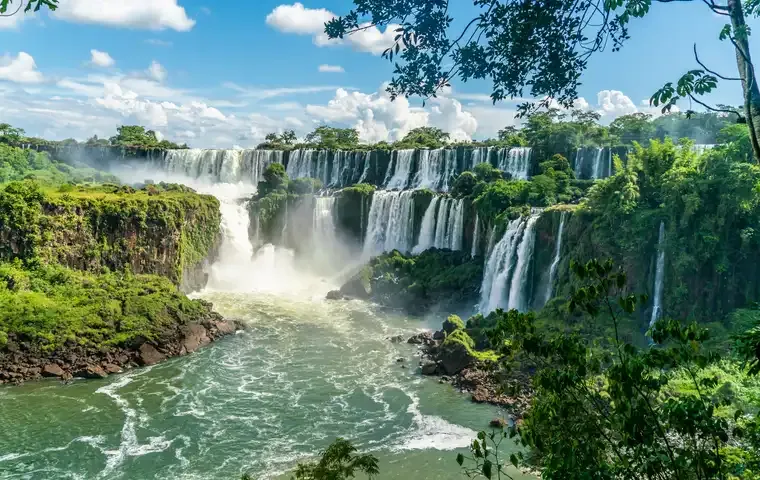
Patagonia's big landscapes, vibrant cities to break up the journey, and spa retreats to recover in, an Argentina route that balances all three.
Explore Argentina →
Mountain lakes, coastal escapes and spa weekends closer to home, proof that the memorable trip doesn't always need a passport stamp.
Explore Canada →
Dramatic landscapes and once in a lifetime settings. That is why a safari belongs at the heart of a South Africa trip, whether it's a honeymoon or the adventure of a decade.
Explore South Africa →
Grand Canyon vistas, spa resorts and destination weddings, the iconic American trips, planned with the timing and details that make them feel effortless.
Explore the United States →More stories and travel tips are added regularly. Ready to plan a trip of your own? Talk to a travel advisor.
Good to know
Tell us the trip: destination, dates and who's going. We compare suppliers and build options around your budget, you pick the one you like, and we book everything into one clean itinerary. Before departure, we check the details with you so travel day is seamless.
No. Quotes are free and there's no pressure to book. Fill in our form or call (905) 383 2000 and we'll price out your trip at the lowest rate we can find.
Your destination (or a few you're deciding between), rough dates, how many people are travelling, and anything that matters to you: an occasion, must sees, a budget range, or flexibility on dates. Our form gathers exactly that.
Yes. Vacation packages, cruises, destination weddings and honeymoons, and group travel, with hotels, transfers and excursions arranged alongside the flights.
Call us at (905) 383 2000 and talk it through with the agent who booked your trip. We'll explain your options for your specific booking, and it's why we talk through travel protection before you fly, not after something goes wrong.
Plan your trip
Fill in the form and we'll price it out at the lowest rate we can find. Prefer email? Write to us at info@beforeifly.com.
From your search. We've filled these into the form for you. Change anything you like before sending.
Your information has been received and a travel consultant will reach out shortly.
We’ve also sent you a confirmation email with a copy of your details. Please check your inbox.
If anything needs changing, or you’d like to add details, just reply to that confirmation email or call us when your consultant contacts you.